Top-10-Common-Myths-About-Shoulder-Arthroscopy-1200x600.jpg

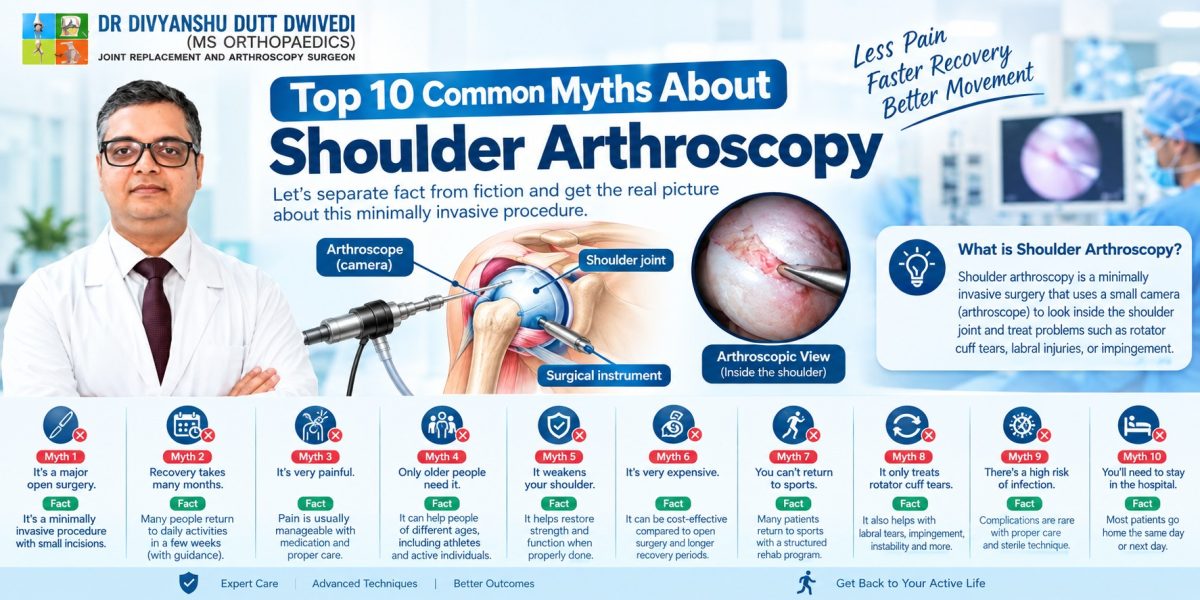
The top 10 common myths about shoulder arthroscopy often create confusion about pain, safety, recovery, scars, sports, and the need for surgery. While shoulder arthroscopy is a minimally invasive procedure used to diagnose and treat several shoulder conditions, it is not suitable or necessary for every patient. Understanding the facts can help you make informed treatment decisions.

In this guide, we explain common misconceptions about arthroscopic shoulder surgery and what patients should realistically expect. From recovery time and postoperative pain to rotator cuff repair, rehabilitation, and surgical risks, each myth We explain each myth in simple language, covering topics such as recovery time, postoperative pain, rotator cuff repair, rehabilitation, and surgical risks. in simple language. If persistent shoulder pain, weakness, instability, or restricted movement is affecting daily life, an orthopedic evaluation can help identify the right treatment approach.

What Is Shoulder Arthroscopy?

Shoulder arthroscopy is a minimally invasive procedure in which an orthopedic surgeon uses a small camera, called an arthroscope, to examine and treat problems inside the shoulder joint. During arthroscopic shoulder surgery, specialized instruments can be inserted through small portals to address conditions affecting the rotator cuff, labrum, cartilage, ligaments, biceps tendon, or shoulder stability. Depending on the diagnosis, procedures may include rotator cuff repair, labral repair, treatment of shoulder instability, or removal of damaged tissue. However, shoulder arthroscopy is not required for every shoulder problem. Treatment depends on symptoms, examination, imaging, diagnosis, activity level, and response to nonsurgical care. 

Top 10 Common Myths About Shoulder Arthroscopy

Myth 1: Shoulder Arthroscopy Is Only for Athletes

Fact: Shoulder arthroscopy is not limited to athletes. It may be recommended for suitable patients with specific shoulder conditions, depending on their symptoms, diagnosis, and treatment needs.

Shoulder arthroscopy is often linked to sports injuries, but it’s not just for athletes. Active adults, office workers, older adults, and recreational athletes may also require arthroscopic shoulder surgery for certain conditions. The decision depends on the underlying shoulder problem, not simply on a person’s lifestyle or activity level.

Depending on the diagnosis, shoulder arthroscopy may be used to treat selected rotator cuff injuries, labral tears, shoulder instability, cartilage damage, or recurrent dislocation. Before recommending surgery, an orthopedic specialist considers symptoms, physical examination, imaging findings, functional limitations, and response to nonsurgical treatment. Therefore, being an athlete is not a requirement for shoulder arthroscopy.

Myth 2: Shoulder Arthroscopy Means You Will Recover in Just a Few Days

Fact: Shoulder arthroscopy uses small incisions, but complete recovery can take weeks or months. The timeline depends on the procedure, tissue healing, rehabilitation, and individual recovery.

Many patients believe shoulder arthroscopy recovery takes only a few days because the procedure uses small incisions. However, small incisions do not mean the shoulder has completely healed. The tissues treated or repaired during arthroscopic shoulder surgery may need significantly more time to recover. The recovery period varies according to the specific procedure and the extent of the shoulder problem.

After shoulder arthroscopy, recovery may include a sling, controlled movements, physiotherapy, and gradual strengthening. Activities such as lifting weights or returning to sports During the healing process, you may need to limit activities like lifting weights or returning to sports. during healing. A minor procedure may allow a faster recovery, while rotator cuff repair or labral repair can require longer rehabilitation. Always follow your surgeon’s recovery plan.

Myth 3: Shoulder Arthroscopy Is Completely Painless

Fact: Shoulder arthroscopy is minimally invasive, but it does not mean completely painless. Some postoperative pain, soreness, swelling, or stiffness can occur while the shoulder heals and during rehabilitation.

During shoulder arthroscopy, anesthesia helps control pain during the procedure, but some discomfort may occur afterward as the tissues begin to heal. The level of pain can vary depending on the type of procedure, tissues treated, and individual recovery.

After arthroscopic shoulder surgery, your surgeon may recommend appropriate pain management, ice application, wound care, and activity restrictions. Following these instructions can support a comfortable recovery. Mild discomfort can be part of normal healing, but severe or worsening pain, fever, unusual swelling, wound discharge, or numbness should be promptly discussed with your healthcare provider.

Myth 4: Shoulder Arthroscopy Is Always Necessary for Shoulder Pain

Fact: Not every shoulder pain problem requires surgery. Treatment depends on the underlying cause, symptoms, severity, diagnosis, and response to appropriate nonsurgical treatments.

Shoulder pain can result from many conditions, including rotator cuff problems, inflammation, stiffness, instability, arthritis, injury, or overuse. Because the underlying cause varies, treatment also differs. Doctors may initially recommend activity modification, physiotherapy, medication, or other suitable nonsurgical options. Shoulder arthroscopy may be considered when a specific condition requires surgical treatment or symptoms continue despite appropriate conservative management.

A proper diagnosis is essential before deciding on arthroscopic shoulder surgery. An orthopedic specialist may assess your medical history, physical examination, imaging results, movement limitations, and previous treatments. The goal is to identify the actual cause of pain and select an appropriate treatment plan. Therefore, experiencing shoulder pain alone does not automatically mean surgery is necessary for every patient.

Myth 5: Arthroscopy Is Always Better Than Open Shoulder Surgery

Fact: Arthroscopy is not automatically better than open shoulder surgery. The appropriate approach depends on the shoulder condition, affected structures, required repair, and individual patient factors.

Shoulder arthroscopy uses small portals and may reduce disruption to surrounding tissues in suitable cases. This minimally invasive approach can offer advantages for certain procedures and may support recovery. However, smaller incisions do not mean arthroscopy is always the preferred option. The choice depends on the specific diagnosis, location and severity of the injury, and treatment required.

Some complex shoulder conditions may require open shoulder surgery or a combination of surgical techniques. For example, certain shoulder replacement procedures are performed using an open approach. Your orthopedic specialist will consider your examination, imaging findings, affected structures, and surgical goals before recommending an approach. Therefore, the important question is not which method is universally better, but which approach is appropriate for your individual shoulder condition.

Myth 6: Small Incisions Mean the Surgery Is Very Minor

Fact: Small incisions do not mean shoulder arthroscopy is a minor procedure. The significance depends on the internal repair performed, affected tissues, healing requirements, and rehabilitation.

The small portals used during arthroscopic shoulder surgery allow specialized instruments and a camera to access the joint. Through these portals, a surgeon may repair a rotator cuff tear, treat a labral injury, address shoulder instability, remove damaged tissue, or perform other necessary repairs. The external incision size does not determine the complexity of the procedure.

For example, an arthroscopic rotator cuff repair may involve reattaching a damaged tendon to the bone using sutures or anchors. Although the skin openings are small, the repaired tissues still need time to heal. Recovery can require several weeks or months of rehabilitation, depending on the procedure. Therefore, recovery should be planned around the internal repair, not simply the appearance of the incisions.

Myth 7: You Can Return to the Gym or Sports Immediately After Arthroscopy

Fact: Returning to the gym or sports after shoulder arthroscopy should be gradual. Healing, rehabilitation progress, procedure type, and your surgeon’s advice determine when activities can safely resume.

After shoulder arthroscopy, the shoulder may need protection while repaired tissues heal. Depending on the procedure, your surgeon may recommend a sling and temporary movement restrictions. Shoulder arthroscopy recovery often includes physiotherapy to gradually restore range of motion, flexibility, strength, and shoulder function. Returning to demanding activities too soon can place unnecessary stress on healing tissues.

The timeline for returning to the gym after shoulder arthroscopy or sports varies between patients. A minor procedure may allow faster progression, while rotator cuff repair or labral repair can require longer rehabilitation. Activities such as weight training, swimming, throwing, and overhead exercises should be reintroduced gradually. Your surgeon or physiotherapist should guide your return to sports based on healing, strength, movement, and functional recovery.

Myth 8: Shoulder Arthroscopy Guarantees a Permanent Cure

Fact: Shoulder arthroscopy can improve pain and function for suitable patients, but it cannot guarantee a permanent cure. Outcomes depend on the condition, healing, rehabilitation, and individual factors.

The results of arthroscopic shoulder surgery depend on factors such as the underlying diagnosis, injury severity, tissue condition, procedure performed, healing response, and rehabilitation. Some patients experience significant improvement in pain, movement, and shoulder function, while others may need longer recovery or continue to have some symptoms after treatment.

There is also a possibility of recurrent problems depending on the original injury and future activities. Returning too quickly to demanding sports or activities may increase stress on healing tissues. This does not mean shoulder arthroscopy is ineffective; rather, patients should have realistic expectations. Following postoperative instructions, completing physiotherapy, and gradually returning to activities can support recovery and help protect the treated shoulder.

Myth 9: Shoulder Arthroscopy Has No Risks Because It Is Minimally Invasive

Fact: Shoulder arthroscopy is minimally invasive, but it is not completely risk-free. Like other surgeries, it may involve complications, depending on the procedure and individual patient factors.

Although shoulder arthroscopy uses small portals and specialized instruments, potential complications can still occur. Possible risks include infection, bleeding, blood clots, nerve or blood-vessel injury, stiffness, and anesthesia-related problems. The level of risk may vary depending on your overall health, underlying shoulder condition, and procedure performed.

Before arthroscopic shoulder surgery, your surgeon should explain the expected benefits, possible risks, and recovery requirements. Following postoperative instructions can support safe healing. Contact your medical team if you experience significant bleeding, fever, unusual wound discharge, severe or worsening pain, numbness, or unusual swelling after surgery. Understanding these potential risks helps patients have realistic expectations and make informed treatment decisions with their healthcare provider.

Myth 10: Everyone With a Rotator Cuff Tear Needs Shoulder Arthroscopy

Fact: A rotator cuff tear does not automatically require shoulder arthroscopy. Treatment depends on symptoms, tear severity, shoulder function, patient factors, and response to appropriate nonsurgical care.

A rotator cuff tear can vary in size, location, severity, and effect on shoulder function. Depending on the individual case, treatment may include physiotherapy, medication, activity modification, rehabilitation, or surgery. Doctors may consider pain, weakness, functional limitations, tear characteristics, symptom duration, age, activity requirements, and previous treatment response before recommending an appropriate approach.

If surgery is required, arthroscopic rotator cuff repair may be one option. However, an MRI finding should not be considered alone when making treatment decisions. Your specialist should assess imaging alongside symptoms and physical examination findings. Therefore, patients should avoid deciding on shoulder arthroscopy surgery based only on an MRI report or diagnosis. A personalized evaluation helps determine whether surgery is appropriate.

Shoulder Arthroscopy: Myth vs. Fact at a Glance

Common Myth What Patients Should Know
Arthroscopy is only for athletes It may be used for suitable shoulder conditions in many types of patients.
Recovery takes only a few days Incisions may heal quickly, but full recovery can take much longer.
Arthroscopy is painless Some postoperative pain and discomfort can occur.
Every shoulder pain needs surgery Treatment depends on the cause and severity of the problem.
Arthroscopy is always better than open surgery The appropriate approach depends on the condition and required repair.
Small incision means minor surgery Significant internal repairs can be performed through small portals.
You can exercise immediately Return to activity should follow a gradual rehabilitation plan.
Surgery guarantees a permanent cure Results vary according to the condition and individual recovery.
Arthroscopy has no risks Complications are possible, although many are uncommon.
Every rotator cuff tear needs surgery Treatment should be based on individual clinical factors.


What Should You Really Expect After Shoulder Arthroscopy?

Understanding the shoulder arthroscopy recovery process can help you prepare realistically. After surgery, your medical team may provide guidance on wound care, pain management, sling use, sleeping, driving, and activity restrictions. Depending on the procedure, the shoulder may need protection while repaired tissues heal. Temporary help with daily activities may also be needed during early recovery and healing.

As recovery progresses, physical therapy can help restore shoulder movement, flexibility, strength, and function. Recovery time varies according to the procedure and individual healing. Minor procedures may allow faster progress, while tendon or labral repairs often require longer rehabilitation. Your orthopedic surgeon can provide a personalized recovery plan and guide your gradual return to normal activities and daily routines.

Why Is Rehabilitation Important After Shoulder Arthroscopy?

Shoulder arthroscopy rehabilitation is an important part of recovery because surgery is only one stage of treatment. A structured rehabilitation program can help restore shoulder movement, flexibility, strength, and function while protecting healing tissues. Early exercises may focus on controlled movement and reducing stiffness, while later stages gradually introduce strengthening and functional activities. The timing depends on the procedure performed.

Recovery after shoulder arthroscopy is different for every patient. A simple procedure may require a different rehabilitation plan than a rotator cuff repair or labral repair. Therefore, patients should avoid comparing their progress with someone else’s recovery. Following prescribed exercises, activity restrictions, and follow-up appointments allows the medical team to monitor healing and adjust rehabilitation when needed. Consistent participation can support a gradual and safe return to daily activities and sports.

When Should You Consult a Shoulder Specialist?

Consider consulting a shoulder specialist if persistent pain interferes with daily activities, you have difficulty lifting or moving your arm, significant weakness, recurrent shoulder dislocation, or pain following an injury. Medical evaluation is also important when symptoms continue despite appropriate nonsurgical treatment. A specialist can identify the underlying cause and recommend suitable treatment based on your condition.

For patients in Lucknow, Dr. Divyanshu Dutt Dwivedi provides orthopedic and joint-related care and can evaluate shoulder problems to determine whether conservative treatment, shoulder arthroscopy, or another approach may be appropriate. A proper clinical assessment may include your medical history, physical examination, and relevant imaging. Treatment decisions should be based on individual findings rather than an online article or general information alone, helping ensure the recommended approach matches your specific shoulder condition.

Meet Dr. Divyanshu Dutt Dwivedi—Trusted Shoulder Arthroscopy Specialist in Lucknow
Robotic Knee replacement Surgeon in Lucknow
Dr. Divyanshu Dutt Dwivedi

Dr. Divyanshu Dutt Dwivedi is an experienced orthopedic and joint replacement surgeon providing specialized shoulder arthroscopy treatment in Lucknow. He focuses on accurate diagnosis, individualized treatment planning, and evidence-based orthopedic care. His approach considers the patient’s symptoms, imaging findings, activity requirements, and recovery goals before recommending treatment.

Clinical Expertise

  • Shoulder arthroscopy and minimally invasive shoulder procedures
  • Rotator cuff tear evaluation and arthroscopic repair
  • Labral injuries and shoulder instability management
  • Sports-related shoulder injuries
  • Shoulder pain and tendon-related conditions
  • Post-surgical rehabilitation and recovery guidance

Dr. Divyanshu Dutt Dwivedi is Associate Director & Unit Head – Orthopaedics & Joint Replacement at Max Super Speciality Hospital, Lucknow. For consultation and appointments, call +919899389359.

Conclusion

Understanding the top 10 common myths about shoulder arthroscopy can help patients make informed decisions about their shoulder health. Shoulder arthroscopy is a minimally invasive procedure used for selected shoulder conditions, but it is not always necessary, completely painless, risk-free, or associated with immediate recovery. Treatment and recovery depend on the diagnosis, procedure performed, tissue healing, and individual factors. If you experience persistent shoulder pain, weakness, stiffness, instability, or difficulty moving your arm, consult an experienced orthopedic specialist for proper evaluation. For personalized shoulder care in Lucknow, consult Dr. Divyanshu Dutt Dwivedi and discuss the most suitable treatment for your condition.

FAQs About Common Myths About Shoulder Arthroscopy 

Is shoulder arthroscopy safe?

Shoulder arthroscopy is generally considered a safe procedure when appropriately indicated, but like other surgeries, it has potential risks. Your individual risks depend on your health and the procedure being performed.

Is shoulder arthroscopy painful?

Some postoperative pain and discomfort are possible. Pain management, appropriate protection of the shoulder, and rehabilitation are important parts of recovery.

How long does shoulder arthroscopy recovery take?

Recovery varies significantly. Some procedures recover relatively quickly, while more extensive repairs can require several months of rehabilitation before full function returns.

Is shoulder arthroscopy a major surgery?

It is minimally invasive because surgeons use small portals, but the significance of the procedure depends on what is being repaired inside the shoulder.

Is shoulder arthroscopy only for athletes?

No. Athletes commonly undergo arthroscopy for sports injuries, but suitable patients with other shoulder conditions may also require arthroscopic treatment.

Can shoulder arthroscopy repair a rotator cuff tear?

Yes, selected rotator cuff tears can be repaired arthroscopically. Whether surgery is appropriate depends on the individual patient’s symptoms, tear characteristics, and clinical assessment.

Do I need physiotherapy after shoulder arthroscopy?

Many patients require a structured rehabilitation program after shoulder arthroscopy. The exact exercises and timing depend on the procedure and the tissues that need to heal.

When can I return to the gym after shoulder arthroscopy?

There is no single timeline for everyone. Return to gym exercises should be gradual and based on healing, rehabilitation progress, and your surgeon’s advice.

Does shoulder arthroscopy leave scars?

Small scars may remain where the arthroscope and surgical instruments were inserted. Their appearance varies between individuals and generally changes as the wounds heal.

Is shoulder arthroscopy always necessary for shoulder pain?

No. Many shoulder conditions can initially be managed without surgery. Arthroscopy may be considered when a specific condition requires surgical treatment or when appropriate nonsurgical care has not provided sufficient improvement.

Is arthroscopy better than open shoulder surgery?

Neither approach is automatically better for every patient. The appropriate technique depends on the diagnosis, extent of the problem, required repair, and clinical circumstances.

Can shoulder problems heal without surgery?

Some shoulder conditions can improve with nonsurgical treatment such as activity modification, physiotherapy, medication, or other appropriate care. The correct treatment depends on the diagnosis.
Frozen-Shoulder-Treatment-in-Lucknow.jpg

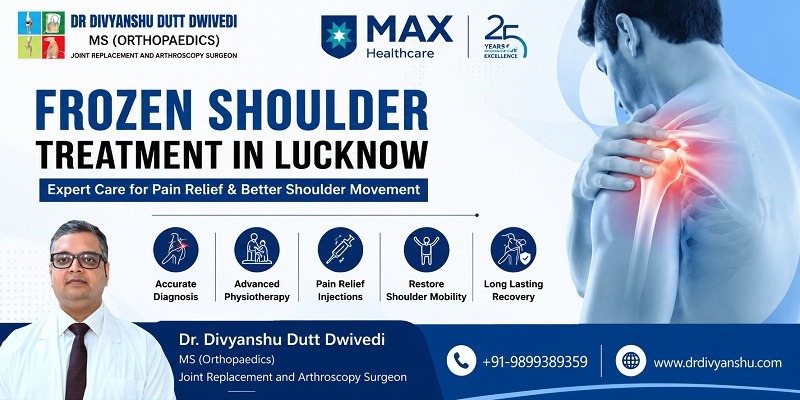
Frozen Shoulder Treatment in Lucknow is essential for people experiencing persistent shoulder pain, stiffness, and difficulty moving their arm. Also known as Adhesive Capsulitis, this condition gradually restricts the shoulder joint’s movement, making everyday activities such as dressing, lifting objects, or reaching overhead challenging. Early diagnosis and timely care can significantly improve recovery while reducing long-term discomfort.

If you are looking for the best Frozen Shoulder treatment doctor in Lucknow, consulting an experienced orthopedic specialist is the first step toward effective relief. At our clinic, Dr. Divyanshu Dutt Dwivedi offers comprehensive evaluation and personalized treatment plans tailored to each patient’s condition. Whether your symptoms are mild or severe, our goal is to restore shoulder mobility, reduce pain, and help you return to your daily routine with confidence. To schedule a consultation, call +91-9899389359.

Meet Your Orthopedic Specialist – Dr. Divyanshu Dutt Dwivedi

Dr. Divyanshu Dutt Dwivedi Banner
Dr. Divyanshu Dutt Dwivedi

Choosing the right specialist plays a vital role in achieving a successful Frozen Shoulder Treatment doctor in Lucknow. Dr. Divyanshu Dutt Dwivedi is a highly experienced orthopedic surgeon dedicated to diagnosing and treating a wide range of shoulder conditions using evidence-based techniques and patient-focused care. His approach emphasizes accurate diagnosis, conservative treatment whenever possible, and advanced surgical options only when necessary.

Why Patients Trust Dr. Divyanshu Dutt Dwivedi

Highlights Details
Specialization Orthopedics & Joint Disorders
Expertise Frozen Shoulder, Shoulder Pain, Sports Injuries, Joint Replacement
Treatment Approach Personalized, Evidence-Based Care
Focus Non-Surgical & Advanced Surgical Solutions
Patient Care Comprehensive Diagnosis, Rehabilitation & Follow-Up

Patients receive individualized treatment plans designed to relieve pain, restore shoulder function, and promote faster recovery. If you are searching for a Frozen Shoulder Specialist in Lucknow or an experienced Orthopedic Doctor for Frozen Shoulder in Lucknow, book your appointment with Dr. Divyanshu Dutt Dwivedi by calling +91-9899389359.

Shoulder Injury Specialist in Lucknow

Shoulder injuries can affect people of all ages, from athletes to working professionals and senior citizens. If you are experiencing persistent shoulder pain, weakness, swelling, or difficulty lifting your arm, it is important to consult a Shoulder Injury Specialist in Lucknow without delay. Dr. Divyanshu Dutt Dwivedi provides expert diagnosis and advanced treatment for a wide range of shoulder conditions, including Frozen Shoulder, Rotator Cuff Tears, shoulder dislocation, ligament injuries, tendon disorders, shoulder impingement, and sports-related injuries. Every patient receives a personalized treatment plan based on a detailed clinical evaluation and modern diagnostic techniques. Treatment may include medications, physiotherapy, minimally invasive arthroscopic procedures, or surgery when required. With a patient-centric approach and evidence-based orthopedic care, Dr. Divyanshu Dutt Dwivedi is committed to restoring shoulder function, relieving pain, and helping patients return to an active, healthy lifestyle.

What is Frozen Shoulder?

Frozen Shoulder, medically known as Adhesive Capsulitis, is a condition in which the connective tissue surrounding the shoulder joint becomes inflamed, thickened, and stiff. This leads to increasing pain and a significant reduction in the shoulder’s range of motion. The condition usually develops gradually and progresses through different stages over several months.

Many people initially mistake the symptoms for a simple muscle strain and delay medical consultation. However, without appropriate Frozen Shoulder Treatment, stiffness may worsen and interfere with routine activities. Individuals between the ages of 40 and 60 years, particularly those with diabetes, thyroid disorders, or prolonged shoulder immobilization, have a higher risk of developing this condition. Seeking early Shoulder Pain Treatment in Lucknow can improve recovery outcomes and reduce the likelihood of prolonged disability.

Symptoms of Frozen Shoulder

The symptoms of Frozen Shoulder often develop slowly and become more noticeable over time. Early recognition helps patients receive timely Frozen Shoulder Treatment in Lucknow, preventing further stiffness and improving shoulder function.

Common symptoms include:

  • Persistent shoulder pain, especially during movement.
  • Progressive shoulder stiffness that limits daily activities.
  • Difficulty lifting the arm above shoulder level.
  • Reduced range of motion in the affected shoulder.
  • Pain that worsens at night and affects sleep quality.
  • Difficulty dressing, combing hair, or reaching overhead.
  • Discomfort while driving or carrying lightweight objects.
  • Gradual loss of flexibility in the shoulder joint.

If these symptoms continue for several weeks or begin affecting your daily routine, consult Dr. Divyanshu Dutt Dwivedi for expert evaluation and personalized Frozen Shoulder Treatment in Lucknow.

Causes of Frozen Shoulder

Several factors can contribute to the development of Frozen Shoulder, and identifying the underlying cause helps determine the most effective treatment approach. The condition commonly occurs when the shoulder remains inactive for an extended period, causing the joint capsule to tighten and become inflamed.

Common causes include:

  • Previous shoulder injury or trauma.
  • Recovery after shoulder or upper limb surgery.
  • Long periods of shoulder immobilization following fractures.
  • Diabetes, which significantly increases the risk of Adhesive Capsulitis.
  • Thyroid disorders and certain hormonal conditions.
  • Rotator cuff injuries and chronic shoulder inflammation.
  • Age-related degeneration of shoulder tissues.
  • Neurological conditions such as stroke or Parkinson’s disease.

Understanding these causes allows orthopedic specialists to create personalized treatment plans that address both the symptoms and the underlying condition. Early diagnosis by Dr. Divyanshu Dutt Dwivedi ensures timely Frozen Shoulder Treatment in Lucknow, helping patients regain mobility and return to an active, pain-free lifestyle.

Risk Factors for Frozen Shoulder

Although Frozen Shoulder can affect anyone, certain medical conditions and lifestyle factors increase the likelihood of developing this painful condition. Recognizing these risk factors helps with early diagnosis and timely Frozen Shoulder Treatment in Lucknow, reducing the chances of long-term stiffness and limited shoulder function. People who experience persistent shoulder pain or restricted movement should not ignore the symptoms, especially if they belong to a high-risk group.

Common risk factors include:

  • Age between 40 and 60 years
  • Diabetes, one of the most common causes of Adhesive Capsulitis
  • Thyroid disorders such as hypothyroidism or hyperthyroidism
  • Previous shoulder injury or fracture
  • Shoulder surgery followed by prolonged immobilization
  • Rotator cuff disorders
  • Stroke or neurological conditions
  • Heart disease or Parkinson’s disease
  • Lack of regular shoulder movement after injury

If you have one or more of these risk factors, consult Dr. Divyanshu Dutt Dwivedi for early evaluation and personalized Shoulder Pain Treatment in Lucknow before the condition progresses.

Three Stages of Frozen Shoulder

Frozen Shoulder develops gradually and typically progresses through three distinct stages. Understanding these stages helps patients know what to expect and emphasizes the importance of seeking Frozen Shoulder Treatment in Lucknow at the earliest opportunity. Early intervention often reduces pain, improves mobility, and shortens the recovery period.

Stage Symptoms Approximate Duration
Freezing Stage Increasing shoulder pain with gradual stiffness and reduced movement 2–9 months
Frozen Stage Pain may reduce, but stiffness becomes severe and daily activities become difficult 4–12 months
Thawing Stage Shoulder movement gradually improves, and normal function slowly returns 6–24 months

Every patient experiences recovery differently depending on age, overall health, and the severity of the condition. With expert guidance from Dr. Divyanshu Dutt Dwivedi, appropriate treatment can help improve shoulder function and support a smoother recovery.

When Should You Visit an Orthopedic Doctor?

Many people assume shoulder pain will improve with rest, but persistent discomfort or stiffness should never be ignored. Delaying Frozen Shoulder Treatment may allow the condition to worsen, making recovery longer and more challenging. Early evaluation by an experienced orthopedic specialist can prevent complications and improve treatment outcomes.

You should consult Dr. Divyanshu Dutt Dwivedi if you experience:

  • Shoulder pain lasting more than two to three weeks
  • Increasing stiffness that limits arm movement
  • Difficulty lifting, reaching, or rotating the shoulder
  • Pain that interrupts sleep or daily activities
  • Limited shoulder movement after an injury or surgery
  • No improvement with home remedies or pain medication
  • Shoulder weakness affecting work or routine tasks

Timely consultation ensures an accurate diagnosis and a personalized Frozen Shoulder Treatment in Lucknow, helping restore mobility and improve your quality of life.

Diagnosis of Frozen Shoulder

An accurate diagnosis is the foundation of successful Frozen Shoulder Treatment in Lucknow. Since shoulder pain can result from several conditions, a detailed assessment helps distinguish Adhesive Capsulitis from rotator cuff injuries, arthritis, tendon problems, or other shoulder disorders. Early diagnosis allows treatment to begin before stiffness becomes severe.

Your orthopedic evaluation may include:

  • Detailed medical history and symptom assessment
  • Physical examination of the shoulder joint
  • Active and passive range of motion testing
  • Evaluation of pain during different shoulder movements
  • X-ray to rule out fractures or arthritis
  • MRI when soft tissue injuries are suspected
  • Ultrasound in selected cases to assess surrounding structures

Based on these findings, Dr. Divyanshu Dutt Dwivedi develops a customized treatment plan that focuses on pain relief, restoring shoulder mobility, and preventing further stiffness through evidence-based orthopedic care.

Frozen Shoulder Treatment in Lucknow

The goal of Frozen Shoulder Treatment in Lucknow is to relieve pain, restore shoulder movement, and help patients return to their normal activities as quickly and safely as possible. The treatment approach depends on the stage of the condition, the severity of symptoms, and the patient’s overall health. Most individuals recover successfully with non-surgical treatment, while advanced cases may require minimally invasive procedures.

A personalized treatment plan may include:

  • Pain-relieving medications
  • Anti-inflammatory medicines
  • Structured physiotherapy
  • Shoulder stretching and strengthening exercises
  • Activity modification
  • Corticosteroid injections for pain control
  • Hydrodilatation in selected cases
  • Arthroscopic surgery for severe or persistent stiffness

At every stage of treatment, Dr. Divyanshu Dutt Dwivedi focuses on preserving shoulder function while choosing the least invasive option that delivers the best long-term outcome. Early consultation significantly improves recovery and helps patients regain confidence in their daily movements.

Non-Surgical Frozen Shoulder Treatment

Most patients with Frozen Shoulder recover successfully without surgery when treatment begins early. The primary goal of Frozen Shoulder Treatment in Lucknow is to reduce pain, improve shoulder mobility, and restore normal function through a combination of medications, guided exercises, and lifestyle modifications. A personalized treatment plan ensures that every patient receives care based on the stage and severity of the condition.

Common non-surgical treatment options include:

  • Pain-relieving and anti-inflammatory medications
  • Activity modification to avoid excessive shoulder strain
  • Heat therapy to reduce muscle stiffness
  • Ice therapy for pain and inflammation
  • Gentle stretching exercises
  • Structured rehabilitation programs
  • Regular follow-up to monitor progress

Under the supervision of Dr. Divyanshu Dutt Dwivedi, conservative treatment focuses on gradual improvement while minimizing discomfort. Most patients notice better shoulder movement and reduced pain with consistent treatment and adherence to the prescribed rehabilitation plan.

Physiotherapy for Frozen Shoulder

Physiotherapy is one of the most effective treatments for improving shoulder mobility and reducing stiffness caused by Adhesive Capsulitis. A well-designed rehabilitation program plays a crucial role in Frozen Shoulder Treatment in Lucknow, helping patients regain flexibility, strengthen surrounding muscles, and restore normal shoulder function. The exercises are introduced gradually to avoid worsening pain while encouraging steady improvement.

A physiotherapy program may include:

  • Passive and active stretching exercises
  • Range of motion training
  • Pendulum exercises
  • Shoulder strengthening exercises
  • Manual therapy techniques
  • Posture correction
  • Home exercise guidance
  • Functional movement training

Every rehabilitation plan is customized according to the patient’s condition and recovery stage. Dr. Divyanshu Dutt Dwivedi works closely with rehabilitation specialists to ensure safe, progressive treatment that supports long-term shoulder health and minimizes the risk of recurring stiffness.

Injection Therapy for Frozen Shoulder

When pain is severe or limits participation in physiotherapy, Injection Therapy may be recommended as part of Frozen Shoulder Treatment in Lucknow. These minimally invasive procedures help reduce inflammation, relieve pain, and improve shoulder movement, making rehabilitation exercises more comfortable and effective.

Depending on the patient’s condition, treatment may include:

Injection Type Benefits
Corticosteroid Injection Reduces inflammation and relieves pain quickly
Ultrasound-Guided Injection Ensures accurate placement for better effectiveness
Hydrodilatation Expands the joint capsule to improve movement and reduce stiffness

Injection therapy is typically combined with physiotherapy for optimal results. After a detailed evaluation, Dr. Divyanshu Dutt Dwivedi recommends the most appropriate option based on symptoms, imaging findings, and the stage of Frozen Shoulder, ensuring safe and effective pain management.

Surgical Treatment for Frozen Shoulder

Although most patients improve with conservative care, surgery may be considered when symptoms persist despite several months of non-surgical treatment. Advanced Frozen Shoulder Treatment in Lucknow includes minimally invasive procedures designed to restore shoulder movement while minimizing recovery time.

Surgical options include:

  • Arthroscopic Capsular Release
  • Manipulation Under Anesthesia (MUA)

During Arthroscopic Capsular Release, the tightened shoulder capsule is carefully released using small instruments and a camera inserted through tiny incisions. This technique improves the shoulder’s range of motion while reducing postoperative discomfort. In selected cases, Manipulation Under Anesthesia may be performed to gently break up adhesions within the joint.

Following surgery, physiotherapy is essential for maintaining mobility and preventing recurrent stiffness. Dr. Divyanshu Dutt Dwivedi recommends surgery only when clinically necessary and after carefully evaluating all conservative treatment options.

Frozen Shoulder Exercises

Regular exercises are an important part of recovering from Frozen Shoulder. When performed correctly under professional guidance, these exercises improve flexibility, reduce stiffness, and restore normal shoulder movement. As part of comprehensive Frozen Shoulder Treatment in Lucknow, exercise programs are gradually progressed according to the patient’s pain level and recovery stage.

Common exercises include:

  • Pendulum Exercise
  • Finger Walk Exercise
  • Wall Climbing Exercise
  • Cross-Body Shoulder Stretch
  • Towel Stretch
  • External Rotation Stretch
  • Shoulder Blade Squeeze
  • Shoulder Flexion Stretch

Patients should avoid forceful or painful movements, as they can increase inflammation and delay recovery. Following the exercise plan prescribed by Dr. Divyanshu Dutt Dwivedi helps improve shoulder function safely while reducing the risk of long-term stiffness. Consistency, patience, and regular follow-up are key to achieving the best possible recovery.

Recovery Timeline After Frozen Shoulder Treatment

Recovery from Frozen Shoulder varies from person to person and depends on the stage of the condition, the severity of stiffness, and how consistently the treatment plan is followed. While some patients experience improvement within a few months, others may require a longer rehabilitation period. Starting Frozen Shoulder Treatment in Lucknow at an early stage often leads to faster pain relief and better shoulder mobility.

Recovery Stage Expected Progress
First 2–6 Weeks Pain gradually reduces with medication and physiotherapy.
6–12 Weeks Shoulder movement begins to improve with regular exercises.
3–6 Months Daily activities become easier as flexibility increases.
6–12 Months Most patients regain significant shoulder function.

Following the prescribed rehabilitation program, attending regular follow-up appointments, and performing home exercises consistently are essential for a successful recovery. Dr. Divyanshu Dutt Dwivedi closely monitors every patient’s progress to ensure the best possible outcome.

Tips to Prevent Frozen Shoulder

Although Frozen Shoulder cannot always be prevented, maintaining good shoulder health and addressing problems early can significantly reduce the risk. Simple lifestyle changes and regular movement help keep the shoulder joint flexible and prevent prolonged stiffness.

Follow these preventive measures:

  • Keep your shoulders active with regular stretching exercises.
  • Begin shoulder movement as advised after an injury or surgery.
  • Maintain good posture while working or sitting for long hours.
  • Control diabetes and thyroid disorders with proper medical care.
  • Avoid prolonged shoulder immobilization whenever possible.
  • Strengthen the shoulder muscles through guided exercises.
  • Seek medical attention for persistent shoulder pain or stiffness.
  • Follow your orthopedic specialist’s advice during rehabilitation.

Early intervention is the key to preventing long-term complications. If you notice restricted shoulder movement or recurring pain, consult Dr. Divyanshu Dutt Dwivedi for expert evaluation and timely Shoulder Pain Treatment in Lucknow.

Why Choose Dr. Divyanshu Dutt Dwivedi for Frozen Shoulder Treatment in Lucknow?

Selecting an experienced orthopedic specialist is one of the most important decisions for successful Frozen Shoulder Treatment in Lucknow. Dr. Divyanshu Dutt Dwivedi is committed to providing patient-centered orthopedic care using modern diagnostic methods and evidence-based treatment protocols. Every patient receives an individualized treatment plan designed to relieve pain, improve shoulder mobility, and support long-term recovery.

Why Patients Prefer Our Care

  • Experienced orthopedic and joint specialist
  • Expertise in treating Frozen Shoulder and complex shoulder disorders
  • Comprehensive clinical evaluation and accurate diagnosis
  • Personalized non-surgical and surgical treatment plans
  • Advanced rehabilitation guidance
  • Patient-focused approach with continuous follow-up
  • Transparent treatment recommendations
  • Compassionate and ethical medical care

Whether you need conservative management or advanced orthopedic intervention, our goal is to help you regain shoulder function safely and effectively while improving your quality of life.

Frozen Shoulder Treatment Cost in Lucknow

The cost of Frozen Shoulder Treatment in Lucknow depends on several factors, including the severity of the condition, diagnostic investigations, the type of treatment required, and the duration of rehabilitation. Since every patient has unique clinical needs, treatment is planned only after a detailed orthopedic assessment.

The overall treatment cost may vary based on:

  • Initial orthopedic consultation
  • Diagnostic tests such as X-ray or MRI
  • Medications
  • Physiotherapy sessions
  • Corticosteroid or ultrasound-guided injections
  • Surgical treatment, if required
  • Follow-up consultations and rehabilitation

During your consultation, Dr. Divyanshu Dutt Dwivedi will explain the recommended treatment plan, expected recovery timeline, and associated costs, ensuring complete transparency before treatment begins.

What Our Patients Appreciate

Patients who undergo Frozen Shoulder Treatment in Lucknow with Dr. Divyanshu Dutt Dwivedi often value the personalized approach, clear communication, and comprehensive rehabilitation support. Our focus is not only on relieving pain but also on restoring shoulder function and helping patients return to their normal lifestyle as quickly and safely as possible.

Many patients appreciate:

  • Accurate diagnosis and detailed clinical evaluation
  • Personalized treatment based on individual needs
  • Clear explanation of every treatment option
  • Step-by-step rehabilitation guidance
  • Regular follow-up to monitor recovery
  • Compassionate care throughout the treatment journey
  • Focus on long-term shoulder health rather than temporary pain relief

Our commitment to evidence-based orthopedic care has helped many patients regain confidence in their daily activities with improved shoulder mobility and reduced discomfort.

Consult Now – Frozen Shoulder Treatment Doctor in Lucknow

Persistent shoulder pain and stiffness should never be ignored. Early diagnosis and the right treatment can prevent long-term mobility problems and help you return to your daily routine with confidence. If you are searching for reliable Frozen Shoulder Treatment in Lucknow, consult Dr. Divyanshu Dutt Dwivedi for a comprehensive evaluation and personalized treatment plan tailored to your condition.

Whether you require medications, physiotherapy, injection therapy, or advanced surgical care, every treatment plan is designed to achieve lasting pain relief and improved shoulder function. Call +91-9899389359 today to book your consultation and take the first step toward healthier, pain-free shoulder movement.

FAQs About Frozen Shoulder Treatment Doctor in Lucknow

  1. What is Frozen Shoulder?

Frozen Shoulder, also called Adhesive Capsulitis, is a condition in which the shoulder joint becomes painful and stiff, gradually limiting its range of motion.

  1. What causes Frozen Shoulder?

It may develop due to shoulder injury, prolonged immobilization, diabetes, thyroid disorders, inflammation, or after shoulder surgery.

  1. Who is at higher risk of developing Frozen Shoulder?

People between 40 and 60 years of age, individuals with diabetes, thyroid disorders, and those recovering from shoulder injuries are at greater risk.

  1. What are the early symptoms of Frozen Shoulder?

Persistent shoulder pain, stiffness, difficulty raising the arm, and reduced shoulder movement are common early symptoms.

  1. Which doctor should I consult for Frozen Shoulder Treatment in Lucknow?

An experienced orthopedic specialist such as Dr. Divyanshu Dutt Dwivedi can accurately diagnose and treat Frozen Shoulder.

  1. Can Frozen Shoulder heal without surgery?

Yes. Most patients recover successfully with medications, physiotherapy, stretching exercises, and other conservative treatments.

  1. Is physiotherapy necessary for Frozen Shoulder?

Yes. Physiotherapy is one of the most effective ways to improve shoulder mobility, reduce stiffness, and restore normal function.

  1. How long does recovery take?

Recovery varies but may take several months depending on the stage of the condition and adherence to the treatment plan.

  1. Is surgery always required?

No. Surgery is recommended only when conservative treatment fails to improve pain and shoulder movement.

  1. Can diabetes increase the risk of Frozen Shoulder?

Yes. Diabetes is one of the strongest risk factors for developing Adhesive Capsulitis.

  1. Is MRI required for diagnosis?

Not always. MRI is recommended only when additional shoulder injuries are suspected or further evaluation is necessary.

  1. Can I continue working with Frozen Shoulder?

Many patients can continue working with appropriate activity modifications, depending on the severity of their symptoms.

  1. What activities should I avoid?

Avoid sudden, forceful, or repetitive overhead movements that increase shoulder pain without medical advice.

  1. Can Frozen Shoulder return after treatment?

Recurrence is uncommon but may occur in some individuals, especially if underlying medical conditions are not well controlled.

  1. How can I book an appointment?

You can schedule a consultation with Dr. Divyanshu Dutt Dwivedi by calling +91-9899389359 for expert Frozen Shoulder Treatment in Lucknow.


Rotator-Cuff-Tear-Surgeon-in-Lucknow-Dr.-Divyanshu-Dutt-Dwivedi.jpg

Shoulder pain that does not improve with rest can affect your daily routine, work, sports activities, and even sleep. A rotator cuff tear is one of the most common shoulder injuries that causes pain, weakness, and restricted movement. If left untreated, it may worsen over time and make simple tasks like lifting your arm or carrying objects difficult. Consulting an experienced Rotator Cuff Tear Surgeon in Lucknow at the right time can help prevent further damage and restore normal shoulder function.

Dr. Divyanshu Dutt Dwivedi is a trusted Shoulder Surgeon in Lucknow with expertise in diagnosing and treating partial and complete rotator cuff tears using advanced, evidence-based techniques. Whether your injury is caused by sports, an accident, or age-related tendon degeneration, you receive a personalized treatment plan focused on long-term recovery. From accurate diagnosis and conservative treatment to advanced Rotator Cuff Surgery in Lucknow through minimally invasive arthroscopic techniques, every step is designed to help you regain strength, reduce pain, and return to an active lifestyle. Call +91-9899389359 today to schedule your consultation.

Meet Dr. Divyanshu Dutt Dwivedi – Trusted Rotator Cuff Tear Surgeon in Lucknow

Rotator Cuff Tear Surgeon in Lucknow
Dr. Divyanshu Dutt Dwivedi

When choosing a Best Rotator Cuff Tear Surgeon in Lucknow, experience, clinical expertise, and patient-focused care play an important role. Dr. Divyanshu Dutt Dwivedi is a highly skilled orthopedic and shoulder specialist known for providing advanced treatment for complex shoulder injuries, including rotator cuff tears, shoulder instability, sports injuries, and tendon disorders. He follows internationally accepted treatment protocols and recommends surgery only when it is medically necessary, ensuring every patient receives honest guidance and personalized care.

Patients appreciate his detailed evaluations, clear communication, and commitment to achieving the best possible outcomes through both non-surgical and surgical treatment options. As an experienced Shoulder Specialist in Lucknow, Dr. Divyanshu specializes in modern arthroscopic shoulder surgery, which involves smaller incisions, less pain, faster recovery, and improved shoulder function. His patient-centric approach, advanced surgical skills, and comprehensive rehabilitation guidance make him a preferred choice for individuals seeking effective Rotator Cuff Tear Treatment in Lucknow.

What Is a Rotator Cuff Tear?

A rotator cuff tear is an injury to the group of four muscles and tendons that stabilize the shoulder joint and allow smooth arm movement. These tendons connect the shoulder muscles to the upper arm bone and help perform activities such as lifting, reaching, throwing, and rotating the arm. A tear may occur suddenly after trauma or develop gradually due to repetitive shoulder movements, aging, or tendon wear.

Depending on the severity, the tendon may be partially damaged or completely detached from the bone. Early diagnosis by an experienced Rotator Cuff Tear Surgeon in Lucknow is essential to prevent the tear from becoming larger and causing permanent shoulder weakness. With timely evaluation and appropriate treatment, many patients recover successfully and regain normal shoulder mobility without long-term complications.

Types of Rotator Cuff Tears

Understanding the type of injury helps determine the most suitable treatment plan. An experienced Shoulder Surgeon in Lucknow carefully evaluates the extent of tendon damage before recommending conservative management or surgery.

Type Description
Partial Rotator Cuff Tear The tendon is damaged but not completely detached from the bone.
Full-Thickness Rotator Cuff Tear The tendon is completely torn, creating a gap that often requires surgical repair.
Acute Tear Occurs suddenly due to trauma, falls, or heavy lifting.
Degenerative Tear Develops gradually because of aging, repetitive overhead activities, or tendon degeneration.

Identifying the exact type of tear allows Dr. Divyanshu Dutt Dwivedi to recommend the most effective Rotator Cuff Tear Treatment while preserving shoulder strength, flexibility, and long-term function.

Common Symptoms of a Rotator Cuff Tear

The symptoms of a rotator cuff injury can vary depending on the size and severity of the tear. Some patients experience mild discomfort, while others struggle with significant pain and limited shoulder movement. If these symptoms continue for several weeks, consulting a Shoulder Specialist in Lucknow is highly recommended.

Common symptoms include:

  • Persistent shoulder pain, especially during movement
  • Pain that becomes worse at night
  • Difficulty lifting or rotating the arm
  • Weakness while carrying objects
  • Clicking or popping sensation in the shoulder
  • Reduced range of shoulder movement
  • Pain during sports or overhead activities
  • Difficulty dressing or combing hair
  • Shoulder stiffness
  • Loss of shoulder strength

Ignoring these warning signs may lead to increased tendon damage, muscle weakness, and more complex treatment in the future.

What Causes a Rotator Cuff Tear?

A rotator cuff tear can develop due to a sudden injury or gradual wear and tear of the shoulder tendons. Athletes, manual workers, older adults, and people performing repetitive overhead activities are at a higher risk of developing this condition. Early assessment by a qualified Rotator Cuff Tear Surgeon in Lucknow helps identify the underlying cause and prevents further deterioration.

The most common causes include:

  • Sports-related shoulder injuries
  • Falling on an outstretched arm
  • Heavy lifting accidents
  • Repetitive overhead work
  • Aging and tendon degeneration
  • Shoulder impingement syndrome
  • Poor shoulder biomechanics
  • Repeated micro-trauma
  • Bone spurs irritating the tendon
  • Previous untreated shoulder injuries

Understanding the root cause allows Dr. Divyanshu Dutt Dwivedi to create a personalized treatment plan that focuses on long-term shoulder health rather than simply relieving symptoms.

Who Is at Higher Risk of Developing a Rotator Cuff Tear?

Although anyone can suffer a shoulder injury, certain individuals have a higher chance of developing a rotator cuff tear due to their age, profession, or lifestyle. Recognizing these risk factors encourages early diagnosis and timely treatment before the condition becomes severe.

People at higher risk include:

  • Athletes involved in cricket, badminton, tennis, or swimming
  • Gym enthusiasts performing heavy shoulder exercises
  • Construction and factory workers
  • Painters and electricians
  • Individuals above 40 years of age
  • People with repetitive overhead movements
  • Patients with previous shoulder injuries
  • Individuals with poor posture
  • People with chronic shoulder impingement
  • Manual laborers performing repetitive lifting

If you belong to any of these groups and experience persistent shoulder pain, consulting Dr. Divyanshu Dutt Dwivedi, an experienced Best Shoulder Surgeon in Lucknow, can help prevent long-term shoulder dysfunction and improve your quality of life.

When Should You Consult a Rotator Cuff Tear Surgeon in Lucknow?

Many people ignore shoulder pain, assuming it will improve with rest or painkillers. However, persistent discomfort can be a sign of a serious tendon injury that requires medical attention. Consulting an experienced Rotator Cuff Tear Surgeon in Lucknow at the right time can help prevent further tendon damage and improve the chances of a successful recovery. Early diagnosis also reduces the risk of long-term stiffness, muscle weakness, and loss of shoulder function.

You should consult Dr. Divyanshu Dutt Dwivedi if you experience:

  • Shoulder pain lasting more than two weeks
  • Difficulty lifting or rotating your arm
  • Weakness while carrying objects
  • Pain that disturbs your sleep
  • Clicking or catching sensation in the shoulder
  • Limited shoulder movement
  • Swelling after an injury
  • Pain following a fall or sports injury
  • Difficulty performing overhead activities
  • Shoulder pain that does not improve with medication or physiotherapy

Early consultation ensures timely treatment and helps restore normal shoulder movement before the condition worsens.

How Is a Rotator Cuff Tear Diagnosed?

Accurate diagnosis is the first step toward successful treatment. Dr. Divyanshu Dutt Dwivedi, a trusted Shoulder Specialist in Lucknow, performs a detailed clinical evaluation to determine the severity of the injury and recommend the most appropriate treatment plan. A combination of physical examination and advanced imaging helps confirm the diagnosis and identify associated shoulder problems such as tendon degeneration, impingement, or muscle weakness.

The diagnostic process may include:

Diagnostic Test Purpose
Physical Examination Evaluates pain, strength, flexibility, and shoulder stability
X-ray Detects bone spurs, arthritis, or fractures
MRI Scan Confirms the size and location of the tendon tear
Ultrasound Assesses tendon movement and soft tissue damage
Range of Motion Assessment Measures shoulder flexibility and function

A precise diagnosis allows your Rotator Cuff Tear Surgeon in Lucknow to create a personalized treatment plan based on your age, activity level, and the extent of tendon damage.

Non-Surgical Rotator Cuff Tear Treatment

Not every rotator cuff tear requires surgery. Small or partial tears often respond well to conservative treatment, especially when diagnosed early. The goal of non-surgical treatment is to reduce pain, improve shoulder strength, restore movement, and help patients return to their normal activities. Dr. Divyanshu Dutt Dwivedi carefully evaluates each patient before recommending the most suitable treatment option.

Non-surgical treatment may include:

  • Activity modification to avoid painful movements
  • Anti-inflammatory medications for pain relief
  • Ice therapy to reduce swelling
  • Structured physiotherapy programs
  • Shoulder strengthening exercises
  • Stretching to improve flexibility
  • Lifestyle modifications
  • Ultrasound-guided injections in selected cases
  • Regular follow-up assessments
  • Gradual return to sports and work

Many patients experience significant improvement with conservative care, although larger or complete tears may eventually require Rotator Cuff Surgery in Lucknow for lasting relief.

When Is Rotator Cuff Surgery Recommended?

While conservative treatment works for many patients, surgery becomes necessary when the tendon cannot heal on its own or when shoulder function continues to decline. Delaying surgery for a complete tear may result in tendon retraction, muscle wasting, and reduced surgical success. An experienced Rotator Cuff Tear Surgeon in Lucknow carefully evaluates all clinical findings before recommending surgical intervention.

Surgery is commonly advised when:

  • The tendon is completely torn
  • Pain persists despite several months of conservative treatment
  • Shoulder weakness affects daily activities
  • MRI shows a significant tendon injury
  • The injury is caused by acute trauma
  • The patient is an athlete or performs heavy physical work
  • Shoulder function continues to deteriorate
  • Night pain becomes severe
  • The tear progressively increases in size
  • Quality of life is significantly affected

Timely surgery helps restore tendon function, reduce pain, and improve long-term shoulder strength.

What Is Arthroscopic Rotator Cuff Repair Surgery?

Arthroscopic Rotator Cuff Repair is a minimally invasive surgical procedure used to repair torn shoulder tendons through small incisions. Instead of making a large cut, the surgeon inserts a tiny camera called an arthroscope into the shoulder joint. This provides a clear, magnified view of the damaged tendon, allowing precise repair with specialized instruments. Dr. Divyanshu Dutt Dwivedi, an experienced Arthroscopic Shoulder Surgeon in Lucknow, performs this advanced procedure to ensure accurate tendon repair with minimal disruption to surrounding tissues.

During the surgery, the torn tendon is reattached to the upper arm bone using specially designed anchors and sutures. Because the procedure is minimally invasive, patients usually experience less pain, smaller scars, reduced blood loss, and faster recovery compared to traditional open surgery. Arthroscopic repair is considered the preferred treatment for many rotator cuff tears due to its excellent clinical outcomes and quicker rehabilitation.

Rotator Cuff Tear Surgery Procedure

Rotator Cuff Surgery in Lucknow is performed using advanced arthroscopic techniques to repair damaged shoulder tendons with precision. Dr. Divyanshu Dutt Dwivedi, an experienced Rotator Cuff Tear Surgeon in Lucknow, follows a patient-focused approach to ensure safe treatment and faster recovery. The minimally invasive procedure involves small incisions, resulting in less pain, minimal scarring, and quicker rehabilitation while restoring shoulder strength and mobility.

Step-by-Step Rotator Cuff Tear Surgery Process

  • Step 1: Clinical Evaluation – A detailed consultation and physical examination are performed to assess your symptoms, shoulder movement, and overall condition.
  • Step 2: Diagnostic Imaging – MRI, X-rays, or ultrasound scans are recommended to confirm the rotator cuff tear and evaluate the extent of tendon damage.
  • Step 3: Pre-Surgical Planning – Your medical history, fitness for anesthesia, and treatment plan are carefully reviewed before the procedure.
  • Step 4: Arthroscopic Repair – Small incisions are made to insert a high-definition camera and specialized instruments to repair the torn tendon with surgical anchors.
  • Step 5: Tendon Reconstruction – The damaged tendon is securely reattached to the upper arm bone to restore shoulder stability and function.
  • Step 6: Post-Operative Care – The incisions are closed, a protective sling is applied, and patients receive detailed recovery and pain management instructions.
  • Step 7: Rehabilitation Program – A personalized physiotherapy plan begins gradually to improve flexibility, rebuild shoulder strength, and ensure a safe return to daily activities.

If you are looking for an experienced Rotator Cuff Tear Surgeon in Lucknow, Dr. Divyanshu Dutt Dwivedi offers comprehensive evaluation, advanced Arthroscopic Rotator Cuff Surgery, and complete rehabilitation support. Call +91-9899389359 to book your consultation today.

Benefits of Arthroscopic Rotator Cuff Surgery

Modern arthroscopic surgery has transformed the treatment of shoulder injuries by providing effective tendon repair while minimizing surgical trauma. Patients undergoing Rotator Cuff Surgery in Lucknow through arthroscopy often recover faster and return to daily activities sooner than with conventional open surgery. Dr. Divyanshu Dutt Dwivedi recommends this approach whenever it is clinically appropriate for the patient’s condition.

Key benefits include:

  • Smaller surgical incisions
  • Less postoperative pain
  • Minimal blood loss
  • Reduced risk of infection
  • Better cosmetic results
  • Faster rehabilitation
  • Improved shoulder mobility
  • Shorter hospital stay
  • Early return to work and sports
  • High success rate with proper rehabilitation

The combination of advanced surgical techniques and a structured recovery program helps patients regain strength, flexibility, and confidence in their shoulder movement.

What Happens During Rotator Cuff Surgery?

Understanding the surgical process helps patients feel more confident before the procedure. Dr. Divyanshu Dutt Dwivedi, a trusted Shoulder Surgeon in Lucknow, explains every step of the surgery and recovery plan to ensure patients know what to expect. The procedure is performed using advanced arthroscopic equipment under appropriate anesthesia in a sterile operating environment.

The surgery generally involves:

  1. Administration of anesthesia.
  2. Creation of small arthroscopic incisions.
  3. Insertion of a high-definition camera into the shoulder joint.
  4. Detailed assessment of the damaged tendon and surrounding structures.
  5. Removal of inflamed tissue or bone spurs if required.
  6. Reattachment of the torn tendon using surgical anchors.
  7. Confirmation of tendon stability and shoulder movement.
  8. Closure of the small incisions and application of dressings.

Most patients are discharged according to their overall condition and begin a guided rehabilitation program soon after surgery to achieve the best possible outcome.

Why Early Treatment Makes a Difference

Many patients postpone treatment because the pain seems manageable in the beginning. Unfortunately, untreated rotator cuff tears may enlarge over time, making the tendon more difficult to repair. Early evaluation by a qualified Rotator Cuff Tear Surgeon in Lucknow increases the chances of successful treatment and may even help avoid surgery in selected cases. Prompt care also reduces the risk of chronic shoulder stiffness and muscle weakness.

Seeking treatment early offers several advantages:

  • Prevents progression of the tendon tear
  • Preserves shoulder strength
  • Improves treatment success rates
  • Reduces long-term pain
  • Helps maintain normal shoulder function
  • Minimizes muscle wasting
  • Supports faster rehabilitation
  • Enables an earlier return to daily activities
  • Reduces the likelihood of complex surgery
  • Improves overall quality of life

Choosing timely medical care can make a significant difference in recovery and long-term shoulder health.

Recovery Timeline After Rotator Cuff Surgery in Lucknow

Recovery after Rotator Cuff Surgery in Lucknow is a gradual process that depends on the size of the tear, the surgical technique used, the patient’s overall health, and commitment to rehabilitation. Following your surgeon’s advice and attending physiotherapy sessions are essential for achieving the best possible outcome. Dr. Divyanshu Dutt Dwivedi provides a personalized recovery plan that focuses on safe healing while gradually restoring shoulder strength and mobility.

Recovery Phase What to Expect
Week 1–2 Pain control, sling support, wound care
Week 3–6 Gentle passive shoulder movements under supervision
Week 6–12 Active shoulder exercises and gradual strengthening
Month 3–6 Improved flexibility, muscle strength, and daily activities
After 6 Months Return to sports, heavy work, and full functional recovery in most patients

Every patient heals differently, so regular follow-up appointments help monitor progress and ensure a smooth recovery.

Physiotherapy After Rotator Cuff Tear Surgery

Physiotherapy plays a vital role in restoring shoulder function after Rotator Cuff Surgery. Surgery repairs the damaged tendon, but rehabilitation helps rebuild strength, flexibility, and coordination. Skipping or delaying physiotherapy can slow recovery and affect long-term shoulder movement. Under the guidance of Dr. Divyanshu Dutt Dwivedi, every rehabilitation program is tailored to the patient’s age, activity level, and type of tendon repair.

The rehabilitation program generally focuses on:

  • Pain and swelling management
  • Passive range-of-motion exercises
  • Gradual active shoulder movements
  • Muscle strengthening exercises
  • Scapular stabilization training
  • Flexibility improvement
  • Posture correction
  • Functional activity training
  • Sports-specific rehabilitation
  • Safe return to work and recreational activities

Following the recommended rehabilitation schedule significantly improves the success rate of Rotator Cuff Tear Treatment and helps patients regain confidence in their shoulder movements.

What Is the Rotator Cuff Surgery Cost in Lucknow?

One of the most common concerns among patients is the cost of treatment. The Rotator Cuff Surgery Cost in Lucknow varies because every shoulder injury is different. Factors such as the severity of the tendon tear, type of surgery, hospital facilities, diagnostic investigations, implants used, anesthesia, and rehabilitation requirements all influence the overall treatment cost. Instead of offering a standard estimate, Dr. Divyanshu Dutt Dwivedi recommends a detailed clinical evaluation to prepare a transparent and personalized treatment plan.

The overall cost may depend on:

  • Severity of the tendon tear
  • Arthroscopic or open surgical technique
  • Hospital and operation theatre facilities
  • Type of surgical anchors and implants
  • Diagnostic tests such as MRI and X-rays
  • Hospital stay duration
  • Physiotherapy and rehabilitation program
  • Insurance coverage and policy benefits

For an accurate estimate, patients are encouraged to schedule a consultation and discuss their individual treatment requirements.

Why Choose Dr. Divyanshu as Your Rotator Cuff Tear Surgeon in Lucknow?

Selecting the right surgeon is one of the most important decisions for achieving a successful recovery. Dr. Divyanshu Dutt Dwivedi is recognized for providing comprehensive shoulder care with a strong focus on accurate diagnosis, ethical treatment, advanced surgical techniques, and patient education. Every treatment plan is designed according to the patient’s condition rather than following a one-size-fits-all approach.

Patients choose Dr. Divyanshu Dutt Dwivedi because of:

  • Expertise in advanced shoulder and sports injury treatment
  • Experience in Arthroscopic Shoulder Surgery
  • Evidence-based treatment protocols
  • Personalized treatment planning
  • Honest advice with surgery recommended only when necessary
  • Modern diagnostic and surgical techniques
  • Comprehensive rehabilitation guidance
  • Patient-friendly consultation approach
  • Focus on long-term shoulder function
  • Dedicated post-operative follow-up and care

His commitment to quality treatment has made him a trusted Shoulder Specialist in Lucknow for patients with rotator cuff injuries and other complex shoulder disorders.

Conditions Commonly Treated Along with Rotator Cuff Tears

Many patients with a rotator cuff tear may also have other shoulder conditions that contribute to pain and restricted movement. A thorough evaluation helps identify associated problems so they can be treated simultaneously, improving the overall outcome. As an experienced Shoulder Surgeon in Lucknow, Dr. Divyanshu Dutt Dwivedi provides comprehensive care for a wide range of shoulder disorders.

These conditions include:

  • Shoulder impingement syndrome
  • Frozen shoulder
  • Shoulder instability
  • Labral tears
  • Biceps tendon injuries
  • Shoulder arthritis
  • Recurrent shoulder dislocation
  • Calcific tendonitis
  • Acromioclavicular joint disorders
  • Sports-related shoulder injuries

Treating all associated shoulder problems together helps reduce pain, restore movement, and lower the risk of future complications.

Tips to Prevent a Rotator Cuff Tear

While not every shoulder injury can be prevented, adopting healthy habits can significantly reduce the risk of tendon damage. Prevention is especially important for athletes, fitness enthusiasts, and individuals whose work involves repetitive overhead activities. Following simple shoulder care practices helps maintain tendon strength and joint stability.

Helpful prevention tips include:

  • Perform regular shoulder strengthening exercises
  • Warm up before sports and workouts
  • Avoid sudden heavy lifting
  • Maintain proper posture while working
  • Use correct exercise techniques
  • Take breaks during repetitive activities
  • Improve shoulder flexibility with stretching
  • Manage chronic shoulder pain early
  • Maintain a healthy body weight
  • Consult a Shoulder Specialist in Lucknow if shoulder pain persists

Early attention to shoulder discomfort can prevent small tendon injuries from progressing into complete tears.

Book an Appointment with Dr. Divyanshu Dutt Dwivedi 

Rotator Cuff Surgery in Lucknow is performed using advanced arthroscopic techniques to repair damaged shoulder tendons with precision. Dr. Divyanshu Dutt Dwivedi, an experienced Rotator Cuff Tear Surgeon in Lucknow, begins with a detailed evaluation and imaging to assess the severity of the tear. During the procedure, a tiny camera and specialized instruments are inserted through small incisions to repair and reattach the torn tendon to the bone using surgical anchors. This minimally invasive approach reduces pain, minimizes scarring, shortens hospital stay, and promotes faster recovery. Book your consultation today by calling +91-9899389359 for expert shoulder care and personalized treatment. 


FAQs About Rotator Cuff Tear Surgeon in Lucknow

  1. Who is the best Rotator Cuff Tear Surgeon in Lucknow?

Dr. Divyanshu Dutt Dwivedi is an experienced Rotator Cuff Tear Surgeon in Lucknow, offering advanced diagnosis, arthroscopic shoulder surgery, personalized treatment plans, and comprehensive rehabilitation for long-term shoulder recovery.

  1. What are the early symptoms of a rotator cuff tear?

Common symptoms include persistent shoulder pain, arm weakness, difficulty lifting the arm, night pain, clicking sensations, and reduced shoulder movement. Early diagnosis improves treatment outcomes.

  1. Can a rotator cuff tear heal without surgery?

Small or partial tears often improve with physiotherapy, medication, and lifestyle changes. Complete or severe tendon tears usually require evaluation by a Shoulder Specialist in Lucknow for appropriate treatment.

  1. When should I consult a Shoulder Surgeon in Lucknow?

Consult a shoulder surgeon if pain lasts over two weeks, shoulder weakness increases, movement becomes difficult, or symptoms develop after an injury, sports activity, or accidental fall.

  1. Is arthroscopic rotator cuff surgery better than open surgery?

Arthroscopic surgery uses smaller incisions, causes less pain, reduces recovery time, minimizes scarring, and helps patients return to daily activities faster than traditional open surgery.

  1. How is a rotator cuff tear diagnosed?

Diagnosis includes a physical examination, shoulder movement assessment, X-rays, and MRI scans to determine tendon damage and plan the most effective treatment approach.

  1. How long does recovery take after Rotator Cuff Surgery in Lucknow?

Most patients recover within four to six months, although complete tendon healing depends on tear severity, surgical repair, physiotherapy participation, and adherence to post-operative rehabilitation instructions.

  1. What is the success rate of arthroscopic rotator cuff surgery?

Arthroscopic rotator cuff repair has a high success rate when performed by an experienced Arthroscopic Shoulder Surgeon in Lucknow and followed by a structured rehabilitation program.

  1. What is the cost of Rotator Cuff Surgery in Lucknow?

The surgery cost depends on the tear severity, surgical technique, hospital facilities, implants, diagnostic tests, and rehabilitation requirements. A consultation provides an accurate treatment estimate.

  1. Can I delay treatment for a rotator cuff tear?

Delaying treatment may enlarge the tendon tear, increase shoulder weakness, reduce mobility, and make surgery more complex. Early evaluation helps achieve better recovery and shoulder function.

  1. What activities should I avoid with a rotator cuff tear?

Avoid heavy lifting, repetitive overhead movements, intense sports, and activities that increase shoulder pain until evaluated by an experienced Rotator Cuff Tear Surgeon in Lucknow.

  1. Why choose Dr. Divyanshu Dutt Dwivedi for rotator cuff treatment in Lucknow?

Dr. Divyanshu Dutt Dwivedi provides evidence-based shoulder care, advanced arthroscopic techniques, personalized treatment plans, and complete rehabilitation support to help patients regain pain-free shoulder function.