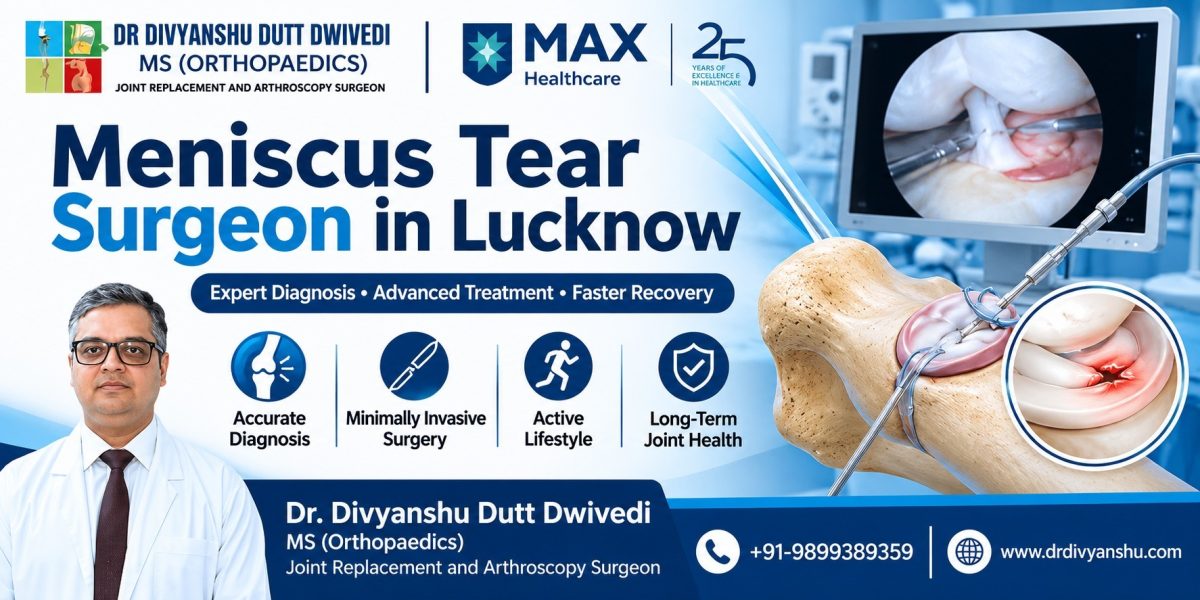
Meniscus-Tear-Surgeon-in-Lucknow-1200x600.jpg

Meniscus tear surgeon in Lucknow is a commonly searched term by people experiencing knee pain, swelling, stiffness, or difficulty walking. A meniscus tear is an injury to the cartilage that cushions the knee joint. It can occur due to sudden twisting movements, sports injuries, or age-related degeneration. Common symptoms include knee pain, swelling, clicking, and difficulty bending or straightening the leg.

Choosing the right meniscus tear treatment in Lucknow depends on the tear’s location, severity, and the patient’s activity level. An orthopedic specialist can evaluate the injury through physical examination and MRI when required. Treatment options may include medication, physiotherapy, rehabilitation, or arthroscopic meniscus repair surgery, depending on individual clinical needs.

What Is a Meniscus Tear?

A meniscus tear is an injury to the C-shaped cartilage inside the knee joint, located between the thighbone (femur) and shinbone (tibia). Each knee has two menisci: the medial meniscus on the inner side and the lateral meniscus on the outer side. These structures act as natural shock absorbers, distribute body weight, reduce pressure between the bones, and support knee stability during daily activities.

A torn meniscus occurs when this cartilage becomes damaged due to sudden twisting movements, sports injuries, or age-related degeneration. Common symptoms include knee pain, swelling, stiffness, clicking, and difficulty bending the leg. Depending on rehabilitation, action, and severity, meniscus tear treatment may include activity modification, medication, physiotherapy, rehabilitation, or arthroscopic meniscus repair surgery after proper medical evaluation.

What Causes a Meniscus Tear?

A meniscus tear can develop due to sudden knee injuries or gradual cartilage degeneration. It commonly occurs during activities that involve twisting, jumping, or sudden changes in direction. Sports such as football, cricket, and badminton can increase the risk. Other causes include accidental falls, direct knee injuries, deep squatting, and excessive pressure on the knee joint.

Age-related degeneration is another common cause, as the meniscus gradually becomes weaker and less flexible over time. Some people develop a torn meniscus during routine activities without experiencing a specific injury. Meniscus tears may also occur alongside ligament injuries, particularly an ACL tear. Identifying the underlying cause helps an orthopedic specialist determine the appropriate treatment and rehabilitation approach.

Common Symptoms of a Meniscus Tear

The symptoms of a meniscus tear depend on the injury’s location, size, and severity. Some patients experience sudden knee pain after an injury, while others develop symptoms gradually. Recognizing early signs such as swelling, stiffness, clicking, and restricted movement can help identify a torn meniscus and guide appropriate treatment.

1. Knee Pain

Knee pain is one of the most common symptoms of a meniscus tear. It usually develops along the inner or outer side of the knee joint. Pain may increase while walking, bending, twisting, kneeling, or squatting. Persistent discomfort during everyday activities may require an orthopedic evaluation.

2. Swelling Around the Knee

Knee swelling may develop within a few hours or days after a meniscus injury. The affected knee may feel tight, tender, or uncomfortable during movement. Swelling can also restrict knee bending and straightening. Persistent swelling after an injury should be assessed by an orthopedic specialist.

3. Clicking or Popping Sensation

A meniscus tear may cause clicking, catching, or popping sensations during knee movement. These symptoms can occur when the damaged cartilage interferes with normal joint movement. Although clicking does not always indicate a meniscus injury, repeated clicking accompanied by pain or swelling requires medical evaluation.

4. Knee Locking

Knee locking is a possible symptom of a displaced meniscus tear. Patients may feel that their knee becomes stuck in one position or cannot straighten completely. This can interfere with walking, standing, and bending. Mechanical locking requires prompt assessment by an orthopedic specialist to identify the underlying cause.

5. Difficulty Bending or Straightening the Knee

A torn meniscus can restrict normal knee movement, making it difficult to bend or straighten the leg completely. Patients may experience discomfort while climbing stairs, sitting on the floor, squatting, or getting up from a chair. Persistent movement restrictions may indicate an injury requiring medical assessment.

6. Feeling of Knee Instability

Some patients with a meniscus tear experience a sensation that their knee is giving way while walking, standing, or changing direction. This instability may also be associated with an ACL or other ligament injury. A proper knee examination helps identify the affected structures and determine suitable treatment.

Different Types of Meniscus Tears

A meniscus tear can affect different parts of the knee cartilage, with the type of injury depending on how the tear occurs. Common types include medial meniscus tears, lateral meniscus tears, bucket handle tears, radial tears, horizontal tears, degenerative tears, and meniscus root tears. Each type has a distinct pattern and location.

A meniscus tear surgeon in Lucknow assesses the tear’s location, pattern, and severity to understand the extent of the injury. This evaluation helps identify the most suitable meniscus tear treatment, which may involve physiotherapy, rehabilitation, or arthroscopic surgery, depending on the patient’s condition and healing potential.

Medial Meniscus Tear

A medial meniscus tear affects the cartilage located on the inner side of the knee joint. It commonly develops due to sudden twisting movements, sports injuries, or age-related degeneration. Patients may experience inner knee pain, swelling, and discomfort while squatting, bending, or rotating the affected leg.

Lateral Meniscus Tear

A lateral meniscus tear occurs in the cartilage on the outer side of the knee joint. It may develop following sports injuries, sudden twisting, or other traumatic movements. Common symptoms include outer knee pain, swelling, clicking, and discomfort during activities involving knee bending or rotation.

Bucket Handle Meniscus Tear

A bucket handle meniscus tear is a displaced injury in which a long section of torn cartilage moves towards the center of the knee joint. It may cause significant pain, catching, and mechanical locking. Some patients cannot fully straighten their knees and require timely specialist evaluation.

Radial Meniscus Tear

A radial meniscus tear develops across the cartilage fibers, extending from the inner edge towards the outer portion. Depending on its depth and location, it can affect the meniscus’s ability to distribute pressure within the knee joint, potentially increasing stress on the surrounding cartilage.

Horizontal Meniscus Tear

A horizontal meniscus tear divides the cartilage into upper and lower layers. It commonly develops due to age-related degeneration but may also occur following an injury. Symptoms can include knee pain, swelling, and discomfort during movement. Treatment depends on the tear’s severity and the patient’s symptoms.

Degenerative Meniscus Tear

A degenerative meniscus tear develops gradually as the knee cartilage becomes weaker with age and repeated stress. It may occur during everyday activities without a major injury. Patients commonly experience knee pain, stiffness, and swelling, particularly while walking, climbing stairs, or performing deep squats.

Meniscus Root Tear

A meniscus root tear occurs when the attachment connecting the meniscus to the shinbone becomes damaged. This can affect the cartilage’s ability to distribute pressure across the knee joint. Patients may experience pain and difficulty walking. Early evaluation helps determine whether non-surgical care or surgery is appropriate.

How Does a Meniscus Tear Surgeon in Lucknow Diagnose a Knee Injury? 

An accurate meniscus tear diagnosis helps determine the most suitable treatment. A meniscus tear surgeon in Lucknow evaluates the patient’s medical history, knee pain, swelling, and movement limitations through a physical examination. Clinical tests, such as the McMurray test, may help identify signs of meniscus damage and assess knee joint function.

An MRI scan is commonly recommended to examine the meniscus and identify the tear’s location, pattern, and severity. X-rays may also help rule out other bone-related conditions. The findings allow an orthopedic rehabilitation team to assess associated ACL or ligament injuries and recommend appropriate meniscus tear treatment, which may include medication, physiotherapy, rehabilitation, or arthroscopic surgery, depending on the patient’s condition.

Medical History and Physical Examination

A meniscus tear surgeon in Lucknow may begin diagnosis by reviewing the patient’s injury history, symptoms, and previous knee problems. During physical examination, the specialist checks joint-line tenderness, swelling, knee movement, and stability. Clinical tests, such as the McMurray and Thessaly tests, may help identify signs of meniscus damage.

MRI Scan

An MRI scan for a meniscus tear provides detailed images of the knee’s soft tissues, including the medial meniscus, lateral meniscus, ligaments, and cartilage. It helps identify the tear’s location, pattern, and severity. MRI findings also assist an orthopedic specialist in planning appropriate meniscus tear treatment.

X-Ray

An X-ray does not directly show a meniscus tear because the meniscus consists of soft cartilage. However, it helps assess bone alignment, fractures, and signs of knee osteoarthritis. These findings can help identify other causes of knee pain and support the overall diagnosis and treatment planning.

Meniscus Tear Treatment in Lucknow

Meniscus Tear Treatment in Lucknow focuses on relieving knee pain, reducing swelling, and restoring joint movement. A meniscus tear surgeon in Lucknow evaluates factors such as the patient’s age, symptoms, tear location, severity, and activity level. A detailed clinical examination, supported by MRI when required, helps identify the injury and guide an appropriate treatment plan.

Depending on the type and severity of the injury, meniscus tear treatment may include medication, activity modification, physiotherapy, or rehabilitation. Some tears may require arthroscopic meniscus surgery or meniscus repair to address persistent symptoms. The treatment goal is to improve knee function, support joint stability, and preserve healthy cartilage whenever possible. Each treatment plan is based on individual clinical findings.


Non-Surgical Treatment for Meniscus Tears

Non-surgical meniscus tear treatment may be suitable for patients with manageable symptoms and certain types of knee injuries. Treatment aims to reduce pain, control swelling, and improve knee movement. Depending on the tear’s severity, an orthopedic specialist may recommend activity modification, medication, physiotherapy, and rehabilitation before considering surgery.

1. Activity Modification

Activity modification for a meniscus tear involves temporarily avoiding movements that increase knee pain or stress the injured cartilage. Activities such as deep squatting, running, jumping, and sudden twisting may need to be limited. Adjusting daily activities allows the knee to recover while reducing further irritation during movement.

2. Medication for Pain and Inflammation

Medication may be recommended to manage meniscus tear pain and knee swelling. Depending on the patient’s symptoms and medical history, a doctor may prescribe suitable pain-relieving or anti-inflammatory medicines. These medications help control discomfort but do not repair the torn cartilage. Avoid taking medicines without medical advice.

3. Physiotherapy

Physiotherapy for a meniscus tear helps improve knee movement, muscle strength, and joint stability. A supervised rehabilitation program may include gentle knee exercises, quadriceps and hamstring strengthening, hip muscle training, and balance exercises. The exercise plan should be adjusted according to the tear’s severity and the patient’s recovery progress.

4. Ice and Short-Term Support

Applying an ice pack wrapped in a towel may help reduce knee swelling and discomfort following a meniscus injury. A doctor may also recommend a knee brace or crutches in selected cases. These supports can improve comfort and walking safety, depending on the injury and weight-bearing requirements.

When Is Meniscus Tear Surgery Required?

A meniscus tear operation may be considered when symptoms continue despite appropriate non-surgical treatment or when the injury has features that may benefit from surgical intervention.

Surgery may be discussed in situations such as:

  • A displaced tear causing mechanical locking.
  • A repairable tear in a suitable location.
  • Persistent pain and functional difficulty.
  • An injury affecting normal knee movement.
  • Certain meniscus root tears.
  • Meniscus damage associated with other knee injuries.

The decision should not be based on the MRI report alone. The surgeon needs to consider the patient’s symptoms, examination findings, tear pattern, and overall knee health.

Meniscus Repair Surgery by a Meniscus Tear Surgeon in Lucknow

Meniscus repair surgery is an arthroscopic procedure used to secure torn meniscus tissue and support natural healing. A meniscus tear surgeon in Lucknow may recommend this procedure when the tear has suitable healing potential. The primary goal is to preserve healthy cartilage, maintain knee stability, and reduce stress on the joint.

During surgery, specialized instruments and sutures are used to bring the torn cartilage edges together. The technique depends on the tear’s location, pattern, severity, and tissue quality. Meniscus repair surgery may be considered for selected traumatic, bucket-handle, radial, and meniscus root tears, including certain injuries associated with ACL damage. Not every tear is repairable; treatment depends on individual clinical findings.

Knee Arthroscopy for Meniscus Tear by a Meniscus Tear Doctor in Lucknow 

Knee arthroscopy for meniscus tear is a minimally invasive procedure used to examine and treat damage inside the knee joint. A meniscus tear doctor in Lucknow may recommend this procedure when surgical treatment is appropriate. It involves inserting a small camera, called an arthroscope, through a tiny incision to view the joint.

During arthroscopic meniscus surgery, the surgeon uses specialized instruments to assess the damaged cartilage and perform the required treatment. Depending on the tear’s location, severity, and tissue condition, the procedure may involve repairing the torn meniscus or removing only the damaged portion that cannot be preserved. The primary aim is to improve knee function while preserving healthy cartilage whenever possible.

Meniscus Repair vs Partial Meniscectomy

Both procedures are used to treat selected meniscus injuries, but they have different objectives.

Meniscus Repair Partial Meniscectomy
Torn tissue is secured to support healing. The unstable or damaged portion is removed.
Aims to preserve meniscus tissue. Removes a limited part of the meniscus.
Requires healing of the repaired tissue. Recovery is generally faster.
May require longer rehabilitation. Rehabilitation focuses on restoring movement and strength.
Suitable for selected repairable tears. May be considered for selected irreparable tears causing symptoms.

Preserving healthy meniscus tissue is an important goal of meniscus tear treatment, as the meniscus helps absorb shock, distribute pressure, and maintain knee joint stability. A meniscus tear surgeon in Lucknow considers the tear’s location, pattern, tissue quality, patient’s age, activity level, and associated knee injuries before recommending meniscus repair or partial meniscectomy. 

Meniscus Surgery Recovery Time

The meniscus surgery recovery time depends on the tear’s severity, surgical procedure, healing capacity, and rehabilitation progress. A meniscus tear surgeon in Lucknow evaluates these factors to guide patients through recovery. Patients undergoing partial meniscectomy generally recover faster than those having meniscus repair surgery, as repaired cartilage needs additional time to heal.

After partial meniscectomy, patients may resume walking and routine activities relatively early, depending on medical advice. However, meniscus repair surgery recovery usually takes several months. Rehabilitation focuses on reducing swelling, restoring knee movement, rebuilding muscle strength, and improving stability. Following the surgeon’s instructions and physiotherapy plan helps support healing and a safe return to daily activities.

Meet Dr. Divyanshu Dutt Dwivedi—Trusted Meniscus Tear Surgeon in Lucknow
Robotic Knee replacement Surgeon in Lucknow
Dr. Divyanshu Dutt Dwivedi

Dr. Divyanshu Dutt Dwivedi is an orthopedic specialist in Lucknow with clinical interests in knee injuries, arthroscopy, and joint-related conditions. Patients seeking a meniscus tear surgeon in Lucknow can consult him for evaluation and guidance on suitable treatment options based on their knee condition.

Clinical Expertise Includes:

  • Meniscus tear diagnosis and treatment planning.
  • Knee arthroscopy and sports injury management.
  • ACL and PCL ligament injury evaluation.
  • Meniscus repair and cartilage preservation considerations.
  • Post-surgical rehabilitation and recovery guidance.

His approach focuses on understanding each patient’s condition and recommending appropriate care, whether non-surgical management or surgical evaluation is required. For consultation inquiries, call +91-9899389359.

Why Consult Dr. Divyanshu Dutt Dwivedi for Meniscus Tear Treatment in Lucknow?

Dr. Divyanshu Dutt Dwivedi is an orthopedic specialist associated with the evaluation and management of knee injuries, including meniscus-related conditions. His clinical findings include knee arthroscopy, ligament injuries, and joint-related problems. Patients seeking a meniscus tear specialist in Lucknow can consult him to understand their symptoms, examination findings, and available treatment options. Treatment planning considers the nature of the injury, functional requirements, and overall knee health. Whether conservative management, rehabilitation, or surgical evaluation is appropriate, the objective is to help patients make informed decisions about their care. To inquire about a consultation, call +919899389359. 

Conclusion

A meniscus tear can affect knee movement, stability and everyday activities if not assessed properly. Choosing an experienced meniscus tear surgeon in Lucknow can help you understand your injury and explore suitable treatment options. Depending on the tear’s location, severity and healing potential, treatment may include medication, physiotherapy, rehabilitation or arthroscopic meniscus repair surgery. Dr. Divyanshu Dutt Dwivedi provides orthopaedic consultation for patients experiencing meniscus-related knee problems. If you have persistent knee pain, swelling, locking or difficulty walking, seek professional medical advice. Early evaluation can help guide appropriate treatment and support better knee function and recovery.


FAQs About Meniscus Tear Surgeons in Lucknow

Who is the right doctor for a meniscus tear in Lucknow?

An orthopedic surgeon experienced in knee injuries and arthroscopy can diagnose meniscus tears and recommend suitable treatment based on clinical examination and MRI findings.

Can a meniscus tear heal without surgery?

Yes, some meniscus tears improve without surgery through activity modification, medication, and physiotherapy, depending on their location, severity, and healing potential.

 Is surgery necessary for every meniscus tear?

No, every meniscus tear requires surgery. Many injuries improve with non-surgical treatment, while displaced or persistent symptomatic tears may need surgical evaluation.

How long does meniscus surgery take to recover?

Recovery varies by procedure. Partial meniscectomy generally heals faster, while meniscus repair may require several months of rehabilitation and gradual activity progression.

 Can I walk with a torn meniscus?

Yes, many patients can walk with a torn meniscus, but pain, swelling, or locking may limit movement. Persistent symptoms require medical evaluation.

 What is the difference between meniscus repair and meniscectomy?

Meniscus repair secures torn cartilage to support healing, whereas partial meniscectomy removes only the damaged portion that cannot be suitably repaired.

 Is an MRI necessary for diagnosing a meniscus tear?

MRI is commonly recommended to identify meniscus damage, tear location, and associated ligament injuries. Diagnosis also considers symptoms and physical examination findings.

What is the cost of meniscus surgery in Lucknow?

Meniscus surgery costs in Lucknow depend on the procedure, hospital facilities, surgical materials, and rehabilitation requirements. A consultation helps determine an individual estimate.

 Can a meniscus tear occur with an ACL injury?

Yes, meniscus tears can occur alongside ACL injuries, particularly after sports-related twisting movements. Both injuries require assessment to plan appropriate treatment.

 When should I consult a meniscus tear specialist?

Consult a meniscus tear specialist in Lucknow for persistent knee pain, swelling, locking, catching, or restricted movement, especially after a sports injury.
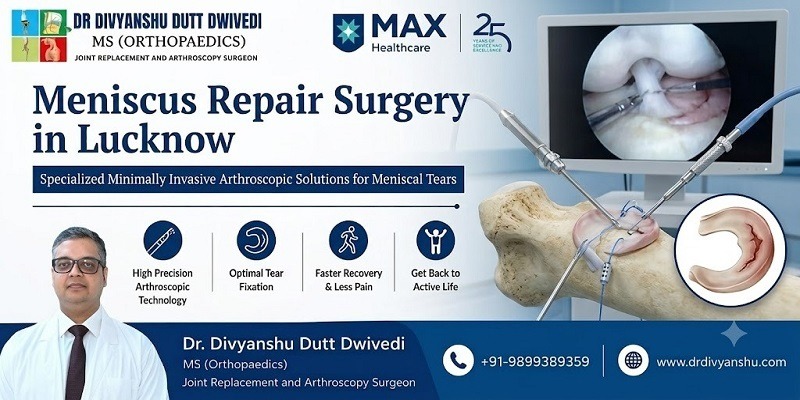


Meniscus-Repair-Surgery-in-Lucknow-Dr.-Divyanshu-Dutt-Dwivedi.jpg

If you are experiencing persistent knee pain, swelling, or a locking sensation, timely treatment can help prevent long-term joint damage. Dr Divyanshu Dutt Dwivedi provides advanced meniscus repair surgery in Lucknow using minimally invasive arthroscopic techniques designed to preserve the natural meniscus and restore normal knee function. As a trusted meniscus repair surgeon in Lucknow, he carefully evaluates each patient through a detailed clinical examination and MRI before recommending the most appropriate treatment.

Whether your injury is caused by sports, an accident, or age-related degeneration, you can receive personalized care from an experienced meniscus repair doctor in Lucknow. With a strong focus on accurate diagnosis, evidence-based treatment, and comprehensive rehabilitation, Dr Divyanshu Dutt Dwivedi is recognised as a reliable meniscus repair specialist in Lucknow, helping patients return to an active and pain-free lifestyle with improved knee stability and mobility.

Meet Dr Divyanshu Dutt Dwivedi—Meniscus Repair Surgeon in Lucknow

Dr. Divyanshu Dutt Dwivedi Banner
Dr. Divyanshu Dutt Dwivedi

When it comes to meniscus repair surgery in Lucknow, choosing an experienced orthopaedic surgeon can make a significant difference in recovery and long-term knee health. Dr Divyanshu Dutt Dwivedi is a skilled orthopaedic and arthroscopy specialist with expertise in diagnosing and treating sports injuries, ligament injuries, cartilage damage, and complex knee conditions using advanced minimally invasive techniques.

His treatment philosophy focuses on preserving the natural joint, relieving pain, restoring mobility, and helping patients return to their daily activities safely. Every patient receives a personalized treatment plan based on clinical examination, imaging findings, lifestyle, and recovery goals.

Areas of Expertise

  • Meniscus Repair Surgery
  • Arthroscopic Knee Surgery
  • ACL Reconstruction Surgery
  • PCL and Multi-Ligament Injury Treatment
  • Sports Injury Management
  • Cartilage Restoration Procedures
  • Shoulder Arthroscopy
  • Knee Pain and Joint Preservation
  • Complex Trauma and Fracture Management
  • Rehabilitation and Return-to-Sports Guidance

To schedule a consultation with Dr Divyanshu Dutt Dwivedi, call +91-9899389359 and receive expert guidance for your knee condition.

What Is the Meniscus?

The meniscus is a C-shaped piece of fibrocartilage located between the thigh bone (femur) and shin bone (tibia). Each knee has two menisci—the medial meniscus on the inner side and the lateral meniscus on the outer side. These structures play a vital role in maintaining knee stability and protecting the joint from excessive wear.

The meniscus performs several important functions:

  • Absorbs shock during walking, running, and jumping
  • Distributes body weight evenly across the knee joint
  • Improves knee stability and balance
  • Reduces friction between the bones
  • Protects the knee cartilage from early damage
  • Supports smooth and pain-free joint movement

When the meniscus becomes torn, these functions are compromised, leading to pain, restricted movement, and an increased risk of joint degeneration. Seeking timely meniscus tear treatment in Lucknow can help preserve the knee and prevent future complications.

What Is a Meniscus Tear?

A meniscus tear occurs when the cartilage inside the knee is damaged due to sudden twisting, direct trauma, or gradual wear over time. It is one of the most frequently diagnosed sports-related knee injuries but can also affect older adults because of age-related degeneration.

The severity of the tear varies depending on its size, location, and pattern. While some minor tears may respond to conservative treatment, larger or unstable tears often require arthroscopic meniscus repair in Lucknow to restore normal knee function.

Common situations that can cause a meniscus tear include:

  • Sudden twisting of the knee during sports
  • Squatting while lifting heavy objects
  • Falls or road traffic accidents
  • Sudden changes in direction while running
  • Degenerative changes associated with ageing

Early diagnosis improves the chances of preserving the natural meniscus and achieving better long-term outcomes.

Signs and Symptoms of a Meniscus Tear

The symptoms of a meniscus tear may appear immediately after an injury or develop gradually over several days. The intensity of symptoms depends on the type and severity of the tear.

Common symptoms include:

  • Persistent knee pain during movement
  • Swelling around the knee joint
  • Difficulty bending or straightening the knee
  • Locking or catching sensation in the knee
  • Clicking or popping sounds while walking
  • Feeling that the knee may give way
  • Reduced range of motion
  • Pain while climbing stairs or squatting

If these symptoms continue despite rest or medication, consult Dr Divyanshu Dutt Dwivedi for a detailed evaluation. Early knee meniscus surgery in Lucknow may help prevent further cartilage damage and improve long-term knee health.

Common Causes and Risk Factors

A meniscus tear can occur in people of all ages, although the underlying causes may differ. Younger individuals usually experience acute injuries during sports, while older adults often develop tears due to gradual degeneration of the cartilage.

Common causes and risk factors include:

  • Sports such as football, cricket, badminton, and basketball
  • Sudden twisting movements of the knee
  • High-impact physical activities
  • Road traffic accidents
  • Falls and workplace injuries
  • Age-related cartilage degeneration
  • Previous knee ligament injuries such as ACL tears
  • Obesity, which increases pressure on the knee joint
  • Repetitive kneeling or squatting at work

Understanding the cause helps determine the most appropriate treatment, whether conservative care or meniscus repair surgery in Lucknow through minimally invasive arthroscopic techniques. Early intervention can improve recovery and help patients return to their daily activities with greater confidence.

Types of Meniscus Tears

Not every meniscus tear is the same. The location, size, and pattern of the tear determine whether it can heal naturally, requires physiotherapy, or needs meniscus repair surgery in Lucknow. An accurate diagnosis helps preserve the healthy meniscus whenever possible, which is essential for maintaining long-term knee function.

Type of Tear Description
Longitudinal Tear A vertical tear that is often suitable for repair.
Bucket Handle Tear A displaced tear that may cause knee locking and usually requires surgery.
Radial Tear Extends from the inner edge of the meniscus and can affect knee stability.
Flap Tear A loose cartilage fragment causes pain and catching sensations.
Root Tear Occurs where the meniscus attaches to the bone and often needs early repair.
Degenerative Tear Common in older adults due to age-related wear and tear.

Early consultation with Dr Divyanshu Dutt Dwivedi helps determine the best treatment based on the tear type and your activity level.

When Should You See an Orthopaedic Surgeon?

Many people ignore knee pain, assuming it will improve with rest. However, delaying treatment may worsen the injury and increase the risk of permanent cartilage damage or early arthritis. Persistent symptoms should never be overlooked, especially after a sports injury or sudden knee twist.

You should consult an orthopaedic specialist if you experience the following:

  • Knee pain lasting more than a few days
  • Recurrent swelling after physical activity
  • Locking or catching of the knee
  • Difficulty walking or climbing stairs
  • Inability to fully bend or straighten the knee
  • Knee instability or frequent giving way
  • Pain that does not improve with medication or physiotherapy
  • A popping sensation followed by severe pain after an injury

Seeking timely meniscus tear treatment in Lucknow improves the chances of repairing the meniscus instead of removing the damaged tissue, leading to better long-term joint health.

Diagnosis of a Meniscus Tear

A precise diagnosis is the foundation of successful treatment. Dr Divyanshu Dutt Dwivedi performs a comprehensive evaluation to identify the exact location and severity of the injury before recommending the most appropriate treatment plan.

Diagnosis usually includes the following:

  • Detailed discussion about your symptoms and injury history
  • Physical examination to assess pain, swelling, and knee movement
  • Special clinical tests to detect meniscus damage
  • Digital X-rays to rule out fractures or arthritis
  • MRI scan to confirm the tear pattern, size, and associated ligament injuries

MRI is considered the most reliable imaging test for diagnosing meniscus tears and planning arthroscopic meniscus repair in Lucknow. An early and accurate diagnosis allows timely treatment, reducing the risk of further cartilage damage and improving surgical outcomes when required.

Can a Meniscus Tear Heal Without Surgery?

Not every meniscus tear requires surgery. Small, stable tears located in areas with a good blood supply may heal with conservative treatment. The decision depends on factors such as age, tear type, activity level, and the severity of symptoms.

Non-surgical treatment options may include the following:

  • Rest and activity modification
  • Ice application to reduce swelling
  • Anti-inflammatory medications
  • Knee bracing for additional support
  • Physiotherapy to strengthen surrounding muscles
  • Controlled rehabilitation exercises

However, if pain, swelling, or knee locking continues despite conservative care, meniscus repair surgery in Lucknow may be the best option to preserve the meniscus and restore normal knee function. Early intervention often leads to better recovery and helps prevent long-term joint degeneration.

When Is Meniscus Repair Surgery in Lucknow Recommended?

Meniscus Repair Surgery in Lucknow is recommended when the tear is unlikely to heal on its own or continues to cause pain and restricted movement despite conservative treatment. Preserving the natural meniscus is usually preferred because it helps protect the knee joint and reduces the risk of future arthritis.

Your orthopaedic surgeon may recommend surgery if you have:

  • Persistent knee pain despite medication and physiotherapy
  • Knee locking or inability to fully straighten the leg
  • A large or unstable meniscus tear
  • Bucket handle or meniscus root tear
  • Sports-related injuries requiring full knee function
  • Associated ligament injuries such as an ACL tear
  • Recurrent swelling and knee instability

Dr Divyanshu Dutt Dwivedi carefully evaluates every patient before recommending surgery, ensuring that treatment is personalised according to the injury, lifestyle, and long-term knee health.

What Is Arthroscopic Meniscus Repair Surgery?

Arthroscopic meniscus repair surgery is a minimally invasive procedure performed using a high-definition camera (arthroscope) and specialised surgical instruments. Instead of making a large incision, the surgeon creates small keyhole openings to repair the torn meniscus while preserving healthy cartilage.

The procedure offers several advantages:

  • Smaller surgical incisions
  • Less pain after surgery
  • Minimal blood loss
  • Lower risk of infection
  • Faster recovery than traditional open surgery
  • Better preservation of the natural knee joint
  • Earlier return to daily activities and sports

As an experienced meniscus repair specialist in Lucknow, Dr Divyanshu Dutt Dwivedi uses advanced arthroscopic techniques to provide precise treatment with a strong focus on long-term knee function and patient safety.

Step-by-Step Procedure of Meniscus Repair Surgery

Understanding the procedure helps patients feel more confident before surgery. Arthroscopic surgery is performed under appropriate anaesthesia and usually takes around 45 to 90 minutes, depending on the complexity of the tear.

The procedure generally involves:

  1. Administration of anaesthesia for patient comfort.
  2. Small incisions are made around the knee.
  3. An arthroscope is inserted to examine the joint.
  4. The torn meniscus is carefully assessed.
  5. The damaged tissue is repaired using specialised sutures or repair devices.
  6. The knee joint is checked for stability and associated injuries.
  7. Small incisions are closed with stitches, and a sterile dressing is applied.

Most patients are discharged on the same day or within 24 hours, depending on their overall condition and recovery.

Benefits of Meniscus Repair Surgery

Repairing the meniscus instead of removing it helps preserve the knee’s natural cushioning and function. This approach offers better long-term outcomes, particularly for active individuals and younger patients.

Key benefits include the following:

  • Preserves the natural meniscus
  • Maintains knee stability
  • Reduces the risk of early osteoarthritis
  • Relieves pain and swelling
  • Improves knee movement and flexibility
  • Supports long-term joint health
  • Enables a safe return to sports and daily activities
  • Minimally invasive with faster recovery

With expert care from Dr Divyanshu Dutt Dwivedi, patients receive evidence-based treatment focused on restoring knee function while minimising the chances of future complications.

Meniscus Repair vs. Meniscectomy

Both procedures treat meniscus injuries, but they serve different purposes. Whenever possible, orthopaedic surgeons prefer repairing the meniscus because preserving healthy cartilage provides better long-term protection for the knee joint.

Feature Meniscus Repair Meniscectomy
Goal Repairs the torn meniscus Removes the damaged portion
Meniscus Preservation Yes Partial or complete removal
Recovery Time Slightly longer Usually shorter
Long-Term Knee Health Better joint preservation Higher risk of arthritis over time
Best For Repairable tears Irreparable or severely damaged tears

After a detailed examination and MRI review, Dr Divyanshu Dutt Dwivedi recommends the most suitable treatment based on the tear pattern, patient age, activity level, and overall knee condition, ensuring the best possible outcome for every patient.

Recovery After Meniscus Repair Surgery in Lucknow

Recovery after meniscus repair surgery in Lucknow varies depending on the type of tear, the repair performed, and the patient’s overall health. Following your surgeon’s advice and completing the recommended rehabilitation programme are essential for a successful outcome.

A typical recovery timeline includes:

  • First 2 Weeks: Pain and swelling gradually decrease, and wound healing begins.
  • 2–6 Weeks: Controlled knee movements and physiotherapy are introduced.
  • 6–12 Weeks: Strengthening exercises help improve flexibility and stability.
  • 3–6 Months: Most patients can return to sports and high-impact activities after medical clearance.

Every recovery plan is personalized by Dr Divyanshu Dutt Dwivedi to ensure safe healing while protecting the repaired meniscus and restoring normal knee function.

Physiotherapy and Rehabilitation

Physiotherapy plays a crucial role in achieving the best results after arthroscopic meniscus repair in Lucknow. A structured rehabilitation programme helps restore muscle strength, improve flexibility, and reduce the risk of re-injury.

The rehabilitation programme generally focuses on:

  • Reducing pain and swelling
  • Restoring knee movement
  • Strengthening the thigh and calf muscles
  • Improving balance and coordination
  • Correcting walking patterns
  • Gradually returning to sports and daily activities

Patients should avoid high-impact activities until their orthopaedic surgeon confirms complete healing. Regular follow-up visits allow progress to be monitored and exercises to be adjusted according to individual recovery.

Possible Risks and Complications

Like any surgical procedure, meniscus repair surgery in Lucknow carries some risks, although complications are uncommon when performed by an experienced orthopaedic surgeon using modern arthroscopic techniques.

Possible complications include:

  • Infection
  • Bleeding
  • Blood clot formation
  • Knee stiffness
  • Delayed healing of the repaired meniscus
  • Recurrent meniscus tear
  • Temporary swelling or discomfort
  • Rare nerve or blood vessel injury

Choosing an experienced meniscus repair specialist in Lucknow, following post-operative instructions, and attending regular follow-up appointments significantly reduce these risks and improve long-term surgical outcomes.

Success Rate of Meniscus Repair Surgery

The success of meniscus repair surgery in Lucknow depends on several factors, including the location of the tear, patient age, overall knee health, and timely treatment. Tears located in the outer portion of the meniscus, where blood supply is better, generally heal more successfully.

Several factors contribute to better outcomes:

  • Early diagnosis and treatment
  • Appropriate patient selection
  • Advanced arthroscopic surgical techniques
  • Strict adherence to rehabilitation
  • Maintaining a healthy body weight
  • Avoiding premature return to sports

With expert surgical care and proper rehabilitation, many patients experience significant pain relief, improved knee stability, and a successful return to normal daily activities and sports.

Cost of Meniscus Repair Surgery in Lucknow

The cost of meniscus repair surgery in Lucknow varies depending on the complexity of the tear, hospital facilities, implants used, diagnostic investigations, and post-operative rehabilitation. Since every patient has unique treatment needs, an individual assessment is necessary before providing a detailed estimate.

The total treatment cost may include:

  • Orthopaedic consultation
  • Clinical examination
  • MRI and diagnostic tests
  • Arthroscopic surgery charges
  • Surgical implants, if required
  • Hospital stay
  • Medicines
  • Physiotherapy and follow-up care

For a personalised treatment plan and cost estimate, consult Dr Divyanshu Dutt Dwivedi. To book an appointment or discuss your condition, call +91-9899389359.

Why Choose Dr Divyanshu for Meniscus Repair Surgery in Lucknow?

Selecting the right orthopaedic surgeon is one of the most important decisions for successful knee treatment. Dr Divyanshu Dutt Dwivedi is committed to providing patient-focused orthopaedic care using advanced arthroscopic techniques and evidence-based treatment protocols.

Patients choose him because of:

  • Expertise in knee arthroscopy and meniscus repair surgery
  • Personalised treatment plans for every patient
  • Focus on preserving the natural knee joint.
  • Advanced minimally invasive surgical techniques
  • Comprehensive diagnosis and rehabilitation support
  • Transparent communication and patient education
  • Emphasis on faster recovery and long-term joint health

Whether you have a recent sports injury or a chronic meniscus tear, you can expect compassionate care, accurate diagnosis, and treatment designed to help you return to an active, pain-free life.

Book Your Consultation for Meniscus Repair Surgery in Lucknow

Persistent knee pain, swelling, or locking should never be ignored. Early diagnosis and timely treatment can prevent further joint damage and improve your chances of a full recovery. If you are searching for an experienced specialist for meniscus repair surgery in Lucknow, Dr Divyanshu Dutt Dwivedi provides advanced arthroscopic care with a patient-first approach.

From accurate diagnosis and personalised treatment planning to minimally invasive surgery and comprehensive rehabilitation, every step of your care is focused on restoring knee function and helping you return to an active lifestyle. Whether your injury is sports-related, caused by an accident, or due to age-related wear, you can expect evidence-based orthopaedic care tailored to your individual needs.

To book an appointment or learn more about your treatment options, call +91-9899389359 today and take the first step towards healthier, pain-free knees.

FAQs About Meniscus Repair Surgeon in Lucknow

  1. What is Meniscus Repair Surgery?

Meniscus repair surgery is an arthroscopic procedure that repairs a torn meniscus instead of removing it. Preserving the meniscus helps maintain knee stability, protects cartilage, and reduces the risk of early arthritis.

  1. Is every meniscus tear treated with surgery?

No. Small and stable tears may heal with rest, medication, and physiotherapy. Surgery is usually recommended for large, unstable, or symptomatic tears that do not improve with conservative treatment.

  1. How long does meniscus repair surgery take?

The procedure generally takes 45 to 90 minutes, depending on the type and severity of the tear and whether additional knee injuries require treatment.

  1. Is arthroscopic surgery painful?

The surgery is performed under anaesthesia, so patients do not feel pain during the procedure. Mild discomfort after surgery is normal and can be managed with prescribed medications and rehabilitation.

  1. When can I walk after surgery?

Most patients begin walking with support, such as crutches, within a short period after surgery. The timing depends on the type of repair and your surgeon’s rehabilitation protocol.

  1. How long is the recovery period?

Recovery usually takes three to six months. Returning to sports or physically demanding activities depends on complete healing, muscle strength, and your orthopaedic surgeon’s assessment.

  1. What happens if a meniscus tear is left untreated?

An untreated tear can lead to persistent pain, swelling, knee locking, cartilage damage, and an increased risk of developing osteoarthritis over time.

  1. Can I return to sports after meniscus repair surgery?

Yes. Many patients successfully return to sports after completing rehabilitation and receiving medical clearance. Following the prescribed recovery programme is essential for a safe return.

  1. How is a meniscus tear diagnosed?

Diagnosis includes a physical examination, medical history, and an MRI scan, which provides detailed information about the location and severity of the tear.

  1. Why should I choose Dr Divyanshu for meniscus repair surgery in Lucknow?

Dr Divyanshu Dutt Dwivedi offers comprehensive evaluation, advanced arthroscopic techniques, personalised treatment plans, and dedicated rehabilitation support to help patients achieve the best possible functional recovery.


Logo

Dr. Divyanshu Dutt Dwivedi is a well-known orthopedic surgeon in Lucknow, recognized for his expertise in treating a variety of musculoskeletal conditions. He is known as one of the Best Orthopedic Doctors in Lucknow.