
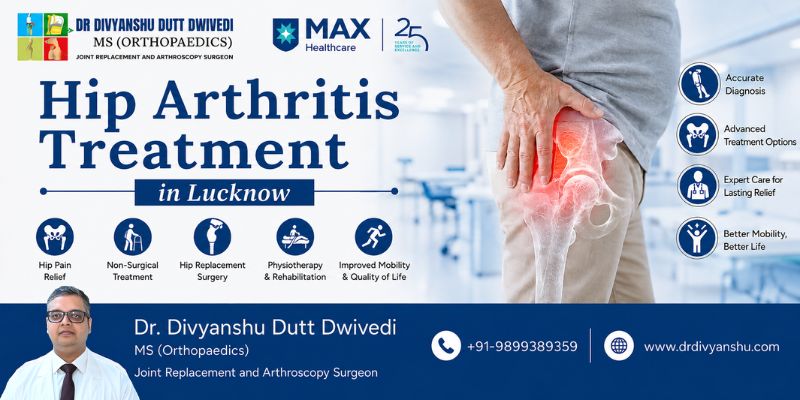
Hip arthritis is one of the leading causes of chronic hip pain, stiffness, and reduced mobility among adults. If left untreated, it can gradually affect daily activities such as walking, climbing stairs, sitting, and even sleeping comfortably. Finding the right specialist at the early stage can help slow disease progression and improve your quality of life. If you are looking for the best hip arthritis treatment in Lucknow, Dr. Divyanshu Dutt Dwivedi provides evidence-based care tailored to every patient’s condition. From accurate diagnosis and conservative treatment to advanced hip replacement surgery, every treatment plan focuses on relieving pain, restoring movement, and helping patients return to an active lifestyle.
Meet Dr. Divyanshu Dutt Dwivedi—Trusted Hip Arthritis Treatment Specialist in Lucknow.
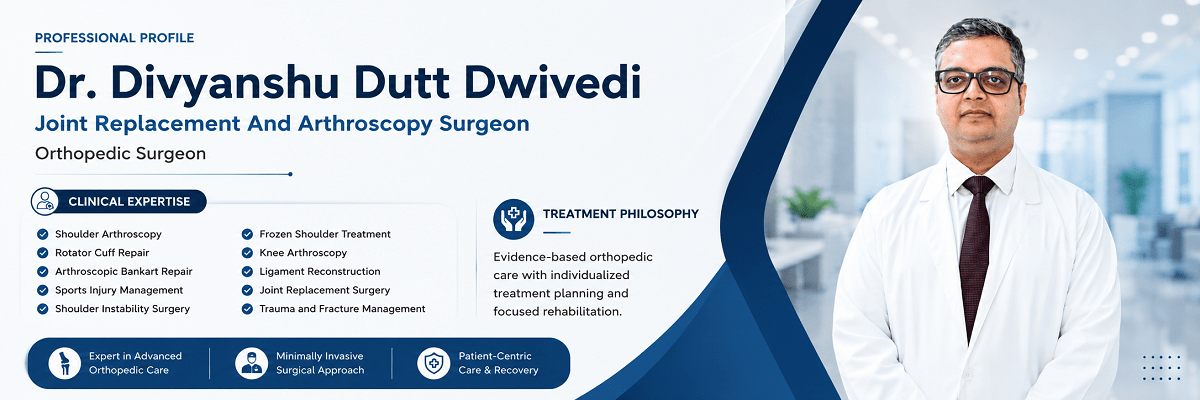
If you are searching for a trusted hip arthritis treatment specialist in Lucknow, Dr. Divyanshu Dutt Dwivedi offers advanced, evidence-based care for patients suffering from hip arthritis, chronic hip pain, and joint degeneration. As an internationally fellowship-trained orthopedic, joint replacement, and sports injury surgeon, he focuses on accurate diagnosis, personalized treatment plans, and long-term joint preservation. Whether you require conservative management or advanced hip replacement surgery, every treatment is tailored to restore mobility, relieve pain, and improve your quality of life. Patients across Lucknow trust his expertise for comprehensive orthopedic care delivered at Max Super Specialty Hospital, Lucknow.
Clinical Expertise
- Advanced Hip Arthritis Treatment
- Hip Pain Diagnosis and Management
- Non-Surgical Hip Arthritis Care
- Total Hip Replacement Surgery
- Robotic Hip Replacement Surgery
- Revision hip replacement
- Sports Injury and Hip Preservation Surgery
- Complex Trauma and Joint Reconstruction
What is hip arthritis?
Hip arthritis is a condition in which the cartilage protecting the hip joint gradually wears away, causing the bones to rub against each other. This leads to pain, inflammation, stiffness, and difficulty in movement. The hip joint is a ball-and-socket joint formed by the femoral head and the acetabulum, and healthy cartilage allows smooth movement without discomfort. As arthritis progresses, the joint space narrows, bone spurs may develop, and mobility becomes increasingly limited. Seeking hip arthritis treatment in Lucknow at an early stage helps reduce pain, preserve joint function, and delay or prevent the need for surgery. An experienced hip arthritis specialist in Lucknow can identify the underlying cause and recommend the most appropriate treatment plan.
Common Symptoms of Hip Arthritis
The symptoms of hip arthritis often develop gradually and may become more noticeable over time. Early diagnosis by a hip arthritis specialist in Lucknow can prevent further joint damage and improve long-term outcomes. Patients should never ignore persistent hip discomfort, especially if it affects routine activities or walking.
Common symptoms include:
| Cause | How It Affects the Hip Joint |
| Age-related cartilage wear | Gradual loss of joint cushioning |
| Osteoarthritis | Progressive cartilage degeneration |
| Rheumatoid arthritis | Autoimmune inflammation of the joint |
| Previous hip injury | Accelerates cartilage damage |
| Hip dysplasia | Abnormal joint structure causing early wear |
| Obesity | Increases pressure on the hip joint |
| Avascular necrosis | Loss of blood supply to the femoral head |
| Genetic factors | Family history increases risk |
Identifying the exact cause allows your orthopaedic specialist to recommend the most suitable treatment, whether non-surgical or surgical.
Risk Factors for Developing Hip Arthritis
Although anyone can develop hip arthritis, certain factors significantly increase the likelihood of the condition. Recognizing these risks allows people to take preventive steps and seek medical advice before permanent joint damage occurs. Patients experiencing persistent hip pain with one or more of these risk factors should consider consulting a hip pain specialist in Lucknow for an early evaluation.
Important risk factors include:
- Age above 50 years
- Family history of arthritis
- Excess body weight
- Previous hip fracture or injury
- Repetitive stress on the hip joint
- Sedentary lifestyle
- Autoimmune disorders
- Congenital hip abnormalities
- Osteoporosis
- Poor muscle strength around the hip
Early assessment can help reduce pain, improve mobility, and slow the progression of arthritis with timely Hip Joint Pain Treatment in Lucknow.
Types of Hip Arthritis
Different forms of arthritis affect the hip joint in different ways. A correct diagnosis is essential because treatment depends on the specific type of arthritis. A qualified hip arthritis doctor in Lucknow will evaluate your symptoms, medical history, physical examination, and imaging results before planning treatment.
The most common types include:
Osteoarthritis
The most common form of arthritis is caused by gradual cartilage wear due to aging and joint degeneration.
Rheumatoid Arthritis
An autoimmune disease where the immune system attacks the joint lining, causing pain, swelling, and stiffness.
Post-Traumatic Arthritis
Develops after a previous fracture, dislocation, or serious injury to the hip joint.
Avascular Necrosis
Occurs when the blood supply to the femoral head is interrupted, resulting in bone damage and arthritis.
Inflammatory Arthritis
Includes conditions such as ankylosing spondylitis and psoriatic arthritis that lead to chronic joint inflammation.
Each condition requires a personalized treatment approach, making an accurate diagnosis essential for long-term joint preservation.
Stages of Hip Arthritis
Hip arthritis develops gradually over time. Recognizing its stage helps determine whether conservative treatment or surgery is the best option. An experienced hip arthritis specialist in Lucknow will assess clinical symptoms and imaging findings before recommending the most effective treatment plan.
Stage 1 – Early Arthritis
Minor cartilage wear with occasional pain after physical activity. Most patients respond well to lifestyle changes, medication, and physiotherapy.
Stage 2 – Mild Arthritis
Cartilage begins to thin, causing stiffness, discomfort, and reduced flexibility during routine movements.
Stage 3 – Moderate Arthritis
Noticeable cartilage loss leads to persistent pain, limited mobility, and difficulty walking. Daily activities become increasingly challenging.
Stage 4 – Advanced Arthritis
Severe cartilage damage causes bone-on-bone contact, intense pain, deformity, and major movement restriction. At this stage, hip replacement surgery in Lucknow may provide the most effective long-term relief.
How is hip arthritis diagnosed?
An accurate diagnosis is the foundation of successful hip arthritis treatment in Lucknow. Many hip conditions, including muscle injuries, bursitis, spinal disorders, and arthritis, can produce similar symptoms. A thorough evaluation helps identify the exact cause of pain and ensures that the treatment plan is tailored to the patient’s condition. During your consultation, Dr. Divyanshu Dutt Dwivedi will review your medical history, discuss your symptoms, assess your walking pattern, and perform a detailed physical examination. Based on the findings, additional imaging or laboratory tests may be recommended to confirm the diagnosis and determine the severity of joint damage.
Diagnostic Methods
| Investigation | Purpose |
| Physical Examination | Evaluates pain, joint movement, stiffness, and walking pattern |
| Digital X-ray | Detects cartilage loss, bone spurs, and joint space narrowing |
| MRI Scan | Identifies cartilage, labrum, and soft tissue injuries |
| CT Scan | Provides detailed bone assessment for complex cases |
| Blood Tests | Helps diagnose rheumatoid arthritis or infection |
| Ultrasound | Detects fluid collection and inflammation around the hip |
Early diagnosis improves treatment outcomes and may delay or even prevent the need for surgery.
When Should You See a Hip Arthritis Specialist in Lucknow?
Many people ignore hip pain until it begins affecting their daily routine. However, persistent discomfort should never be considered a normal part of aging. Consulting a hip arthritis specialist in Lucknow at the right time allows early intervention, better pain control, and preservation of the natural joint. Delaying treatment can lead to progressive cartilage damage and reduced mobility, making recovery more difficult. If your symptoms continue despite rest or pain medication, it is advisable to seek expert orthopedic care before the condition worsens.
You should consult a specialist if you experience:
- Hip pain lasting longer than two weeks
- Pain while walking, standing, or climbing stairs
- Morning stiffness that persists for more than 30 minutes
- Difficulty sitting cross-legged or bending
- Pain radiating to the groin, thigh, or knee
- Limping or noticeable changes in your walking pattern
- Hip swelling or joint tenderness
- Reduced range of motion
- Difficulty performing daily activities
- Pain that interrupts your sleep
Prompt evaluation can significantly improve the effectiveness of hip joint arthritis treatment and reduce the risk of permanent joint damage.
Non-Surgical Hip Arthritis Treatment in Lucknow
Not every patient with hip arthritis requires surgery. In the early and moderate stages, conservative treatment can effectively reduce pain, improve joint function, and slow disease progression. The primary goal is to relieve symptoms while preserving the natural hip joint for as long as possible. A personalized treatment plan depends on factors such as age, activity level, arthritis severity, and overall health. Dr. Divyanshu Dutt Dwivedi focuses on evidence-based, patient-centered care to help individuals regain mobility and return to their normal lifestyle.
Non-surgical treatment options include the following:
- Anti-inflammatory medications
- Pain-relieving medicines
- Structured physiotherapy
- Weight management programs
- Activity modification
- Walking aids when required
- Joint-strengthening exercises
- Image-guided injections
- Heat and cold therapy
- Lifestyle counseling
Regular follow-up and adherence to the treatment plan often help patients delay or avoid surgery while maintaining an active and independent life.
Medications for Hip Arthritis Pain Relief
Medications are commonly prescribed to reduce pain, inflammation, and stiffness associated with hip arthritis. They are most effective when combined with physiotherapy, exercise, and healthy lifestyle habits rather than being used as the sole treatment. Self-medication should be avoided because prolonged use of painkillers may lead to unwanted side effects. An orthopedic specialist will recommend the safest and most appropriate medication based on your symptoms and overall medical condition.
Commonly prescribed medicines include:
- Non-steroidal anti-inflammatory drugs (NSAIDs)
- Paracetamol for mild pain
- Muscle relaxants for muscle spasms
- Topical anti-inflammatory gels
- Vitamin D and calcium supplements when indicated
- Disease-modifying medicines for inflammatory arthritis
- Short-term pain management under medical supervision
Proper medical guidance ensures effective symptom relief while minimizing potential risks associated with long-term medication use.
Physiotherapy for Hip Joint Arthritis Treatment
Physiotherapy plays an important role in improving mobility and reducing pain in patients with hip arthritis. A structured rehabilitation program strengthens the muscles surrounding the hip, enhances flexibility, and improves balance, making daily activities easier. It also helps reduce stress on the damaged joint and supports long-term joint function. A qualified physiotherapist will design an exercise program based on the stage of arthritis and the patient’s physical abilities.
Benefits of physiotherapy include:
- Improved hip flexibility
- Increased muscle strength
- Better balance and coordination
- Reduced joint stiffness
- Improved walking pattern
- Enhanced joint stability
- Reduced dependence on pain medication
- Faster recovery after treatment
- Better quality of life
Consistent physiotherapy, combined with medical treatment, often leads to significant improvements in mobility and overall joint health.
Injection Therapy for Hip Arthritis
For patients whose symptoms do not improve with medication and physiotherapy alone, image-guided injection therapy may provide temporary pain relief. These injections are carefully administered into the hip joint under sterile conditions to reduce inflammation and improve mobility. They are usually recommended after a thorough clinical evaluation and are selected according to the patient’s condition. While injections can effectively relieve symptoms, they are part of a comprehensive treatment plan and should not replace lifestyle modifications or rehabilitation.
Common injection options include:
- Corticosteroid injections to reduce inflammation
- Platelet-Rich Plasma (PRP) therapy in selected patients
- Image-guided hip joint injections for improved accuracy
The suitability of these treatments depends on the stage of arthritis, overall health, and individual treatment goals.
Lifestyle Changes That Help Manage Hip Arthritis
Simple lifestyle modifications can significantly reduce joint stress and improve treatment outcomes. Healthy habits not only relieve symptoms but also slow the progression of arthritis and support long-term mobility. Patients who combine medical treatment with positive lifestyle changes often experience better pain relief and improved function. Your orthopedic specialist can guide you in developing sustainable habits that protect your hip joints.
Helpful lifestyle changes include:
- Maintain a healthy body weight
- Stay physically active with low-impact exercises
- Avoid prolonged sitting.
- Wear supportive footwear
- Use proper posture while sitting and standing
- Avoid lifting heavy weights unnecessarily.
- Quit smoking
- Manage diabetes and other chronic conditions
- Follow a balanced diet rich in nutrients
- Attend regular medical follow-up appointments
These measures work alongside hip arthritis treatment in Lucknow to improve mobility, reduce discomfort, and maintain an active lifestyle.
Best Exercises for Hip Arthritis
Exercise is an essential part of managing hip arthritis because it helps maintain joint movement, strengthen surrounding muscles, and reduce stiffness. However, exercises should be performed under professional guidance to avoid placing excessive stress on the affected joint. Gentle, low-impact activities are generally recommended for most patients and should be tailored to their individual condition and fitness level.
Recommended exercises include:
- Hip range-of-motion exercises
- Straight leg raises
- Glute strengthening exercises
- Stationary cycling
- Swimming and water therapy
- Gentle stretching exercises
- Walking on level surfaces
- Core strengthening exercises
- Balance training
- Chair-assisted strengthening exercises
Performing these exercises regularly can improve flexibility, reduce pain, and enhance overall hip function while supporting long-term joint health.
Diet and Nutrition for Healthy Hip Joints
A balanced diet supports overall joint health and complements hip joint pain treatment in Lucknow. While food alone cannot cure arthritis, proper nutrition helps maintain a healthy body weight, reduce inflammation, and support bone strength. Including nutrient-rich foods in your daily diet can improve recovery and contribute to better mobility over time. Drinking adequate water and limiting processed foods also plays an important role in maintaining healthy joints.
Foods that support joint health include:
- Green leafy vegetables
- Fresh fruits rich in antioxidants
- Fatty fish containing omega-3 fatty acids
- Nuts and seeds
- Low-fat dairy products
- Whole grains
- Lentils and legumes
- Calcium-rich foods
- Vitamin D-rich foods
- Adequate daily water intake
A healthy diet, combined with regular exercise and expert medical care, can help improve symptoms and support long-term joint function.
Advanced Surgical Hip Arthritis Treatment in Lucknow
When hip arthritis reaches an advanced stage and conservative treatments no longer provide lasting relief, surgery may become the most effective solution. Patients with severe cartilage damage, persistent pain, and significant movement restrictions often benefit from surgical intervention. The primary goal is to relieve pain, restore joint function, and improve quality of life. Dr. Divyanshu Dutt Dwivedi carefully evaluates each patient before recommending surgery, ensuring that the chosen procedure matches the severity of arthritis, age, lifestyle, and overall health. Modern surgical techniques focus on precision, faster recovery, and long-term implant performance, allowing patients to return to their daily activities with greater confidence.
Surgical Options for Hip Joint Arthritis Treatment
Not every patient requires the same surgical procedure. The choice depends on the extent of joint damage, bone quality, activity level, and medical history. Modern orthopedic surgery offers several treatment options designed to preserve function and provide long-lasting pain relief. An experienced hip arthritis surgeon in Lucknow will explain the benefits and expected outcomes of each procedure before recommending the most appropriate treatment.
Common surgical options include:
- Total Hip Replacement
- Robotic Hip Replacement
- Revision hip replacement
- Hip Joint Reconstruction
- Surgery for Avascular Necrosis
- Fracture Reconstruction with Arthritis Management
The right surgical approach helps patients regain mobility, reduce pain, and improve their overall quality of life.
Total Hip Replacement Surgery
Total hip replacement surgery is considered one of the most successful procedures for advanced hip arthritis. During the surgery, the damaged ball-and-socket joint is replaced with high-quality artificial implants that restore smooth movement and relieve pain. The procedure is recommended for patients experiencing severe pain, stiffness, sleep disturbances, and difficulty performing daily activities despite prolonged conservative treatment. With modern implants and improved surgical techniques, most patients experience excellent pain relief, improved walking ability, and long-term joint function. Early rehabilitation and guided physiotherapy further contribute to faster recovery and better long-term outcomes after surgery.
Robotic Hip Replacement Surgery
Robotic hip replacement surgery represents a significant advancement in modern orthopedics by improving surgical planning and implant positioning. Using advanced computer-assisted technology, surgeons can achieve greater precision while preserving healthy bone and surrounding soft tissues. Better implant alignment may contribute to improved joint function, enhanced stability, and long-term implant durability in appropriately selected patients. Dr. Divyanshu Dutt Dwivedi stays updated with the latest evidence-based surgical techniques to provide advanced treatment options for eligible individuals seeking hip arthritis treatment in Lucknow.
Benefits of Robotic Hip Replacement
- Improved implant positioning
- Greater surgical precision
- Better joint alignment
- Reduced soft tissue damage
- Less post-operative pain
- Faster rehabilitation
- Improved joint function
- Enhanced implant longevity
- Earlier return to daily activities
- Better patient satisfaction
Recovery After Hip Replacement Surgery
Recovery after hip replacement is a gradual process that combines medical care, physiotherapy, and patient commitment. Most patients begin standing and walking with assistance within one or two days after surgery, depending on their overall health and recovery progress. Following the rehabilitation program and maintaining regular follow-up appointments are essential for achieving the best possible outcome. Every patient’s recovery timeline is different, but most experience steady improvements over the following weeks and months.
General Recovery Timeline
| Recovery Stage | Expected Progress |
| 1–2 Days | Standing and assisted walking |
| 2–6 Weeks | Improved walking and daily activities |
| 6–12 Weeks | Better strength and mobility |
| 3–6 Months | Return to most routine activities |
| 6–12 Months | Continued improvement and maximum recovery |
Following medical advice, physiotherapy, and home exercises helps ensure a smooth and successful recovery.
Can Hip Arthritis Be Prevented?
Although not every case of hip arthritis can be prevented, adopting healthy habits can significantly reduce the risk of developing severe joint damage. Protecting your hip joints throughout life helps maintain mobility and may delay the progression of arthritis. Preventive measures are particularly important for individuals with a family history of arthritis, obesity, previous hip injuries, or physically demanding occupations. Small lifestyle changes today can contribute to healthier joints in the future.
Tips to Protect Your Hip Joints
- Maintain a healthy body weight
- Exercise regularly
- Strengthen hip and core muscles
- Avoid repetitive joint strain
- Treat hip injuries promptly
- Eat a balanced diet
- Maintain proper posture
- Wear supportive footwear
- Control diabetes and osteoporosis
- Schedule regular orthopedic evaluations if symptoms develop
Preventive care plays an important role in maintaining long-term joint health and reducing the likelihood of advanced arthritis.
Why Choose Dr. Divyanshu Dutt Dwivedi for Hip Arthritis Treatment in Lucknow?
Choosing the right orthopedic surgeon is one of the most important decisions for patients living with hip arthritis. Dr. Divyanshu Dutt Dwivedi is an internationally fellowship-trained orthopedic, joint replacement, and sports injury surgeon with extensive experience in diagnosing and managing complex hip disorders. His patient-focused approach combines accurate diagnosis, evidence-based treatment, modern surgical techniques, and comprehensive rehabilitation to deliver the best possible outcomes. Every treatment plan is customized according to the patient’s lifestyle, expectations, and severity of arthritis, ensuring safe, effective, and long-term joint care.
Why Patients Trust Dr. Divyanshu Dutt Dwivedi
- International fellowship-trained orthopedic surgeon
- Expertise in joint replacement and sports injuries
- Advanced hip replacement techniques
- Patient-centered treatment planning
- Comprehensive non-surgical and surgical care
- Evidence-based clinical approach
- Focus on faster recovery and rehabilitation
- Treatment at Max Super Specialty Hospital, Lucknow
- Commitment to personalized patient care
- Trusted by thousands of patients for advanced orthopedic treatment
Hip Arthritis Treatment Cost in Lucknow
The cost of hip arthritis treatment in Lucknow varies depending on the severity of arthritis, diagnostic investigations, treatment method, hospital stay, implant selection, and rehabilitation requirements. Patients with early-stage arthritis often require only medications, physiotherapy, and lifestyle modification, while advanced arthritis may require hip replacement surgery. During your consultation, a detailed clinical evaluation helps determine the most appropriate treatment plan and provides a transparent estimate of the expected expenses. Discussing treatment options with an experienced specialist allows patients to make informed decisions based on their medical needs and recovery goals.
Book Your Consultation for Hip Arthritis Treatment in Lucknow
Looking for the best hip arthritis treatment in Lucknow? Consult Dr. Divyanshu Dutt Dwivedi, an experienced hip arthritis specialist in Lucknow, for accurate diagnosis and personalized treatment. Whether you need non-surgical care, advanced pain management, or hip replacement surgery, receive comprehensive treatment designed to restore mobility and improve your quality of life. Early consultation can help prevent further joint damage and achieve better long-term outcomes. Book your appointment today at Max Super Specialty Hospital, Lucknow, and receive expert hip joint arthritis treatment from a trusted orthopedic surgeon. Call +919899389359 to schedule your consultation today.
FAQs About Hip Arthritis Treatment in Lucknow
- What is the best treatment for hip arthritis?
The best treatment depends on the stage of arthritis. Early cases often improve with medication, physiotherapy, weight management, and lifestyle changes, while advanced arthritis may require hip replacement surgery.
- Who provides the best hip arthritis treatment in Lucknow?
An experienced orthopedic surgeon with expertise in hip disorders and joint replacement can provide comprehensive diagnosis, conservative treatment, and advanced surgical care tailored to each patient.
- Can hip arthritis be treated without surgery?
Yes. Many patients achieve good pain relief through medication, physiotherapy, exercise, weight management, and image-guided injections before surgery becomes necessary.
- What are the first signs of hip arthritis?
Early symptoms include groin pain, hip stiffness, reduced flexibility, discomfort while walking, and difficulty climbing stairs or standing after prolonged sitting.
- Is walking good for hip arthritis?
Yes. Gentle walking on even surfaces can help maintain joint mobility, improve muscle strength, and reduce stiffness when performed within comfortable limits.
- When is hip replacement surgery recommended?
Hip replacement is usually recommended when severe pain, stiffness, and reduced mobility continue despite appropriate non-surgical treatment and significantly affect daily life.
- How long does recovery take after hip replacement?
Most patients resume many routine activities within six to twelve weeks, while complete recovery and maximum improvement may continue for up to one year.
- Is robotic hip replacement better than conventional surgery?
Robotic technology improves surgical planning and implant positioning, which may enhance precision and joint alignment in appropriately selected patients.
- Can young adults develop hip arthritis?
Yes. Hip arthritis may develop in younger individuals because of previous injuries, hip dysplasia, inflammatory arthritis, or avascular necrosis.
- Which exercises are safe for hip arthritis?
Low-impact exercises such as walking, swimming, cycling, stretching, and strengthening exercises are generally recommended under professional guidance.
- Does weight affect hip arthritis?
Yes. Excess body weight places additional pressure on the hip joint, increasing pain and accelerating cartilage wear. Maintaining a healthy weight helps reduce symptoms.
- Which doctor should I consult for hip arthritis?
You should consult an experienced orthopedic surgeon or hip arthritis specialist in Lucknow for proper diagnosis and personalized treatment.
- Can hip arthritis cause knee pain?
Yes. Pain from the hip joint may radiate to the thigh or knee, which is why a detailed orthopedic evaluation is important.
- Is physiotherapy necessary after hip replacement?
Yes. Physiotherapy improves muscle strength, restores mobility, enhances balance, and supports a faster and safer recovery after surgery.
- How do I book an appointment with Dr. Divyanshu Dutt Dwivedi?
You can schedule your consultation by calling +91-9899389359 to receive expert evaluation and personalized hip arthritis treatment in Lucknow.
