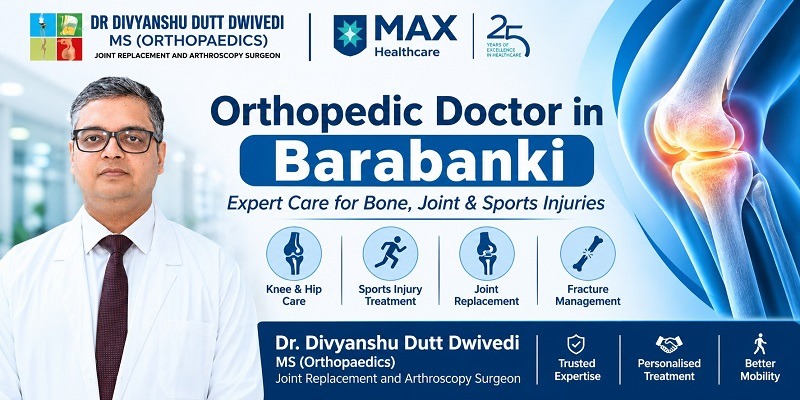
Bone, joint, and muscle conditions can affect everyday activities such as walking, climbing stairs, and working. Persistent knee pain, back pain, joint stiffness, fractures, and sports injuries require proper medical evaluation. Consulting an experienced orthopedic doctor in Barabanki helps identify the underlying condition, understand available treatment options, and determine whether medication, physiotherapy, or surgical intervention is appropriate.
Dr. Divyanshu Dutt Dwivedi is an internationally fellowship-trained orthopedic and joint replacement surgeon with over 20 years of experience. His clinical expertise includes knee and hip replacement, joint disorders, fracture management, and sports injury treatment. Patients from Barabanki can seek specialized orthopedic consultation for accurate diagnosis, personalized treatment planning, and guidance towards improved mobility and joint health.
Why Should You Consult an Orthopedic Doctor in Barabanki?
An orthopedic doctor in Barabanki diagnoses and treats conditions affecting bones, joints, muscles, ligaments, and tendons. Problems such as knee pain, back pain, joint stiffness, fractures, and sports injuries may develop due to aging, accidents, or physical strain. Consulting an orthopedic specialist helps identify the cause of symptoms and understand suitable treatment options before the condition affects daily activities and mobility.
Early consultation is important when pain, swelling, or restricted movement makes walking, working, or climbing stairs difficult. Depending on the diagnosis, an orthopedic doctor may recommend medication, physiotherapy, lifestyle changes, or surgery. Treatment is planned according to the patient’s condition, medical history, overall health, and recovery needs, helping support better movement and long-term joint health.
What Conditions Does an Orthopedic Surgeon Treat?
An orthopedic surgeon in Barabanki assesses conditions affecting bones, joints, muscles, ligaments, and tendons. These may include knee osteoarthritis, hip pain, shoulder stiffness, fractures, back problems, and ankle or foot disorders. Treatment depends on the cause, severity, medical history, and impact on movement. Early assessment helps identify the problem and guide appropriate care in children, adults, and older people alike.
Common conditions include knee pain, joint stiffness, hip disorders, frozen shoulder, fractures, ACL injuries, meniscus tears, sports-related ligament injuries, tendon problems, and selected spine conditions. Some problems improve with medication, activity changes, and physiotherapy, while others may need surgery. A clinical examination and appropriate imaging help the specialist recommend a treatment plan suited to each patient when clinically appropriate too.
When Should You Visit the Best Orthopedic Specialist in Barabanki?
Consult the best orthopedic specialist in Barabanki if persistent or recurring pain affects your daily activities, walking, standing, or sleep. Symptoms such as joint swelling, tenderness, stiffness, restricted movement, and repeated ankle sprains or joint instability should not be ignored. Early orthopedic evaluation helps identify the underlying problem and determine whether medication, physiotherapy, rehabilitation, or other treatment is needed for better mobility and recovery.
Seek immediate medical attention after an accident or sports injury if you experience severe pain, difficulty moving, or inability to bear weight. Visible deformity, suspected fractures, open wounds, or sudden loss of limb function require urgent assessment. Avoid self-treatment or attempting to straighten an injured limb. Visit the nearest emergency department promptly to receive appropriate medical care and prevent further complications.
Knee Pain Treatment and Knee Specialist in Barabanki
Knee pain is a common orthopedic complaint among older adults, working professionals, and physically active individuals. It may develop because of osteoarthritis, ligament injuries, meniscus tears, overuse, or previous trauma. Patients searching for a knee specialist in Barabanki should look for a doctor who can evaluate the cause rather than simply recommend pain medication. Diagnosis may involve physical examination and imaging when necessary. Depending on the findings, treatment can include activity modification, medication, supervised exercises, physiotherapy, or surgical procedures. Patients with advanced joint damage may be evaluated for knee replacement. Early assessment can help patients understand their condition, maintain mobility, and make informed decisions about long-term joint health.
Knee Replacement Surgery: When Is It Required?
Knee replacement is a surgical procedure in which damaged joint surfaces are replaced with artificial components to reduce pain and improve joint function. It is commonly considered for patients with advanced osteoarthritis or severe joint damage when other suitable treatments no longer provide sufficient relief. A knee replacement surgeon in Barabanki should assess symptoms, medical history, mobility, X-rays, and overall health before recommending surgery. Not every patient with knee pain requires a joint replacement. The decision depends on the severity of damage and its effect on daily life. Recovery generally involves wound care, rehabilitation, walking exercises, and gradual improvement in movement under professional guidance.
Hip Pain and Hip Replacement Treatment
The hip joint supports body weight and plays an important role in walking, standing, and maintaining balance. Hip pain may result from osteoarthritis, injuries, inflammation, fractures, or other joint conditions. Patients may notice discomfort in the groin, thigh, or outer hip, along with stiffness and difficulty walking. A hip replacement surgeon in Barabanki search often comes from people experiencing persistent pain that interferes with daily activities. Hip replacement may be considered when significant joint damage causes ongoing symptoms and conservative treatment is insufficient. A specialist evaluates the joint condition through clinical examination and appropriate imaging before discussing treatment options. Rehabilitation is an important part of recovery following surgery.
Fracture Treatment and Bone Specialist in Barabanki
A fracture occurs when a bone breaks partially or completely, usually following an accident, fall, direct impact, or certain medical conditions that weaken bone strength. Fractures can affect the wrist, arm, leg, ankle, hip, and other parts of the body. Patients searching for a bone specialist in Barabanki should seek timely evaluation after a suspected fracture. Treatment depends on the location, type, and stability of the break. Some fractures can be managed with casts, splints, or braces, while others may require surgical fixation using plates, screws, or rods. Severe injuries, open fractures, visible deformities, and loss of sensation require urgent medical attention.
Sports Injury Treatment and Ligament Reconstruction
Sports injuries can affect athletes, fitness enthusiasts, and people participating in everyday physical activities. Sudden twisting movements, falls, collisions, and excessive training may damage ligaments, tendons, cartilage, and muscles. Common injuries include ACL tears, meniscus injuries, ankle sprains, and shoulder problems. A sports injury doctor in Barabanki can evaluate the injury, identify its severity, and recommend suitable treatment. Initial management may involve rest, protection of the injured area, and supervised rehabilitation. Some serious ligament injuries may require arthroscopic procedures or reconstruction. Treatment decisions depend on joint stability, activity requirements, injury severity, and the patient’s overall health. Proper rehabilitation helps restore strength, movement, and coordination.
ACL Injury and Meniscus Tear Treatment
The anterior cruciate ligament (ACL) helps maintain stability in the knee, particularly during sudden changes in direction. An ACL injury may cause swelling, pain, instability, and difficulty returning to sports. The meniscus is a cartilage structure that cushions the knee joint and helps distribute weight. A meniscus tear may cause pain, swelling, clicking, or restricted movement. Patients looking for an orthopedic specialist in Barabanki for these problems should undergo a proper knee examination. MRI may be recommended when clinically necessary. Some injuries improve with structured rehabilitation, while selected cases may require arthroscopic surgery, ACL reconstruction, or meniscus repair based on the tear pattern and functional requirements.
Shoulder Pain and Frozen Shoulder Treatment
Shoulder pain can make everyday activities such as dressing, reaching overhead, lifting objects, and sleeping uncomfortable. Common causes include rotator cuff injuries, shoulder stiffness, frozen shoulder, tendon inflammation, and joint degeneration. A frozen shoulder generally develops through gradual pain and restricted movement, making it difficult to rotate or lift the arm normally. A shoulder specialist in Barabanki can assess shoulder movement, strength, and the possible cause of discomfort. Treatment may include medication, activity modification, guided exercises, and physiotherapy. Certain structural injuries may require surgical treatment. Early evaluation is useful when shoulder pain persists, movement becomes increasingly restricted or symptoms begin affecting normal daily activities.
Back Pain and Spine-Related Problems
Back pain can develop because of muscle strain, poor posture, disc-related problems, age-related changes, or other spinal conditions. Some people experience local discomfort, while others may have pain that travels into the legs. Tingling, numbness, or weakness may indicate nerve involvement and should be medically evaluated. An orthopedic doctor in Barabanki can help assess musculoskeletal causes of back pain and determine whether further investigation is required. Treatment may include posture correction, appropriate medication, activity modification, and supervised exercises. MRI or other imaging may be recommended when symptoms and examination findings justify it. Sudden severe back pain with bladder or bowel control problems requires emergency medical attention.
Arthritis Treatment and Joint Pain Management
Arthritis refers to conditions that cause inflammation, pain, or damage in one or more joints. Osteoarthritis is particularly common with increasing age and involves gradual changes in joint cartilage and surrounding structures. Patients may experience pain, stiffness, swelling, and reduced movement, especially after periods of inactivity. Consulting an orthopedic specialist in Barabanki can help identify the type and severity of joint disease. Management may involve weight control, exercise, medication, physiotherapy, and other suitable interventions. Advanced osteoarthritis may require consideration of joint replacement in selected patients. Treatment should be based on an accurate diagnosis rather than assuming that every joint pain problem is arthritis.
What Is Arthroscopy and When Is It Recommended?
Arthroscopy is a minimally invasive surgical technique used to examine and treat certain joint problems. During the procedure, a surgeon uses a small camera and specialized instruments inserted through small incisions. It is commonly used for selected knee and shoulder conditions, including certain ligament, meniscus, and cartilage injuries. An arthroscopy surgeon in Barabanki should evaluate whether the procedure is appropriate for the specific injury. Arthroscopy is not necessary for every joint problem, and not all patients benefit from surgery. The decision depends on clinical examination, imaging findings, symptoms, and functional requirements. Recovery varies according to the procedure performed and the rehabilitation plan.
Non-Surgical Orthopedic Treatment Options
Surgery is not the first treatment for every orthopedic condition. Many patients can improve with suitable non-surgical care, depending on the diagnosis and severity of the problem. A specialist may recommend a combination of treatments to reduce discomfort and improve movement.
Common non-surgical approaches include:
- Medication prescribed according to the condition.
- Physiotherapy and supervised strengthening exercises.
- Activity modification and joint protection.
- Weight management to reduce unnecessary joint stress.
- Appropriate rehabilitation following an injury.
- Supportive devices when clinically indicated.
Patients should avoid prolonged self-medication or unverified treatment methods. An orthopedic doctor can explain the benefits, limitations, and possible risks of available options and help determine when additional investigations or surgical evaluation may be necessary.
How Does an Orthopedic Doctor Diagnose Bone and Joint Problems?
Accurate diagnosis is an important step in selecting appropriate orthopedic treatment. During the first consultation, the doctor generally asks about the patient’s symptoms, previous injuries, medical history, physical activity, and any treatment already received. The examination may include checking joint movement, muscle strength, swelling, tenderness, and stability. Depending on the suspected condition, additional investigations may be recommended.
| Diagnostic test | Purpose |
| X-ray | Evaluates fractures, bone alignment and certain joint changes |
| MRI | Examines ligaments, cartilage, muscles and other soft tissues |
| CT scan | Provides detailed images of complex bone structures |
| Blood tests | Helps investigate selected inflammatory or other medical conditions |
| Physical examination | Assesses movement, strength, tenderness and joint function |
Not every patient requires every test. Investigations should be selected according to clinical findings.
How to Choose the Right Orthopedic Surgeon in Barabanki?
Choosing the right orthopedic surgeon involves more than comparing online listings or appointment availability. Check the doctor’s qualifications, clinical experience, area of specialization, and hospital affiliation. For conditions such as advanced arthritis, ligament injuries, or complex fractures, relevant treatment experience is important. The best orthopedic surgeon in Barabanki should have expertise suited to your specific orthopedic condition and treatment needs.
Patients should also consider how clearly the surgeon explains the diagnosis, treatment options, potential risks, and expected recovery time. Check whether non-surgical treatments are discussed before surgery. Hospital facilities, emergency support, diagnostic services, and physiotherapy arrangements also matter. A well-informed decision helps patients choose appropriate care and plan their treatment and recovery with confidence.
Why Doctor Qualifications and Experience Matter in Orthopedic Care
Orthopedic treatment may involve medication, rehabilitation, fracture management, or complex surgical procedures. The doctor’s education and relevant clinical training help establish the foundation for evaluating these conditions. Additional fellowships may provide focused training in areas such as joint replacement, arthroscopy, sports medicine, and revision surgery. When choosing an orthopedic doctor in Barabanki, patients should verify professional qualifications, medical registration, and experience relevant to their particular problem. It is equally important to understand the available treatment choices, possible complications, and expected recovery requirements. A responsible specialist explains the reasons for recommending a procedure and does not promise guaranteed results or suggest unnecessary surgery.
investigations.
Orthopedic Consultation for Patients from Barabanki
Patients seeking an experienced orthopedic doctor in Barabanki can explore specialized consultation options with Dr. Divyanshu Dutt Dwivedi in Lucknow. His areas of expertise include joint replacement, arthroscopy, sports injuries, ligament reconstruction, shoulder surgery, and complex orthopedic conditions. Patients can seek guidance for diagnosis, treatment planning, and appropriate management of bone and joint problems.
Before planning a consultation, patients travelling from Barabanki should confirm appointment availability, consultation timings, and travel arrangements. Carrying previous X-rays, MRI scans, prescriptions, and medical records can help the doctor understand the medical history and assess the condition more effectively. This preparation also supports informed treatment decisions and helps avoid unnecessary repetition of investigations.
What Should You Carry to Your Orthopedic Consultation?
Preparing for an orthopedic appointment can make the consultation more useful. Patients should bring documents and information that help the doctor understand their symptoms and previous treatment. This is particularly helpful for people who have already visited another hospital or undergone diagnostic investigations.
Before visiting, consider carrying:
- Previous X-rays, MRI scans, and other investigation reports.
- Current and previous medication prescriptions.
- Details of previous surgeries or major injuries.
- A list of ongoing medical conditions and allergies.
- Information about when the pain started and what makes it worse.
- Details of previous physiotherapy or other treatments.
If you have difficulty walking, consider arranging assistance for travel. Share your concerns openly so that the doctor can evaluate your condition properly.
How Much Does an Orthopedic Doctor Consultation Cost in Barabanki?
The orthopedic doctor consultation cost in Barabanki may vary depending on the doctor’s qualifications, experience, clinic or hospital, and type of consultation. Additional expenses may include X-rays, diagnostic tests, medicines, and physiotherapy. Patients should confirm the consultation fee and any additional charges directly with the hospital or clinic before scheduling an appointment.
The cost of orthopedic surgery depends on the medical condition, procedure, implant requirements, hospital facilities, and length of admission. Before choosing treatment, patients should request a clear cost estimate and understand what it includes. Discussing possible additional expenses, treatment options, and expected recovery time helps patients make informed decisions without compromising the quality of medical care.
Meet Dr. Divyanshu Dutt Dwivedi—Trusted Orthopedic Doctor in Barabanki
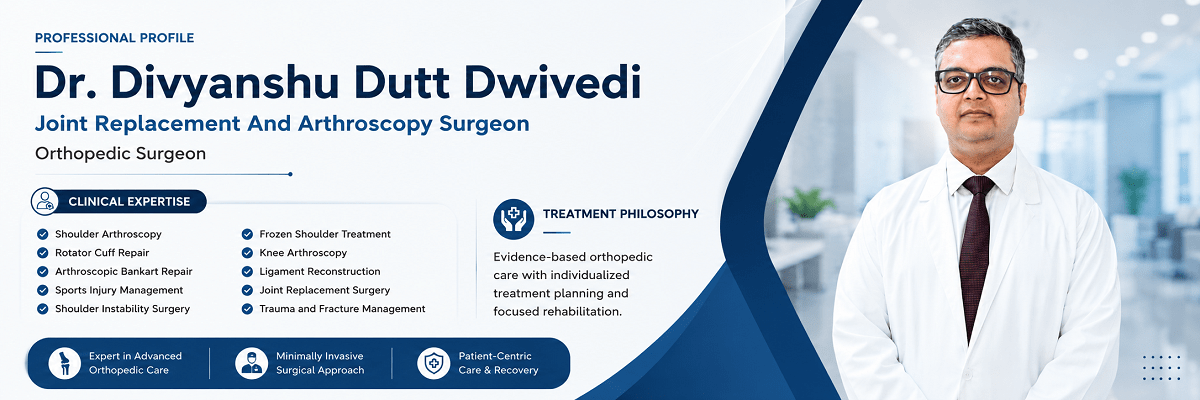
Dr. Divyanshu Dutt Dwivedi is an internationally fellowship-trained orthopedic and joint replacement surgeon with over 20 years of experience. Patients searching for a trusted orthopedic doctor in Barabanki can contact his team for guidance and consultation arrangements at Max Super Speciality Hospital, Gomti Nagar, Lucknow. His approach focuses on accurate diagnosis, personalized treatment, and helping patients make decisions about their bone and joint health.
Clinical expertise includes:
- Knee and hip replacement, including robotic-assisted procedures
- Arthroscopy and sports injury treatment
- ACL reconstruction and meniscus repair
- Shoulder and elbow conditions
- Revision joint replacement and fracture care
Treatment recommendations depend on each patient’s diagnosis, health, and recovery goals. Barabanki patients should confirm appointment availability before travelling to Lucknow.
How to Book an Appointment with Dr. Divyanshu Dutt Dwivedi?
Patients looking for specialized orthopedic consultation can contact Dr. Divyanshu Dutt Dwivedi’s team to discuss their symptoms and confirm available appointment arrangements. His consultation is associated with Max Super Speciality Hospital, Gomti Nagar, Lucknow. Patients travelling from Barabanki should confirm the date, time, and location before starting their journey. It is also helpful to share previous medical reports when discussing the appointment. For information about orthopedic consultation, joint replacement, sports injury evaluation, or other relevant treatment services, contact the team using the number below.
Contact Number: 9899389359
Patients should confirm current availability and consultation details before visiting.
Conclusion: Find the Right Orthopedic Care for Better Joint Health
Choosing the right orthopedic specialist is an important step towards managing bone, joint, and muscle problems. Whether you are experiencing knee pain, arthritis, a fracture, a ligament injury, or restricted joint movement, an appropriate medical assessment can help identify the cause and guide treatment decisions. Patients searching for an orthopedic doctor in Barabanki should consider professional qualifications, relevant experience, available treatment options, and hospital facilities before choosing a specialist. Dr. Divyanshu Dutt Dwivedi provides specialized orthopedic and joint replacement care at Max Super Speciality Hospital, Lucknow. Patients from Barabanki can contact 9899389359 to confirm consultation arrangements and take the next step towards appropriate orthopedic care.
Frequently Asked Questions About Orthopedic Doctors in Barabanki
1. Who is an orthopedic doctor?
An orthopedic doctor is a medical specialist who diagnoses and treats conditions affecting bones, joints, muscles, ligaments, tendons, and other parts of the musculoskeletal system.
2. Who should I consult for bone and joint pain in Barabanki?
You should consult a qualified orthopedic specialist if bone or joint pain persists, affects movement, or follows an injury. The doctor can evaluate the cause and recommend suitable treatment.
3. What is the difference between an orthopedic doctor and an orthopedic surgeon?
An orthopedic doctor evaluates and treats musculoskeletal conditions. An orthopedic surgeon has specialized surgical training and may perform procedures such as joint replacement, fracture fixation, and ligament reconstruction.
4. When should I visit an orthopedic specialist for knee pain?
Consult an orthopedic specialist when knee pain persists, returns frequently, causes swelling, or restricts walking. Sudden severe pain following an injury requires prompt medical assessment.
5. Can an orthopedic doctor treat fractures?
Yes. Orthopedic doctors assess and manage fractures. Depending on the type and severity, treatment may involve a cast, splint, brace, or surgical fixation.
6. Is knee replacement necessary for every patient with arthritis?
No. Knee replacement is generally considered for selected patients with advanced joint damage and significant symptoms when appropriate non-surgical treatments have not provided sufficient relief.
7. Can sports injuries be treated without surgery?
Many sports injuries improve with rehabilitation, medication, and activity modification. However, certain severe ligament, cartilage, or tendon injuries may require surgical treatment after specialist evaluation.
8. What tests are commonly recommended during an orthopedic consultation?
Depending on symptoms, a doctor may recommend X-rays, MRIs, CT scans, or selected blood tests. The choice depends on the suspected condition and clinical examination.
9. Can patients from Barabanki consult Dr. Divyanshu Dutt Dwivedi?
Patients from Barabanki can contact Dr. Divyanshu Dutt Dwivedi’s team at +91-9899389359 to confirm consultation arrangements at Max Super Speciality Hospital, Gomti Nagar, Lucknow.
10. How can I book an orthopedic appointment?
You can contact the hospital or doctor’s appointment team, discuss your medical concerns, and confirm the consultation date, timings, location, and applicable fees before visiting.
