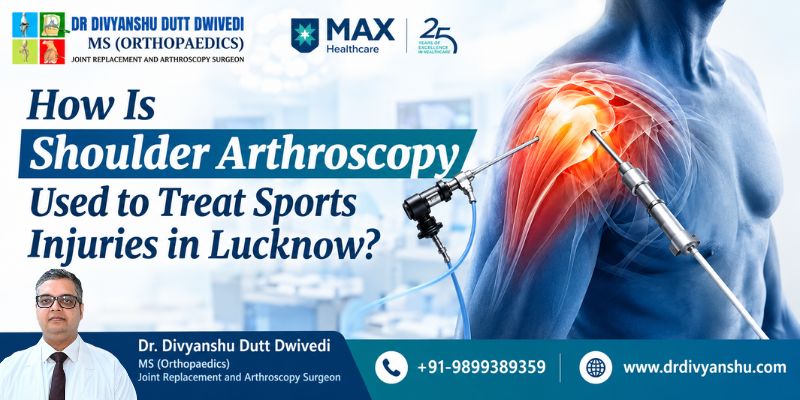
shoulder-arthroscopy-treats-sports-injuries-in-Lucknow.jpg

Sports activities such as cricket, badminton, swimming, tennis, volleyball, and gym training can place repeated stress on the shoulder. Sudden falls, collisions, overhead movements, or excessive training may cause rotator cuff tears, labral injuries, shoulder instability, or dislocation. Shoulder arthroscopy for sports injuries in Lucknow is a minimally invasive treatment approach that allows an orthopaedic surgeon to examine and treat selected shoulder problems through small incisions.

The treatment is not required for every sports injury. A detailed evaluation considers symptoms, injury severity, physical examination, imaging findings, previous treatment, and the athlete’s activity level. When appropriate, arthroscopy may help address damaged shoulder structures and support functional recovery. Proper rehabilitation and gradual return to sports are also essential for achieving a safe and effective recovery.

What Sports Injuries Can Affect the Shoulder?

The shoulder allows a wide range of movement, making it essential for sports but also prone to injury. Athletes may develop sports-related shoulder injuries due to falls, collisions, repetitive overhead movements, poor technique, or excessive training. Common conditions include rotator cuff tears, shoulder instability, dislocation, labral tears, SLAP injuries, and selected tendon or cartilage problems. Different sports and activities, such as cricket, badminton, tennis, swimming, volleyball, and gym workouts, can exert varying stresses on the shoulder. Some injuries respond well to rest, activity modification, and physiotherapy, while structural damage may require further assessment. Identifying the exact problem helps determine whether shoulder arthroscopy for sports injuries in Lucknow or non-surgical treatment is appropriate. 

When Is Shoulder Arthroscopy Considered for a Sports Injury?

Shoulder arthroscopy treatment for sports injuries is considered when a structural problem is identified and symptoms continue to affect movement, strength, sport, work, or daily activities. A surgeon may discuss arthroscopy after an appropriate examination and imaging assessment when problems such as a significant rotator cuff tear, recurrent instability, dislocation-related labral injury, or selected labral tears are present. The decision is individual rather than based only on an MRI report. Some patients benefit from physiotherapy, medication, activity modification, or other non-surgical treatment first. In an athlete, the sporting demands also matter because treatment goals may include restoring stability, strength, controlled movement, and a safe return to sport.

How Are Sports-Related Shoulder Injuries Diagnosed?

Diagnosis usually begins with a detailed history and physical examination. The surgeon may ask how the injury occurred, whether the shoulder has dislocated, which movements cause pain, and whether weakness or instability affects sporting performance. X-rays can help assess bones and joint alignment, while MRI may provide information about the rotator cuff, labrum, tendons, and other soft tissues. In selected cases, an MR arthrogram or CT scan may provide additional information. The need for each test depends on the suspected injury. A useful sports injury shoulder assessment combines symptoms, examination findings, imaging, and functional demands rather than treating an imaging report as the diagnosis by itself.

How Does Shoulder Arthroscopy Work for Sports Injuries in Lucknow? 

During shoulder arthroscopy, an arthroscope, a small camera, is inserted through a tiny opening near the shoulder joint. It provides a clear, magnified view of the internal structures on a monitor, helping the surgeon identify damage caused by a sports injury. Additional small openings allow specialised instruments to access the affected area. Based on the diagnosis, the surgeon may repair a rotator cuff tear, reattach a damaged labrum, stabilise an unstable shoulder, or treat other joint problems.

For selected patients, shoulder arthroscopy for sports injuries in Lucknow can treat structural damage through small surgical openings, limiting disruption to surrounding tissues. However, minimally invasive surgery still requires proper healing, rehabilitation, physiotherapy, and a gradual return to sports.

How Is Rotator Cuff Arthroscopy Used for Sports Injuries?

The rotator cuff consists of tendons that support shoulder movement and stability. Repetitive overhead activities in cricket, tennis, swimming, badminton, and throwing sports can place considerable stress on these tendons. When a significant tear causes persistent pain, weakness, or functional limitations, arthroscopic rotator cuff repair may be considered after clinical and imaging assessment. The procedure allows the surgeon to examine the tendon and repair it using specialised instruments and sutures or anchors.

Not every rotator cuff injury requires surgery. Treatment depends on the tear, symptoms, age, activity level, functional needs, and response to non-surgical care. For athletes, structured rehabilitation after repair is essential to protect healing tissue, restore strength, and support a gradual return to sporting activities.

How Is Shoulder Instability Treated Arthroscopically?

Shoulder instability can occur when an injury damages the labrum, capsule, or other structures responsible for keeping the shoulder joint stable. Athletes involved in contact or overhead sports may experience repeated slipping, partial dislocation, or complete dislocation. When recurrent instability is linked to suitable soft-tissue damage, arthroscopic shoulder stabilisation may be considered.

During stabilisation, the surgeon can repair and secure damaged labral or capsular tissue, often using suture anchors. The appropriate technique depends on the injury pattern and the condition of the shoulder. Previous dislocations, bone loss, associated injuries, and sporting requirements are also considered. Significant bone loss may require another stabilisation procedure. Therefore, a detailed assessment is important before choosing arthroscopy for sports-related shoulder instability.

What Is Arthroscopic Bankart Repair?

A Bankart injury commonly involves damage to the labrum and supporting tissues at the front of the shoulder socket following an anterior dislocation. In athletes experiencing recurrent instability, arthroscopic Bankart repair may be considered when the injury and shoulder anatomy are suitable for this approach. The procedure uses small portals to access the joint and specialised instruments to reattach the damaged labrum to the socket.

The aim of Bankart repair is to improve shoulder stability and reduce recurrent dislocation in appropriately selected patients. However, it is not suitable for every unstable shoulder. The number of previous dislocations, bone loss, age, sporting activity, associated injuries, and previous surgery can influence treatment planning. A thorough examination and appropriate imaging help determine whether arthroscopic stabilisation is appropriate.

Can Shoulder Arthroscopy Treat Labral and SLAP Injuries?

The labrum contributes to shoulder stability by helping deepen the socket. Sports involving repeated overhead movements or throwing can place stress on this structure. Trauma, dislocation, or repetitive loading may contribute to a labral injury. A SLAP tear affects the upper portion of the labrum and can cause pain, clicking, catching, or reduced sporting performance in some athletes. Arthroscopic labral repair may be considered when symptoms and clinical findings correspond with a treatable structural injury.

Treatment is not identical for every labral or SLAP tear. Age, sport, tear location, biceps involvement, shoulder stability, previous treatment, and functional requirements can influence the recommended approach. A detailed diagnosis is important because similar symptoms can result from several different shoulder conditions.

Which Athletes May Develop Shoulder Sports Injuries?

Different sports place different demands on the shoulder. Cricket bowlers and throwing athletes repeatedly generate high-speed shoulder movements, while tennis and badminton players perform frequent overhead strokes. Swimmers place repetitive loads on the shoulder, and volleyball players repeatedly serve and spike. Gym training can also produce symptoms when training volume, technique, or resistance exceeds the shoulder’s ability to adapt. Contact sports may increase the risk of instability following falls or collisions. These activities do not automatically cause structural damage. Shoulder sports injury treatment should begin by identifying the source of symptoms and considering the athlete’s training history, workload, technique, previous injuries, and functional goals. 

Is Surgery Always Needed for a Sports-Related Shoulder Injury?

Surgery is not automatically required for every sports-related shoulder problem. Depending on the diagnosis, treatment may initially include activity modification, physiotherapy, medication, strengthening exercises, or other non-surgical measures. Some tendon and overuse injuries can improve with appropriately supervised rehabilitation. If pain, weakness, instability, or functional limitations continue despite suitable conservative treatment, surgery may become an option. Significant structural damage or recurrent instability can also influence the discussion. The choice should be based on the specific injury rather than the athlete’s desire to return quickly. A patient-specific approach helps determine whether shoulder arthroscopy for sports injuries in Lucknow or non-surgical treatment is more appropriate.

What Happens Before Shoulder Arthroscopy for a Sports Injury? 

Before shoulder arthroscopy surgery, the surgeon reviews the patient’s symptoms, injury mechanism, medical history, previous treatment, medications, sporting activity, and functional limitations. A physical examination helps assess movement, strength, stability, and areas of tenderness. Imaging such as X-rays or MRI may be used when clinically appropriate to understand the condition of the bones and soft tissues.

The treatment plan is then discussed according to the confirmed or suspected diagnosis. Patients should understand the purpose of the proposed procedure, possible alternatives, expected rehabilitation, potential risks, and recovery requirements. A rotator cuff repair, Bankart repair, and labral procedure do not follow identical recovery pathways. Proper preoperative planning helps patients understand what to expect before undergoing arthroscopic treatment for shoulder injuries.

What Happens During Shoulder Arthroscopy?

Shoulder arthroscopy recovery depends on the procedure performed and the tissues that need to heal. Rehabilitation commonly progresses through carefully planned stages rather than immediately returning to normal sporting activity. Early treatment may focus on protecting the repair and maintaining appropriate movement. Later stages can introduce controlled strengthening, endurance exercises, coordination, and sport-specific activities according to the patient’s progress.

Returning to training simply because pain has reduced can place excessive stress on healing tissues. The rehabilitation programme may therefore be adjusted according to movement, strength, stability, symptoms, and functional progress. Athletes recovering from rotator cuff repair, Bankart repair, or labral surgery may follow different protocols. Consistent physiotherapy and follow-up are important parts of sports injury shoulder rehabilitation and can help prepare the athlete for a controlled return to activity.

When Can an Athlete Return to Sports?

There is no single recovery period that applies to every athlete following shoulder arthroscopy for athletes. Return to sport depends on the procedure, tissue healing, pain, range of motion, strength, shoulder stability, rehabilitation progress, and demands of the particular sport. A diagnostic procedure may have a different recovery pathway from a rotator cuff or Bankart repair.

Overhead and contact athletes may need additional strengthening and sport-specific progression before returning to competition. Instead of relying only on a fixed number of weeks, the rehabilitation team may consider functional performance and shoulder control. Throwing, serving, swimming, lifting, or contact activities can then be reintroduced gradually. Following the recommended progression helps avoid placing excessive demands on the recovering shoulder before it is adequately prepared.

How Is Return-to-Sport Rehabilitation Planned?

A return-to-sport programme after shoulder arthroscopy generally progresses from basic movement to controlled strengthening and then sport-specific activity. Early exercises may focus on restoring appropriate range of motion. Strengthening can later target the rotator cuff and muscles around the shoulder blade. Athletes may then perform controlled movements that resemble their sport, such as throwing, serving, swimming strokes, or racket movements. Training intensity is increased progressively when the shoulder responds well. The exact progression depends on the surgery and individual recovery. For competitive athletes, the rehabilitation plan may also consider training volume, playing position, dominant-arm demands, previous injuries, and the physical requirements of competition.

Why Choose an Experienced Orthopaedic Evaluation in Lucknow?

For athletes searching for shoulder injury treatment in Lucknow, the important step is not simply finding a surgical procedure. It is obtaining an accurate diagnosis and a treatment plan suited to the injury and sporting goals. Dr. Divyanshu Dutt Dwivedi provides orthopaedic care involving shoulder conditions, arthroscopy, sports injuries, and related joint problems. During consultation, patients can discuss symptoms, imaging findings, treatment options, rehabilitation expectations, and whether surgery is appropriate. The focus should remain on selecting the right treatment for the individual rather than assuming that arthroscopy is required. Patients can contact Dr Divyanshu Dutt Dwivedi at +91-9899389359 to discuss an appropriate shoulder evaluation in Lucknow.

Shoulder Arthroscopy for Sports Injuries in Lucknow: What Should You Ask?

Before choosing treatment, patients should ask what shoulder structure is injured, whether imaging confirms the diagnosis, and whether physiotherapy or activity modification could help. If surgery is recommended, ask which arthroscopic procedure is planned, what injury it will address, and what rehabilitation may involve. Athletes should also discuss expected recovery, when training can resume, and which functional criteria are considered before returning to competition. Ask about non-surgical alternatives, potential risks, and factors that may affect recovery. A detailed consultation with an orthopaedic specialist in Lucknow helps patients understand their diagnosis and choose an appropriate treatment approach for their sporting needs. 


Question Why It Matters
What is the exact injury? Clarifies the structure causing symptoms
Is surgery necessary? Helps understand non-surgical alternatives
Which procedure is planned? Explains the purpose of arthroscopy
How long is rehabilitation? Helps plan work and sports activities
When can I return to sport? Sets realistic recovery expectations


Meet Dr Divyanshu Dutt Dwivedi – Trusted Shoulder Arthroscopy for Sports Injuries in Lucknow
Robotic Knee replacement Surgeon in Lucknow
Dr. Divyanshu Dutt Dwivedi

Dr. Divyanshu Dutt Dwivedi is an internationally fellowship-trained orthopaedic and sports injury surgeon with expertise in arthroscopic and joint-related procedures. His approach to shoulder arthroscopy for sports injuries in Lucknow focuses on accurate diagnosis, appropriate treatment selection, and structured rehabilitation based on each athlete’s condition and sporting requirements.

Clinical expertise includes:

  • Shoulder arthroscopy for selected sports-related injuries
  • Rotator cuff tear evaluation and arthroscopic repair
  • Shoulder instability and arthroscopic stabilisation
  • Bankart and labral injury treatment
  • Sports injury assessment and rehabilitation planning
  • Shoulder and elbow surgical care
  • Return-to-sport guidance following appropriate treatment

Patients can discuss their symptoms, imaging findings, treatment options, rehabilitation needs, and sporting goals during a personalised consultation.

Why Dr Divyanshu Dutt Dwivedi for Shoulder Sports Injury Consultation?

Choosing treatment for a shoulder sports injury should begin with the diagnosis rather than a preference for a particular procedure. Dr. Divyanshu Dutt Dwivedi is an orthopaedic, joint replacement, and sports injury surgeon whose clinical focus includes arthroscopic management of shoulder and other joint conditions. Patients can discuss problems such as shoulder instability, rotator cuff injuries, labral problems, and sports-related shoulder pain during consultation. Treatment recommendations should be based on examination, imaging, activity requirements, previous treatment, and overall health. If you are looking for a shoulder arthroscopy surgeon in Lucknow, you can contact Dr Divyanshu Dutt Dwivedi at +91-9899389359 for further consultation.

Conclusion

Shoulder arthroscopy for sports injuries in Lucknow can provide a minimally invasive way to diagnose and treat selected problems involving the rotator cuff, labrum, shoulder stability, and other joint structures. However, surgery is only one part of the treatment pathway. A proper diagnosis, consideration of non-surgical options, procedure-specific rehabilitation, and a gradual return to sport are equally important. Athletes should not choose treatment based only on the name of a procedure or a scan report. A detailed orthopaedic assessment can help determine the most appropriate approach for the injury and the individual’s sporting goals. For consultation with Dr Divyanshu Dutt Dwivedi, call +919899389359.

Frequently Asked Questions About Shoulder Arthroscopy for Sports Injuries in Lucknow

Can shoulder arthroscopy treat sports injuries?

Yes. Shoulder arthroscopy for sports injuries can treat selected rotator cuff tears, labral injuries, and instability. Suitability depends on diagnosis, symptoms, injury severity, and non-surgical treatment response.

Is shoulder arthroscopy suitable for athletes?

Shoulder arthroscopy can be suitable for athletes with certain structural injuries. Treatment decisions depend on examination, imaging, sporting demands, injury severity, rehabilitation requirements, and expected recovery.

Can shoulder arthroscopy treat a rotator cuff tear?

Selected rotator cuff tears can be repaired arthroscopically. Treatment depends on tear characteristics, symptoms, weakness, activity level, previous treatment, and response to appropriate non-surgical management.

Can arthroscopy treat recurrent shoulder dislocation?

Yes, arthroscopic shoulder stabilisation can treat recurrent dislocation caused by suitable soft-tissue damage. Significant bone loss or associated structural problems may require a different surgical approach.

How long does recovery take after shoulder arthroscopy?

Recovery varies according to the procedure and individual healing. Rotator cuff, labral, and instability repairs may require several months of rehabilitation before demanding sporting activities resume.

When can an athlete return to sports after shoulder arthroscopy?

Return to sport depends on healing, movement, strength, stability, and sport-specific function. Athletes usually progress gradually through rehabilitation before resuming overhead, contact, or competitive activities.

Is physiotherapy required after shoulder arthroscopy?

Physiotherapy is commonly an important part of recovery after shoulder arthroscopy. Rehabilitation may progress from protected movement to strengthening and sport-specific exercises according to the procedure.

Where can I consult for a sports-related shoulder injury in Lucknow?

Patients can seek orthopaedic evaluation in Lucknow for shoulder pain, instability, dislocation, rotator cuff, or labral injuries. Dr Divyanshu Dutt Dwivedi can be contacted at +91-9899389359.
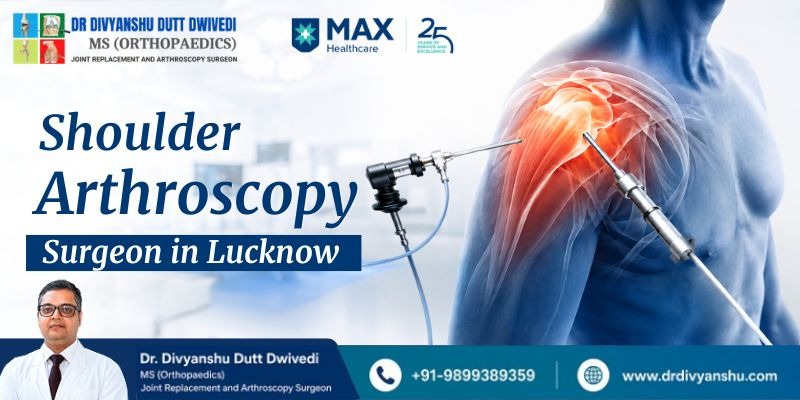


Shoulder-Arthroscopy-Surgeon-in-Lucknow.jpg

Shoulder pain can affect your daily routine, making simple tasks like lifting your arm, driving, or playing sports challenging. If non-surgical treatments such as medication or physiotherapy have not provided lasting relief, consulting an experienced shoulder arthroscopy surgeon in Lucknow can help identify the underlying cause and recommend the right treatment. Dr. Divyanshu Dutt Dwivedi offers advanced shoulder arthroscopy surgery in Lucknow to treat conditions such as rotator cuff tears, shoulder instability, frozen shoulder, labral injuries, and sports-related shoulder problems. Using minimally invasive techniques and a patient-centered approach, every treatment plan is tailored to your condition and recovery goals. The objective is to relieve pain, restore shoulder function, and help you safely return to your everyday activities with confidence.

What is Shoulder Arthroscopy?

Shoulder arthroscopy is a minimally invasive surgical procedure used to diagnose and treat various shoulder conditions through small incisions. During the procedure, an arthroscope—a thin camera—is inserted into the shoulder joint, allowing the surgeon to view the internal structures with precision and perform the necessary treatment using specialized instruments. Compared to traditional open surgery, shoulder arthroscopy surgery usually results in less pain, smaller scars, reduced tissue damage, and a faster recovery. It is commonly recommended for treating rotator cuff tears, shoulder instability, frozen shoulder, labral tears, shoulder impingement, and recurrent dislocations. Consulting an experienced shoulder arthroscopy specialist in Lucknow ensures an accurate diagnosis, personalized treatment plan, and comprehensive rehabilitation for optimal long-term shoulder function.

Understanding the Shoulder Joint

The shoulder is one of the most flexible joints in the human body, allowing a wide range of movement for lifting, reaching, and rotating the arm. This mobility is made possible by several bones, muscles, tendons, ligaments, and cartilage working together. Because of its complex structure, the shoulder is also more vulnerable to injuries, overuse, and age-related wear.

Key parts of the shoulder include:

  • Rotator Cuff: A group of muscles and tendons that stabilize the shoulder and help with arm movement.
  • Labrum: A ring of cartilage that supports the shoulder socket and improves joint stability.
  • Glenoid: The socket of the shoulder joint where the upper arm bone fits.
  • Humerus: The upper arm bone that forms the ball of the shoulder joint.
  • Acromion: A part of the shoulder blade that protects the joint.
  • Bursa: A small fluid-filled sac that reduces friction during movement.
  • Biceps Tendon: Connects the biceps muscle to the shoulder and assists in lifting and rotation.
  • Shoulder Capsule: Strong connective tissue that surrounds and supports the joint.

Understanding these structures helps patients recognize why conditions such as rotator cuff tears, shoulder instability, labral injuries, and shoulder impingement often require specialized evaluation by a shoulder arthroscopy doctor in Lucknow for accurate diagnosis and effective treatment.

Signs You May Need to Visit a Surgeon

Persistent shoulder pain should never be ignored, especially when it affects your daily activities or sports performance. If your symptoms continue despite medication or physiotherapy, consult Dr. Divyanshu Dutt Dwivedi, an experienced shoulder arthroscopy surgeon in Lucknow, for a detailed evaluation and personalized treatment plan.

Common symptoms include:

  • Persistent shoulder pain
  • Difficulty lifting the arm
  • Shoulder weakness
  • Recurrent dislocations
  • Clicking or popping sounds
  • Night-time shoulder pain
  • Limited range of motion
  • Sports-related shoulder injuries
  • No improvement with conservative treatment

Early diagnosis helps prevent further joint damage and improves treatment outcomes.

Conditions Treated by a Shoulder Arthroscopy Surgeon

Shoulder arthroscopy is an advanced keyhole procedure used to diagnose and treat various shoulder disorders. It offers precise treatment with smaller incisions, less pain, and faster recovery for suitable patients.

Rotator Cuff Tear

A rotator cuff tear can cause pain, weakness, and difficulty lifting the arm. Arthroscopic repair restores the damaged tendon, improves shoulder strength, and helps patients return to everyday activities with better function.

Frozen Shoulder

Frozen shoulder causes pain and severe stiffness that restricts movement. When physiotherapy and medications fail, arthroscopic capsular release may improve mobility and reduce discomfort.

Shoulder Impingement Syndrome

Shoulder impingement develops when tendons become compressed during movement. Arthroscopy relieves pressure, reduces pain, and restores smoother shoulder motion.

Shoulder Instability

Repeated shoulder instability often occurs after ligament injuries or dislocations. Arthroscopic stabilization repairs damaged tissues to improve joint stability and reduce future dislocations.

Recurrent Shoulder Dislocation

Frequent shoulder dislocations may damage the labrum and supporting ligaments. Arthroscopic repair restores stability and helps protect the joint from further injury.

Bankart Lesion

A Bankart lesion is a labral tear commonly caused by shoulder dislocation. Arthroscopic Bankart repair restores shoulder stability and lowers the risk of recurrent dislocations.

SLAP Tear

A SLAP tear affects the upper labrum where the biceps tendon attaches. Arthroscopic repair relieves pain, improves shoulder function, and restores stability.

Labral Tear

A torn labrum can cause pain, weakness, and shoulder clicking. Arthroscopic labral repair helps restore joint stability and improve shoulder movement.

Shoulder Bursitis

Inflammation of the shoulder bursa can lead to pain during movement. If symptoms persist, arthroscopy removes inflamed tissue and helps restore comfortable shoulder function.

Shoulder Arthritis

In selected patients with early arthritis, shoulder arthroscopy can remove damaged tissue, reduce pain, and improve joint mobility while delaying more extensive surgery.

Loose Bodies in the Shoulder Joint

Loose cartilage or bone fragments may cause locking, pain, and restricted movement. Arthroscopic removal restores smoother joint motion and improves shoulder function.

Why Early Treatment is Important

Ignoring shoulder pain can lead to worsening symptoms and permanent joint damage. Early consultation with Dr. Divyanshu Dutt Dwivedi, an experienced shoulder arthroscopy specialist in Lucknow, helps ensure timely diagnosis, appropriate treatment, and a smoother recovery.

Advanced Shoulder Arthroscopy Procedures

Every shoulder injury is different, so the treatment approach should never be the same for everyone. After a detailed clinical examination and imaging assessment, Dr. Divyanshu Dutt Dwivedi, an experienced shoulder arthroscopy surgeon in Lucknow, recommends the most appropriate arthroscopic procedure based on the patient’s condition, activity level, and recovery expectations.

Arthroscopic Rotator Cuff Repair

Rotator cuff injuries often make lifting the arm painful and difficult. This procedure restores the torn tendon using minimally invasive techniques, helping improve shoulder strength, reduce discomfort, and support a smoother recovery.

Arthroscopic Bankart Repair

A shoulder dislocation can damage the soft tissue that stabilizes the joint. Bankart repair restores this support, helping reduce repeated dislocations and improving overall shoulder stability.

Arthroscopic SLAP Repair

A SLAP tear affects the upper rim of the shoulder socket and commonly causes pain during overhead activities. Arthroscopic repair restores stability while helping patients regain comfortable shoulder movement.

Arthroscopic Labral Repair

A damaged labrum can make the shoulder feel loose or unstable. Arthroscopic labral repair strengthens the joint by restoring the injured tissue, improving both stability and function.

Arthroscopic Acromioplasty

When shoulder impingement is caused by reduced space beneath the acromion, this procedure reshapes the bone to relieve tendon irritation and allow smoother shoulder movement.

Arthroscopic Capsular Release

For patients with severe frozen shoulder that limits everyday movement, this procedure gently releases the tightened capsule, helping improve flexibility and restore shoulder mobility.

Arthroscopic Shoulder Stabilization

Patients with repeated shoulder instability may benefit from arthroscopic stabilization, which repairs injured soft tissues and helps the joint remain stable during daily activities and sports.

Arthroscopic Biceps Tendon Repair

Injuries involving the biceps tendon can lead to persistent shoulder pain and weakness. Arthroscopic treatment helps restore tendon function while improving comfort and arm strength.

Arthroscopic Scapulothoracic Bursectomy

Chronic inflammation around the shoulder blade can make movement uncomfortable. This procedure removes the inflamed bursa, helping reduce pain and improve shoulder mechanics.

Arthroscopic Loose Body Removal

Loose fragments of cartilage or bone may interfere with smooth joint movement. Arthroscopic removal helps reduce locking sensations, improve mobility, and restore normal shoulder function.

Benefits of Shoulder Arthroscopy Surgery

Modern shoulder arthroscopy surgery offers an effective treatment option for many shoulder disorders while avoiding the larger incisions used in conventional surgery. Because the procedure is performed through small portals, it generally allows patients to recover more comfortably and return to everyday activities sooner.

Some of the key advantages include:

  • Small incisions with minimal scarring
  • Less injury to healthy muscles and tissues
  • Reduced post-operative discomfort
  • Lower chance of wound-related complications
  • Faster recovery in suitable patients
  • Improved shoulder movement and function
  • Early rehabilitation under medical guidance
  • Better cosmetic results
  • Quicker return to work and sports, depending on the condition treated

Every patient’s recovery is different, and the expected outcome depends on the type of injury, the procedure performed, and commitment to rehabilitation.

Who May Benefit from Shoulder Arthroscopy?

Shoulder arthroscopy is recommended only after a detailed assessment confirms that minimally invasive surgery is the most appropriate treatment. The decision is based on your symptoms, clinical findings, imaging reports, and response to previous treatment.

You may benefit from arthroscopy if you have:

  • Persistent shoulder pain
  • Rotator cuff injuries
  • Recurrent shoulder dislocations
  • Shoulder instability
  • Frozen shoulder
  • Labral or SLAP tears
  • Shoulder impingement
  • Loose bodies inside the joint
  • Shoulder problems affecting sports or daily activities

A comprehensive evaluation by Dr. Divyanshu Dutt Dwivedi helps determine the most suitable treatment plan for your condition.

How is shoulder arthroscopy performed?

Understanding each step of the procedure can help you feel more prepared before surgery.

Step 1 – Consultation: Your symptoms, medical history, and imaging reports are carefully reviewed.

Step 2 – Evaluation: Additional investigations are completed if required to confirm the diagnosis.

Step 3 – Anesthesia: The surgery is performed under suitable anesthesia for patient comfort.

Step 4 – Arthroscopy: Small openings are created to insert the arthroscope and specialized instruments.

Step 5 – Treatment: The damaged tendon, cartilage, ligament, or other shoulder structure is repaired according to the diagnosis.

Step 6 – Recovery: After surgery, detailed instructions regarding medications, sling use, physiotherapy, and follow-up are provided to support safe healing and long-term shoulder function.

Shoulder Arthroscopy vs. Open Shoulder Surgery

The choice between shoulder arthroscopy surgery and open shoulder surgery depends on the type of injury, the extent of damage, and your surgeon’s clinical assessment. While both procedures aim to relieve pain and restore shoulder function, arthroscopy is often preferred for many soft tissue injuries because it is performed through tiny keyhole incisions using a specialized camera. Open surgery may still be recommended for certain complex fractures, severe bone loss, or advanced reconstructive procedures.

Feature Shoulder Arthroscopy Open Shoulder Surgery
Procedure Performed through small keyhole incisions Performed through a larger surgical incision
Surgical View High-definition camera inside the joint Direct view through an open incision
Tissue Disruption Preserves more healthy soft tissue Greater exposure of muscles and tissues
Post-operative Comfort Generally more comfortable May involve more post-operative discomfort
Recovery Period Often quicker for suitable cases Recovery may take longer
Scar Size Small scars More noticeable scar
Best Suited For Tendon, ligament and cartilage injuries Selected complex shoulder conditions

After evaluating your condition, Dr. Divyanshu Dutt Dwivedi recommends the treatment option that offers the safest and most effective outcome for your shoulder.

Recovery Timeline After Shoulder Arthroscopy

Healing after Shoulder Arthroscopy Surgery in Lucknow is a gradual process and differs for every patient. Your recovery depends on the type of procedure performed, your overall health, and how consistently you follow the rehabilitation program.

Week 1: The shoulder is protected with a sling while pain and swelling are controlled. Gentle movements of the hand, wrist, and elbow are encouraged.

Weeks 2–4: Early physiotherapy begins to improve flexibility without placing stress on the repaired tissues.

Weeks 4–8: Shoulder mobility continues to improve, and strengthening exercises are gradually introduced.

After 3 Months: Most patients notice significant improvement in comfort and shoulder function. Returning to sports or physically demanding work depends on individual recovery and your surgeon’s advice.

Physiotherapy & Rehabilitation

Surgery repairs the damaged shoulder, but rehabilitation helps restore its strength and movement. A structured physiotherapy program is designed according to your procedure and recovery progress.

The initial focus is on protecting the shoulder while reducing pain and stiffness. As healing progresses, exercises are gradually added to improve flexibility, muscle strength, balance, and joint stability. Patients also receive guidance on sling care, sleeping posture, home exercises, and safely returning to daily activities.

Following the recommended rehabilitation plan is one of the most important factors in achieving a successful recovery and reducing the likelihood of future shoulder problems.

Risks & Possible Complications of Shoulder Arthroscopy

Although shoulder arthroscopy is considered a reliable and minimally invasive procedure, every surgery carries some degree of risk. Understanding these possibilities allows patients to make informed treatment decisions.

Potential complications may include infection, bleeding, temporary stiffness, persistent discomfort, delayed healing, nerve irritation, or, in uncommon situations, damage to nearby blood vessels. In certain cases, additional treatment may be required if the repaired tissues do not heal as expected.

Careful surgical planning, appropriate post-operative care, and regular follow-up appointments with Dr. Divyanshu Dutt Dwivedi help reduce these risks and support a smooth recovery.

What Results Can You Expect After Shoulder Arthroscopy?

The primary goal of shoulder arthroscopy surgery is to relieve pain, improve shoulder movement, and restore joint stability. Most patients notice gradual improvement as rehabilitation progresses, although recovery varies depending on the condition being treated.

Successful outcomes are influenced by early diagnosis, the severity of the injury, surgical technique, and commitment to physiotherapy. Many patients return to work, recreational activities, and sports after completing rehabilitation and receiving medical clearance.

Following your surgeon’s instructions throughout recovery plays a vital role in achieving the best long-term shoulder function.

Shoulder Arthroscopy Cost in Lucknow

The cost of shoulder arthroscopy surgery in Lucknow is determined after a detailed evaluation because every shoulder condition requires a different treatment approach. The overall expense depends on several clinical and hospital-related factors rather than a fixed price.

These may include the nature of the shoulder injury, the complexity of the arthroscopic procedure, hospital facilities, anesthesia, diagnostic investigations, rehabilitation requirements, and insurance coverage.

During your consultation, Dr. Divyanshu Dutt Dwivedi will explain the recommended treatment plan, discuss the expected expenses, and help you understand the available payment or insurance options with complete transparency.

Meet Your Shoulder Arthroscopy Surgeon in Lucknow

Choosing the right shoulder arthroscopy surgeon in Lucknow is important for patients with shoulder pain, sports injuries, rotator cuff tears, frozen shoulder, or recurrent shoulder dislocation. Accurate diagnosis, minimally invasive treatment, and structured rehabilitation are key to better recovery and long-term shoulder function.

Dr. Divyanshu Dutt Dwivedi

Shoulder Arthroscopy Surgeon in Lucknow – Dr. Divyanshu Dutt Dwivedi
Dr. Divyanshu Dutt Dwivedi

Dr. Divyanshu Dutt Dwivedi is an experienced orthopedic surgeon providing comprehensive care for shoulder, knee, hip, and other musculoskeletal conditions. His approach combines clinical expertise, modern orthopedic techniques, and patient-focused treatment to help reduce pain, restore mobility, and improve quality of life.

He offers personalized care for shoulder arthroscopy, sports injuries, ligament reconstruction, fracture management, and joint replacement surgery. Each patient is evaluated carefully so the treatment plan matches the exact cause and severity of the problem.

Whether treatment is non-surgical or surgical, the goal is always safe recovery, improved function, and clear guidance at every step.

Our Treatment Philosophy

Every shoulder condition needs a tailored approach. Dr. Divyanshu Dutt Dwivedi begins with a detailed history, clinical examination, and imaging when required to identify the exact cause of pain or instability.

Non-surgical treatment such as medication, physiotherapy, activity modification, and rehabilitation is considered first whenever appropriate. If surgery is needed, arthroscopic techniques are preferred for selected conditions because they are minimally invasive and support faster recovery.

Patients are encouraged to understand their diagnosis, treatment options, and recovery plan so they can make informed decisions with confidence.

Areas of Expertise

  • Shoulder Arthroscopy
  • Rotator Cuff Repair
  • Sports Injury Management
  • Frozen Shoulder
  • Shoulder Instability
  • Joint Replacement Surgery

Why Patients Choose Dr. Divyanshu Dutt Dwivedi

Patients choose Dr. Divyanshu Dutt Dwivedi for accurate diagnosis, clear communication, and individualized orthopedic care. Every consultation is focused on understanding symptoms, explaining the condition, and recommending the most suitable treatment.

His approach emphasizes joint preservation, minimally invasive surgery when appropriate, and structured rehabilitation for better recovery.

Key reasons patients trust our orthopedic services include:

  • Detailed shoulder evaluation
  • Personalized treatment plans
  • Evidence-based care
  • Advanced arthroscopic techniques
  • Clear explanation of treatment options
  • Rehabilitation guidance
  • Follow-up support
  • Patient-focused communication
  • Focus on mobility and pain relief

Why Choose Us for Shoulder Arthroscopy in Lucknow?

Choosing the right surgeon and care team is essential for successful shoulder treatment. Our practice offers modern orthopedic care with advanced surgical support and compassionate patient management.

From consultation to recovery, every step is planned carefully to ensure safety, comfort, and effective healing.

Our facilities and services include:

  • Modern operation theaters for arthroscopic surgery
  • High-definition arthroscopy systems
  • Comprehensive orthopedic assessment
  • Individualized treatment planning
  • Experienced surgical and nursing support
  • Physiotherapy and rehabilitation guidance
  • Evidence-based treatment protocols
  • Personalized follow-up care
  • Easy appointment scheduling
  • Ongoing patient support during recovery

Our goal is to help patients regain shoulder function, reduce pain, and return to daily activities with confidence.

Book an appointment with a shoulder arthroscopy surgeon in Lucknow.

If you are experiencing persistent shoulder pain, shoulder instability, sports injuries, or limited shoulder movement, early evaluation can help prevent further joint damage and improve treatment outcomes. Consult Dr. Divyanshu Dutt Dwivedi for a comprehensive assessment and personalized treatment plan based on your condition and recovery goals. 

Call: +91-9899389359

Schedule your consultation today to receive expert orthopedic care and advanced shoulder arthroscopy treatment in Lucknow from an experienced orthopedic specialist.

FAQs For Shoulder Arthroscopy Surgery in Lucknow

  1. What is shoulder arthroscopy?

Shoulder arthroscopy is a minimally invasive surgical procedure that uses a small camera and specialized instruments to diagnose and treat various shoulder conditions through small incisions.

  1. Who needs shoulder arthroscopy?

It may be recommended for patients with persistent shoulder pain, rotator cuff tears, shoulder instability, recurrent dislocations, labral injuries, frozen shoulder, or shoulder impingement that has not improved with conservative treatment.

  1. Is shoulder arthroscopy painful?

The procedure is performed under anesthesia. Mild discomfort after surgery is common and is usually managed with prescribed medications, physiotherapy, and rehabilitation.

  1. How long does shoulder arthroscopy take?

The duration varies depending on the condition being treated. Most procedures are completed within one to two hours.

  1. How long is the recovery period?

Recovery depends on the specific procedure performed and the patient’s rehabilitation progress. Simple procedures recover faster than complex tendon or labral repairs.

  1. When can I return to work?

Many patients with desk-based jobs can return within a few weeks, while physically demanding occupations may require a longer recovery period.

  1. Can athletes return to sports after shoulder arthroscopy?

Yes. Many athletes return to sports after completing rehabilitation and receiving clearance from their orthopedic surgeon.

  1. Is physiotherapy necessary after surgery?

Yes. Physiotherapy plays a crucial role in restoring shoulder movement, strength, flexibility, and overall function after arthroscopic surgery.

  1. What are the possible risks?

As with any surgical procedure, potential risks include infection, bleeding, stiffness, nerve injury, persistent pain, or delayed healing. Your surgeon will explain these risks during your consultation.

  1. How much does shoulder arthroscopy cost in Lucknow?

The overall cost depends on factors such as the underlying condition, surgical complexity, hospital charges, investigations, and insurance coverage. An accurate estimate is provided after clinical evaluation.

  1. Is shoulder arthroscopy covered by health insurance?

Many insurance providers cover medically indicated shoulder arthroscopy. Coverage depends on your individual policy and insurer.

  1. How do I know if I need shoulder arthroscopy?

A detailed consultation, physical examination, and imaging studies help determine whether arthroscopy is the most appropriate treatment for your condition.


Logo

Dr. Divyanshu Dutt Dwivedi is a well-known orthopedic surgeon in Lucknow, recognized for his expertise in treating a variety of musculoskeletal conditions. He is known as one of the Best Orthopedic Doctors in Lucknow.

© 2025 Dr. Divyanshu. All rights reserved.| Developed By Websofy Software