Orthopedic Issues in Women After 40: Causes and Prevention
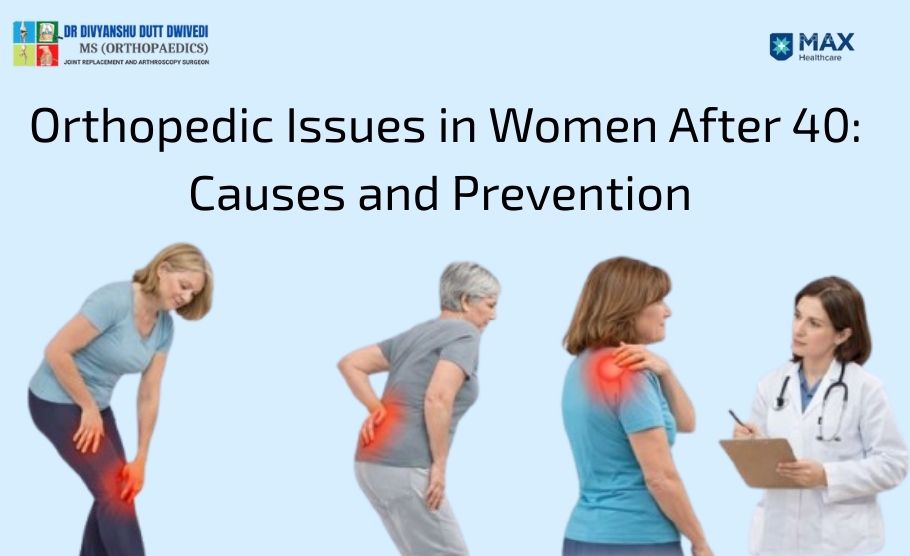
As women enter their 40s, noticeable changes begin to occur in the body, particularly affecting bones, joints, and muscles. What once felt like occasional stiffness or mild discomfort may gradually develop into persistent pain or reduced mobility. Orthopedic issues in women after 40 are common but often misunderstood or ignored until they begin interfering with daily life.
With proper awareness, early preventive care, and guidance from the Best Orthopedic Doctor in Lucknow, women can effectively manage orthopedic health and maintain an active, independent lifestyle well into later years.
Understanding Why Orthopedic Problems Increase After 40
The musculoskeletal system naturally undergoes changes with age. After 40, bone regeneration slows down, muscle mass gradually decreases, and joint cartilage begins to wear thinner. These changes are influenced by hormonal shifts, reduced physical activity, and long-term lifestyle habits.
Estrogen plays a vital role in bone strength and joint lubrication. As estrogen levels decline, particularly during perimenopause and menopause, women become more susceptible to bone loss and joint degeneration. Combined with nutritional deficiencies and modern sedentary routines, orthopedic problems become more likely during this phase of life.
Common Orthopedic Issues Faced by Women After 40
Osteoarthritis and Joint Wear
Osteoarthritis is one of the most frequently diagnosed orthopedic conditions in women over 40. It develops due to gradual breakdown of cartilage that cushions the joints. Knees, hips, hands, and the spine are most commonly affected.
Women may notice pain during movement, stiffness after rest, swelling around joints, or reduced flexibility. Without timely intervention, osteoarthritis can limit daily activities and reduce overall mobility.
Osteoporosis and Reduced Bone Strength
Osteoporosis weakens bones, making them fragile and more prone to fractures. Many women remain unaware of declining bone density until they experience a fracture after a minor fall or injury.
After menopause, bone loss accelerates, increasing the risk of fractures in the spine, hip, and wrist. Regular screening and early management play a crucial role in preventing serious complications.
Knee Pain and Degenerative Changes
Knee pain is a major complaint among women after 40. Daily wear and tear, previous injuries, excess body weight, and weakening muscles all contribute to knee joint stress.
Climbing stairs, squatting, or standing for long periods may become painful. In advanced stages where conservative treatments no longer provide relief, evaluation by the Best knee replacement doctor in lucknow may be required to restore comfort and function.
Lower Back Pain and Spinal Disorders
Lower back pain often develops due to weak core muscles, poor posture, and age-related spinal changes. Conditions such as disc degeneration and spinal stiffness are common after 40.
Long working hours, prolonged sitting, and lack of regular stretching further worsen spinal health, leading to chronic discomfort and restricted movement.
Shoulder Stiffness and Tendon Issues
Frozen shoulder is more commonly seen in women above 40 and causes pain, stiffness, and limited shoulder movement. Hormonal changes, reduced activity, and underlying health conditions increase susceptibility.
Tendon problems such as rotator cuff strain and elbow pain also become more frequent due to repetitive movements and reduced tissue elasticity.
Major Causes Behind Orthopedic Problems in Women
Hormonal Imbalance
Hormonal changes significantly affect bone density and joint health. Reduced estrogen levels increase bone resorption, making bones thinner and joints more prone to inflammation and degeneration.
Nutritional Gaps
Inadequate intake of calcium, vitamin D, and protein weakens bones and muscles over time. Many women do not meet daily nutritional requirements, increasing orthopedic risk.
Lack of Physical Activity
A sedentary lifestyle leads to muscle weakness, poor joint support, and reduced flexibility. Muscles play a crucial role in stabilizing joints, and weakened muscles increase strain on bones.
Weight Gain After 40
Metabolic changes often result in weight gain after 40. Excess body weight increases pressure on weight-bearing joints such as knees and hips, accelerating joint damage and pain.
Old Injuries and Poor Body Mechanics
Previous untreated injuries, poor posture, and improper lifting techniques slowly affect joint alignment and spinal health, contributing to chronic orthopedic conditions.
Importance of Early Medical Attention
Many women dismiss joint pain or stiffness as a normal part of aging. However, early evaluation and treatment can prevent long-term damage. Consulting the Best Orthopedic Doctor in Lucknow allows timely diagnosis and personalized care plans based on individual health needs.
Early intervention often reduces the need for invasive treatments and helps maintain mobility and independence.
Effective Prevention Strategies for Orthopedic Health
Build and Maintain Strong Bones
A diet rich in calcium, vitamin D, and protein supports bone density and muscle strength. Dairy products, green vegetables, nuts, seeds, and fortified foods should be included regularly.
Periodic testing helps identify deficiencies early so corrective measures can be taken.
Stay Physically Active
Regular physical activity keeps joints flexible and muscles strong. Weight-bearing exercises such as walking, yoga, and strength training improve bone health and balance.
Low-impact activities are particularly beneficial for women with early joint discomfort.
Protect Joint Health
Stretching exercises, warm-up routines, and proper footwear help reduce joint stress. Avoid prolonged sitting and repetitive strain without breaks.
Physiotherapy guided exercises ensure correct movement patterns and injury prevention.
Maintain Healthy Body Weight
Weight management significantly reduces pressure on joints and lowers the risk of arthritis progression. Balanced nutrition combined with regular activity is key to maintaining joint health.
Improve Posture and Daily Habits
Correct posture during sitting, standing, and sleeping protects the spine and joints. Ergonomic workspaces and posture correction exercises reduce strain and prevent chronic pain.
Reduce Fall Risk
Simple safety measures such as strength training, balance exercises, and safe home environments help prevent falls, especially in women with low bone density.
When Advanced Treatment Becomes Necessary
In cases where orthopedic conditions progress despite conservative care, advanced treatments may be required. Surgical options are considered only when pain and disability significantly impact daily life.
Joint replacement procedures, when performed at the right time, can dramatically improve mobility and quality of life. Consulting an experienced Best knee replacement doctor in lucknow ensures accurate evaluation and optimal outcomes.
Living Actively After 40
Orthopedic issues do not mean giving up an active lifestyle. With timely care, preventive strategies, and professional guidance, women can continue to enjoy daily activities, travel, and exercise without constant pain.
Consistency in self-care and medical follow-ups plays a vital role in long-term orthopedic health.
Conclusion
Orthopedic issues in women after 40 result from a combination of hormonal changes, lifestyle factors, and natural aging. Conditions such as arthritis, osteoporosis, knee pain, and spinal disorders can affect mobility and independence if ignored.
However, these problems are manageable with early awareness, preventive measures, and appropriate medical care. Seeking timely guidance from the Best Orthopedic Doctor in Lucknow helps women protect their bones and joints, maintain mobility, and improve overall quality of life.
Taking proactive steps today ensures stronger bones, healthier joints, and a more confident, pain-free future.
