
Partial Hip Replacement Surgeon in Lucknow | Consult Our Surgeon
Experiencing hip pain, stiffness, or difficulty walking? Consult a partial hip replacement surgeon in Lucknow to understand your condition, explore suitable treatment options, and receive personalised orthopaedic care.
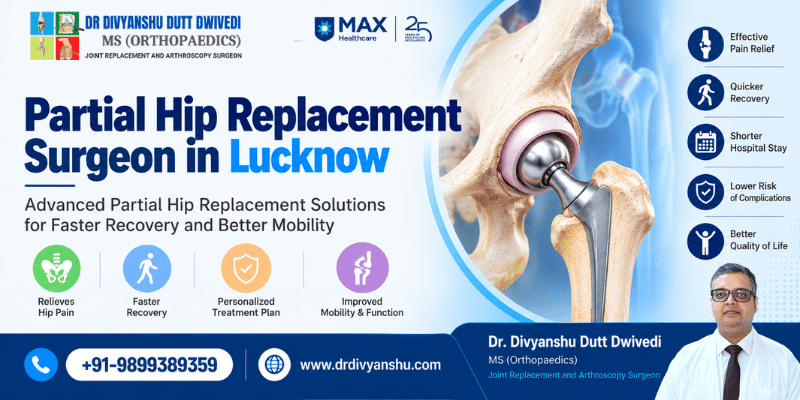
Partial Hip Replacement Surgeon in Lucknow | Hemiarthroplasty
Hip pain after a fracture can make simple activities such as standing, walking, and getting out of bed difficult. When the hip joint is seriously damaged, surgery may be considered to restore stability and help the patient regain mobility. The right treatment depends on the type of fracture, the condition of the hip joint, and the patient’s overall health.
If you are looking for a partial hip replacement surgeon in Lucknow, understanding the procedure and available treatment options can help you prepare for an informed consultation. Partial hip replacement, also known as hip hemiarthroplasty, replaces the ball-shaped head of the thigh bone with an artificial component while usually preserving the natural hip socket.
The decision to undergo surgery should always follow an individual assessment by a qualified orthopedic surgeon. This page explains when partial hip replacement may be considered, how the procedure works, what recovery involves, and which factors can affect treatment costs in Lucknow.
What Is Partial Hip Replacement Surgery?
Partial hip replacement surgery is an operation in which the damaged femoral head is replaced with an artificial component. The femoral head is the rounded upper end of the thigh bone, or femur, that fits into the socket of the pelvis.
The procedure is medically known as hemiarthroplasty or partial hip arthroplasty. Unlike total hip replacement, it generally leaves the natural acetabulum, or hip socket, in place. The artificial component is designed to work with the remaining natural joint.
Doctors may consider hemiarthroplasty for selected hip fractures, particularly certain fractures of the femoral neck. These injuries are more common among older adults, especially when weakened bones increase the risk of a fracture after a fall.
However, partial hip replacement is not suitable for every hip fracture or every patient. Some people may be better suited to fracture fixation or total hip replacement, depending on the injury, pre-existing arthritis, mobility, and medical condition.
A specialist assessment helps determine whether partial hip replacement treatment in Lucknow is an appropriate option for the individual patient.
When Is Partial Hip Replacement Recommended?
A hip fracture can affect the patient’s independence and ability to move safely. When the fracture damages the upper part of the femur, the orthopedic team examines the injury and considers the treatment most likely to support recovery.
Partial hip replacement for a hip fracture may be considered in situations such as:
- Certain displaced fractures of the femoral neck.
- Fractures in which the femoral head has a poor chance of healing adequately with fixation.
- Selected cases where replacing the femoral head is considered more appropriate than repairing the fractured bone.
- Patients whose fracture pattern, general health, and expected functional needs make hemiarthroplasty a suitable option.
The final decision is based on several clinical factors. These include the exact location and displacement of the fracture, the condition of the natural hip joint, the patient’s previous walking ability, other medical conditions, and the level of support available during recovery.
Age can influence treatment planning, but it should not be the only consideration. Two people of the same age may have different mobility levels, medical histories, and treatment needs.
A hip hemiarthroplasty specialist in Lucknow should review the available imaging and medical history before recommending a procedure. If a fracture is suspected, urgent hospital assessment is important rather than waiting for a routine appointment.
Partial Hip Replacement vs. Total Hip Replacement
Partial and total hip replacement are different procedures. Both use artificial components, but they do not replace the same parts of the hip joint.
In a partial replacement, the surgeon typically replaces the femoral head while retaining the natural socket. In a total hip replacement, the femoral head and the socket’s joint surface are replaced with artificial components.
| Feature | Partial hip replacement | Total hip replacement |
| Part replaced | Usually the femoral head | Femoral head and socket surface |
| Common consideration | Selected hip fractures | Certain fractures, advanced arthritis and other joint conditions |
| Natural socket | Usually retained | Replaced with an artificial socket component |
| Treatment choice | Depends on fracture and patient factors | Depends on joint damage, symptoms and patient factors |
Neither procedure is automatically better for every patient. For example, a patient with a suitable femoral neck fracture and a relatively healthy hip socket may be considered for hemiarthroplasty. Someone with significant pre-existing arthritis or other joint problems may require a different approach.
The surgeon should explain why a particular operation is being considered, what alternatives exist, and what benefits and risks apply to the patient’s situation.
If you are comparing partial vs. total hip replacement in Lucknow, ask the treating specialist how the fracture pattern, joint condition, and previous mobility affect the treatment recommendation.
How Is Partial Hip Replacement Surgery Performed?
The exact surgical plan depends on the fracture, the patient’s medical condition, and the selected implant. Before the operation, the healthcare team reviews the patient’s medical history, medicines, allergies, and any conditions that may affect anesthesia or recovery.
1. Examination and investigations
The surgeon examines the affected hip and reviews imaging, usually including X-rays. Additional investigations may be requested when needed to understand the injury or assess the patient’s general health.
Blood tests, heart evaluation, and an anesthesia assessment may also be required. Patients should tell the healthcare team about all prescribed medicines, over-the-counter products, and existing medical conditions.
2. Anesthesia and surgery
The procedure is performed in an operating theater under an appropriate form of anesthesia selected by the anesthesia team. The surgeon accesses the hip, treats the fractured or damaged femoral head, and places the planned artificial component.
The implant and surgical technique depend on factors such as bone quality, fracture characteristics, and the surgeon’s assessment. The team checks the joint’s stability and function before completing the operation.
3. Initial postoperative care
After surgery, the patient is monitored while the healthcare team manages pain, checks the wound, and watches for early complications. The team also assesses when it is safe to begin moving and standing with assistance.
The timing of mobilization and the amount of weight a patient can put through the leg depend on the operation and the treating team’s instructions. Patients should not assume that every person follows the same recovery plan.
Potential Benefits of Partial Hip Replacement
When hemiarthroplasty is appropriate, the main aim is to treat the fracture and help the patient return to movement and daily activities as safely as possible.
Potential benefits may include:
- Replacing the damaged femoral head when fracture repair is not the preferred option.
- Providing a stable artificial joint component.
- Supporting an early, supervised rehabilitation plan when the surgical and medical teams consider it safe.
- Helping the patient work towards standing, walking, and everyday activities with suitable assistance.
The result depends on more than the operation itself. The patient’s general health, previous mobility, bone condition, support at home, and participation in rehabilitation can all influence recovery.
Surgery cannot guarantee a return to the same level of independence a patient had before the fracture. The treating team should discuss realistic goals, likely challenges, and any additional support that may be needed.
Risks and Possible Complications
Partial hip replacement is a recognized treatment for selected hip fractures, but it remains a major surgery. Understanding the possible risks helps patients and families prepare and know when to seek medical attention.
Potential complications include:
- Wound or joint infection.
- Blood clots in the leg or, rarely, the lungs.
- Bleeding or complications related to anesthesia.
- Dislocation or instability of the artificial joint.
- Fracture around the implant or problems with the implant over time.
- Ongoing pain, stiffness, or difficulty regaining previous mobility.
The likelihood of complications varies with the patient’s health, the injury, the operation, and postoperative care. Conditions such as heart disease, diabetes, or other significant medical problems may affect the overall risk assessment.
The surgical and anesthesia teams should explain the risks relevant to the individual patient, including measures used to reduce them. Patients should follow instructions about wound care, medicines, movement, and follow-up visits.
After discharge, seek urgent medical advice for symptoms such as sudden breathing difficulty, chest pain, new severe swelling, fever with wound changes, or a sudden deterioration in hip function. Follow the hospital’s emergency instructions if serious symptoms develop.
Recovery After Partial Hip Replacement
Recovery after partial hip replacement surgery is gradual. Some patients begin sitting up, standing, or walking with assistance soon after surgery when their medical condition and surgical plan allow it. Others may need additional time and support.
Early hospital recovery
During the initial stage, the healthcare team focuses on pain control, wound care, safe movement, and prevention of complications. A physiotherapist may guide the patient through suitable movements and help them use a walker or other mobility aid.
The team will explain how much weight can be placed on the operated leg and whether any movement precautions are required. Patients should not copy exercises from another person’s recovery plan without professional guidance.
Rehabilitation at home
After discharge, recovery may involve prescribed exercises, follow-up appointments, and help with everyday tasks. Family members can make the home safer by removing loose rugs, keeping walking paths clear, improving lighting, and arranging frequently used items within easy reach.
The rehabilitation plan may focus on:
- Safe transfers between the bed, chair, and bathroom.
- Standing and walking with the recommended mobility aid.
- Following the prescribed exercise program.
- Maintaining wound hygiene and taking medicines as instructed.
- Attending follow-up visits and reporting new symptoms.
How long does recovery take?
There is no single recovery timeline for everyone. Progress depends on age, health, the nature of the fracture, strength before surgery, and the patient’s response to rehabilitation. Recovery may take weeks or months, and some people need longer-term walking assistance.
The aim is to improve mobility safely rather than rush milestones. Ask the treating team when the patient may resume specific activities, including bathing independently, climbing stairs, travelling, or returning to work.
Partial Hip Replacement Cost in Lucknow
The partial hip replacement cost in Lucknow varies by hospital, implant, room category, medical needs, and length of stay. A third-party website may display an indicative price, but that figure may not reflect the patient’s final bill or the services included.
The most reliable way to understand the expected expense is to request an itemized estimate from the hospital after the medical team has assessed the case.
What affects the total cost?
| Cost factor | Why it matters |
| Implant and surgical requirements | The planned implant and the complexity of the operation can affect charges |
| Hospital and operating theatre | Facility charges and available services differ between hospitals |
| Room category and stay | The selected room and length of admission influence the bill |
| Tests and medical assessment | Investigations and specialist reviews may add to the overall cost |
| Medicines and postoperative care | Medicines, wound care, physiotherapy and follow-up may be billed separately |
| Other health conditions | Additional monitoring or treatment can increase the total expense |
Before admission, ask whether the estimate includes the surgeon’s fees, anesthesia, implant, investigations, room, medicines, and rehabilitation. Also check what may be charged separately if the patient needs a longer stay or additional treatment.
If the patient has health insurance, contact the insurer and hospital insurance desk to confirm eligibility, required documents, pre-authorisation, and policy limits. Coverage depends on the specific policy and approval process.
Avoid choosing a treatment solely on the basis of the lowest advertised price. The priority should be an appropriate treatment plan, a clear estimate, and safe, coordinated care.
Choosing a Partial Hip Replacement Surgeon in Lucknow
When comparing a partial hip replacement doctor in Lucknow, look beyond a search ranking or promotional claim. Patients and families should confirm the surgeon’s recognized qualifications, current clinical practice, experience relevant to the injury, and the hospital where the procedure would take place.
Useful questions to ask during a consultation include:
- Is partial hip replacement appropriate for this specific fracture?
- What alternatives are available, and why is this option recommended?
- What are the main risks given the patient’s medical history?
- What type of implant and rehabilitation plan are being considered?
- How long might the hospital stay be, and what support will be needed at home?
- Who should the family contact if a problem develops after discharge?
A clear explanation of the diagnosis, treatment choices, and expected recovery helps families make informed decisions. The surgeon should also explain any uncertainty and advise whether further assessment or a second opinion would be useful.
If a family is searching for hip fracture treatment in Lucknow, suspected fractures need urgent hospital assessment. Do not delay emergency care while comparing online profiles or waiting for an elective appointment.
Consultation With Dr. Divyanshu Dutt Dwivedi
Dr. Divyanshu Dutt Dwivedi is an orthopedic specialist whose professional profile can help patients explore care options for hip and other musculoskeletal conditions. If you are considering treatment for a hip fracture or need advice about a possible joint replacement, arrange a consultation to discuss the diagnosis, available options, and expected recovery. Bring recent X-rays, medical reports, a list of medicines, and details of any existing health conditions. Ask whether partial hip replacement is appropriate for the specific case and where the procedure would be performed. To inquire about an appointment, call +91 9899389359. Confirm the doctor’s current scope of practice and consultation location when booking.
Preparing for Your Orthopaedic Consultation
A little preparation can make a medical appointment more useful. If the patient has already visited an emergency department or another hospital, bring copies of the reports and any imaging available. Do not postpone urgent treatment to collect every document.
Before the consultation, make a note of the symptoms, how the injury happened, when the pain began, and whether the patient could walk before the incident. Share details of previous hip problems, operations, allergies, and ongoing medical conditions.
It can also help to bring a family member or caregiver who can remember the instructions and assist with decisions. Ask for clarification if a medical term or treatment recommendation is unclear.
If surgery is proposed, make sure you understand the reason for the operation, alternatives, possible risks, rehabilitation needs, and expected expenses. A good treatment discussion should help the patient and family understand the next steps without promising a guaranteed outcome.
Make an Informed Decision About Hip Fracture Treatment
A hip fracture can be stressful for both the patient and family, particularly when movement becomes painful or difficult. Understanding the difference between partial and total hip replacement, knowing what recovery may involve and asking clear questions can make treatment discussions more productive.
If you are exploring partial hip replacement surgery in Lucknow, seek an individual assessment rather than relying on a general online description. The right treatment depends on the fracture, the condition of the hip joint, overall health, and the patient’s functional needs.
For consultation inquiries, call +91 9899389359 and confirm the doctor’s current practice details and suitability for your case. In a suspected hip fracture, seek urgent hospital care without delay.
FAQs About Partial Hip Replacement Surgeon in Lucknow
- Who is a partial hip replacement surgeon in Lucknow?
Choose an orthopedic surgeon with verified qualifications and relevant experience. Confirm whether they assess and perform hemiarthroplasty, where surgery occurs, and how follow-up care is arranged.
- What is partial hip replacement surgery?
Partial hip replacement, or hemiarthroplasty, usually replaces the femoral head with an artificial component while retaining the natural socket. It is commonly considered for selected hip fractures.
- When is partial hip replacement recommended?
It may be recommended for certain femoral neck fractures when replacing the femoral head is appropriate. The decision depends on fracture type, joint condition, health, and mobility.
- What is the difference between partial and total hip replacement?
Partial replacement usually replaces the femoral head, while total replacement also replaces the socket’s joint surface. The appropriate option depends on the patient’s diagnosis and clinical assessment.
- What is the cost of partial hip replacement in Lucknow?
The cost varies with the hospital, implant, room category, investigations, medical needs, and length of stay. Request an itemized estimate after the patient’s assessment.
- How long does recovery take after partial hip replacement?
Recovery varies according to health, fracture severity, and rehabilitation progress. Some patients begin assisted movement early, but regaining strength and independence can take weeks or months.
- When can a patient walk after hemiarthroplasty?
Some patients start assisted standing or walking soon after surgery when medically safe. Timing and weight-bearing instructions depend on the operation and the treating team’s advice.
- What are the risks of partial hip replacement?
Possible risks include infection, blood clots, bleeding, dislocation, implant-related problems, and anesthesia complications. The treating team can explain individual risks and steps to reduce them.
- Is physiotherapy needed after partial hip replacement?
Physiotherapy commonly supports safe movement, strength, and balance after surgery. The exercises, frequency, and walking goals should be tailored to the patient’s condition and surgical instructions.
- How can I book a consultation in Lucknow?
Call +91 9899389359 to inquire about consultation arrangements with Dr. Divyanshu Dutt Dwivedi. Confirm availability, location, and whether the specific treatment is within his current practice.
Need Expert Advice for Your Hip Condition?
Consult Dr. Divyanshu Dutt Dwivedi to understand your hip condition and explore whether partial hip replacement is an appropriate treatment option for you.
Dr. Divyanshu Dutt Dwivedi
Orthopaedic & Joint Replacement Surgeon
Max Super Speciality Hospital, Lucknow
Dr. Divyanshu Dutt Dwivedi is a well-known orthopedic surgeon in Lucknow, recognized for his expertise in treating a variety of musculoskeletal conditions. He is known as one of the Best Orthopedic Doctors in Lucknow.