Rheumatoid Arthritis Specialist in Lucknow – Dr. Divyanshu Dutt Dwivedi
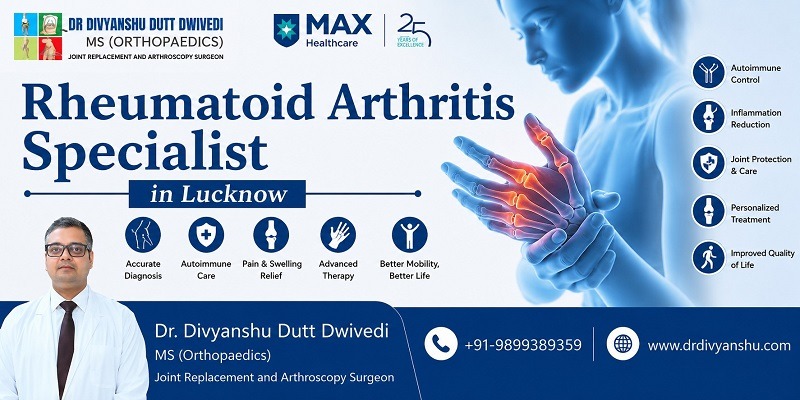
Living with persistent joint pain, swelling, and morning stiffness can make everyday activities difficult. If these symptoms continue for several weeks, they may indicate Rheumatoid Arthritis (RA), a chronic autoimmune disease that requires timely medical attention. Consulting an experienced rheumatoid arthritis specialist in Lucknow helps control inflammation, reduce pain, and prevent permanent joint damage. Dr. Divyanshu Dutt Dwivedi offers comprehensive evaluation and personalized treatment plans using evidence-based medical practices. Whether you have recently developed symptoms or have been living with RA for years, early diagnosis and appropriate treatment can significantly improve your quality of life, mobility, and long-term joint health while helping you maintain an active lifestyle.
Meet Dr. Divyanshu Dutt Dwivedi—Trusted Rheumatoid Arthritis Specialist in Lucknow
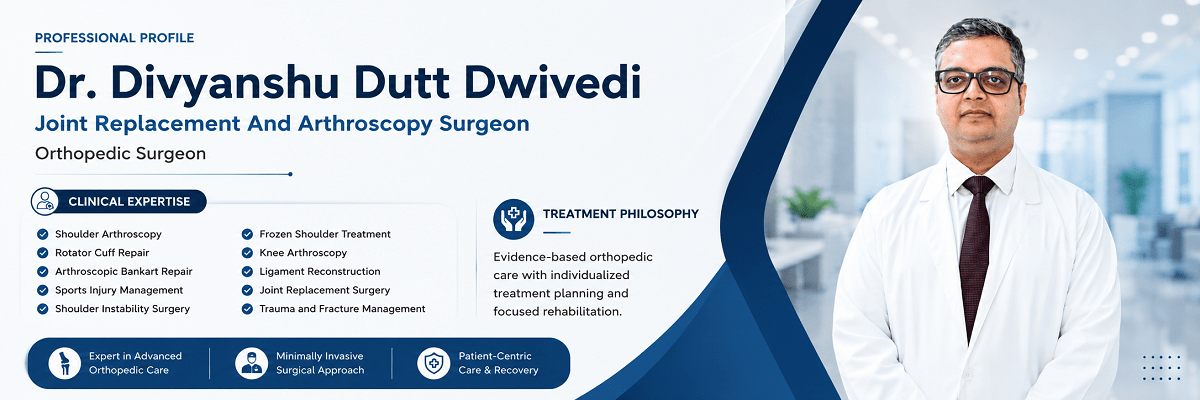
Choosing the right specialist plays an important role in successfully managing rheumatoid arthritis. Dr. Divyanshu Dutt Dwivedi is committed to delivering evidence-based orthopedic care with a patient-first approach. Every treatment plan is designed after a detailed assessment of the patient’s symptoms, functional limitations, imaging findings, and long-term health goals. By combining advanced diagnostic techniques, modern treatment protocols, rehabilitation strategies, and continuous follow-up care, he focuses on relieving pain, preserving joint function, and improving overall quality of life. Patients receive personalized guidance at every stage, ensuring informed decisions and comprehensive support throughout their treatment journey.
Why Patients Choose Dr. Divyanshu Dutt Dwivedi
Patients seeking the best reliable rheumatoid arthritis specialist in Lucknow value expertise, compassionate care, and transparent communication. Dr. Divyanshu Dutt Dwivedi provides comprehensive orthopedic management focused on long-term joint health and improved functional recovery.
Key reasons patients trust his care include the following:
- Personalized treatment plans
- Comprehensive orthopedic evaluation
- Evidence-based treatment protocols
- Advanced diagnostic assessment
- Focus on preserving joint function
- Patient-centered consultation approach
- Emphasis on rehabilitation and recovery
- Continuous follow-up and disease monitoring
This integrated approach helps patients manage symptoms effectively while maintaining an active and independent lifestyle.
What is rheumatoid arthritis?
Rheumatoid arthritis (RA) is a long-term autoimmune disorder in which the body’s immune system mistakenly attacks the protective lining of the joints, known as the synovium. This ongoing inflammation causes pain, swelling, stiffness, and gradual damage to cartilage and bone. Unlike osteoarthritis, which develops because of wear and tear, RA affects multiple joints symmetrically, commonly involving the hands, wrists, knees, feet, and ankles. Seeking treatment from a trusted rheumatoid arthritis doctor in Lucknow at the earliest stage helps slow disease progression, preserve joint function, and reduce the risk of long-term disability through a structured treatment approach tailored to each patient’s condition.
Early Signs and Symptoms of Rheumatoid Arthritis
The symptoms of rheumatoid arthritis usually begin gradually and may vary from person to person. Many individuals ignore the early warning signs, allowing inflammation to damage the joints over time. Identifying these symptoms early and consulting the best rheumatoid arthritis specialist in Lucknow can make treatment more effective.
Common symptoms include:
- Persistent pain in multiple joints
- Morning stiffness lasting more than 30 minutes
- Swelling in fingers, wrists, or feet
- Warm and tender joints
- Fatigue and reduced energy levels
- Low-grade fever in some patients
- Difficulty gripping objects
- Reduced range of joint movement
Prompt evaluation can help prevent irreversible joint deformity and improve long-term outcomes.
Why Does Rheumatoid Arthritis Develop?
Although the exact cause of rheumatoid arthritis remains unknown, researchers believe it develops because of a combination of genetic susceptibility, immune system dysfunction, and environmental triggers. Instead of protecting the body, the immune system attacks healthy joint tissues, resulting in chronic inflammation known as synovitis. If left untreated, this inflammation may lead to cartilage destruction, bone erosion, and permanent joint deformities. Consulting an experienced rheumatoid arthritis specialist in Lucknow ensures early identification of disease activity and appropriate treatment before significant joint damage occurs. Understanding the contributing factors also helps patients adopt healthier habits that may reduce disease progression and improve treatment outcomes.
Common Causes and Risk Factors
Several factors increase the likelihood of developing rheumatoid arthritis. While not everyone with these risk factors develops the disease, they contribute to a higher probability of autoimmune joint inflammation.
| Risk Factor | How It Influences Rheumatoid Arthritis |
| Family history | Increases genetic susceptibility |
| Autoimmune disorders | Raises immune system dysfunction |
| Smoking | Significantly increases disease risk and severity |
| Obesity | Promotes chronic inflammation |
| Hormonal changes | May influence immune responses |
| Age | Commonly develops between 30–60 years |
| Female gender | Women are affected more frequently than men |
Understanding these factors encourages early screening and helps individuals seek rheumatoid arthritis treatment in Lucknow before complications arise.
Which Joints Are Commonly Affected?
Rheumatoid arthritis usually affects several joints at the same time and often involves the same joints on both sides of the body. This symmetrical pattern distinguishes it from many other forms of arthritis. As inflammation progresses, everyday activities such as writing, walking, climbing stairs, or holding objects may become increasingly difficult. A qualified rheumatoid arthritis doctor in Lucknow performs a detailed clinical examination to determine the severity of joint involvement and recommend the most appropriate treatment plan.
Frequently affected joints include:
- Fingers
- Wrists
- Knees
- Ankles
- Feet
- Elbows
- Shoulders
- Hips
- Cervical spine (in advanced cases)
Early intervention helps preserve joint function and prevent deformity.
Types of Rheumatoid Arthritis
Although rheumatoid arthritis is commonly recognized as a single disease, doctors classify it into different forms based on laboratory findings and disease characteristics. Accurate classification enables a rheumatoid arthritis specialist in Lucknow to choose the most effective treatment strategy and monitor disease progression more efficiently. Some patients experience milder symptoms, while others develop aggressive inflammation that requires advanced medications such as DMARDs or biologic therapy.
The common types include:
- Seropositive Rheumatoid Arthritis (Positive Rheumatoid Factor or Anti-CCP Antibodies)
- Seronegative Rheumatoid Arthritis
- Juvenile Idiopathic Arthritis (in children)
- Early Rheumatoid Arthritis
- Established Rheumatoid Arthritis
Correct diagnosis supports better long-term disease control and improves patient outcomes.
How Rheumatoid Arthritis Affects the Body
Many people believe rheumatoid arthritis affects only the joints, but it is a systemic autoimmune disease that can involve multiple organs. Persistent inflammation may affect the heart, lungs, blood vessels, eyes, skin, and other body systems if not treated effectively. Continuous inflammation also increases the risk of osteoporosis, cardiovascular disease, and reduced physical function. Seeking care from a trusted autoimmune arthritis specialist in Lucknow helps manage both joint symptoms and associated health risks. Regular monitoring, appropriate medications, and lifestyle modifications play an essential role in controlling inflammation and maintaining overall health.
When Should You Consult a Rheumatoid Arthritis Specialist?
Persistent joint pain should never be ignored, especially when accompanied by swelling or prolonged morning stiffness. Early consultation with a top rheumatoid arthritis specialist in Lucknow allows timely diagnosis before irreversible joint damage develops. Modern treatments can effectively control inflammation, preserve mobility, and help patients continue their daily activities with greater comfort.
You should seek medical attention if you experience:
- Joint pain lasting longer than six weeks
- Swelling in multiple joints
- Morning stiffness exceeding 30 minutes
- Difficulty performing routine activities
- Recurrent joint inflammation
- Fatigue with unexplained joint discomfort
- Reduced grip strength
- Family history of autoimmune arthritis
Timely treatment offers the best chance of slowing disease progression and protecting long-term joint health.
How is rheumatoid arthritis diagnosed?
Diagnosing rheumatoid arthritis at an early stage is essential to prevent permanent joint damage and maintain long-term mobility. Since its symptoms often resemble other joint disorders, an accurate diagnosis requires a detailed medical history, physical examination, laboratory investigations, and imaging studies. An experienced rheumatoid arthritis specialist in Lucknow carefully evaluates the number of affected joints, duration of symptoms, family history, and overall health before confirming the diagnosis. Early identification allows treatment to begin before inflammation causes irreversible cartilage and bone damage. A personalized evaluation also helps determine disease severity and create an effective treatment plan based on the patient’s condition and lifestyle.
Clinical Evaluation and Diagnostic Tests
No single test can confirm rheumatoid arthritis, which is why specialists use a combination of clinical findings and diagnostic investigations. Blood tests help identify inflammation and autoimmune activity, while imaging detects early joint damage that may not yet be visible during a physical examination. These investigations also help monitor disease progression and treatment response.
| Diagnostic Test | Purpose |
| Rheumatoid Factor (RF) | Detects autoimmune antibodies associated with RA |
| Anti-CCP Antibody Test | Highly specific for Rheumatoid Arthritis |
| ESR (Erythrocyte Sedimentation Rate) | Measures inflammation levels |
| CRP (C-Reactive Protein) | Indicates active inflammation |
| Complete Blood Count (CBC) | Evaluates overall health and anemia |
| X-ray | Detects bone erosion and joint damage |
| Ultrasound | Identifies early synovitis and joint inflammation |
| MRI Scan | Reveals soft tissue changes and early cartilage damage |
Accurate diagnosis enables a rheumatoid arthritis doctor in Lucknow to begin targeted treatment before permanent joint destruction occurs.
Stages of Rheumatoid Arthritis
The progression of rheumatoid arthritis varies among individuals, but understanding its stages helps patients appreciate the importance of early intervention. Without appropriate treatment, inflammation gradually damages cartilage, ligaments, and bones, leading to reduced joint function. Seeking timely rheumatoid arthritis treatment in Lucknow can significantly slow disease progression and preserve mobility.
Stage 1 – Early Rheumatoid Arthritis
- Mild inflammation of the synovium
- Morning stiffness and occasional joint pain
- No visible bone damage
Stage 2 – Moderate Rheumatoid Arthritis
- Cartilage damage begins
- Increased swelling and stiffness
- Reduced joint movement
Stage 3 – Severe Rheumatoid Arthritis
- Significant bone erosion
- Joint instability and deformity
- Persistent pain and disability
Stage 4 – End-Stage Rheumatoid Arthritis
- Permanent joint destruction
- Loss of normal joint function
- Surgery may become necessary.
Early diagnosis remains the most effective strategy for preventing advanced joint damage.
Goals of Rheumatoid Arthritis Treatment
Modern rheumatoid arthritis treatment in Lucknow focuses on controlling inflammation, relieving pain, protecting joints, and helping patients maintain an active lifestyle. Every patient experiences RA differently, making personalized treatment plans essential for achieving the best possible outcomes. Treatment is designed not only to relieve current symptoms but also to reduce future complications and improve overall quality of life.
The primary goals include:
- Reduce joint inflammation
- Relieve pain and stiffness
- Prevent cartilage and bone damage
- Preserve joint function
- Improve mobility
- Reduce disease flare-ups
- Minimize long-term disability
- Enhance overall quality of life
With timely intervention and regular follow-up, many patients achieve sustained disease control and continue their daily activities with confidence.
Medications Used for Rheumatoid Arthritis
Medication forms the foundation of rheumatoid arthritis management. The choice of medicine depends on disease severity, symptom duration, laboratory findings, and the patient’s overall health. An experienced rheumatoid arthritis specialist in Lucknow regularly reviews treatment effectiveness and adjusts medications when required to achieve optimal disease control.
Common medications include:
- Disease-Modifying Anti-Rheumatic Drugs (DMARDs) such as methotrexate, sulfasalazine, and hydroxychloroquine
- Biologic Therapies for moderate to severe RA
- JAK inhibitors for patients requiring advanced targeted therapy
- Non-Steroidal Anti-Inflammatory Drugs (NSAIDs) for temporary pain relief
- Corticosteroids to control severe inflammation during disease flare-ups
Regular monitoring ensures medications remain both effective and safe while minimizing potential side effects.
Advanced Biologic Therapy and Targeted Treatment
Medical advancements have transformed the treatment of rheumatoid arthritis, offering highly targeted therapies for patients who do not respond adequately to conventional medications. Biologic therapy and JAK inhibitors work by blocking specific inflammatory pathways responsible for joint damage. These treatments help reduce disease activity, improve physical function, and slow structural joint destruction. A skilled autoimmune arthritis specialist in Lucknow carefully evaluates each patient’s medical history before recommending advanced therapy. Regular follow-up and monitoring help maximize treatment effectiveness while ensuring patient safety. Personalized treatment decisions play a vital role in achieving long-term disease remission.
Role of Physiotherapy and Rehabilitation
Medication alone is not sufficient for managing rheumatoid arthritis. A structured rehabilitation program helps maintain flexibility, strengthen muscles, and improve joint function. Physiotherapy also reduces stiffness and enhances mobility, allowing patients to perform everyday activities more comfortably. When combined with medical treatment, rehabilitation significantly improves long-term outcomes.
Key benefits of physiotherapy include:
- Improves joint flexibility
- Increases muscle strength
- Reduces stiffness
- Enhances balance and coordination
- Improves posture
- Supports pain management
- Prevents muscle weakness
- Promotes functional independence
A customized rehabilitation program helps patients regain confidence while protecting affected joints from further stress.
Lifestyle Changes That Support Rheumatoid Arthritis Treatment
Healthy lifestyle habits complement medical treatment and contribute to better disease control. Although lifestyle modifications cannot cure rheumatoid arthritis, they can reduce inflammation, improve energy levels, and support joint health. A rheumatoid arthritis specialist in Lucknow often recommends sustainable daily habits that work alongside prescribed medications.
Helpful lifestyle practices include:
- Maintain a healthy body weight
- Stay physically active with low-impact exercises
- Avoid smoking and tobacco products
- Get adequate sleep each night
- Manage stress through relaxation techniques
- Follow medications as prescribed
- Attend regular follow-up appointments
- Protect joints during daily activities
These changes help improve treatment outcomes and reduce the frequency of disease flare-ups.
Diet and Nutrition for Rheumatoid Arthritis
A balanced diet supports overall health and may help reduce inflammation associated with rheumatoid arthritis. While no specific diet can eliminate RA, consuming nutrient-rich foods can strengthen the immune system, maintain a healthy weight, and improve overall well-being. Patients should consult their healthcare provider before making major dietary changes, especially if they are taking long-term medications.
Foods that support joint health include:
- Fresh fruits and vegetables
- Whole grains
- Fatty fish rich in omega-3 fatty acids
- Nuts and seeds
- Low-fat dairy products
- Lean protein sources
- Olive oil
- Adequate water intake
Limiting processed foods, sugary beverages, excessive salt, and trans fats may also help reduce inflammation and support overall health.
Can Rheumatoid Arthritis Be Prevented?
Although there is no guaranteed way to prevent rheumatoid arthritis, early recognition of symptoms and timely medical care can significantly reduce its long-term impact. Individuals with a family history of autoimmune diseases or persistent joint symptoms should seek evaluation without delay. Early diagnosis, regular monitoring, healthy lifestyle habits, and evidence-based treatment can slow disease progression and preserve joint function. Consulting an experienced best rheumatoid arthritis specialist in Lucknow at the first sign of persistent joint pain offers the best opportunity to maintain mobility, reduce complications, and enjoy a better quality of life through comprehensive, patient-centered care.
When is surgery recommended for rheumatoid arthritis?
Most patients with rheumatoid arthritis achieve good symptom control through medications, physiotherapy, and lifestyle modifications. However, surgery may become necessary when severe joint damage causes persistent pain, deformity, or significant loss of function despite comprehensive medical treatment. An experienced rheumatoid arthritis specialist in Lucknow carefully evaluates clinical symptoms, imaging findings, and overall joint health before recommending any surgical procedure. The primary objective is to relieve pain, restore movement, improve stability, and help patients regain independence. Early intervention with appropriate treatment often delays or prevents the need for surgery, making regular follow-up essential for long-term joint preservation.
Surgical Treatment Options for Rheumatoid Arthritis
When conservative treatments no longer provide adequate relief, surgical intervention may improve mobility and quality of life. The procedure is selected according to the affected joint, the severity of damage, and the patient’s functional requirements. Dr. Divyanshu Dutt Dwivedi recommends surgery only after a thorough evaluation and discussion of the expected outcomes.
Common surgical procedures include:
- Total Knee Replacement for advanced knee damage
- Hip replacement surgery for severely affected hip joints
- Shoulder replacement for painful shoulder arthritis
- Synovectomy to remove inflamed synovial tissue
- Tendon repair for damaged tendons
- Joint fusion for selected small joints
- Corrective surgery for joint deformities
Modern surgical techniques combined with structured rehabilitation help restore movement and reduce pain.
What Happens During Your Treatment Journey?
Managing rheumatoid arthritis requires continuous care rather than a one-time treatment. Every patient receives an individualized management plan based on disease severity, symptoms, and lifestyle goals. A personalized approach allows better disease control while minimizing complications and improving long-term outcomes.
Your treatment journey generally includes:
- Detailed medical consultation and physical examination
- Blood investigations and imaging studies
- Accurate diagnosis and disease staging
- Personalized medication planning
- Physiotherapy and rehabilitation guidance
- Lifestyle and nutritional counseling
- Regular monitoring of disease activity
- Long-term follow-up to optimize treatment
This comprehensive approach ensures that every aspect of joint health is addressed throughout the treatment process.
Benefits of Early Rheumatoid Arthritis Treatment
Early diagnosis and appropriate treatment significantly improve the long-term outlook for individuals with rheumatoid arthritis. Beginning treatment before permanent joint damage occurs increases the chances of maintaining normal function and reducing disease progression. Patients who receive timely care often experience fewer complications and better overall health outcomes.
Benefits include:
- Reduced joint pain and inflammation
- Improved mobility and flexibility
- Prevention of irreversible joint damage
- Better response to medications
- Lower risk of disability
- Improved quality of life
- Greater independence in daily activities
- Long-term preservation of joint function
Early intervention remains one of the most effective strategies for successful disease management.
Take the First Step Toward Better Joint Health
Persistent joint pain, swelling, and stiffness should never be ignored. Early evaluation by an experienced rheumatoid arthritis specialist in Lucknow can help prevent irreversible joint damage and improve your quality of life. Dr. Divyanshu Dutt Dwivedi provides comprehensive diagnosis, personalized treatment plans, advanced orthopedic care, and long-term support for patients living with rheumatoid arthritis. Whether your symptoms are recent or long-standing, timely intervention can make a significant difference in preserving mobility and maintaining independence. To receive expert guidance and compassionate care, call +91-9899389359 today and schedule your consultation to begin your journey toward healthier, pain-free joints.
FAQs About Rheumtoid Arthritis Doctor in Lucknow
- What is rheumatoid arthritis?
Rheumatoid arthritis is a chronic autoimmune disease in which the immune system attacks healthy joint tissues, causing inflammation, pain, stiffness, and gradual joint damage.
- Who should consult a rheumatoid arthritis specialist in Lucknow?
Anyone experiencing persistent joint pain, swelling, morning stiffness lasting more than 30 minutes, or difficulty performing daily activities should consult a rheumatoid arthritis specialist in Lucknow.
- Is rheumatoid arthritis curable?
There is currently no permanent cure, but early diagnosis and appropriate treatment can effectively control inflammation, reduce symptoms, and slow disease progression.
- Which blood tests help diagnose rheumatoid arthritis?
Common investigations include rheumatoid factor (RF), anti-CCP antibody, ESR, CRP, and other laboratory tests recommended by your specialist.
- Can rheumatoid arthritis affect organs other than joints?
Yes. In some patients, it may affect the lungs, heart, eyes, skin, and blood vessels, making timely treatment especially important.
- What medications are commonly used?
Treatment may include DMARDs, biologic therapy, JAK inhibitors, NSAIDs, and corticosteroids, depending on disease severity.
- Is surgery always required?
No. Most patients respond well to medical management, physiotherapy, and lifestyle changes. Surgery is considered only when severe joint damage significantly affects daily life.
- Can exercise help rheumatoid arthritis?
Yes. Low-impact exercises and physiotherapy improve flexibility, strengthen muscles, and support joint function when performed under professional guidance.
- What foods are beneficial for rheumatoid arthritis?
A balanced diet rich in fruits, vegetables, whole grains, lean proteins, healthy fats, and omega-3 fatty acids supports overall health and complements medical treatment.
- How can I book an appointment?
To schedule a consultation with Dr. Divyanshu Dutt Dwivedi, call +91-9899389359 for expert evaluation and personalized treatment planning.
