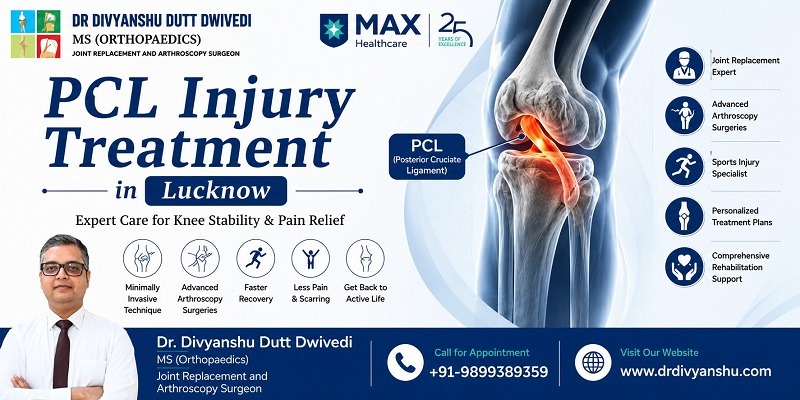
PCL-Injury-Treatment-in-Lucknow-1.jpg

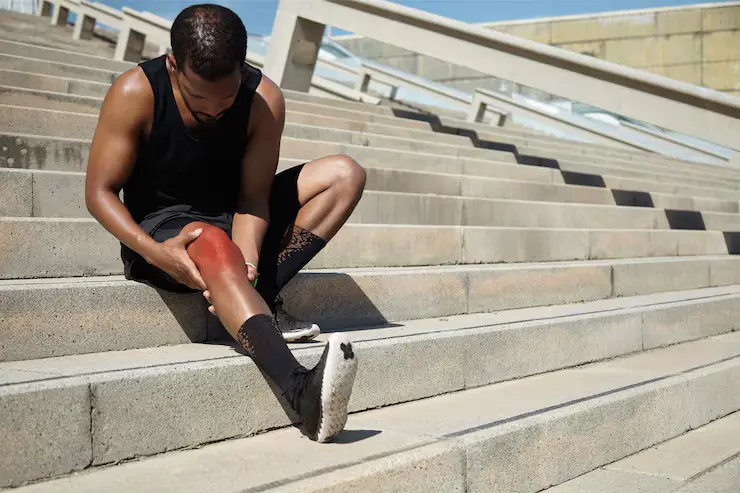
A Posterior Cruciate Ligament (PCL) injury can make everyday activities such as walking, climbing stairs, driving, or playing sports painful and unstable. The PCL is one of the strongest ligaments in the knee, but a sudden impact, road accident, sports injury, or fall can cause it to stretch or tear. Without timely treatment, a PCL injury may lead to chronic knee instability, cartilage damage, and early arthritis. 

If you are looking for PCL Injury Treatment in Lucknow, Dr. Divyanshu Dutt Dwivedi provides comprehensive diagnosis, advanced non-surgical care, and minimally invasive arthroscopic reconstruction tailored to each patient’s condition. Recognized as one of the Best PCL Injury Specialists in Lucknow, he focuses on restoring knee stability, reducing pain, and helping patients safely return to their daily activities and sports with personalized rehabilitation and evidence-based orthopedic care.

Meet Dr. Divyanshu Dutt Dwivedi for PCL Injury Treatment in Lucknow
Dr. Divyanshu Dutt Dwivedi

When it comes to PCL Injury Treatment in Lucknow, choosing an experienced orthopedic surgeon is essential for achieving the best possible recovery. Dr. Divyanshu Dutt Dwivedi is a highly skilled Orthopedic, Joint Replacement, Arthroscopy, and Sports Injury Specialist dedicated to providing advanced, evidence-based care for patients with knee ligament injuries. Whether you have a partial PCL tear, complete ligament rupture, or a complex multi-ligament knee injury, he offers personalized treatment plans tailored to your condition, lifestyle, and recovery goals. 

From accurate diagnosis and non-surgical management to advanced arthroscopic PCL Reconstruction Surgery, every treatment is focused on restoring knee stability, relieving pain, and helping patients return to their daily activities and sports safely. His patient-centric approach, modern surgical techniques, and structured rehabilitation programs have made him a trusted choice for individuals seeking the Best PCL Injury Specialist in Lucknow.

Clinical Expertise

  • Advanced PCL Injury Treatment and Ligament Reconstruction
  • Arthroscopic Knee Ligament Surgery
  • Sports Injury Management
  • ACL, PCL & Multi-Ligament Reconstruction
  • Knee Arthroscopy and Minimally Invasive Procedures
  • Meniscus Injury Treatment
  • Knee Pain and Instability Management
  • Personalized Rehabilitation and Recovery Planning
  • Complex Knee Trauma Management
  • Comprehensive Orthopedic and Joint Care

Clinic Information

Doctor: Dr. Divyanshu Dutt Dwivedi
Specialization: Orthopedic Surgeon | Joint Replacement | Arthroscopy & Sports Injury Specialist

Address:
S9, 2nd floor, OPD wing, Max Superspeciality Hospital, Hahnemann Chauraha Rd, Viraj Khand – 1, Viraj Khand, Gomti Nagar, Lucknow, Uttar Pradesh 226010 

Phone: +91-9899389359

Website: www.drdivyanshu.com

Book an Appointment: Consult Dr. Divyanshu Dutt Dwivedi today for expert PCL Injury Treatment in Lucknow and receive personalized orthopedic care using advanced diagnostic and arthroscopic treatment techniques.

What is a PCL Injury?

The Posterior Cruciate Ligament (PCL) is one of the four major ligaments that stabilize the knee joint. It connects the thigh bone (femur) to the shin bone (tibia) and prevents the tibia from moving excessively backward. A PCL injury occurs when this ligament is stretched, partially torn, or completely ruptured due to a high-impact force. Common causes include road traffic accidents, sports injuries, and direct blows to the front of the knee. Patients with a damaged PCL often experience pain, swelling, stiffness, and knee instability. Seeking early PCL Tear Treatment in Lucknow helps prevent long-term joint damage and improves recovery through accurate diagnosis and timely medical intervention.

Understanding the Role of the Posterior Cruciate Ligament (PCL)

The Posterior Cruciate Ligament plays a vital role in maintaining knee stability during walking, running, jumping, and sudden directional movements. Working together with the ACL, meniscus, cartilage, and surrounding muscles, the PCL keeps the knee joint properly aligned while supporting body weight. It is particularly important for athletes and physically active individuals who perform rapid movements or high-impact activities. When the PCL is injured, even simple tasks may become uncomfortable because the knee loses its natural stability. Proper evaluation by the Best PCL Injury Specialist in Lucknow helps determine the severity of the injury and allows treatment to begin before complications develop.

Symptoms of a PCL Injury

The symptoms of a PCL injury may vary depending on the severity of the ligament damage. Mild injuries often cause discomfort during movement, while complete tears can significantly affect knee function. Early recognition of these symptoms allows patients to receive appropriate PCL Injury Treatment in Lucknow before the condition worsens.

Common symptoms include:

  • Pain behind or inside the knee
  • Swelling after the injury
  • Difficulty walking comfortably
  • Feeling that the knee may give way
  • Reduced range of knee movement
  • Stiffness during bending or straightening
  • Pain while climbing or descending stairs
  • Instability during sports or physical activities

If these symptoms persist after an injury, an orthopedic consultation should not be delayed.

Common Causes of PCL Injuries

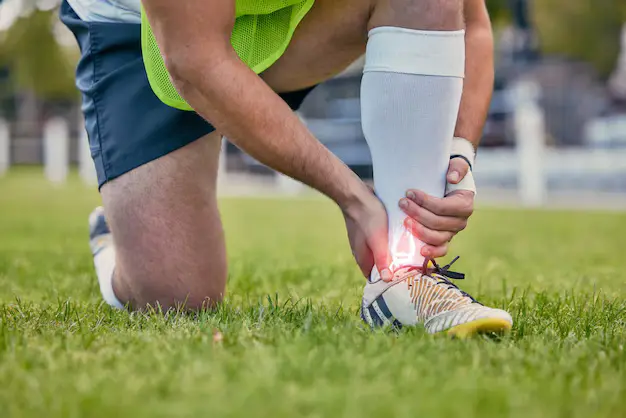
A PCL injury usually occurs when a strong force pushes the shin bone backward while the knee is bent. Although less common than ACL injuries, PCL tears are frequently associated with high-impact trauma and sports accidents. Identifying the exact cause helps the orthopedic specialist recommend the most suitable treatment plan.

Cause Description
Road Traffic Accident Dashboard impact pushing the knee backward
Sports Injury Football, cricket, kabaddi, basketball, and other contact sports
Fall Landing on a bent knee with force
Direct Blow Impact to the front of the knee during an accident
Workplace Trauma Heavy objects striking the knee or accidental falls

Prompt evaluation reduces the risk of long-term knee instability and additional ligament damage.

Who is at Risk of Developing a PCL Injury?

Although anyone can suffer a PCL injury, certain individuals have a higher risk because of their profession, lifestyle, or sports participation. High-impact activities place additional stress on the knee ligaments, increasing the possibility of injury. Understanding these risk factors encourages early preventive measures and timely treatment.

People at greater risk include:

  • Professional and recreational athletes
  • Football and cricket players
  • Kabaddi and wrestling participants
  • Gym enthusiasts performing heavy lifting
  • Motorcyclists involved in road accidents
  • Individuals working in physically demanding occupations
  • People with previous ligament injuries
  • Those participating in adventure sports

Early assessment by Dr. Divyanshu Dutt Dwivedi helps minimize complications and supports a faster, safer recovery.

Types and Grades of PCL Injuries

The severity of a PCL injury is classified into different grades based on the extent of ligament damage. This grading helps determine whether conservative treatment or surgical reconstruction is the most appropriate option. Accurate diagnosis is essential for selecting the right treatment strategy.

Grade Description Recommended Treatment
Grade I Mild stretching of the ligament Rest, brace, physiotherapy
Grade II Partial ligament tear Conservative treatment with rehabilitation
Grade III Complete ligament tear May require PCL Reconstruction Surgery in Lucknow
Grade IV Multiple ligament injuries with severe instability Advanced arthroscopic ligament reconstruction

Correct grading through clinical examination and imaging ensures better long-term knee stability and function.

ACL vs PCL Injury: Understanding the Difference

Although both the Anterior Cruciate Ligament (ACL) and Posterior Cruciate Ligament (PCL) are essential for knee stability, they differ in their function, injury mechanism, and treatment approach. Many patients confuse these two injuries because the symptoms may appear similar. However, an accurate diagnosis is necessary to select the right treatment plan. Consulting the Best PCL Injury Specialist in Lucknow helps identify the injured ligament through a detailed physical examination and imaging tests. Early diagnosis ensures timely management, prevents additional knee damage, and supports a quicker return to normal daily activities and sports.

Feature ACL Injury PCL Injury
Ligament Function Prevents the tibia from moving forward Prevents the tibia from moving backward
Common Cause Sudden twisting, pivoting, or landing Dashboard injury, direct impact, fall on a bent knee
Frequency More common Less common
Symptoms Instability, popping sensation, swelling Knee pain, swelling, backward instability
Treatment Physiotherapy or ACL reconstruction Conservative care or PCL Reconstruction Surgery depending on severity

When Should You Consult a PCL Injury Specialist?

Ignoring knee pain after an accident or sports injury can lead to long-term complications. While some mild ligament injuries improve with conservative care, persistent symptoms should never be overlooked. If your knee feels unstable or painful even after a few days, it is advisable to consult an orthopedic specialist. Early diagnosis allows timely treatment, reduces recovery time, and lowers the risk of permanent joint damage. Seeking PCL Injury Treatment in Lucknow from an experienced orthopedic surgeon ensures a personalized treatment plan based on your injury grade, activity level, age, and overall health.

You should consult a specialist if you experience:

  • Persistent knee pain after trauma
  • Swelling that does not improve
  • Difficulty walking or climbing stairs
  • Feeling that the knee is unstable
  • Reduced knee movement
  • Recurrent knee injuries during sports
  • Pain lasting more than a few days despite rest

How is a PCL Injury Diagnosed?

Accurate diagnosis is the foundation of successful PCL Tear Treatment in Lucknow. An orthopedic specialist begins by reviewing your medical history, understanding how the injury occurred, and evaluating your symptoms. This is followed by a detailed physical examination to assess knee stability, swelling, tenderness, and range of motion. Specialized ligament stability tests help determine whether the PCL has been stretched or torn. If additional injuries to the ACL, meniscus, cartilage, or surrounding ligaments are suspected, advanced imaging studies are recommended. A comprehensive diagnosis allows Dr. Divyanshu Dutt Dwivedi to recommend the most effective treatment strategy while minimizing the risk of future complications.

Diagnostic Tests for PCL Injuries

Modern diagnostic imaging plays a crucial role in confirming the severity of a PCL injury and identifying associated damage within the knee joint. These investigations help create a customized treatment plan for every patient. Combining clinical assessment with imaging ensures a highly accurate diagnosis and better surgical planning whenever reconstruction is required.

Common diagnostic tests include:

  • Physical examination and ligament stability tests
  • Posterior Drawer Test
  • Sag Sign Test
  • MRI Scan to evaluate ligament tears
  • X-ray to detect fractures or bone injuries
  • CT Scan in selected complex trauma cases

These investigations provide valuable information before deciding between conservative management and PCL Reconstruction Surgery in Lucknow.

Non-Surgical PCL Injury Treatment

Not every PCL injury requires surgery. Patients with Grade I or Grade II injuries often recover successfully through a structured rehabilitation program. Conservative treatment focuses on reducing pain, controlling swelling, restoring knee stability, and strengthening the muscles supporting the joint. Following the rehabilitation plan carefully is essential for achieving the best outcomes and preventing recurrent instability. Under the supervision of Dr. Divyanshu Dutt Dwivedi, every patient receives a personalized recovery program based on the severity of the ligament injury and individual functional goals.

Non-surgical treatment options include:

  • Rest and activity modification
  • Ice application for pain and swelling
  • Compression and elevation
  • Knee brace for stability
  • Anti-inflammatory medications
  • Physiotherapy and muscle strengthening
  • Balance and coordination exercises
  • Gradual return to daily activities

Many patients regain excellent knee function without surgery when treatment begins early.

When is PCL Reconstruction Surgery Required?

Surgery is generally recommended for patients with complete ligament tears, severe knee instability, multiple ligament injuries, or those who wish to return to high-level sports. If conservative treatment fails to relieve symptoms, surgical reconstruction provides a reliable solution for restoring knee stability. PCL Reconstruction Surgery in Lucknow is performed using advanced arthroscopic techniques that require only small incisions, resulting in less pain, minimal blood loss, and faster rehabilitation. The primary objective is to reconstruct the damaged ligament using a suitable graft and restore the knee’s natural biomechanics for long-term function.

Surgery may be recommended if:

  • Complete Grade III or Grade IV PCL tear
  • Combined ACL and PCL injuries
  • Multiple ligament injuries
  • Persistent knee instability
  • Failure of physiotherapy
  • Active athletes returning to competitive sports
  • Chronic PCL injuries causing functional limitations

Advanced Arthroscopic PCL Reconstruction Procedure

Arthroscopic surgery has become the preferred technique for treating severe PCL injuries because it is minimally invasive and allows precise ligament reconstruction. During the procedure, a small camera called an arthroscope is inserted into the knee joint, enabling the surgeon to visualize damaged structures with exceptional clarity. The torn ligament is reconstructed using an appropriate graft, which is carefully fixed to restore knee stability. This advanced approach reduces surgical trauma, minimizes infection risk, shortens hospital stay, and supports faster rehabilitation. Under the expertise of Dr. Divyanshu Dutt Dwivedi, patients receive individualized surgical care aimed at achieving long-term knee function, improved mobility, and a safe return to active living.

Benefits of Arthroscopic PCL Reconstruction

Modern arthroscopic techniques have significantly improved the outcomes of PCL Injury Treatment in Lucknow. Compared to traditional open surgery, arthroscopy offers greater precision, quicker recovery, and fewer postoperative complications. Most patients experience better knee stability and can gradually return to normal activities with guided rehabilitation. Choosing an experienced arthroscopy specialist further enhances surgical success and long-term functional recovery.

Key benefits include:

  • Minimally invasive procedure
  • Smaller surgical incisions
  • Reduced postoperative pain
  • Lower risk of infection
  • Less blood loss
  • Faster rehabilitation
  • Improved knee stability
  • Better cosmetic results
  • Early return to routine activities
  • High long-term success rate with proper rehabilitation

Recovery Timeline After PCL Injury Treatment

Recovery after a PCL injury depends on several factors, including the severity of the ligament tear, the chosen treatment approach, the patient’s age, and commitment to rehabilitation. Patients undergoing conservative treatment often recover faster than those requiring ligament reconstruction, although every case is unique. Following your orthopedic surgeon’s advice and physiotherapy schedule is essential for restoring strength, flexibility, and knee stability. During your recovery, regular follow-up appointments help monitor healing and ensure a safe progression toward normal activities. Dr. Divyanshu Dutt Dwivedi creates personalized rehabilitation plans to help patients achieve the best possible long-term outcomes.

Recovery Stage Expected Progress
Week 1–2 Pain and swelling management, protected weight-bearing
Week 3–6 Improved knee movement and muscle strengthening
Week 6–12 Functional exercises and balance training
Month 3–6 Advanced strengthening and sports-specific rehabilitation
Month 6–9 Return to sports and high-impact activities (if medically advised)

Physiotherapy and Rehabilitation After PCL Injury

Physiotherapy plays a vital role in successful PCL Injury Treatment in Lucknow, whether the injury is managed conservatively or surgically. A structured rehabilitation program helps restore muscle strength, improve knee stability, increase flexibility, and reduce the risk of reinjury. Rehabilitation progresses gradually under professional supervision to ensure safe healing of the reconstructed or injured ligament. Patients who actively participate in physiotherapy usually regain better knee function and confidence during daily activities. At every stage of recovery, Dr. Divyanshu Dutt Dwivedi closely monitors progress and modifies rehabilitation goals according to the patient’s healing response and activity requirements.

A rehabilitation program may include:

  • Range-of-motion exercises
  • Quadriceps strengthening
  • Hamstring flexibility exercises
  • Balance and coordination training
  • Gait correction
  • Functional strengthening
  • Sports-specific rehabilitation
  • Gradual return-to-activity program

What Happens if a PCL Injury is Left Untreated?

Ignoring a Posterior Cruciate Ligament (PCL) injury can lead to progressive knee problems that affect mobility and overall quality of life. Although some mild injuries may heal with conservative care, untreated moderate or severe ligament tears can cause chronic instability and excessive stress on the knee joint. Over time, this may damage the meniscus, cartilage, and surrounding ligaments, increasing the risk of early osteoarthritis. Timely consultation with the Best PCL Injury Specialist in Lucknow helps prevent these long-term complications through appropriate diagnosis and treatment before permanent joint damage occurs.

Possible complications include:

  • Chronic knee instability
  • Recurrent ligament injuries
  • Meniscus tears
  • Cartilage damage
  • Early knee arthritis
  • Persistent pain and swelling
  • Reduced athletic performance
  • Difficulty performing daily activities

How Can You Prevent a PCL Injury?

While not every ligament injury can be prevented, adopting healthy habits and proper training techniques can significantly reduce the risk of a PCL tear. Athletes, fitness enthusiasts, and individuals involved in physically demanding occupations should focus on strengthening the muscles that support the knee joint. Wearing appropriate protective equipment, maintaining proper exercise techniques, and avoiding unnecessary trauma are equally important. Preventive strategies not only reduce the likelihood of injury but also improve overall knee function and long-term joint health.

Helpful prevention tips include:

  • Warm up before physical activities
  • Strengthen the thigh and core muscles
  • Practice proper sports techniques
  • Wear protective sports equipment
  • Maintain a healthy body weight
  • Avoid sudden twisting movements
  • Increase training intensity gradually
  • Seek medical advice after any significant knee injury

Why Choose Dr. Divyanshu Dutt Dwivedi for PCL Injury Treatment in Lucknow?

Choosing the right orthopedic surgeon is one of the most important decisions for achieving a successful recovery from a ligament injury. Dr. Divyanshu Dutt Dwivedi is dedicated to providing evidence-based orthopedic care with a patient-first approach. Every patient undergoes a comprehensive clinical assessment followed by an individualized treatment plan based on the severity of the injury, activity level, and recovery goals. Whether conservative management or advanced arthroscopic reconstruction is required, the focus remains on restoring knee stability, reducing pain, and helping patients return to an active lifestyle safely. Patients seeking the Best PCL Injury Specialist in Lucknow benefit from modern treatment techniques, transparent communication, and continuous rehabilitation support throughout their recovery journey.

Why Patients Trust Dr. Divyanshu Dutt Dwivedi

Patients choose Dr. Divyanshu Dutt Dwivedi because of his commitment to personalized orthopedic care, advanced surgical expertise, and compassionate patient management. Every treatment plan is designed to deliver long-term relief while preserving natural knee function. From initial consultation to rehabilitation, patients receive comprehensive support aimed at restoring mobility and improving quality of life.

Key reasons to choose our orthopedic care:

  • Comprehensive evaluation of every knee injury
  • Expertise in sports injury and ligament treatment
  • Advanced arthroscopic surgical techniques
  • Personalized rehabilitation programs
  • Patient-focused treatment planning
  • Evidence-based orthopedic care
  • Modern diagnostic approach
  • Long-term follow-up and recovery guidance

Conclusion

A Posterior Cruciate Ligament (PCL) injury should never be ignored, as delayed treatment can result in chronic knee instability, cartilage damage, and long-term joint problems. Whether your injury requires conservative management or advanced arthroscopic reconstruction, receiving timely care from an experienced orthopedic specialist greatly improves recovery and long-term knee function. If you are experiencing persistent knee pain, swelling, or instability after an accident or sports injury, consult Dr. Divyanshu Dutt Dwivedi for a detailed evaluation and individualized treatment plan. Early diagnosis, evidence-based care, and structured rehabilitation can help you regain confidence, restore mobility, and return safely to your daily routine and sporting activities.

Book Your Appointment Today

If you are searching for PCL Injury Treatment in Lucknow, PCL Tear Treatment in Lucknow, or the Best PCL Injury Specialist in Lucknow, schedule your consultation with Dr. Divyanshu Dutt Dwivedi. Every patient receives a comprehensive assessment, accurate diagnosis, and a personalized treatment plan using the latest orthopedic techniques. Whether your condition can be managed conservatively or requires arthroscopic ligament reconstruction, our goal is to restore knee stability, relieve pain, and help you return to an active and healthy lifestyle.

Call Now: +91-9899389359

Frequently Asked Questions (FAQs)

  1. What is a PCL injury?

A PCL injury occurs when the Posterior Cruciate Ligament is stretched or torn due to trauma, sports injuries, or road accidents, resulting in knee pain and instability.

  1. Can a PCL tear heal without surgery?

Yes. Mild and partial PCL tears often recover successfully with physiotherapy, bracing, and activity modification. Severe tears may require surgical reconstruction.

  1. When is PCL surgery necessary?

Surgery is usually recommended for complete ligament tears, persistent knee instability, multiple ligament injuries, or when conservative treatment fails.

  1. Is MRI necessary for diagnosing a PCL injury?

MRI is considered the most reliable imaging method for confirming the extent of ligament damage and identifying associated injuries.

  1. How long does recovery take after PCL reconstruction?

Most patients recover gradually over six to nine months, depending on rehabilitation, overall health, and adherence to physiotherapy.

  1. Can I walk with a torn PCL?

Many patients can still walk, but they may experience pain, instability, or discomfort, especially during weight-bearing activities.

  1. Is arthroscopic surgery safe?

Yes. Arthroscopic ligament reconstruction is a well-established minimally invasive procedure with excellent outcomes when performed by an experienced orthopedic surgeon.

  1. What sports commonly cause PCL injuries?

Football, cricket, kabaddi, basketball, wrestling, skiing, and other contact sports commonly contribute to PCL injuries.

  1. Can a PCL injury lead to arthritis?

Yes. Untreated ligament injuries may increase stress on the knee joint, contributing to cartilage damage and early osteoarthritis.

  1. Who is the Best PCL Injury Specialist in Lucknow?

Dr. Divyanshu Dutt Dwivedi provides comprehensive evaluation, advanced PCL Injury Treatment in Lucknow, and personalized rehabilitation for patients with sports injuries and ligament disorders.
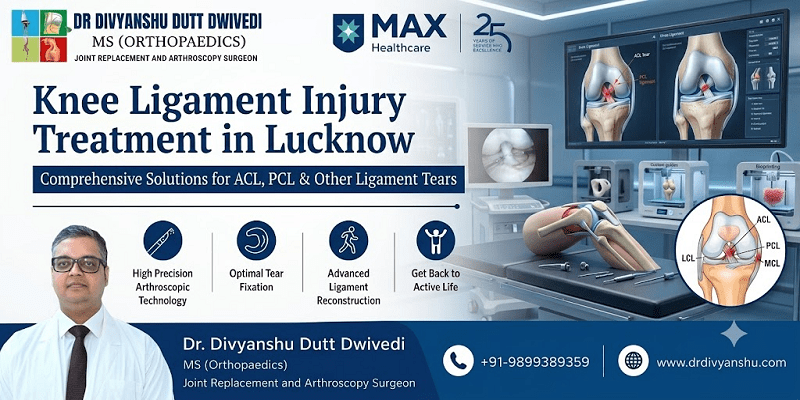
Knee-Ligament-Injury-Treatment-in-Lucknow.png

A knee ligament injury can make simple activities like walking, climbing stairs, or playing sports difficult and painful. If left untreated, it may lead to chronic knee instability, cartilage damage, and early arthritis. Seeking timely medical care from an experienced orthopedic specialist is essential for restoring normal knee function and preventing long-term complications.

If you are looking for Knee Ligament Injury Treatment in Lucknow, Dr. Divyanshu Dutt Dwivedi offers comprehensive diagnosis and advanced treatment for all types of knee ligament injuries. As a trusted Knee Ligament Surgeon in Lucknow, Knee Ligament Doctor in Lucknow, and Knee Ligament Specialist in Lucknow, he provides personalized treatment plans using the latest arthroscopic techniques. Whether your injury is sports-related or caused by trauma, the goal is to relieve pain, restore stability, and help you return to your active lifestyle safely.

What Are Knee Ligaments?

Knee ligaments are strong bands of connective tissue that connect the bones of the knee joint and provide stability during movement. They control the forward, backward, and side-to-side motion of the knee while supporting activities such as walking, running, jumping, and changing direction. Damage to these ligaments can cause pain, swelling, instability, and difficulty bearing weight.

The four major knee ligaments include:

  • Anterior Cruciate Ligament (ACL) – Controls forward movement of the shin bone.
  • Posterior Cruciate Ligament (PCL) – Prevents the shin bone from moving backward.
  • Medial Collateral Ligament (MCL) – Stabilizes the inner side of the knee.
  • Lateral Collateral Ligament (LCL) – Supports the outer side of the knee.

Early Knee Ligament Injury Treatment in Lucknow helps preserve knee function and reduces the risk of long-term joint damage.

Types of Knee Ligament Injuries

Different ligaments perform different functions, and each type of injury requires a specific treatment approach. A thorough examination and MRI help determine the affected ligament and the severity of the injury.

Ligament Function Common Cause
ACL Prevents forward movement of the tibia Sudden twisting, sports injuries
PCL Prevents backward movement of the tibia Road accidents, direct impact
MCL Stabilizes the inner knee Side impact during sports
LCL Stabilizes the outer knee Direct blow to the inside of the knee

Dr. Divyanshu Dutt Dwivedi carefully evaluates every patient before recommending the most appropriate Knee Ligament Treatment in Lucknow, ensuring personalized care and better recovery outcomes.

Symptoms of a Knee Ligament Injury

The symptoms of a ligament injury vary depending on the affected ligament and the severity of the tear. While some patients experience immediate pain after an injury, others notice instability or swelling over the following hours.

Common symptoms include:

  • Sudden knee pain after an injury
  • A popping sound at the time of injury
  • Swelling around the knee joint
  • Difficulty walking or bearing weight
  • Knee instability or giving way
  • Reduced range of motion
  • Pain while climbing stairs
  • Difficulty running or playing sports
  • Stiffness in the knee joint

If these symptoms persist, consult Dr. Divyanshu Dutt Dwivedi, an experienced Knee Ligament Doctor in Lucknow, for an accurate diagnosis and timely treatment.

Common Causes and Risk Factors

Knee ligament injuries can occur during sports, accidents, or everyday activities that place excessive stress on the knee joint. Understanding the cause of the injury helps determine the most effective treatment plan.

Common causes include:

  • Sports involving sudden turning movements
  • Football, cricket, badminton, basketball, and volleyball
  • Road traffic accidents
  • Falls from height
  • Direct impact to the knee
  • Sudden stopping while running
  • Landing awkwardly after a jump
  • Weak thigh and leg muscles
  • Previous knee injuries
  • Obesity, which increases pressure on the knee joint

Early evaluation and Knee Ligament Injury Treatment in Lucknow can prevent further damage and improve the chances of a successful recovery, whether through conservative management or advanced arthroscopic surgery.

Grades of Knee Ligament Injuries

Knee ligament injuries are classified according to the extent of damage. Identifying the injury grade helps determine whether conservative treatment or Knee Ligament Surgery in Lucknow is the most suitable option. A detailed clinical examination and MRI scan provide valuable information about the severity of the injury and help create an individualized treatment plan.

Grade Description Recommended Treatment
Grade I Mild stretching of the ligament without a tear Rest, medication, physiotherapy
Grade II Partial ligament tear with moderate instability Knee brace, rehabilitation, or surgery in selected cases
Grade III Complete ligament tear with significant instability Knee Ligament Repair Surgery in Lucknow or ligament reconstruction

Early consultation with Dr. Divyanshu Dutt Dwivedi, a trusted Knee Ligament Specialist in Lucknow, improves the chances of restoring knee stability and preventing long-term complications.

When Should You See a Knee Ligament Doctor in Lucknow?

Many people continue their daily routine despite knee pain, believing it will improve with time. However, delaying treatment may worsen the ligament injury and increase the risk of cartilage damage, meniscus tears, and early arthritis. Prompt evaluation is especially important after a sports injury or road accident.

You should consult a Knee Ligament Doctor in Lucknow if you experience:

  • Severe knee pain after twisting or falling
  • Persistent swelling that does not improve
  • A popping sound at the time of injury
  • Knee instability or frequent giving way
  • Difficulty walking or standing
  • Inability to fully bend or straighten the knee
  • Recurrent pain during physical activity
  • Limited participation in sports due to knee discomfort

Seeking timely Knee Ligament Injury Treatment in Lucknow allows early diagnosis and improves the success of both non-surgical and surgical treatment.

Diagnosis of Knee Ligament Injuries

An accurate diagnosis is the first step toward effective treatment. Dr. Divyanshu Dutt Dwivedi performs a comprehensive evaluation to identify the injured ligament, assess knee stability, and determine the severity of the damage before recommending the most appropriate treatment.

Diagnosis generally includes:

  • Detailed medical history and injury assessment
  • Physical examination of the knee
  • Ligament stability tests
  • Digital X-rays to rule out fractures
  • MRI scan to evaluate ligament tears, meniscus injuries, and cartilage damage

MRI is considered the gold standard for diagnosing ligament injuries because it provides detailed images of the soft tissues within the knee. Early diagnosis enables timely Knee Ligament Treatment in Lucknow, helping patients recover faster and reduce the risk of future joint problems.

Non-Surgical Knee Ligament Treatment

Not every ligament injury requires surgery. Mild sprains and partial ligament tears often respond well to conservative treatment when started early. The treatment plan depends on the injured ligament, activity level, and degree of knee instability.

Non-surgical treatment may include:

  • Rest and activity modification
  • Ice application to reduce swelling
  • Anti-inflammatory medications
  • Knee braces for additional support
  • Physiotherapy to strengthen muscles
  • Balance and coordination exercises
  • Gradual return to normal activities

Patients with persistent instability, complete ligament tears, or high physical demands may require Knee Ligament Surgery in Lucknow for optimal recovery. Dr. Divyanshu Dutt Dwivedi carefully evaluates each case before recommending surgery, ensuring that treatment is tailored to the patient’s specific condition and lifestyle.

When Is Knee Ligament Surgery in Lucknow Recommended?

While many mild ligament injuries improve with rehabilitation, some patients require surgery to restore knee stability and prevent long-term joint damage. The decision depends on the type of ligament injury, severity of the tear, activity level, age, and overall health of the patient.

Your orthopedic surgeon may recommend Knee Ligament Surgery in Lucknow if you have:

  • A complete ACL, PCL, MCL, or LCL tear
  • Persistent knee instability despite physiotherapy
  • Combined ligament and meniscus injuries
  • Difficulty walking or performing daily activities
  • Recurrent knee giving way
  • Sports-related injuries requiring full knee function
  • Failure of conservative treatment
  • Young and physically active lifestyle

Dr. Divyanshu Dutt Dwivedi, an experienced Knee Ligament Surgeon in Lucknow, recommends surgery only after a detailed clinical assessment and MRI evaluation to ensure the best long-term outcome.

What Is Arthroscopic Knee Ligament Injury Treatment in Lucknow?

Arthroscopy is a modern, minimally invasive surgical technique used to diagnose and treat knee ligament injuries through small incisions. A tiny camera called an arthroscope is inserted into the knee joint, allowing the surgeon to clearly visualize the damaged ligament and perform precise repair or reconstruction.

Benefits of arthroscopic surgery include:

  • Small incisions with minimal scarring
  • Less post-operative pain
  • Reduced blood loss
  • Lower risk of infection
  • Faster recovery
  • Shorter hospital stay
  • Better visualization of the knee joint
  • Early return to daily activities

As a trusted Knee Ligament Specialist in Lucknow, Dr. Divyanshu Dutt Dwivedi performs advanced arthroscopic procedures with a focus on restoring knee stability while preserving healthy joint structures.

Step-by-Step Procedure of Knee Ligament Surgery

Understanding the surgical process helps patients feel more confident before treatment. Arthroscopic ligament surgery is performed under appropriate anesthesia and is carefully planned according to the injured ligament and the patient’s functional needs.

The procedure generally includes:

  1. Administration of anesthesia for patient comfort.
  2. Small keyhole incisions around the knee.
  3. Insertion of an arthroscope to examine the joint.
  4. Assessment of ligament damage and associated injuries.
  5. Repair or reconstruction of the torn ligament using advanced surgical techniques.
  6. Confirmation of knee stability and proper ligament tension.
  7. Closure of the incisions with sutures and application of a sterile dressing.

Most patients are discharged on the same day or within 24 hours, depending on the complexity of the surgery and their overall condition.

Benefits of Knee Ligament Injury Treatment in Lucknow

Timely treatment helps restore knee function, reduce pain, and prevent future joint problems. Whether managed conservatively or surgically, the primary goal is to regain stability and allow patients to return to an active lifestyle.

Key benefits include:

  • Relief from knee pain and instability
  • Restoration of normal knee movement
  • Improved balance and joint stability
  • Reduced risk of cartilage and meniscus damage
  • Better athletic performance after recovery
  • Lower chances of developing early osteoarthritis
  • Faster return to work and sports
  • Improved long-term knee health

With comprehensive care from Dr. Divyanshu Dutt Dwivedi, patients receive personalized treatment plans that focus on lasting recovery, safe rehabilitation, and excellent functional outcomes.

ACL Reconstruction Surgery

The Anterior Cruciate Ligament (ACL) is one of the most commonly injured knee ligaments, especially among athletes and physically active individuals. A complete ACL tear often requires surgical reconstruction because the ligament has limited ability to heal on its own. ACL Reconstruction Surgery replaces the damaged ligament with a graft, restoring knee stability and helping patients return to sports and daily activities.

Dr. Divyanshu Dutt Dwivedi performs advanced arthroscopic ACL reconstruction using modern surgical techniques that ensure precise graft placement and long-term joint stability. As an experienced Knee Ligament Doctor in Lucknow, he also evaluates associated injuries such as meniscus tears or cartilage damage and treats them during the same procedure whenever required. Early reconstruction followed by structured rehabilitation significantly improves recovery and reduces the risk of recurrent knee instability.

Recovery After Knee Ligament Injury Treatment in Lucknow

Recovery after Knee Ligament Injury Treatment in Lucknow depends on the type of ligament injured, the treatment performed, and the patient’s commitment to rehabilitation. Following the prescribed recovery plan helps restore strength, stability, and normal knee function while reducing the risk of re-injury.

A typical recovery timeline includes:

  • First 2 Weeks: Pain and swelling gradually reduce, and gentle knee movement begins.
  • 2–6 Weeks: Walking improves with guided physiotherapy and strengthening exercises.
  • 6–12 Weeks: Muscle strength, balance, and knee flexibility continue to improve.
  • 3–6 Months: Most patients resume daily activities, while athletes gradually return to sports after medical clearance.

Dr. Divyanshu Dutt Dwivedi closely monitors recovery at every stage to ensure safe healing and the best possible functional outcome.

Physiotherapy and Rehabilitation

Physiotherapy is one of the most important parts of successful Knee Ligament Injury Treatment in Lucknow. A structured rehabilitation program strengthens the muscles around the knee, restores flexibility, and improves balance, allowing patients to return to their normal lifestyle with confidence.

The rehabilitation program generally includes:

  • Pain and swelling management
  • Range of motion exercises
  • Quadriceps and hamstring strengthening
  • Balance and coordination training
  • Gait correction and walking practice
  • Functional and sports-specific exercises
  • Gradual return to physical activities

Patients are advised to follow the rehabilitation schedule carefully and attend regular follow-up appointments. Consistent physiotherapy plays a vital role in achieving long-term knee stability and preventing future ligament injuries.

Possible Risks and Complications

Although modern arthroscopic procedures are considered safe, every surgical treatment carries some potential risks. Choosing an experienced Knee Ligament Surgeon in Lucknow and following post-operative instructions significantly reduces the likelihood of complications.

Possible risks include:

  • Infection
  • Bleeding
  • Blood clot formation
  • Knee stiffness
  • Temporary swelling
  • Graft failure or ligament re-tear
  • Delayed healing
  • Rare nerve or blood vessel injury

With advanced surgical techniques, sterile operating conditions, and personalized rehabilitation, Dr. Divyanshu Dutt Dwivedi strives to minimize these risks and provide the highest standard of orthopedic care.

Success Rate of Knee Ligament Injury Treatment

The success of Knee Ligament Injury Treatment in Lucknow depends on early diagnosis, accurate surgical technique, proper rehabilitation, and patient commitment to recovery. Most patients regain excellent knee stability and return to their daily routine or sports after completing their rehabilitation program.

Factors that improve treatment outcomes include:

  • Early orthopedic consultation
  • Accurate MRI diagnosis
  • Advanced arthroscopic surgery
  • Timely ligament reconstruction when required
  • Dedicated physiotherapy
  • Healthy body weight and active lifestyle
  • Following post-operative instructions

Under the expert care of Dr. Divyanshu Dutt Dwivedi, patients benefit from evidence-based treatment focused on restoring knee function, improving mobility, and achieving long-term joint health.

Cost of Knee Ligament Injury Treatment in Lucknow

The cost of Knee Ligament Injury Treatment in Lucknow varies depending on the injured ligament, the severity of the tear, diagnostic investigations, surgical technique, implants, hospital facilities, and rehabilitation requirements. Every patient requires an individualized treatment plan, so the overall cost may differ from case to case.

The treatment cost may include:

  • Orthopedic consultation
  • Clinical examination
  • MRI and diagnostic investigations
  • Arthroscopic ligament surgery, if required
  • Surgical implants or grafts
  • Hospital charges
  • Medicines
  • Physiotherapy and follow-up visits

For an accurate diagnosis, personalized treatment plan, and cost estimate, consult Dr. Divyanshu Dutt Dwivedi. To book your appointment, call +91-9899389359.

Why Choose Dr. Divyanshu Dutt Dwivedi for Knee Ligament Injury Treatment in Lucknow?

Choosing the right orthopedic specialist plays a crucial role in achieving a successful recovery after a knee ligament injury. Dr. Divyanshu Dutt Dwivedi is committed to providing evidence-based orthopedic care with a strong focus on accurate diagnosis, minimally invasive treatment, and long-term joint preservation. As an experienced Knee Ligament Surgeon in Lucknow, Knee Ligament Doctor in Lucknow, and Knee Ligament Specialist in Lucknow, he offers personalized treatment plans for patients of all age groups.

Why Patients Trust Dr. Divyanshu Dutt Dwivedi

  • Expertise in Knee Ligament Injury Treatment in Lucknow
  • Advanced arthroscopic ligament reconstruction techniques
  • Personalized treatment for ACL, PCL, MCL, and LCL injuries
  • Comprehensive sports injury management
  • Modern diagnostic and rehabilitation protocols
  • Patient-focused treatment with transparent communication
  • Complete care from diagnosis to recovery
  • Emphasis on faster rehabilitation and long-term knee stability

Whether you are an athlete, working professional, or senior citizen, you receive individualized care aimed at restoring confidence, mobility, and an active lifestyle.

About Dr. Divyanshu Dutt Dwivedi

Dr. Divyanshu Dutt Dwivedi Banner
Dr. Divyanshu Dutt Dwivedi

Dr. Divyanshu Dutt Dwivedi is a highly skilled orthopedic and arthroscopy specialist with extensive experience in treating knee ligament injuries, sports-related trauma, and complex joint conditions. He specializes in minimally invasive arthroscopic procedures that help patients recover faster while preserving the natural function of the knee joint.

His treatment philosophy focuses on delivering personalized care based on detailed clinical evaluation, advanced imaging, and evidence-based treatment protocols. Every patient receives a customized treatment plan designed to reduce pain, improve mobility, and support long-term joint health.

Areas of Expertise

  • Knee Ligament Injury Treatment
  • ACL Reconstruction Surgery
  • PCL, MCL, and LCL Injury Management
  • Arthroscopic Knee Surgery
  • Sports Injury Treatment
  • Meniscus Repair Surgery
  • Cartilage Restoration Procedures
  • Shoulder Arthroscopy
  • Fracture and Trauma Management
  • Comprehensive Rehabilitation and Return-to-Sports Programs

For expert consultation, diagnosis, and advanced treatment, contact Dr. Divyanshu Dutt Dwivedi at +91-9899389359.

Book an Appointment for Knee Ligament Injury Treatment in Lucknow

Persistent knee pain, instability, or swelling should never be ignored. Early diagnosis and appropriate treatment can prevent long-term joint damage and help you return to an active, pain-free lifestyle. If you are looking for expert Knee Ligament Injury Treatment in Lucknow, Dr. Divyanshu Dutt Dwivedi offers comprehensive care using advanced arthroscopic techniques and evidence-based treatment protocols.

From accurate diagnosis and personalized treatment planning to minimally invasive surgery and guided rehabilitation, every stage of your care is focused on restoring knee strength, stability, and mobility. Whether you have an ACL, PCL, MCL, or LCL injury, you can expect compassionate care and modern orthopedic solutions tailored to your needs.

Call +91-9899389359 today to schedule your consultation with Dr. Divyanshu Dutt Dwivedi and take the first step toward a stronger, healthier, and pain-free knee.

FAQs For Knee Ligaments Injury Treatment in Lucknow

  1. What is the best treatment for a knee ligament injury?

The best treatment depends on the type and severity of the injury. Mild ligament sprains often improve with rest, medication, and physiotherapy, while complete tears may require Knee Ligament Surgery in Lucknow to restore stability.

  1. Can a torn knee ligament heal without surgery?

Partial ligament tears can often heal with conservative treatment. However, complete ACL and certain complex ligament injuries usually require surgical reconstruction for optimal knee function.

  1. How do I know if I have a ligament tear?

Common signs include a popping sound during injury, severe knee pain, swelling, instability, difficulty walking, and limited range of motion. An MRI scan confirms the diagnosis.

  1. How long does Knee Ligament Surgery take?

Most arthroscopic ligament reconstruction procedures are completed within 60 to 120 minutes, depending on the complexity of the injury.

  1. Is arthroscopic ligament surgery safe?

Yes. Arthroscopic surgery is considered a safe and minimally invasive procedure with smaller incisions, less pain, faster recovery, and a lower risk of complications compared to traditional open surgery.

  1. When can I walk after ligament surgery?

Most patients begin walking with support shortly after surgery. Your orthopedic surgeon will recommend weight-bearing based on the type of ligament repaired or reconstructed.

  1. How long is the recovery after ligament reconstruction?

Recovery generally takes six to nine months, although athletes may require additional rehabilitation before returning to competitive sports.

  1. What happens if a ligament tear is left untreated?

Untreated ligament injuries may cause chronic knee instability, repeated injuries, cartilage damage, meniscus tears, and an increased risk of developing osteoarthritis.

  1. Can I return to sports after treatment?

Yes. With proper surgery, rehabilitation, and medical clearance, many patients successfully return to sports and physically demanding activities.

  1. Why choose Dr. Divyanshu Dutt Dwivedi for Knee Ligament Injury Treatment in Lucknow?

Dr. Divyanshu Dutt Dwivedi provides comprehensive orthopedic care using advanced arthroscopic techniques, personalized treatment plans, and structured rehabilitation programs to help patients achieve the best possible recovery and long-term knee health.


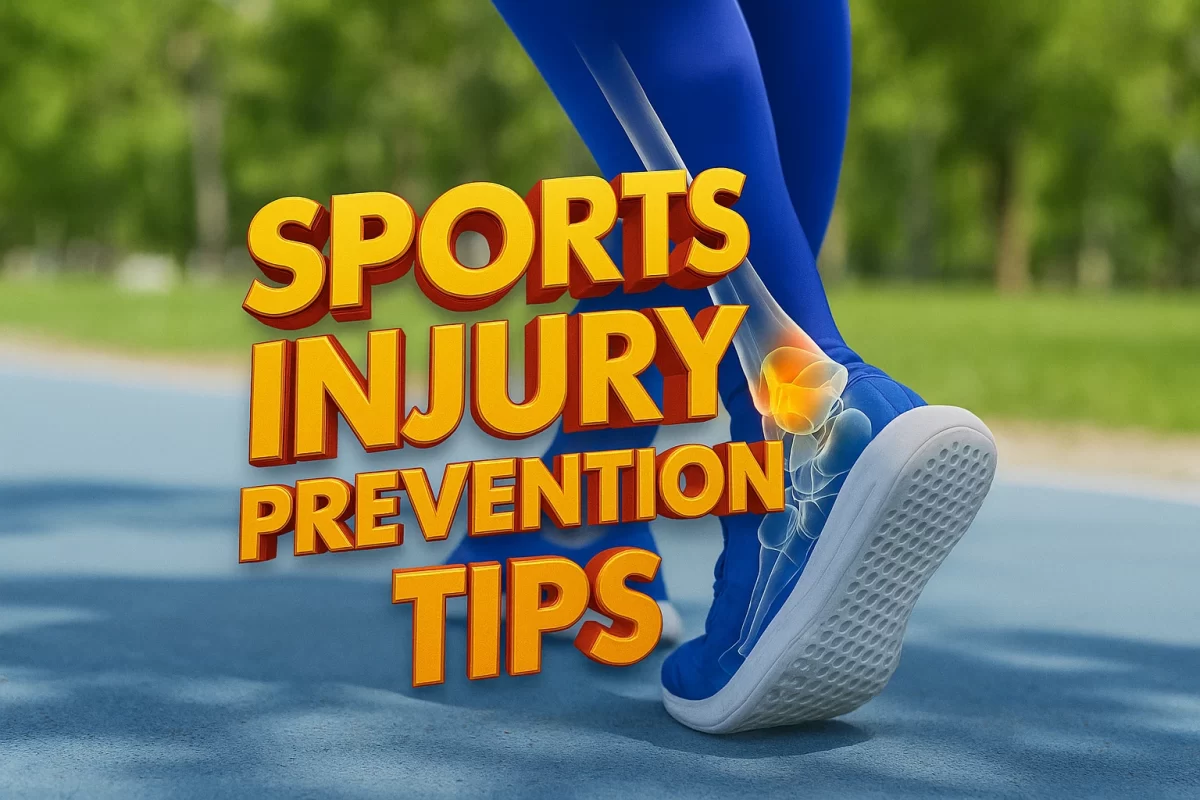
Sports-Injury-Prevention-Tips-Best-Sports-Injury-Surgeon-in-Lucknow.webp-1200x800.webp

Introduction: Why Preventing Sports Injuries Should Be Your First Priority - Expert Advice from the Best Sports Injury Surgeon in Lucknow

Every athlete or fitness enthusiast dreams of performing at their best without being held back by injuries. However, in the pursuit of performance, one crucial aspect often gets overlooked-injury prevention. According to Dr Divyanshu Dutt Dwivedi who is amongst the best sports injury surgeon in Lucknow, most sports-related injuries can be avoided by simply following a proper warm-up and stretching routine before engaging in any form of physical activity.

Whether you’re a professional athlete training for competition or someone who enjoys daily workouts, the way you prepare your body before exercise plays a major role in your overall safety and performance. According to the best sports injury surgeon in Lucknow, a structured warm-up prepares the muscles, joints, and cardiovascular system for the demands of exercise. Moreover, the best sports injury surgeon in Lucknow emphasizes that proper stretching ensures your muscles remain flexible and resilient against sudden strains or tears.

As emphasized by the Dr Divyanshu, skipping this crucial step can lead to a higher risk of injuries such as sprains, muscle pulls, joint pain, or even chronic issues that might require surgical interventions in the future. In severe cases, untreated sports injuries can progress into joint degeneration.

The good news is that by dedicating just a few minutes to a proper warm-up and stretching routine, you can not only safeguard yourself from painful injuries but also enhance your overall athletic performance. The best sports injury surgeon in Lucknow explains that these simple steps significantly reduce the risk of muscle tears and joint strain. According to the best sports injury surgeon in Lucknow, warm-up and stretching together form the foundation of every injury-free and effective workout.

Understanding the Importance of Warm-Up Before Exercise

A warm-up is not just a casual beginning to your exercise routine—it’s a physiological process that prepares the body for intense activity. The best sports injury surgeon in Lucknow highlights that a proper warm-up gradually elevates your heart rate, increases blood circulation, and delivers oxygen and nutrients to your muscles. According to the best sports injury surgeon in Lucknow, this process makes your body more responsive, flexible, and resistant to sudden shocks or strains that could otherwise lead to injury.

When you start exercising without warming up, your muscles remain cold and tight, your joints lack lubrication, and your heart rate is not yet adjusted to physical exertion. The best sports injury surgeon in Lucknow warns that this can create sudden stress on tendons, ligaments, and muscles, significantly increasing the risk of injury. That is why the best sports injury surgeon in Lucknow consistently stresses the importance of preparing your body before diving into vigorous movements.

Key Benefits of a Proper Warm-Up

A well-structured warm-up offers numerous physiological and mechanical benefits that directly contribute to injury prevention and enhanced performance, as emphasized by the best sports injury surgeon in Lucknow. According to the best sports injury surgeon in Lucknow, incorporating a proper warm-up routine ensures your muscles and joints are ready for activity, reducing the risk of strains and improving overall athletic performance.

  • Improved Blood Circulation: A warm-up increases the blood flow to your muscles, ensuring they receive more oxygen and nutrients, which enhances endurance and reduces stiffness.
  • Enhanced Flexibility: Gentle, progressive movements loosen tight muscles, making them more elastic and ready for intense activity.
  • Joint Mobility: As joints warm up, the production of synovial fluid increases, which lubricates them and reduces friction, improving overall movement efficiency.
  • Better Muscle Coordination: Gradual activation of muscles and the nervous system improves coordination, reducing the likelihood of missteps or awkward movements that lead to injuries.
  • Reduced Risk of Injury: By preparing your body for physical stress, a warm-up significantly lowers the chances of muscle tears, sprains, and joint injuries.
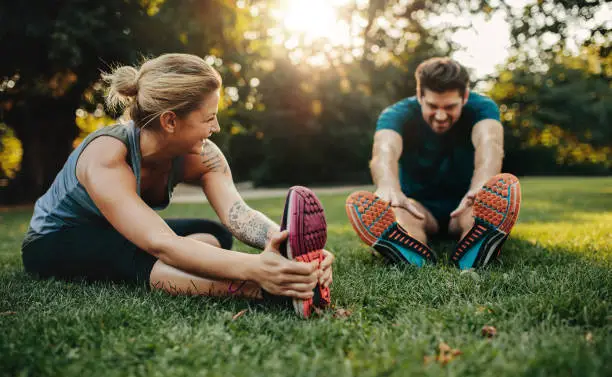
Athlete stretching before workout guided by the Best Sports Injury Surgeon in Lucknow

Expert-Approved Warm-Up Routine by the Best Sports Injury Surgeon in Lucknow

To gain maximum benefit, Dr Divyanshu Dutt Dwivedi recommends including the following elements in every warm-up session:

  • Start with Light Aerobic Activity: Engage in 5–10 minutes of brisk walking, jogging, or cycling to raise your heart rate and core temperature.
  • Incorporate Dynamic Movements: Perform movements such as arm swings, hip circles, or leg swings to loosen joints and muscles.
  • Add Sport-Specific Drills: Mimic the key movements of your sport or activity to prime the muscles you’ll use most.
  • Gradually Increase Intensity: Build up to the level of effort you’ll sustain during your main workout so that your body transitions smoothly.

Neglecting this process can leave your muscles unprepared, making you more vulnerable to acute injuries and overuse problems that might eventually require assessment from the best sports injury surgeon in Lucknow. The best sports injury surgeon in Lucknow also warns that skipping warm-ups can compromise performance and increase recovery time after workouts.

The Role of Stretching in Sports Injury Prevention

While a warm-up prepares your body for action, stretching ensures your muscles remain flexible and strong throughout movement. The best sports injury surgeon in Lucknow emphasizes that stretching helps maintain a healthy range of motion in the joints, enhances flexibility, and reduces tension within muscles. According to the best sports injury surgeon in Lucknow, flexible muscles are better equipped to handle stress and sudden force, lowering the risk of tears and strains.

Stretching can be categorized into two main types:

  1. Dynamic Stretching – Performed before a workout, it involves controlled, repetitive movements that prepare muscles for activity.
  2. Static Stretching – Performed after a workout, it involves holding a position for a specific duration to relax and lengthen muscles.

Each type plays a distinct role in preventing sports injuries and improving muscular performance.

Benefits of Stretching

The sports physicians recommend regular stretching for athletes and active individuals due to its long-term benefits:

  • Increases Flexibility: Enhances the length and elasticity of muscles, allowing greater movement efficiency.
  • Improves Posture: Regular stretching can correct muscular imbalances and alignment issues.
  • Prepares Muscles for Activity: Reduces stiffness and tension before exercise, helping prevent injuries.
  • Facilitates Recovery: After workouts, stretching aids in muscle relaxation and minimizes soreness.
  • Promotes Joint Health: Keeps joints supple and reduces the risk of degenerative issues like arthritis.
Warm-up routine for injury prevention advised by the Best Sports Injury Surgeon in Lucknow

Effective Stretching Techniques Recommended by the Best Sports Injury Surgeon in Lucknow

Here are stretching practices widely recommended by orthopedic experts:

  • Dynamic Stretching Before Workouts: Includes exercises like walking lunges, torso twists, or shoulder rolls to activate muscles.
  • Static Stretching After Workouts: Focus on holding stretches such as hamstring stretches or quadriceps stretches for 20–30 seconds.
  • Target Major Muscle Groups: Prioritize large muscle groups like calves, hamstrings, quadriceps, shoulders, and back for balanced flexibility.
  • Stretch Gradually and Smoothly: Avoid bouncing or jerky movements that can cause microtears.
  • Stay Consistent: Incorporate stretching into your daily routine for lasting results.

Athletes who neglect stretching often experience tightness, stiffness, and recurring muscle strains, which, over time, can lead to chronic issues requiring intervention from the best sports injury surgeon in Lucknow. The best sports injury surgeon in Lucknow also notes that regular stretching helps prevent long-term joint and muscle problems, keeping athletes injury-free.

How Warm-Up and Stretching Work Together for Injury Prevention

The best sports injury surgeon in Lucknow highlights that warm-up and stretching are most effective when performed together. A warm-up elevates body temperature and prepares muscles for movement, while stretching ensures those muscles remain pliable and responsive. When combined, they build a protective foundation that helps prevent:

  • Muscle strains and pulls
  • Ligament sprains
  • Tendon inflammation
  • Overuse injuries
  • Joint stiffness

This integrated approach also enhances performance, as prepared muscles respond faster, work more efficiently, and recover more effectively after exertion.

Combined Benefits

When you make both warm-up and stretching part of your routine, you gain multiple advantages:

  • Better Muscle Efficiency: Warm muscles with increased oxygen supply perform more effectively.
  • Reduced Risk of Tears: Flexible muscles can handle more stress without damage.
  • Enhanced Joint Mobility: Well-lubricated joints are less prone to stiffness and degeneration.
  • Quicker Recovery: Proper preparation reduces post-workout fatigue and soreness.
  • Long-Term Joint Health: Consistent practice prevents excessive strain, reducing the need for future surgical treatments.

Over time, neglecting these steps can result in repetitive stress injuries or joint deterioration, conditions often requiring advanced care.

Expert-Recommended Routine from the Best Sports Injury Surgeon in Lucknow

For optimal protection and performance, follow this routine designed by orthopedic specialists:

  • Begin with Light Cardio: Start every workout with low-intensity aerobic activity.
  • Include Dynamic Stretching: Prepare your muscles and joints for the specific movements of your sport.
  • Progress Gradually: Avoid sudden intensity; build up steadily to prevent shock to muscles.
  • Conclude with Static Stretching: Allow your muscles to cool down and recover efficiently.
  • Monitor Pain Signals: Stop if you feel sharp pain-never force a stretch.
  • Seek Professional Advice: Schedule periodic evaluations with experts like the best sports injury surgeon in Lucknow to customize your plan.
Sports injury prevention exercises demonstrated by the Best Sports Injury Surgeon in Lucknow

Common Sports Injuries Caused by Poor Warm-Up and Stretching

Skipping a proper warm-up or stretching routine is one of the most common mistakes athletes make. The best sports injury surgeon in Lucknow explains that when the body isn’t adequately prepared for physical stress, it becomes more prone to sudden trauma and micro-injuries that can escalate over time.

Without preparation, muscles remain stiff, tendons are tight, and joints lack lubrication. As a result, even simple activities such as sprinting, jumping, or twisting can lead to painful conditions that affect mobility and performance.

Here are some of the most frequent sports injuries caused by insufficient warm-up and poor flexibility:

  • Muscle Strains – Occur when muscles are forced to stretch or contract suddenly without preparation.
  • Ligament Sprains – Happen due to abrupt twisting or overstretching, especially in the knees and ankles.
  • Tendonitis – Inflammation from repetitive strain on tendons not conditioned for intense movement.
  • Shin Splints – Caused by stress on leg muscles and bones due to lack of gradual progression.
  • Joint Stiffness – Without proper movement prep, joints lose flexibility, leading to discomfort and restricted mobility.

If ignored, these conditions can worsen and require medical attention from experts.

Detailed Insights

According to Dr. Divyanshu, most of these injuries develop not because of overexertion but because the body was unprepared to handle the load. The best sports injury surgeon in Lucknow emphasizes that prevention is far easier, less painful, and more cost-effective than treatment. The best sports injury surgeon in Lucknow advises athletes to prioritize proper warm-up and stretching to minimize the risk of injury.

For instance:

  • A proper warm-up increases blood supply, preventing tears.
  • Stretching improves elasticity, reducing stress on tendons.
  • Gradual movement prepares the nervous system to respond quickly, avoiding awkward motions that can cause injuries.

If neglected for long, some untreated injuries-especially in the knees-can progress to cartilage damage or chronic joint pain, eventually requiring surgical intervention by specialists.

Expert Tips from the Best Sports Injury Surgeon in Lucknow:

How to Avoid These Common Injuries

Follow these practical steps recommended by orthopedic experts:

  • Never Start Cold: Always spend at least 10 minutes warming up before physical activity.
  • Combine Dynamic and Static Stretching: Use both to build flexibility and muscle readiness.
  • Don’t Push Beyond Limits: Avoid over-stretching or high-intensity movements without preparation.
  • Gradually Increase Intensity: Allow your muscles to adapt to stress progressively.
  • Cool Down Properly: After the session, stretch again to relax muscles and reduce soreness.
  • Seek Expert Evaluation: Consult the best sports injury surgeon in Lucknow periodically to assess your posture, technique, and recovery.

Additional Strategies to Prevent Sports Injuries

Warm-up and stretching form the foundation, but injury prevention is a multi-dimensional process. The best sports injury surgeon in Lucknow advises adopting a holistic approach that includes proper nutrition, hydration, rest, and regular check-ups.

When combined, these habits ensure the body remains resilient, flexible, and capable of handling demanding sports activities safely.

Importance of Nutrition and Hydration (Advice by the Best Orthopedic Doctor in Lucknow)

The Best Orthopedic Doctor in Lucknow emphasizes that muscles and joints perform best when adequately nourished.
A balanced diet supports strength, bone density, and recovery.

Key recommendations include:

  • Protein-Rich Foods: Essential for muscle repair and recovery.
  • Calcium and Vitamin D: Strengthen bones, reducing fracture risk.
  • Anti-Inflammatory Foods: Such as fish, nuts, and leafy greens to prevent chronic inflammation.
  • Proper Hydration: Water and electrolytes maintain joint lubrication and muscle function.

Dehydration or nutrient deficiency can weaken muscles and ligaments, increasing susceptibility to injuries and joint degeneration, which might lead to conditions requiring evaluation by the specialists.

Rest and Recovery: Essential Advice from the Best Sports Injury Surgeon in Lucknow

The best sports injury surgeon in Lucknow explains that rest is not a sign of weakness-it’s a critical part of any training regimen.
During rest, muscles rebuild, microtears heal, and the nervous system resets. Without adequate recovery, the body becomes prone to fatigue and overuse injuries such as tendonitis or stress fractures.

Incorporate:

  • Scheduled Rest Days: Allow the body to recover after intense sessions.
  • Active Recovery: Gentle movements like walking or yoga to improve circulation.
  • Sleep: Aim for 7-8 hours daily for complete recovery and hormone balance.

Ignoring rest can lead to chronic injuries that affect long-term performance and may eventually require specialized treatment from experts.

Technique and Posture: The Overlooked Keys to Injury Prevention

Even the most well-prepared body can be injured if movements are performed incorrectly. The Best Orthopedic Doctor in Lucknow stresses that proper posture and technique during training or sports are crucial.

Tips include:

  • Use Correct Form: Learn and maintain the right posture for all exercises.
  • Seek Professional Guidance: Trainers or physiotherapists can help correct errors.
  • Listen to Your Body: Pain or discomfort is a signal to stop and reassess.

Incorrect movement patterns often place excess strain on joints such as the knees and shoulders. Over time, this wear and tear can lead to conditions needing surgical care.

Professional advice on recovering from sports injuries by the Best Sports Injury Surgeon in Lucknow

The Role of Medical Experts in Sports Injury Prevention

While self-care and preventive practices are valuable, regular assessments by professionals remain essential.
The best sports injury surgeon in Lucknow recommends periodic orthopedic check-ups, especially for athletes engaged in high-intensity activities. These evaluations help detect early signs of strain or imbalance before they escalate into significant injuries.

The sports physicians use advanced diagnostic tools such as X-rays, MRIs, and gait analysis to identify problem areas. Early intervention with physiotherapy, bracing, or posture correction can often prevent the need for surgical procedures.

For athletes who already experience chronic knee pain or cartilage damage, early consultation with the knee specialists ensures timely management and improved long-term outcomes.

Importance of Warm-Up Before Sports - Insights by the Best Sports Injury Surgeon in Lucknow

A warm-up is one of the most underestimated parts of any sports activity. Many athletes and fitness enthusiasts rush into their workouts or games without taking the time to prepare their muscles, joints, and heart for the activity ahead. According to the best sports injury surgeon in Lucknow, this single mistake can lead to serious consequences such as muscle strains, ligament tears, joint stiffness, and even chronic pain.

Warming up is not just about increasing body temperature; it’s a scientifically proven method to enhance muscle elasticity, improve oxygen flow, and prepare your body both physically and mentally for performance. It acts as a protective shield against sudden jerks, overstretching, or shock loads that can occur during intense activities.

Why Warm-Up Matters Before Any Sports Activity

A proper warm-up gradually transitions your body from a resting state to an active one. It stimulates your cardiovascular system, boosts blood flow to your muscles, and increases your body’s core temperature – all of which significantly reduce the risk of injury.

Here’s why the best orthopedic doctor in Lucknow strongly recommends every athlete to follow a dedicated warm-up routine before any session:

  • Enhances Muscle Flexibility: Warmer muscles are more elastic and less prone to tearing.
  • Improves Joint Lubrication: Warm-ups increase synovial fluid production, allowing smoother joint movement.
  • Boosts Blood Flow: Helps deliver oxygen and nutrients faster to working muscles.
  • Activates Nervous System: Prepares your brain and reflexes for faster reaction times.
  • Increases Range of Motion: Promotes better control and balance during movement.
  • Prevents Sudden Stress: Gradual preparation reduces shock on the heart and muscles.

Key Benefits of Warm-Up - Explained by the Best Knee Replacement Doctor in Lucknow

  1. Prevents Common Sports Injuries:
    Many sports injuries such as hamstring pulls, groin strains, and knee ligament tears occur due to cold, stiff muscles. A structured warm-up prevents sudden jerks or overstretching.
  2. Improves Athletic Performance:
    Athletes who perform proper warm-ups tend to run faster, move smoother, and react quicker during play.
  3. Enhances Mental Focus:
    Warm-ups help you concentrate on the game, visualize your goals, and mentally prepare for high performance.
  4. Protects Joints and Ligaments:
    The best knee replacement doctor in Lucknow emphasizes that well-lubricated joints are less likely to suffer wear and tear, especially during high-impact sports like football, basketball, or running.

Increases Oxygen Efficiency:
Gradual heart rate elevation ensures your muscles get adequate oxygen supply from the very beginning of your activity.

Athlete receiving expert sports injury advice from the Best Sports Injury Surgeon in Lucknow

Step-by-Step Warm-Up Routine by the Best Sports Injury Surgeon in Lucknow

If you’re unsure how to start, here’s a structured warm-up routine recommended by leading orthopedic experts:

1. Cardiovascular Activation (5–10 minutes)

  • Light jogging or brisk walking
  • Jumping jacks
  • Skipping rope
  • Stationary cycling

Purpose: Increases heart rate and warms up your core.

2. Dynamic Stretching (5–7 minutes)

  • Arm circles
  • Hip rotations
  • Leg swings (front-to-back and side-to-side)
  • High knees and butt kicks

Purpose: Improves mobility and mimics actual sports movements.

3. Sport-Specific Drills (5 minutes)

  • Dribbling (for basketball/football players)
  • Shadow swings (for tennis players)
  • Short sprints or direction changes

Purpose: Prepares your body for exact motions used in your sport.

4. Mental Preparation (2 minutes)

  • Focused breathing
  • Visualization
  • Goal setting

Purpose: Engages your mind, reduces anxiety, and improves focus.

Mistakes to Avoid During Warm-Up

Even though warming up is crucial, doing it incorrectly can still lead to injuries or fatigue. Avoid these common mistakes:

  • Skipping Warm-Up Entirely: A direct jump into activity shocks muscles and joints.
  • Doing Only Static Stretches: Static holds should come after workouts, not before.
  • Overdoing Intensity: Warm-ups should be light, not exhausting.
  • Not Including Sport-Specific Movements: Generic movements aren’t enough for specialized sports.
  • Neglecting Mental Readiness: Mental focus is as important as physical preparation.

Bullet Summary: Key Takeaways on Warm-Up Importance

  • A proper warm-up boosts blood flow and flexibility.
  • Reduces risk of injuries like strains, sprains, and ligament tears.
  • Improves reaction time, coordination, and overall performance.
  • The best sports injury surgeon in Lucknow advises combining cardio, dynamic stretches, and sport-specific drills.
  • The best knee replacement doctor in Lucknow stresses that warm-ups protect joints from wear and tear.

Conclusion: Prevention Is the Strongest Protection

Warm-up and stretching are more than just rituals before exercise-they are scientifically proven strategies to keep your body safe, mobile, and strong. Guided by insights from the best sports injury surgeon in Lucknow, it is evident that even a few minutes of preparation can prevent months of pain, treatment, and downtime.

When combined with proper nutrition, adequate rest, correct technique, and regular medical evaluation, these habits create a powerful shield against injuries.
Remember, your body is your most valuable asset-take care of it with the same discipline you bring to your sport.

Prevention is not only the best strategy but also the easiest path to consistent, injury-free performance.

Thanks for Reading

Thank you for taking the time to learn about how to prevent sports injuries with proper warm-up and stretching.
For expert guidance, personalized injury prevention plans, or consultation for existing pain or mobility issues, consider reaching out to the best sports injury surgeon in Lucknow or consult the Best Orthopedic Doctor in Lucknow.
Early advice and proper preparation can make all the difference in your journey toward safe and sustainable athletic performance.

Frequently Asked Questions

What are the most common sports injuries and how can they be prevented?

Common sports injuries include sprains, strains, overuse injuries and joint injuries. Prevention strategies include proper warm-up, regular stretching, correct technique, appropriate equipment and gradual increase in intensity.

Very important – dynamic warm-up increases muscle temperature and blood flow, while good stretching improves flexibility and reduces injury risk from cold/tight muscles.

It’s best to listen to your body. Persistent or sharp pain, or inability to use the joint properly, can be a sign of something serious. Consult a specialist – especially if you’re looking for the best sports injury surgeon in Lucknow for evaluation.

Proper footwear fitting your activity and body mechanics is key. Protective gear should be sport-appropriate and fit well. These choices significantly reduce risk of overuse and acute injuries.

Yes – strengthening the core and supporting muscles improves balance and control, reducing load on vulnerable joints and lowering injury risk.

If you experience a sudden pop, severe swelling, inability to move the area, or if pain persists despite rest and basic care, you should consult a specialist. Early diagnosis and treatment often produce better outcomes.

It depends on the injury type and severity. You should only return when cleared by a medical professional and after completing rehabilitation. Rushing back increases the risk of reinjury.


Logo

Dr. Divyanshu Dutt Dwivedi is a well-known orthopedic surgeon in Lucknow, recognized for his expertise in treating a variety of musculoskeletal conditions. He is known as one of the Best Orthopedic Doctors in Lucknow.

© 2025 Dr. Divyanshu. All rights reserved.| Developed By Websofy Software