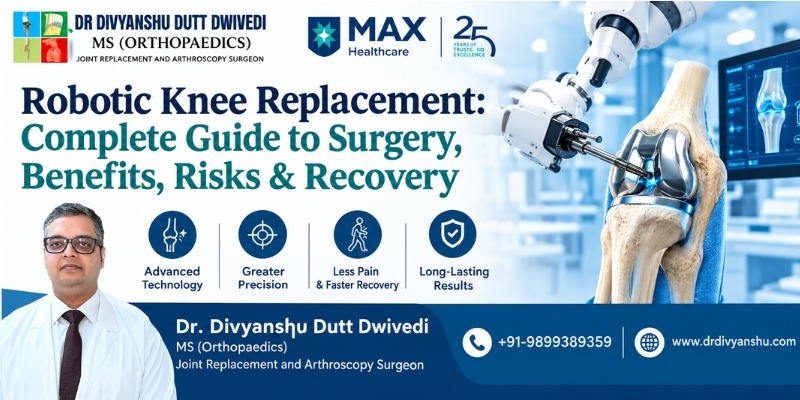
Robotic-Knee-Replacement-Complete.jpg

Knee pain can make walking, climbing stairs, exercising, and daily activities difficult. When advanced arthritis causes persistent pain and stiffness despite medicines, physiotherapy, and other treatments, knee replacement may be considered. For eligible patients, robotic knee replacement in Lucknow offers a technology-assisted approach that supports accurate planning and implant positioning under the supervision of an experienced orthopedic surgeon.

During robotic-assisted knee replacement, the surgeon uses detailed imaging, computer-based planning, and robotic guidance to perform the procedure with controlled precision. The robot does not operate independently; the surgeon makes all clinical decisions. This guide explains robotic knee replacement in Lucknow, including the procedure, benefits, risks, recovery, rehabilitation, cost factors, and comparison with conventional knee replacement.

What Is Robotic Knee Replacement?

Robotic knee replacement is an advanced form of knee replacement surgery in which robotic-assisted technology helps the surgeon plan and perform the procedure with greater precision. Using detailed imaging, computer software, and a three-dimensional model of the knee, the surgeon can evaluate the patient’s anatomy, identify damaged areas, prepare the bone, and position the implant accurately. This personalized approach may help improve implant alignment and support a more balanced knee joint.

During robotic-assisted knee replacement, the surgeon removes the worn or damaged parts of the knee and replaces them with artificial components. The technique may be used for partial or total knee replacement, depending on the extent of joint damage and the patient’s overall condition. Robotic technology does not perform the operation independently; it assists the surgeon with planning and execution. Outcomes can vary based on surgical expertise, implant quality, rehabilitation, activity level, and overall health.

.

How Does Robotic Knee Replacement Work?

The process begins with a comprehensive orthopedic evaluation, including your symptoms, physical examination, medical history, and imaging results. If robotic knee replacement is appropriate, advanced imaging may create a detailed 3D model of your knee. Using this information, the surgeon plans the procedure according to your bone anatomy, alignment, and joint condition.

During surgery, the robotic system provides real-time guidance and helps the surgeon follow the personalized plan. It may assist with precise bone preparation and implant positioning. However, the surgeon remains fully in control, continuously assessing the knee and making all final decisions throughout the procedure.

The general process includes:

  • Preoperative orthopedic assessment
  • Diagnostic imaging and surgical planning
  • Anesthesia
  • Preparation of the damaged joint surfaces
  • Robotic-assisted bone preparation
  • Implant positioning and joint balancing
  • Testing knee movement and stability
  • Closure of the surgical incision
  • Postoperative monitoring and rehabilitation

The exact workflow varies according to the robotic platform, implant system, surgical technique, and individual patient.

Who May Need Robotic Knee Replacement?

Not everyone with knee pain needs knee replacement, and robotic assistance is not required for every knee replacement procedure. The decision depends on the severity of joint damage, pain levels, mobility limitations, overall health, treatment response, and the orthopedic surgeon’s evaluation. Robotic knee replacement may be considered for selected patients with advanced arthritis or significant knee damage when symptoms interfere with daily activities and non-surgical treatments have not provided sufficient relief.

Common conditions and symptoms that may lead to consideration of knee replacement include:

  • Advanced osteoarthritis
  • Rheumatoid arthritis
  • Post-traumatic arthritis after a previous injury
  • Significant cartilage damage
  • Persistent knee pain and stiffness
  • Progressive difficulty walking or climbing stairs
  • Reduced mobility that affects daily activities
  • Knee deformity caused by advanced joint disease

Age alone does not determine whether a patient is suitable for robotic knee replacement. Overall health, activity level, joint condition, bone quality, treatment goals, and the ability to participate in rehabilitation are also important factors. Before recommending surgery, the orthopedic surgeon may review imaging scans, physical symptoms, and previous treatments to determine the most appropriate approach.

Patients should also discuss whether conventional knee replacement or other treatment options may provide similar benefits. Robotic-assisted knee replacement is a surgical option, not automatically the best choice for every patient. A personalized evaluation helps determine whether robotic surgery is appropriate and whether it can improve pain, mobility, and quality of life.

What Are the Benefits of Robotic Knee Replacement?

Robotic knee replacement uses advanced imaging, digital planning, and computer-assisted guidance to support the surgeon during surgery. Its potential benefits include more personalized planning, controlled bone preparation, and accurate implant positioning. However, outcomes also depend on the surgeon’s experience, implant choice, overall health, physiotherapy, and commitment to postoperative instructions.

Greater Surgical Planning and Precision

Before surgery, robotic systems help create a detailed digital plan based on the patient’s knee anatomy. This allows the surgeon to evaluate bone structure, alignment, and joint balance more carefully. The technology supports precision, but the surgeon remains responsible for making clinical decisions throughout the procedure.

Individualized Surgical Planning

Every knee has unique anatomy, alignment, and patterns of wear. Robotic planning allows the surgical team to customize the procedure instead of relying only on standard measurements. This personalized approach may help the surgeon plan bone cuts, implant size, and positioning according to the patient’s specific requirements.

Controlled Bone Preparation

During surgery, robotic assistance can help guide bone preparation within the planned boundaries. This may reduce unnecessary bone removal and support consistent surgical execution. The level of robotic control varies between systems, and the surgeon can adjust the plan when necessary based on findings during the operation.

Potentially Better Implant Alignment

Correct implant alignment is important for knee function, stability, and long-term performance. Research has reported improved radiographic alignment and positioning with some robotic-assisted techniques. However, better alignment on imaging does not always guarantee faster recovery or superior long-term results for every patient.

Technology-Assisted Decision Making

Robotic systems provide real-time digital information about alignment, bone preparation, and joint balance. This information can help the surgeon make more informed decisions during the operation. Robotic technology supports surgical judgment; it does not replace the surgeon’s experience, training, or responsibility for patient safety.

Important Factors Affecting Recovery

Robotic assistance is only one part of successful knee replacement treatment. Recovery also depends on general health, muscle strength, weight, implant selection, surgical technique, pain control, and physiotherapy. Following exercise recommendations, attending follow-up appointments and maintaining realistic expectations are equally important for achieving a good outcome.

Is Robotic Knee Replacement Better Than Traditional Knee Replacement?

Many patients ask whether robotic knee replacement is better than traditional surgery. Robotic-assisted knee replacement offers advanced planning, precise bone preparation, and accurate implant positioning, which may be especially helpful in complex cases or patients with significant deformity. However, improved alignment does not always guarantee better pain relief, mobility, or long-term satisfaction. Traditional knee replacement remains effective and reliable when performed by an experienced surgeon. The best option depends on your knee condition, anatomy, age, activity level, surgeon’s expertise, available technology, and treatment goals. Discuss both approaches with your orthopedic surgeon before making an informed decision. 


Factor Robotic Knee Replacement Traditional Knee Replacement
Surgical planning Computer-assisted planning Conventional planning
Implant positioning Robotic-assisted guidance Surgeon-guided
Patient anatomy Digital planning can account for individual anatomy Standard surgical measurements
Surgeon control Surgeon performs and controls the procedure Surgeon performs the procedure
Technology Requires robotic/navigation technology Does not require robotic technology
Cost May be higher depending on hospital and technology May be lower
Suitability Depends on individual patient and surgeon assessment Widely used for appropriate candidates


What Happens During Robotic Knee Replacement Surgery?

Before robotic knee replacement surgery, the orthopedic team performs a complete medical evaluation to confirm that the patient is fit for the procedure. Anesthesia is administered based on the patient’s health and the anesthesiologist’s recommendation. The surgeon then accesses the knee joint and removes damaged bone surfaces according to the personalized surgical plan.

The robotic system assists with precise bone preparation and implant positioning, while the surgeon remains in complete control. Artificial components are placed to restore knee function, followed by checks for alignment, stability, and movement. After surgery, pain management, early mobilization, physiotherapy, and regular follow-up support a safe and effective recovery.

Risks and Limitations of Robotic Knee Replacement

Like conventional knee replacement, robotic knee replacement surgery has potential risks and complications. Robotic assistance does not eliminate the normal risks associated with major orthopedic surgery.

Possible complications may include:

  • Infection
  • Blood clots
  • Bleeding
  • Stiffness
  • Persistent pain
  • Nerve or blood vessel injury
  • Implant-related complications
  • Anesthesia-related complications
  • Delayed rehabilitation
  • Need for additional treatment or revision surgery

There are also practical limitations. Robotic surgery may involve additional technology, planning, and equipment costs. Some procedures may take longer, and access to specific robotic systems varies between hospitals.

Recent research continues to evaluate whether the technical advantages of robotic surgery result in consistently superior clinical outcomes. A 2025 systematic review and a more recent network meta-analysis show that the evidence is evolving rather than supporting a universal claim that robotic surgery is superior in every outcome.


Robotic Knee Replacement Recovery: What to Expect


Recovery Stage What Patients May Expect
First few days Assisted walking, pain and swelling management
Week 1 Wound care, walking practice and prescribed exercises
Weeks 2–3 Gradual improvement in mobility and knee movement
Weeks 4–6 Increasing independence and daily activities
Around 3 months Continued improvement in strength and function
6 months+ Ongoing improvement depending on individual recovery


Robotic knee replacement recovery varies from person to person. Your age, physical condition, muscle strength, medical history, surgical complexity, and commitment to rehabilitation can influence the recovery process.

First Few Days

Patients generally begin moving the knee and walking with assistance as advised by the healthcare team. Pain and swelling are expected during the early recovery period and are managed with prescribed medication, ice, elevation, and other measures recommended by the surgical team.

First Few Weeks

Walking gradually becomes easier, although a walking aid may still be needed. Physiotherapy focuses on restoring knee movement, improving muscle strength, and increasing independence.

Around Four to Six Weeks

Many patients can perform more everyday activities by this stage, but recovery is not identical for everyone. Some people progress faster, while others need additional rehabilitation.

Three Months and Beyond

Strength, endurance, and knee function can continue improving for several months. Full recovery may take longer depending on the individual’s condition and rehabilitation progress.

The most important point is that robotic knee replacement recovery time is not determined by the robotic technology alone. Your overall health and rehabilitation plan have a major influence on the outcome.

Physiotherapy After Robotic Knee Replacement

Physiotherapy is essential after robotic-assisted knee replacement to support safe, steady recovery. A personalized rehabilitation program may include exercises that improve knee range of motion, quadriceps and leg strength, balance, flexibility, walking ability, and daily functional independence. Patients should follow the guidance provided by their orthopedic surgeon and physiotherapist, as recovery varies from person to person. Progressing too quickly may increase pain, swelling, or discomfort, while avoiding movement can lead to stiffness, weakness, and delayed recovery. The goal is gradual, consistent improvement through appropriate exercises, mobility training, and regular follow-up—not forcing the knee to heal faster than it safely can.

How Much Does Robotic Knee Replacement Cost in Lucknow?

The robotic knee replacement cost in Lucknow varies from patient to patient because it depends on the type of surgery, implant, hospital facilities, surgeon’s fees, robotic technology, anesthesia, diagnostic tests, room category, hospital stay, medicines, and rehabilitation. Insurance coverage also differs by policy and insurer, so patients should confirm inclusions, exclusions, and pre-authorization requirements before surgery. Rather than choosing a hospital only on the lowest estimate, consider the surgeon’s experience, hospital infrastructure, implant quality, rehabilitation support, and follow-up care. An orthopedic evaluation is essential for an accurate estimate because each patient’s treatment plan and medical requirements are different.

How Long Do Robotic Knee Implants Last?

Patients often ask, “How long does a robotic knee replacement last?” Implant longevity depends on several factors, including implant design, materials, surgical positioning, body weight, activity level, age, general health, and adherence to medical advice. Robotic assistance can support detailed planning and accurate implant positioning, but it cannot guarantee a specific implant lifespan. Maintaining a healthy weight, following recommended activity guidelines, attending follow-up appointments, and addressing symptoms early may help preserve knee function. Your orthopedic surgeon can provide more personalized guidance based on your implant, lifestyle, bone health, and overall clinical condition.

How to Prepare for Robotic Knee Replacement

Proper preparation can make robotic knee replacement surgery and recovery more manageable. Your surgeon may recommend blood tests, imaging, medical clearance, and a review of your current medicines. Conditions such as diabetes, heart disease, high blood pressure, or other health problems should be discussed because they may affect surgical planning and recovery. Prepare your home by removing trip hazards, arranging support, organizing essential items, and creating a comfortable resting area. If preoperative strengthening exercises are advised, complete them regularly. Always follow the specific instructions provided by your orthopedic surgeon, anesthetist, and physiotherapy team.

How to Choose a Robotic Knee Replacement Surgeon in Lucknow

Choosing the right surgeon is an important step when considering robotic knee replacement in Lucknow. Do not focus only on the availability of robotic technology; also evaluate the surgeon’s experience in knee replacement, training in robotic-assisted procedures, hospital infrastructure, implant options, infection-control standards, rehabilitation services, and follow-up care. Ask why robotic assistance is suitable for your specific knee condition and request a clear explanation of its potential benefits, limitations, and alternatives. A trustworthy orthopedic surgeon should communicate openly, discuss possible complications, and help you make an informed decision based on your medical needs.

Important questions include:

  • Am I a suitable candidate for knee replacement?
  • Why is robotic assistance recommended in my case?
  • Would conventional knee replacement also be appropriate?
  • Which robotic technology will be used?
  • What implant is being recommended?
  • What should I expect during recovery?
  • What is included in the estimated treatment cost?
  • How long will physiotherapy be required?

A detailed consultation allows you to make a decision based on your condition rather than marketing claims.

Robotic Knee Replacement in Lucknow: Making an Informed Decision

Robotic knee replacement in Lucknow uses advanced computer-assisted planning to help surgeons achieve accurate implant positioning and personalized treatment. However, successful results depend on the surgeon’s experience, proper patient selection, implant quality, hospital facilities, and dedicated rehabilitation. Patients should undergo a detailed orthopedic evaluation before choosing robotic-assisted surgery and discuss its benefits, risks, alternatives, expected recovery, and overall cost. If persistent knee pain, stiffness, or arthritis is affecting mobility and daily activities, consult a qualified orthopedic surgeon in Lucknow to determine whether medicines, physiotherapy, conventional knee replacement, or robotic knee replacement is most suitable for your condition. 

Consult Dr. Divyanshu Dutt Dwivedi for robotic knee replacement in Lucknow
Robotic Knee replacement Surgeon in Lucknow
Dr. Divyanshu Dutt Dwivedi

Dr. Divyanshu Dutt Dwivedi is an experienced orthopedic and joint replacement specialist offering advanced knee care in Lucknow. Patients considering robotic knee replacement can discuss persistent knee pain, arthritis, stiffness, mobility problems, imaging results, and treatment options during a personalized consultation. Robotic-assisted knee surgery may help support accurate implant positioning and individualized surgical planning when clinically appropriate. The right procedure depends on your knee condition, overall health, and treatment goals—not technology alone. If knee pain is affecting your daily activities, schedule an evaluation to understand whether robotic knee replacement is suitable for you. Contact Dr. Divyanshu Dutt Dwivedi at +919899389359 for consultation. 

Conclusion

Robotic knee replacement is an advanced approach to treating severe knee arthritis and other conditions when non-surgical treatments no longer provide adequate relief. By combining detailed surgical planning with robotic-assisted technology, the surgeon can achieve precise bone preparation and implant positioning. However, successful results depend on several factors, including the patient’s condition, surgeon’s experience, implant selection, overall health, and commitment to rehabilitation. Understanding the benefits, risks, procedure, recovery, and expected outcomes of robotic knee replacement can help patients make an informed decision. If you are considering robotic knee replacement in Lucknow, consult an experienced orthopedic and joint replacement surgeon for personalized guidance.

FAQs About Robotic Knee Replacement in Lucknow

1. What is robotic knee replacement?

Robotic knee replacement is a technology-assisted procedure where the surgeon uses computer planning and robotic guidance to improve bone preparation, alignment, and implant positioning.

2. Is robotic knee replacement better than traditional knee replacement?

Robotic surgery can provide more precise planning and implant alignment, but it is not automatically better for every patient. Suitability depends on anatomy, diagnosis, and surgeon expertise.

3. Is robotic knee replacement safe?

Robotic knee replacement is generally considered safe when appropriately performed, but risks such as infection, blood clots, stiffness, bleeding, and anesthesia complications can still occur.

4. Who is a candidate for robotic knee replacement?

Patients with advanced knee arthritis, persistent pain, stiffness, deformity, or reduced mobility despite non-surgical treatment may be candidates after detailed orthopedic evaluation.

5. How much does robotic knee replacement cost in Lucknow?

Robotic knee replacement costs in Lucknow vary according to the implant, hospital, surgeon, procedure complexity, technology, and rehabilitation requirements. A personalized estimate is recommended.

6. How long does robotic knee replacement surgery take?

Robotic knee replacement surgery commonly takes around one to two hours, although operating time varies depending on the patient’s condition, surgical complexity, and procedure performed.

7. When can I walk after robotic knee replacement?

Many patients begin standing and walking with assistance soon after surgery when medically appropriate. Exact timing depends on health, surgical findings, and the surgeon’s rehabilitation protocol.

8. How long does robotic knee replacement recovery take?

Initial recovery generally progresses over several weeks, while strength, flexibility, and knee function can continue improving for several months with appropriate physiotherapy and rehabilitation.

9. Does a robot perform the knee replacement surgery?

No. The orthopedic surgeon performs the surgery and makes all clinical decisions. Robotic technology assists with surgical planning, guidance, bone preparation, and implant positioning.

10. Does robotic knee replacement require a CT scan?

CT requirements depend on the robotic system being used. Some platforms use CT-based three-dimensional planning, while other systems use different imaging or registration methods.

11. Does insurance cover robotic knee replacement in Lucknow?

Insurance coverage depends on your policy, insurer, and hospital. Before surgery, confirm pre-authorization requirements, covered expenses, exclusions, and any expected out-of-pocket costs.

12. How do I choose a robotic knee replacement surgeon in Lucknow?

Consider the surgeon’s knee replacement experience, robotic surgery training, hospital infrastructure, implant options, rehabilitation support, complication management, and willingness to explain alternatives clearly.
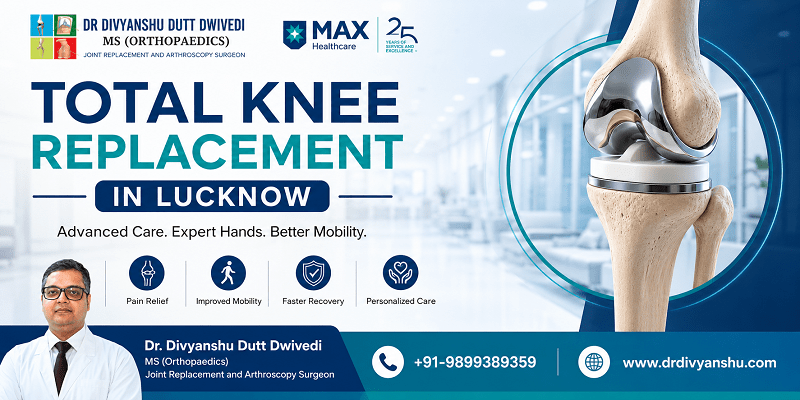


Total-Knee-Replacement-in-Lucknow.png

Persistent knee pain can gradually affect every aspect of daily life. Whether climbing stairs, walking short distances, standing for long periods, or enjoying your favorite activities, severe knee arthritis can make simple movements difficult and painful. When medications, physiotherapy, injections, and lifestyle changes no longer provide lasting relief, total knee replacement in Lucknow may be an effective treatment option.

Total Knee Replacement (TKR), also known as Total Knee Arthroplasty, is a well-established surgical procedure that replaces the damaged surfaces of the knee joint with artificial implants. The goal is to relieve chronic pain, restore movement, improve joint function, and help patients return to a more active and independent lifestyle.

At our orthopedic clinic in Lucknow, every patient receives a personalized evaluation to determine whether knee replacement surgery is the right choice. Treatment plans are based on the severity of joint damage, overall health, lifestyle, and recovery goals to ensure the best possible outcome.

What is Total Knee Replacement?

Total knee replacement is a surgical procedure performed when the knee joint has been severely damaged by arthritis or injury and conservative treatments are no longer effective. During the surgery, the worn-out cartilage and damaged bone are removed and replaced with specially designed artificial components that recreate the natural movement of the knee.

The knee joint is formed by three bones:

  • Femur (thigh bone)
  • Tibia (shin bone)
  • Patella (kneecap)

These bones are covered by smooth cartilage that allows pain-free movement. Over time, conditions such as osteoarthritis, rheumatoid arthritis, or previous injuries can damage this cartilage, causing the bones to rub against each other. This leads to pain, stiffness, swelling, and reduced mobility.

Modern Total Knee Replacement in Lucknow uses advanced surgical techniques and high-quality implants designed to improve stability, restore alignment, and provide long-lasting results. With proper rehabilitation and follow-up care, many patients experience significant improvements in mobility and quality of life.

Who Needs Total Knee Replacement in Lucknow?

Not everyone with knee pain requires surgery. Most patients first benefit from non-surgical treatments such as medications, physiotherapy, weight management, knee braces, or injections. However, if these treatments no longer provide adequate relief and your symptoms continue to affect your daily life, your orthopedic surgeon may recommend a total knee replacement.

You may be a suitable candidate if you have:

  • Persistent knee pain despite conservative treatment.
  • Severe osteoarthritis or rheumatoid arthritis.
  • Difficulty walking, climbing stairs, or standing for long periods.
  • Knee stiffness that limits movement.
  • Pain that interrupts sleep or daily activities.
  • Visible knee deformity, such as bow legs or knock knees.
  • X-rays showing advanced cartilage damage.

The decision is based on a detailed clinical examination, imaging studies, and your overall health—not age alone.

Conditions That May Require Total Knee Replacement

Several conditions can lead to severe damage of the knee joint. Identifying the underlying cause helps determine the most appropriate treatment.

Osteoarthritis

Osteoarthritis is the most common reason patients undergo total knee replacement. It develops when the protective cartilage gradually wears away, resulting in pain, stiffness, swelling, and reduced joint movement. As the condition progresses, everyday activities become increasingly difficult.

Rheumatoid Arthritis

Rheumatoid arthritis is an autoimmune disease that causes chronic inflammation of the knee joint. Over time, this inflammation can damage cartilage, weaken surrounding tissues, and lead to deformity. In advanced stages, knee replacement surgery may help relieve pain and improve function.

Post-Traumatic Arthritis

A previous fracture, ligament injury, or meniscus tear can increase the risk of developing arthritis later in life. This condition, known as post-traumatic arthritis, may eventually require a total knee replacement if the joint becomes severely damaged.

Avascular Necrosis

Although less common, reduced blood supply to the bone can cause parts of the knee joint to collapse. When conservative treatments fail, knee replacement surgery may be considered to restore function and reduce pain.

Benefits of Total Knee Replacement

For patients with advanced knee arthritis, total knee replacement offers more than pain relief—it helps improve overall quality of life.

Some of the key benefits include:

  • Significant reduction in chronic knee pain.
  • Improved walking ability and mobility.
  • Better knee stability and alignment.
  • Increased independence in daily activities.
  • Enhanced quality of life.
  • Better sleep due to reduced pain.
  • Improved ability to participate in low-impact physical activities.
  • Long-lasting results with appropriate care and rehabilitation.

While individual outcomes vary, most patients experience noticeable improvements in comfort and function after completing their recovery program.

How is Total Knee Replacement Performed?

Understanding the surgical process helps patients feel more confident and prepared for treatment. Total knee replacement in Lucknow is a carefully planned procedure performed using advanced surgical techniques to improve accuracy, restore knee alignment, and relieve pain.

Although the exact approach may vary depending on the patient’s condition, the procedure generally includes the following steps:

1. Pre-Surgical Evaluation

Before surgery, your orthopedic surgeon conducts a comprehensive assessment that includes a physical examination, digital X-rays, blood tests, and other investigations if needed. This helps determine the extent of joint damage and plan the surgery according to your individual needs.

2. Anesthesia

The procedure is usually performed under spinal or general anesthesia. The anesthesia team evaluates your overall health beforehand and recommends the safest option for your condition.

3. Removal of Damaged Joint Surfaces

A small incision is made over the knee to access the joint. The damaged cartilage and worn-out bone from the femur, tibia, and, in some cases, the back of the kneecap are carefully removed while preserving as much healthy bone as possible.

4. Implant Placement

The prepared bone surfaces are fitted with specially designed artificial components made from durable materials such as metal alloys and medical-grade polyethylene. These implants are positioned precisely to restore smooth movement and joint stability.

5. Final Assessment and Closure

Before completing the procedure, the surgeon checks the knee’s alignment, stability, and range of motion. Once everything is satisfactory, the incision is closed, and the patient is moved to the recovery room for monitoring.

Recovery After Total Knee Replacement in Lucknow

Recovery is a gradual process that combines healing, physiotherapy, and regular follow-up care. While every patient’s experience is different, following your surgeon’s advice and staying committed to rehabilitation can significantly improve the outcome.

During the First Few Days

Patients are encouraged to begin gentle movement soon after surgery. Assisted walking and simple exercises help improve blood circulation, reduce stiffness, and support early recovery.

First 2–6 Weeks

During this period, the focus is on reducing swelling, improving knee flexibility, and strengthening the muscles around the joint. Many patients gradually become more independent in daily activities while continuing physiotherapy.

After 6–12 Weeks

Most patients notice considerable improvement in walking, climbing stairs, and performing routine tasks. Depending on the type of work and overall recovery, many individuals can return to office-based jobs after medical clearance.

Long-Term Recovery

Complete healing and continued improvement may take several months. Maintaining a healthy weight, performing regular exercises, and attending follow-up appointments help protect the new knee joint and improve implant longevity.

Are There Any Risks Associated with Total Knee Replacement?

Like any surgical procedure, total knee replacement carries certain risks. However, complications are relatively uncommon when the surgery is performed by an experienced orthopedic surgeon and followed by appropriate postoperative care.

Possible risks include the following:

  • Infection around the surgical site.
  • Blood clots in the legs.
  • Temporary knee stiffness.
  • Implant wear or loosening over many years.
  • Persistent discomfort in a small percentage of patients.

Your surgeon will discuss these risks in detail and explain the measures taken to minimize them before surgery.

Why Choose Dr. Divyanshu Dutt Dwivedi for Total Knee Replacement in Lucknow?

Choosing the right orthopedic surgeon is essential for achieving the best possible outcome. Successful knee replacement depends on accurate diagnosis, careful surgical planning, appropriate implant selection, and structured rehabilitation.

Dr. Divyanshu Dutt Dwivedi offers patient-focused orthopedic care with an emphasis on evidence-based treatment and transparent communication. Every treatment plan is personalized according to the patient’s symptoms, lifestyle, medical history, and recovery goals.

Patients benefit from:

  • Comprehensive orthopedic evaluation.
  • Individualized treatment planning.
  • Modern knee replacement techniques.
  • Detailed pre-surgery counseling.
  • Structured rehabilitation guidance.
  • Regular follow-up care.
  • A patient-first approach focused on long-term joint health.

If surgery is recommended, patients receive complete guidance throughout every stage of treatment—from diagnosis and preparation to recovery and follow-up.

Conclusion

Living with constant knee pain can limit your independence and reduce your quality of life. If conservative treatments are no longer providing relief, total knee replacement in Lucknow may help restore comfortable movement and improve your ability to perform everyday activities.

Early evaluation by an experienced orthopedic surgeon allows you to understand the cause of your symptoms and explore the most suitable treatment options. With modern surgical techniques, personalized care, and structured rehabilitation, many patients achieve lasting pain relief and return to a more active lifestyle.

Book a Consultation

If you’re experiencing persistent knee pain or advanced arthritis, schedule a consultation with Dr. Divyanshu Dutt Dwivedi by calling +91-9899389359. A detailed evaluation can help determine whether Total Knee Replacement in Lucknow is the right treatment for you and guide you toward the most appropriate care plan. 

FAQs About Total Knee Replacement in Lucknow

1. Who is the best candidate for total knee replacement?

People with severe knee arthritis, persistent pain, reduced mobility, and poor response to medications or physiotherapy may benefit from total knee replacement after evaluation by an experienced orthopedic surgeon.

2. How painful is total knee replacement surgery?

You won’t feel pain during surgery because of anesthesia. After surgery, temporary discomfort is managed with medications, physiotherapy, and rehabilitation, and pain usually improves gradually as healing progresses.

3. How long does it take to recover from a total knee replacement?

Most patients resume routine daily activities within 6–12 weeks, while complete recovery and strength improvement may continue for up to one year with regular physiotherapy and follow-up care.

4. How long does a knee replacement implant last?

Modern knee implants often last 15–25 years or longer. Their lifespan depends on factors such as activity level, body weight, implant quality, surgical accuracy, and adherence to rehabilitation.

5. Can I walk immediately after a total knee replacement?

Yes. Many patients begin standing and walking with support within 24 hours after surgery. Early movement helps improve circulation, reduce complications, and support faster recovery.

6. Is total knee replacement safe for elderly patients?

Yes. Age alone is not the deciding factor. Overall health, medical fitness, and the severity of knee arthritis are more important when determining whether surgery is appropriate.

7. When should I consider total knee replacement?

You should consult an orthopedic surgeon if severe knee pain, stiffness, or reduced mobility continues despite medications, physiotherapy, injections, or lifestyle modifications and affects your daily activities.

8. Who is the best total knee replacement surgeon in Lucknow?

Choose a surgeon with specialized experience in joint replacement, evidence-based treatment, personalized care, and comprehensive postoperative rehabilitation. Schedule a consultation to discuss your condition and treatment options.

9. When should I consult a total knee replacement doctor in Lucknow?

If knee pain persists despite medications, physiotherapy, weight management, or injections and affects your daily activities, consult an orthopedic specialist for a detailed evaluation.

10. What does a total knee replacement specialist in Lucknow do?

A specialist evaluates knee arthritis, recommends appropriate treatment, performs knee replacement surgery when required, and guides patients through rehabilitation and long-term follow-up.


Top-Rated-IT-Company-in-The-Lakes-Dubai-for-Complete-IT-Services-1.png

Joint health plays a crucial role in maintaining mobility, independence, and overall quality of life. Yet, many people unknowingly adopt habits that gradually weaken their joints, leading to chronic pain, stiffness, and even the need for surgical intervention. From poor posture and inactivity to ignoring early symptoms, these small mistakes often accumulate over time and silently damage the musculoskeletal system.

Understanding these hidden mistakes is the first step toward prevention. This guide highlights the most common joint health errors people make without realizing and explains how to protect your joints for long-term orthopedic wellness. Whether you are in your 30s or beyond 60, these insights can help you avoid complications and maintain healthy movement.

Why Joint Health Deserves More Attention

Joints connect bones and allow movement. They are supported by cartilage, ligaments, tendons, and surrounding muscles. When any of these structures weaken, the joint becomes vulnerable to wear and tear.

Modern lifestyles have increased the risk of joint disorders. Long sitting hours, reduced physical activity, poor diet, and rising obesity rates have made orthopedic issues more common even among younger adults. Many patients eventually seek help from the Best Orthopedic Doctor in Lucknow only after years of neglect.

The key is early awareness and correction.

Mistake 1: Ignoring Early Joint Pain

One of the biggest mistakes is dismissing joint pain as temporary or normal aging. Many people believe mild discomfort will resolve on its own, but persistent pain often signals underlying damage.

Early symptoms that should never be ignored:

  • Pain lasting more than two weeks
  • Morning stiffness
  • Clicking or grinding sounds
  • Swelling or redness
  • Reduced range of motion 

Ignoring these signs can allow conditions like arthritis, cartilage degeneration, or ligament injuries to worsen. Delayed treatment may eventually require advanced procedures such as Hip replacement in lucknow or knee surgery.

Mistake 2: Sitting for Long Hours Without Movement

Prolonged sitting is one of the most damaging habits for joints, especially the hips, knees, and spine.

When you sit for extended periods:

  • Blood circulation reduces
  • Muscles become tight
  • Joint lubrication decreases
  • Cartilage nutrition drops 

This leads to stiffness, muscle imbalance, and joint degeneration over time.

People working desk jobs often experience early hip and knee problems and later consult the Best knee replacement surgeon in lucknow due to chronic damage that could have been prevented with regular movement.

Prevention Tip

Stand up every 30 to 45 minutes, stretch, and walk for at least 2 to 3 minutes.

Mistake 3: Poor Posture During Daily Activities

Posture affects how weight and pressure distribute across joints. Incorrect posture increases stress on specific areas.

Common posture mistakes:

  • Slouching while sitting
  • Forward head posture while using mobile
  • Bending from the waist instead of knees
  • Carrying heavy bags on one shoulder 

These habits overload joints and accelerate degeneration, especially in the spine, hips, and knees.

Mistake 4: Avoiding Strength Training

Many people avoid strength training due to fear of injury. However, weak muscles increase joint stress.

Muscles act as shock absorbers for joints. When muscles are weak:

  • Joints bear more load
  • Stability decreases
  • Injury risk rises 

Strong muscles around knees and hips reduce the chances of arthritis and surgical intervention.

Mistake 5: Excess Body Weight

Excess weight is one of the strongest risk factors for joint damage.

Each extra kilogram increases:

  • Knee joint pressure by four times
  • Hip joint stress significantly
  • Cartilage wear speed 

Obesity is a leading cause behind patients requiring Hip replacement in lucknow and knee replacement surgeries.

Mistake 6: Wearing Improper Footwear

Shoes directly affect joint alignment.

Poor footwear causes:

  • Uneven walking pattern
  • Knee and hip misalignment
  • Increased spinal stress 

High heels, flat unsupportive shoes, and worn-out soles all contribute to joint pain.

Mistake 7: Skipping Warm-Up and Stretching

Many people begin physical activity without warming up.

This leads to:

  • Muscle strain
  • Ligament injuries
  • Joint inflammation 

Regular stretching maintains flexibility and joint lubrication.

Mistake 8: Overusing Painkillers Instead of Diagnosis

Painkillers mask symptoms but do not fix the problem.

Long-term misuse:

  • Delays diagnosis
  • Allows joint damage to progress
  • Increases dependence 

Patients often reach specialists late and discover advanced degeneration requiring surgery.

Mistake 9: Not Maintaining Bone Health

Calcium and vitamin D deficiencies weaken bones and joints.

Poor bone health increases:

  • Fracture risk
  • Arthritis progression
  • Surgical complications 

Balanced nutrition is critical for joint longevity.

Mistake 10: Avoiding Professional Evaluation

Many people rely on internet advice and home remedies instead of consulting professionals.

Joint problems are complex and require proper diagnosis through:

  • Clinical examination
  • Imaging tests
  • Functional assessments 

Timely consultation with the Best Orthopedic Doctor in Lucknow ensures early intervention and prevents permanent damage.

How to Protect Your Joints Naturally

Here are effective strategies for long-term joint health:

1. Maintain a Healthy Weight

Reduces load on hips and knees.

2. Exercise Regularly

Include walking, swimming, cycling, and strength training.

3. Improve Posture

Ergonomic chairs, screen height correction, and proper lifting techniques.

4. Eat Joint-Friendly Foods

Include omega-3 fatty acids, leafy greens, fruits, and nuts.

5. Stay Hydrated

Joint cartilage needs water for shock absorption.

6. Get Regular Checkups

Early detection prevents surgical outcomes.

When Joint Damage Requires Advanced Treatment

Despite precautions, some people develop irreversible damage due to genetics, injuries, or long-term neglect.

Advanced treatments include:

  • Arthroscopy
  • Physiotherapy
  • Joint injections
  • Partial or full joint replacement 

In severe cases, patients may require consultation with the Best knee replacement surgeon in lucknow or consider Hip replacement in lucknow for pain-free mobility.

FAQs

1. Is joint pain always a sign of arthritis?

Not always. It can result from injuries, posture issues, or muscle imbalance.

2. Can exercise worsen joint pain?

Proper exercise improves joint health. Incorrect technique can worsen it.

3. How early should I consult an orthopedic specialist?

If pain persists beyond two weeks, seek evaluation.

4. Are joint replacements only for elderly patients?

No. Younger patients with severe damage may also require surgery.

5. Can joint degeneration be reversed?

Early stages can be managed, but advanced damage often needs medical intervention.

Conclusion

Most joint problems develop silently due to everyday habits people overlook. Ignoring pain, poor posture, inactivity, excess weight, and delayed diagnosis gradually damage joints and lead to chronic conditions.

The good news is that joint degeneration is largely preventable with awareness, lifestyle changes, and timely medical care. Regular movement, proper nutrition, ergonomic habits, and professional guidance are the foundations of lifelong mobility.

If you are experiencing persistent joint discomfort or functional limitations, consult the Best Orthopedic Doctor in Lucknow for early diagnosis and personalized treatment, and ensure booking appointment with Dr. Divyanshu Dutt Dwivedi.


Life-After-Knee-Replacement-Surgery-Challenges-Recovery-Expert-Tips.jpeg

Knee replacement surgery is often recommended when persistent knee pain, stiffness, and reduced mobility begin to affect your daily routine. Whether the problem is caused by osteoarthritis, rheumatoid arthritis, or a serious knee injury, replacing the damaged joint can help restore movement, relieve pain, and improve overall quality of life. For patients considering the procedure, consulting an experienced knee replacement surgeon in Lucknow is an important first step toward understanding the right treatment plan and expected recovery.

While the surgery itself can provide long-term relief, recovery continues well after you leave the hospital. During the weeks and months that follow, your body gradually heals through rehabilitation, physiotherapy, and lifestyle adjustments. Some patients recover faster than others, but temporary challenges such as swelling, discomfort, stiffness, and difficulty performing everyday activities are common during the healing process.

This guide explores what life is really like after knee replacement surgery, including the most common recovery challenges and practical ways to overcome them. Whether you are preparing for surgery or supporting a loved one through recovery, these expert-backed insights will help you understand what to expect, regain confidence, and return to your normal activities safely.

What Is Knee Replacement Surgery? Insights from the Best Knee Replacement Doctor in Lucknow

X ray showing successful knee replacement performed by the Best Knee Replacement Doctor in Lucknow.webp

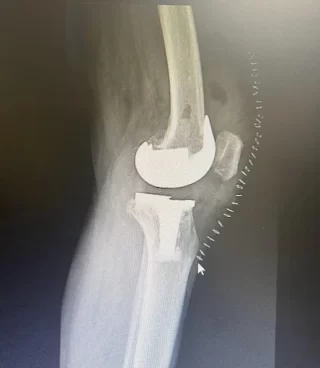
Knee replacement, or knee arthroplasty, is a surgical procedure where the damaged parts of the knee joint are replaced with an artificial implant. It is usually recommended when arthritis, injury, or wear and tear severely damages the joint and non-surgical methods like physiotherapy, medicines, or injections no longer help.

Modern advancements such as robotic-assisted surgery and minimally invasive techniques have made knee replacement safer and less painful, with faster recovery times. Still, many patients wonder about the actual experience after surgery-how life changes, what challenges arise, and how to handle them. Consulting the Best Knee replacement specialist in Lucknow or the Best knee replacement surgeon in Lucknow can provide guidance and reassurance throughout this journey.

The Best knee replacement surgeon in Lucknow ensures that each patient receives personalized care, while the Best Knee replacement specialist in Lucknow helps plan recovery strategies, physiotherapy, and lifestyle adjustments to regain mobility and confidence. With the expertise of the Best knee replacement surgeon in Lucknow and support from the Best Knee replacement specialist in Lucknow, patients can feel confident about taking the first step toward a pain-free and active life.

Challenges Patients Face After Knee Replacement

Every patient’s journey is unique, but some challenges are common. Even under the care of the Best Knee replacement specialist in Lucknow or the Best knee replacement surgeon in Lucknow, patients may go through a recovery phase that requires patience and determination.

The guidance of the Best knee replacement surgeon in Lucknow and support from the Best Knee replacement specialist in Lucknow help patients manage these challenges effectively. With proper care and structured rehabilitation, patients can gradually regain mobility and return to an active, independent lifestyle.

Pain and Discomfort

Some degree of pain is natural after surgery. It may feel discouraging at first, but it gradually reduces as the knee heals. Proper pain management, rest, and physiotherapy, guided by the Best Knee replacement specialist in Lucknow, make the recovery process smoother.

With consistent care and guidance from the Best knee replacement surgeon in Lucknow, patients can manage discomfort effectively, regain mobility faster, and feel more confident throughout their post-surgery journey.

Stiffness and Limited Movement

Patients sometimes find their new knee difficult to bend or straighten fully. This stiffness is temporary but requires active rehabilitation. Gentle exercises, stretching, and regular physiotherapy sessions, under the guidance of the Best Knee replacement specialist in Lucknow, help restore flexibility.

With support from the Best knee replacement surgeon in Lucknow, patients can gradually regain full range of motion, improve strength, and return to their daily activities with confidence and ease.

Swelling Around the Joint

Swelling is a normal response to surgery and may last for weeks. Elevating the leg, wearing compression stockings, and applying ice packs are simple ways to manage it and speed up recovery, with guidance from the Best Knee replacement specialist in Lucknow.

The Best knee replacement surgeon in Lucknow also provides advice on monitoring swelling, adjusting activity levels, and following post-operative care instructions to ensure a safe and comfortable recovery process.

Emotional Adjustment

Recovery is not only about physical healing but also emotional strength. Some patients feel anxious, frustrated, or doubtful during the initial weeks. Staying positive, talking openly with family, and seeking reassurance from the Best Knee replacement specialist in Lucknow makes the emotional journey smoother.

The Best knee replacement surgeon in Lucknow also plays a key role in providing guidance, encouragement, and support, helping patients stay confident and motivated throughout their recovery.

Difficulty Resuming Daily Activities

Getting back to normal routines can feel slow. Activities such as climbing stairs, sitting cross-legged, or driving may take time. A structured recovery plan designed by the Best Knee replacement specialist in Lucknow ensures that patients gradually return to their lifestyle without strain.

With the guidance of the Best knee replacement surgeon in Lucknow, patients can regain mobility, build strength, and confidently resume their daily activities while minimizing the risk of setbacks.

How the Right Surgeon Makes a Difference

The surgeon you choose plays a vital role in determining your experience after surgery. Consulting the Best knee replacement doctor in Lucknow not only ensures precision in the surgical procedure but also provides expert guidance throughout the rehabilitation process. From selecting advanced implants to creating personalized recovery plans, the right doctor delivers both medical expertise and emotional support, helping patients overcome post-surgery challenges with confidence.

Overcoming Post-Surgery Challenges: Practical Tips

Recovery after knee replacement is not about rushing-it’s about consistent, steady progress. With guidance from the Best knee replacement surgeon in Lucknow, patients can follow proven strategies to overcome common challenges and move toward a stronger, healthier knee.

Follow Physiotherapy Strictly

Physiotherapy is the foundation of recovery. Skipping sessions can slow down progress, while regular exercises restore flexibility, balance, and strength. Patients who stay committed to physiotherapy usually enjoy faster and better outcomes. Under the guidance of the Best knee replacement doctor in Lucknow, physiotherapy plans are tailored to individual needs, ensuring safe recovery and long-term joint health.

Maintain a Nutritious Diet

Food plays a big role in healing. A diet rich in proteins helps repair muscles, while calcium and vitamin D strengthen bones. Staying hydrated and avoiding excess sugar or junk food supports the body’s natural recovery process. With personalized dietary guidance from the Best knee replacement specialist in Lucknow, patients can boost healing, strengthen their joints, and achieve a faster recovery.

Take Care of the Surgical Wound

The surgical site needs extra attention in the first few weeks. Keeping it clean and dry, following dressing instructions, and watching for signs of infection help prevent complications and ensure faster healing. Guidance from the Best knee replacement surgeon in Lucknow ensures that patients receive the right wound-care advice and professional monitoring for a smooth recovery.

Stay Active but Don’t Overstrain

Light movement is essential after surgery. Walking short distances, changing positions frequently, and performing light exercises improve circulation and prevent stiffness. However, overexertion can slow healing, so activity levels must increase gradually under medical guidance. With the support of the Best knee replacement specialist in Lucknow, patients receive tailored recovery plans that ensure safe progress and long-term mobility.

Manage Weight Effectively

Maintaining a healthy weight after surgery is crucial because extra weight puts unnecessary strain on the artificial joint. A balanced diet and regular physical activity not only protect the knee implant but also improve overall health. With proper guidance from the Best knee replacement doctor in Lucknow, patients can adopt lifestyle changes that support long-term recovery and enhance mobility.

Support Mental Well-being

Emotional health is as important as physical healing. Patients who stay positive, practice relaxation techniques like meditation, and connect with support groups often recover faster with greater confidence. Guidance from the Best knee replacement surgeon in Lucknow can make this journey even smoother, as expert care addresses not just physical recovery but also emotional well-being.

Life After Knee Replacement: What to Expect

Patients often ask how soon they will return to normal life. While timelines may vary, here’s a general recovery pattern:

  • 0 to 3 Weeks: Walking with support and managing light household activities.
  • 3 to 6 Weeks: Improved flexibility, resuming daily routines, and in some cases, driving.
  • 6 to 12 Weeks: Returning to work, pursuing hobbies, and walking longer distances.
  • 12 Weeks: Complete recovery with the ability to live pain-free and enjoy a wide range of activities.

Recovery becomes smoother when guided by the Best Knee Replacement Surgeon in Lucknow, as they provide continuous support and adjust the rehabilitation plan based on patient needs.

Why Choose the Best Knee Replacement Specialist in Lucknow?

Lucknow has become a hub for advanced orthopedic care, but choosing the right doctor is the most important step toward a successful recovery. The Best Knee Replacement Specialist in Lucknow offers:

  • Advanced implants that last longer and provide natural movement.
  • Minimally invasive techniques for smaller scars and quicker recovery.
  • Affordable treatment without compromising quality.
  • Complete care, from pre-surgery preparation to post-surgery rehabilitation.

Patients who choose an experienced surgeon not only enjoy better surgical outcomes but also experience greater comfort and confidence throughout their recovery journey.

FAQs About Knee Replacement Doctor in Lucknow

1. Who is considered one of the best knee replacement doctors in Lucknow?

One of the best knee replacement doctors in Lucknow is an experienced orthopedic and joint replacement specialist who offers comprehensive evaluation, personalized treatment plans, advanced surgical techniques, and dedicated post-operative care to help patients achieve long-term pain relief and improved mobility.

2. When should I consult a knee replacement doctor?

You should consult a knee replacement doctor if you experience persistent knee pain, stiffness, swelling, difficulty walking, or reduced mobility that does not improve with medications, physiotherapy, or other conservative treatments. Early consultation can help determine the most effective treatment option for your condition.

3. Is knee replacement surgery safe?

Yes, knee replacement surgery is considered a safe and highly successful procedure when performed by an experienced orthopedic surgeon. Modern surgical techniques, advanced implants, and comprehensive rehabilitation programs help minimize risks and improve recovery outcomes.

4. How long does recovery take after knee replacement surgery?

Recovery time varies from patient to patient, but most individuals can resume daily activities within 6 to 8 weeks after surgery. Full recovery and optimal joint function may take several months, depending on overall health, adherence to physiotherapy, and the type of knee replacement performed.

5. Is robotic knee replacement better than traditional knee replacement?

Robotic knee replacement offers greater surgical precision, personalized planning, and improved implant alignment compared to traditional knee replacement techniques. These advantages may contribute to better joint function, less tissue damage, and a smoother recovery for suitable patients. However, the best approach depends on the patient’s condition and the surgeon’s recommendation.

Conclusion

Life after knee replacement is not without its hurdles, but those challenges are only temporary. With proper care, discipline, and the guidance of the Best knee replacement specialist in Lucknow, patients can look forward to living pain-free, active, and fulfilling lives. The choice of the right surgeon plays a vital role in this journey, and consulting the Best knee replacement doctor in Lucknow ensures that you receive expert care, advanced treatment, and personalized rehabilitation at every step.

If knee pain is affecting your daily lifestyle, don’t delay seeking expert help. It may be the right time to consult the Best knee replacement surgeon in Lucknow and take the first step toward a healthier, more mobile, and independent future.

Thanks for Reading

Thank you for taking the time to read our detailed guide on life after knee replacement. We hope this blog has given you practical insights and the confidence to move forward in your recovery journey. Choosing the right surgeon is one of the most important steps toward long-term success. If you are looking for the Best knee replacement surgeon in Lucknow, you deserve a specialist who combines advanced medical expertise with compassionate care.

Many patients today trust the Best knee replacement doctor in Lucknow not only for precise surgery but also for complete rehabilitation support that ensures faster recovery and better mobility outcomes. With the guidance of the Best knee replacement specialist in Lucknow, you can overcome post-surgery challenges and return to living an active, pain-free life.

Your health and mobility matter. If knee pain is affecting your daily routine, don’t delay seeking expert care. Take the first step today toward regaining your independence and quality of life.


best-knee-replacement-surgeon-in-Lucknow.png

A knee replacement surgeon in Lucknow specializes in treating severe knee arthritis, joint degeneration, traumatic injuries, and advanced cartilage damage. These surgeons are trained to perform procedures that replace damaged joint surfaces with artificial implants designed to mimic natural knee movement.

The role of a knee replacement surgeon extends beyond surgery. It includes diagnosis, treatment planning, implant selection, surgical execution, pain management, and rehabilitation support. Modern surgeons utilize advanced imaging and evidence-based techniques to improve surgical precision and reduce recovery time. Selecting a qualified specialist ensures that patients receive personalized treatment tailored to their specific orthopedic condition.

Best Knee Replacement Doctor in Lucknow

Knee pain can affect every aspect of daily life, from walking and climbing stairs to working and enjoying time with family. When medicines, physiotherapy, and lifestyle changes no longer provide relief, knee replacement surgery may become the most effective treatment option. Finding the best knee replacement doctor in Lucknow is an important step toward restoring mobility, reducing pain, and improving quality of life.

Patients today look for experienced surgeons, advanced technology, personalized treatment plans, and proven surgical outcomes. Among the trusted names in orthopedic care, Dr. Divyanshu Dutt Dwivedi is recognized for his expertise in diagnosing and treating complex knee conditions. His patient-focused approach, advanced surgical techniques, and commitment to long-term recovery have made him a preferred choice for individuals seeking reliable knee replacement treatment in Lucknow.

This comprehensive guide explains knee replacement procedures, benefits, treatment options, recovery expectations, and how to choose the right specialist for your needs.

Best Knee Replacement Doctor in Lucknow: Why Expertise Matters

Choosing the best knee replacement doctor in Lucknow can significantly influence surgical outcomes and recovery. Knee replacement is a specialized orthopedic procedure that requires precise planning, surgical accuracy, and comprehensive post-operative care. An experienced surgeon evaluates the severity of joint damage, overall health condition, lifestyle requirements, and long-term mobility goals before recommending surgery.

Patients should look for qualifications, years of experience, surgical success rates, patient reviews, and access to modern treatment technologies. A skilled knee specialist not only performs surgery effectively but also guides patients throughout rehabilitation. This comprehensive approach helps achieve better mobility, reduced pain, and improved joint function for many years after surgery.

Best Knee Replacement Surgeon in Lucknow for Advanced Joint Care

The best knee replacement surgeon in Lucknow focuses on delivering comprehensive orthopedic care rather than simply performing a surgical procedure. Every patient has unique health concerns, age-related factors, activity levels, and expectations. Therefore, individualized treatment planning becomes essential.

Advanced knee surgeons carefully assess alignment issues, ligament stability, bone quality, and overall joint health before recommending surgery. They also educate patients about implant options, surgical techniques, expected outcomes, and recovery timelines. This transparent and patient-centered approach helps individuals make informed healthcare decisions while improving confidence throughout the treatment journey.

Knee Replacement Specialist in Lucknow: Conditions Commonly Treated

A qualified knee replacement specialist in Lucknow manages various knee disorders that can severely affect mobility and quality of life. These conditions often worsen over time and may eventually require surgical intervention.

Common conditions include:

  • Osteoarthritis of the knee
  • Rheumatoid arthritis
  • Post-traumatic arthritis
  • Severe cartilage degeneration
  • Knee deformities
  • Chronic knee pain
  • Joint stiffness
  • Failed previous knee surgeries
  • Sports-related joint damage

Early consultation with a specialist can help patients explore conservative treatments before surgery becomes necessary. Timely intervention often improves long-term outcomes and preserves joint function.

Knee Replacement Surgery in Lucknow: When Is It Needed?

Many patients wonder when knee replacement surgery in Lucknow becomes necessary. Surgery is generally considered when non-surgical treatments no longer provide adequate relief and daily activities become difficult.

Common signs include:

  • Persistent knee pain
  • Difficulty walking
  • Swelling and stiffness
  • Reduced range of motion
  • Pain during rest or sleep
  • Difficulty climbing stairs
  • Joint deformity

A thorough orthopedic evaluation helps determine whether knee replacement is the most suitable option. Advanced imaging studies and physical examinations assist surgeons in assessing the severity of joint damage and developing a personalized treatment plan.

Orthopedic Surgeon in Lucknow: Importance of Comprehensive Evaluation

An experienced orthopedic surgeon in Lucknow conducts a detailed assessment before recommending any surgical procedure. This evaluation includes medical history review, physical examination, diagnostic imaging, and discussion of lifestyle goals.

The purpose of this assessment is to identify the root cause of knee pain and determine the most effective treatment strategy. In some cases, physiotherapy, medications, injections, or minimally invasive procedures may delay or eliminate the need for surgery. Comprehensive evaluation ensures that patients receive the most appropriate and evidence-based orthopedic care.

Joint Replacement Surgeon in Lucknow: Types of Knee Replacement Procedures

A skilled joint replacement surgeon in Lucknow may recommend different types of knee replacement procedures depending on the extent of joint damage.

Total Knee Replacement

Total Knee Replacement replaces a severely damaged knee joint with artificial implants. Consult a Total Knee Replacement Surgeon in Lucknow for expert evaluation and long-lasting pain relief.

Partial Knee Replacement

Partial Knee Replacement replaces only the damaged portion of the knee, preserving healthy tissues. A Partial Knee Replacement Surgeon in Lucknow can determine your eligibility.

Revision Knee Replacement

Revision Knee Replacement corrects problems from a previous knee replacement, including implant failure or infection. Trust a Revision Knee Replacement Surgeon in Lucknow for specialized care.

Robotic Knee Replacement Surgeon in Lucknow: Modern Surgical Innovation

A robotic knee replacement surgeon in Lucknow utilizes advanced robotic-assisted technology to improve surgical precision and implant positioning. Robotic systems help surgeons create detailed surgical plans based on each patient’s unique anatomy.

Benefits of robotic-assisted knee replacement may include:

  • Greater surgical accuracy
  • Improved implant alignment
  • Reduced tissue damage
  • Smaller incisions
  • Faster recovery
  • Enhanced joint function
  • Better long-term implant performance

Although the surgeon remains in complete control during the procedure, robotic technology provides valuable support that helps optimize outcomes and improve patient satisfaction.

Total Knee Replacement Doctor in Lucknow: What to Expect During Surgery

A trusted total knee replacement doctor in Lucknow ensures that patients understand every stage of the surgical process. Most procedures involve removing damaged cartilage and bone surfaces before replacing them with specially designed prosthetic components.

The surgery typically takes one to three hours depending on complexity. Patients are encouraged to begin early movement and rehabilitation shortly after surgery. Comprehensive pain management strategies and physiotherapy programs support recovery and help restore mobility more effectively.

Understanding the treatment process in advance can reduce anxiety and improve overall patient confidence.

Best Orthopedic Doctor in Lucknow for Long-Term Joint Health

The best orthopedic doctor in Lucknow focuses not only on surgical success but also on maintaining long-term joint health. Successful recovery requires collaboration between the surgeon, physiotherapist, and patient.

Important post-surgery recommendations include:

  • Following rehabilitation protocols
  • Maintaining a healthy weight
  • Staying physically active
  • Performing strengthening exercises
  • Attending follow-up appointments
  • Protecting the joint from excessive stress

These measures help maximize implant lifespan and support long-term mobility. Patients who actively participate in recovery often experience better functional outcomes and improved quality of life.

Why Patients Trust Dr. Divyanshu Dutt Dwivedi for Knee Replacement Treatment

When searching for the best knee replacement doctor in Lucknow, patients prioritize expertise, transparency, advanced treatment methods, and compassionate care. Dr. Divyanshu Dutt Dwivedi is known for providing patient-focused orthopedic solutions tailored to individual needs.

His approach emphasizes accurate diagnosis, detailed consultation, evidence-based treatment planning, and comprehensive post-operative care. By combining advanced orthopedic techniques with personalized rehabilitation strategies, he helps patients regain confidence, mobility, and independence.

Patients benefit from clear communication, ethical treatment recommendations, and dedicated support throughout their orthopedic journey.

Benefits of Knee Replacement Surgery

Modern knee replacement surgery has transformed the lives of millions of patients worldwide. When performed by an experienced surgeon, the procedure offers several advantages.

Key benefits include the following:

  • Significant pain relief
  • Improved mobility
  • Better joint function
  • Enhanced quality of life
  • Increased independence
  • Improved sleep quality
  • Ability to perform daily activities comfortably
  • Long-lasting results

Many patients return to active lifestyles and experience substantial improvements in physical and emotional well-being following successful surgery and rehabilitation.

Recovery After Knee Replacement Surgery

Recovery is a gradual process that requires commitment and consistency. Most patients begin walking with support shortly after surgery. Physiotherapy plays a crucial role in restoring strength, flexibility, and mobility.

General recovery milestones include:

  • Walking within days after surgery
  • Improved mobility within weeks
  • Resumption of daily activities within months
  • Continued strengthening for long-term success

Recovery timelines vary depending on age, health status, surgical technique, and adherence to rehabilitation programs. Regular follow-up visits ensure optimal progress and early identification of any concerns.

How to Choose the Right Knee Replacement Surgeon

Selecting the right orthopedic specialist can significantly impact treatment outcomes. Patients should evaluate several important factors before making a decision.

Consider:

  • Surgical experience
  • Specialization in joint replacement
  • Patient reviews and testimonials
  • Hospital infrastructure
  • Availability of robotic technology
  • Rehabilitation support
  • Communication and patient education
  • Long-term follow-up care

An informed decision helps patients feel confident and supported throughout the treatment process.

Conclusion

Knee pain should not prevent individuals from enjoying an active and fulfilling life. Advances in orthopedic surgery, implant technology, and rehabilitation have made knee replacement a highly successful treatment option for many patients. Choosing the best knee replacement doctor in Lucknow ensures access to expert care, modern surgical techniques, and personalized recovery plans.

Whether you require consultation, diagnosis, robotic-assisted surgery, or long-term orthopedic support, seeking treatment from an experienced specialist can help restore mobility, reduce pain, and improve overall quality of life. With comprehensive care and patient-centered treatment, individuals can confidently take the first step toward better joint health and renewed independence.

Book an appointment with the best knee replacement doctor in Lucknow.

If chronic knee pain is affecting your daily activities, now is the right time to seek expert orthopedic care. Dr. Divyanshu Dutt Dwivedi offers advanced diagnosis, personalized treatment plans, and modern knee replacement solutions designed to improve mobility and long-term joint health. Whether you need a second opinion, robotic knee replacement consultation, or complete joint care guidance, professional support is available. Call +91 98993 89359 today to schedule your consultation and take the first step toward a pain-free and active life.

FAQs About Top Knee Replacement Surgeon in Lucknow

1. Who is considered the best knee replacement doctor in Lucknow?

The best knee replacement doctor in Lucknow is a specialist with extensive experience in joint replacement surgery, advanced treatment techniques, high patient satisfaction, and comprehensive rehabilitation support. Patients should consider qualifications, expertise, and personalized care when choosing a surgeon.

2. When should I consider knee replacement surgery?

Knee replacement surgery may be recommended when severe knee pain, stiffness, and mobility limitations continue despite medications, physiotherapy, injections, and lifestyle modifications. A detailed orthopedic evaluation helps determine whether surgery is the most suitable treatment option.

3. How successful is knee replacement surgery in Lucknow?

Knee replacement surgery generally has a high success rate when performed by an experienced orthopedic surgeon. Most patients experience significant pain relief, improved mobility, better joint function, and enhanced quality of life after completing rehabilitation.

4. What is the recovery time after knee replacement surgery?

Most patients begin walking within a few days after surgery. Basic daily activities usually improve within several weeks, while complete recovery and maximum strength gains may take several months depending on rehabilitation progress and overall health.

5. What is robotic knee replacement surgery?

Robotic knee replacement surgery uses advanced computer-guided technology to assist surgeons in planning and performing the procedure with greater precision. This may improve implant positioning, joint alignment, recovery outcomes, and long-term functionality for suitable candidates.

6. How long does a knee replacement implant last?

Modern knee replacement implants can last 15 to 25 years or longer depending on patient age, activity level, weight management, implant quality, and adherence to post-operative care recommendations provided by the orthopedic specialist.

7. Is knee replacement surgery painful?

Patients receive anesthesia during surgery and comprehensive pain management afterward. While temporary discomfort is expected during recovery, most individuals report substantial pain reduction compared to the chronic knee pain experienced before surgery.

8. Can both knees be replaced at the same time?

In selected cases, bilateral knee replacement may be performed during a single surgical session. The decision depends on overall health, fitness level, severity of joint damage, and the surgeon’s clinical assessment.

9. How do I choose the best orthopedic doctor in Lucknow?

Choose an orthopedic doctor based on specialization, experience, patient reviews, treatment outcomes, access to advanced technology, communication skills, and commitment to long-term rehabilitation and follow-up care after surgery.

10. Why should I consult Dr. Divyanshu Dutt Dwivedi for knee replacement treatment?

Dr. Divyanshu Dutt Dwivedi is known for patient-focused orthopedic care, thorough diagnosis, advanced surgical planning, modern knee replacement techniques, and comprehensive rehabilitation guidance aimed at delivering safe, effective, and long-lasting treatment outcomes.


Logo

Dr. Divyanshu Dutt Dwivedi is a well-known orthopedic surgeon in Lucknow, recognized for his expertise in treating a variety of musculoskeletal conditions. He is known as one of the Best Orthopedic Doctors in Lucknow.

© 2025 Dr. Divyanshu. All rights reserved.| Developed By Websofy Software