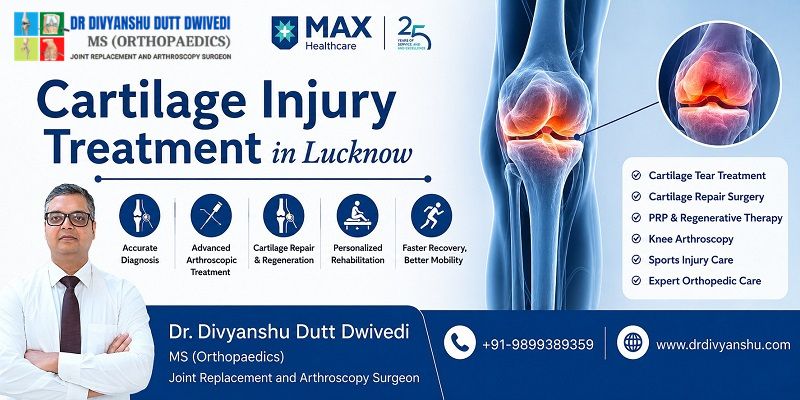
Cartilage-Injury-Treatment-in-Lucknow-Dr-.-Divyanshu-Dutt-Dwivedi.jpg

Healthy knee cartilage plays a vital role in allowing smooth and pain-free movement. When this protective tissue becomes damaged because of a sports injury, accident, aging, or repetitive stress, it can lead to persistent pain, swelling, stiffness, and difficulty performing daily activities. Seeking timely cartilage injury treatment in Lucknow can help preserve the knee joint, restore mobility, and prevent long-term complications such as osteoarthritis. Dr. Divyanshu Dutt Dwivedi, a trusted orthopedic surgeon in Lucknow, offers comprehensive evaluation and evidence-based treatment for cartilage injuries. From advanced diagnostic techniques to minimally invasive arthroscopic procedures and personalized rehabilitation, every treatment plan is designed to relieve pain, restore joint function, and support long-term knee health.

Meet Dr. Divyanshu Dutt Dwivedi for the Best Cartilage Injury Treatment in Lucknow
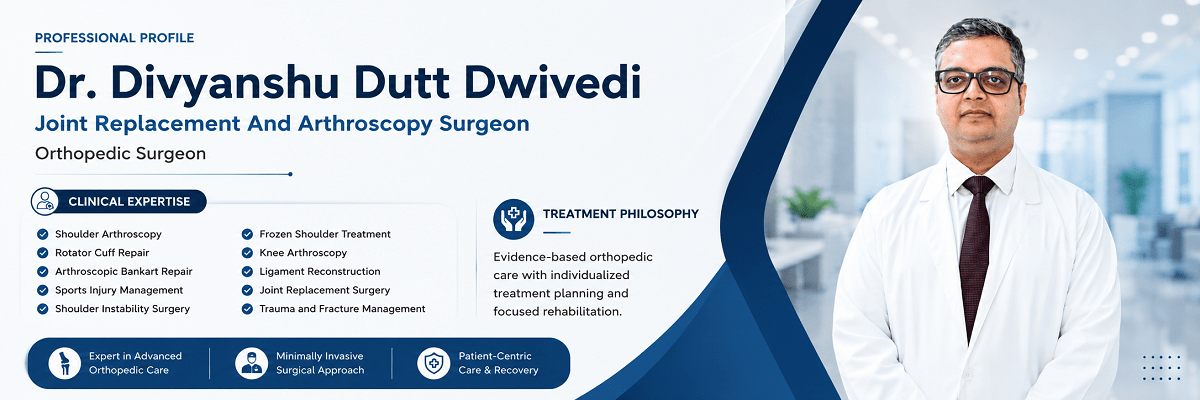
cartilage injury treatment in Lucknow
Dr. Divyanshu Dutt Dwivedi

Dr. Divyanshu Dutt Dwivedi is a trusted orthopedic and joint replacement surgeon specializing in the diagnosis and management of sports injuries, cartilage damage, ligament injuries, arthritis, and complex joint disorders. With extensive experience in arthroscopic surgery, knee preservation, and joint replacement procedures, he focuses on delivering evidence-based orthopedic care tailored to every patient’s condition. His treatment philosophy emphasizes preserving the natural joint whenever possible through timely diagnosis, minimally invasive procedures, and personalized rehabilitation programs. Every patient receives comprehensive evaluation, transparent medical guidance, and long-term follow-up to ensure optimal recovery and improved quality of life. Patients seeking cartilage injury treatment in Lucknow benefit from his commitment to clinical excellence, ethical practice, modern surgical techniques, and compassionate, patient-first orthopedic care.

Clinical Expertise

  • Cartilage Injury Treatment
  • Knee Arthroscopy
  • Sports Injury Management
  • ACL & PCL Reconstruction
  • Meniscus Repair Surgery
  • Shoulder Arthroscopy
  • Hip Arthroscopy
  • Robotic Knee Replacement
  • Total & Partial Knee Replacement
  • Hip Replacement Surgery
  • Complex Trauma Surgery
  • Arthritis Management
  • Joint Preservation Procedures
  • Minimally Invasive Orthopedic Surgery

What is a cartilage injury?

Cartilage is a smooth, flexible connective tissue that covers the ends of bones inside a joint, reducing friction and absorbing shock during movement. Damage to this tissue is known as a cartilage injury or chondral injury. It commonly affects the knee but may also occur in the hip, shoulder, or ankle. Because cartilage has a limited blood supply, it heals much more slowly than other tissues. Early diagnosis by a cartilage injury specialist in Lucknow is essential to protect the joint and reduce the risk of permanent damage. Timely treatment improves recovery and helps patients return to their normal lifestyle with better joint function.

Common Characteristics

Feature Description
Tissue Involved Articular Cartilage
Common Joint Knee Joint
Nature Smooth, Shock Absorbing Surface
Healing Capacity Limited Natural Healing
Common Patients Athletes, Active Adults, Elderly

What Causes Cartilage Injury?

A cartilage injury may develop suddenly after trauma or gradually due to continuous wear and tear. Athletes involved in football, cricket, badminton, basketball, and running are particularly vulnerable because repetitive twisting or direct impact places significant stress on the knee joint. Aging, obesity, previous ligament injuries, and untreated meniscus tears also increase the risk of cartilage damage. Ignoring persistent knee pain can worsen the injury over time, making treatment more complex. Choosing knee cartilage injury treatment in Lucknow at the right stage helps preserve healthy cartilage, maintain joint stability, and reduce the likelihood of developing degenerative arthritis in the future.

Major Causes

  • Sports injuries
  • Road traffic accidents
  • Knee twisting injuries
  • ACL or PCL injuries
  • Meniscus tears
  • Obesity
  • Osteoarthritis
  • Repetitive joint stress
  • High-impact physical activities
  • Age-related cartilage degeneration

Signs and Symptoms of Cartilage Injury

The symptoms of cartilage damage often develop gradually, although severe injuries may produce immediate pain after trauma. Many patients initially ignore mild discomfort until daily activities become difficult. Early recognition of symptoms and consultation for cartilage tear treatment in Lucknow can prevent worsening joint damage and improve treatment outcomes. If symptoms continue for several weeks, medical evaluation is strongly recommended to determine the severity of the injury and identify the most appropriate treatment approach. Accurate diagnosis allows timely intervention and reduces the risk of permanent cartilage deterioration.

Common Symptoms

Symptoms Why It Happens
Knee Pain Damaged cartilage exposes underlying bone
Swelling Joint inflammation develops
Stiffness Reduced joint mobility
Clicking Sounds Uneven cartilage surface
Locking of Knee Loose cartilage fragments
Difficulty Walking Pain and instability
Reduced Flexibility Joint movement becomes restricted

Different Types of Cartilage Injuries

Not every cartilage injury is the same. The extent of damage determines the treatment strategy and expected recovery. Orthopedic surgeons classify cartilage injuries based on their depth, size, and involvement of the underlying bone. A detailed clinical examination combined with MRI and arthroscopy helps identify the exact type of lesion. Understanding the grade of injury enables the surgeon to recommend conservative treatment, biologic therapies, or surgical cartilage restoration procedures. Choosing the right treatment at the appropriate stage improves healing and protects long-term knee function.

Types of Cartilage Damage

Type Description
Partial Thickness Injury Surface cartilage damage only
Full Thickness Injury Entire cartilage layer damaged
Chondral Defect Cartilage injury without bone involvement
Osteochondral Defect Cartilage and bone both affected
Degenerative Cartilage Loss Due to osteoarthritis
Traumatic Cartilage Tear Caused by sports or accidents

Who is at higher risk of cartilage injury?

Although anyone can experience cartilage damage, certain individuals have a significantly higher risk because of their lifestyle, occupation, or existing joint conditions. Athletes who frequently jump, pivot, or change direction rapidly place excessive stress on the knee cartilage. Similarly, overweight individuals experience increased pressure across the joint with every step they take. Previous ligament injuries, untreated meniscus tears, and repetitive occupational activities further increase the risk. Regular orthopedic evaluation and early cartilage injury treatment in Lucknow can help high-risk individuals protect their joints and maintain an active lifestyle without unnecessary complications.

High-Risk Individuals

  • Professional athletes
  • Marathon runners
  • Football players
  • Cricket players
  • Elderly individuals
  • Obese patients
  • Gym enthusiasts
  • Manual laborers
  • Previous ACL injury patients
  • Patients with osteoarthritis

Why Early Diagnosis Matters

Many patients continue to walk despite persistent knee pain, assuming it will improve with rest. Unfortunately, untreated cartilage injuries rarely heal completely because cartilage has poor blood circulation. Delaying treatment allows the damaged area to enlarge, increasing stress on surrounding cartilage and accelerating joint degeneration. Early diagnosis allows orthopedic specialists to begin targeted treatment before irreversible damage occurs. Whether through medication, physiotherapy, biological injections, or arthroscopic surgery, prompt intervention often leads to better outcomes, shorter recovery, and improved long-term joint health. Early care also reduces the possibility of requiring major joint replacement surgery later in life.

Benefits of Early Diagnosis

  • Better healing potential
  • Smaller surgical procedures
  • Faster recovery
  • Less joint degeneration
  • Reduced pain
  • Improved mobility
  • Better sports performance
  • Lower risk of arthritis

How is a cartilage injury diagnosed?

An accurate diagnosis is the foundation of successful cartilage injury treatment in Lucknow. Dr. Divyanshu Dutt Dwivedi begins with a detailed medical history, understanding how the injury occurred, the duration of symptoms, activity limitations, and previous knee problems. This is followed by a thorough physical examination to assess joint stability, range of motion, swelling, tenderness, and mechanical symptoms such as locking or clicking. Imaging studies help confirm the diagnosis and determine the severity of cartilage damage. In selected cases, diagnostic arthroscopy provides a direct view of the cartilage surface, allowing precise assessment and treatment planning.

Diagnostic Methods

Investigation Purpose
Physical Examination Assess joint function
X-ray Evaluate bone alignment
MRI Scan Detect cartilage and ligament injuries
CT Scan Assess complex bone involvement
Diagnostic Arthroscopy Direct visualization of cartilage
Functional Assessment Evaluate movement and stability

Non-Surgical Cartilage Injury Treatment

Not every cartilage injury requires surgery. Patients with mild to moderate cartilage damage often respond well to conservative treatment when the injury is diagnosed early. The primary goals are to reduce pain, control inflammation, improve joint stability, and slow further cartilage deterioration. At the initial stage of cartilage injury treatment in Lucknow, Dr. Divyanshu Dutt Dwivedi develops a personalized treatment plan based on the patient’s age, activity level, MRI findings, and severity of cartilage damage. Regular follow-up helps monitor recovery and determine whether surgical intervention is necessary. Early conservative management can often delay or even eliminate the need for surgery while restoring confidence in daily movement.

Common Non-Surgical Treatments

  • Activity modification
  • Knee bracing
  • Ice therapy
  • Weight management
  • Anti-inflammatory medications
  • Physiotherapy
  • PRP injections
  • Hyaluronic acid injections
  • Lifestyle modifications

Medications for Pain and Inflammation

Medication is often the first step in relieving symptoms while the injured cartilage begins its recovery process. Although medicines cannot regenerate damaged cartilage, they effectively reduce pain, swelling, and inflammation, making rehabilitation exercises more comfortable. During knee cartilage injury treatment in Lucknow, medications are always prescribed after careful evaluation to ensure patient safety and minimize side effects. Self-medication should be avoided, especially prolonged use of painkillers, as it may lead to stomach, kidney, or cardiovascular complications. Combining medication with physiotherapy, strengthening exercises, and weight control provides better long-term outcomes than relying solely on medicines.

Commonly Prescribed Medicines

Medication Type Purpose
NSAIDs Reduce pain and inflammation
Analgesics Pain relief
Muscle Relaxants Reduce muscle spasm
Topical Gels Local pain relief
Supplements Support joint health

Physiotherapy and Rehabilitation for Cartilage Injuries

Physiotherapy is one of the most important components of successful cartilage tear treatment in Lucknow. A structured rehabilitation program strengthens the muscles surrounding the knee, improves flexibility, restores balance, and reduces excessive pressure on the damaged cartilage. Rehabilitation also prevents muscle wasting that commonly develops after knee injuries. The exercises are introduced gradually under expert supervision, ensuring safe progression without worsening the injury. Patients who consistently follow their rehabilitation plan often recover faster and regain better joint function. Rehabilitation continues even after surgery to maximize healing and safely return patients to work, sports, and routine activities.

Benefits of Physiotherapy

  • Improves knee strength
  • Restores flexibility
  • Enhances balance
  • Improves walking pattern
  • Reduces stiffness
  • Prevents muscle weakness
  • Supports faster recovery
  • Lowers re-injury risk

PRP Therapy for Cartilage Injuries

Platelet-Rich Plasma (PRP) therapy is an advanced regenerative treatment that uses the patient’s own blood to promote tissue healing. After processing the blood, a concentrated solution of growth factors is injected into the injured area under sterile conditions. PRP may reduce pain and improve knee function in carefully selected patients with early cartilage damage. During cartilage injury treatment in Lucknow, Dr. Divyanshu Dutt Dwivedi recommends PRP only after a thorough clinical assessment because it is not suitable for every cartilage injury. When combined with physiotherapy and activity modification, PRP can improve recovery and delay disease progression in selected cases.

Advantages of PRP Therapy

Benefit Clinical Importance
Minimally Invasive No major surgery
Uses Patient’s Blood Lower allergy risk
Growth Factors Supports healing
Reduced Pain Better daily function
Quick Procedure Minimal hospital stay

Hyaluronic Acid Injections for Joint Protection

Hyaluronic acid is a naturally occurring substance found within healthy joints that acts as a lubricant and shock absorber. In patients with cartilage damage, its concentration may decrease, leading to increased friction and discomfort. Hyaluronic acid injections help improve joint lubrication, reduce pain, and support smoother movement. While these injections do not regenerate cartilage, they may provide symptomatic relief for selected patients with early cartilage degeneration. As part of knee cartilage damage treatment, they are often combined with physiotherapy, weight management, and strengthening exercises to achieve better long-term functional improvement and maintain joint mobility.

Benefits of Hyaluronic Acid

  • Better joint lubrication
  • Reduced knee pain
  • Improved movement
  • Less joint friction
  • Supports conservative treatment
  • Delays advanced surgery in selected patients

Arthroscopic Cartilage Repair Surgery

When conservative treatment fails or cartilage damage is more severe, arthroscopic surgery may be the most appropriate option. Arthroscopy is a minimally invasive procedure performed through small incisions using a high-definition camera and specialized instruments. This technique allows the surgeon to examine the joint in detail, remove loose cartilage fragments, repair damaged tissue, and treat associated ligament or meniscus injuries. Compared with traditional open surgery, arthroscopy generally causes less pain, smaller scars, and faster recovery. Dr. Divyanshu Dutt Dwivedi performs advanced arthroscopic procedures tailored to the patient’s specific cartilage injury, helping restore knee function while preserving the natural joint.

Advantages of Arthroscopy

Feature Benefit
Small Incisions Minimal scarring
High-Definition Camera Better visualization
Less Blood Loss Safer surgery
Faster Recovery Early rehabilitation
Short Hospital Stay Quick discharge

Microfracture Surgery for Cartilage Repair

Microfracture surgery is a well-established arthroscopic procedure used to treat small, full-thickness cartilage defects. During the procedure, tiny holes are created in the underlying bone, stimulating the release of bone marrow cells that form a protective fibrocartilage layer over the damaged area. Although fibrocartilage is different from the original cartilage, it can significantly reduce pain and improve joint function in carefully selected patients. Microfracture is particularly beneficial for younger individuals with localized cartilage injuries and healthy surrounding tissue. Appropriate patient selection and dedicated rehabilitation are essential for achieving long-term success after the procedure.

Candidates for Microfracture Surgery

  • Small cartilage defects
  • Young adults
  • Sports-related injuries
  • Stable knee joint
  • Healthy surrounding cartilage
  • Localized cartilage damage

OATS (Osteochondral Autograft Transfer System)

The Osteochondral Autograft Transfer System (OATS) is an advanced cartilage restoration procedure used for patients with localized cartilage defects. Healthy cartilage and a small piece of underlying bone are transferred from a non-weight-bearing area of the knee to the damaged region. This technique restores the joint surface using the patient’s own natural cartilage, making it an effective option for active individuals with focal cartilage injuries. As part of advanced cartilage repair surgery, OATS helps reduce pain, improve knee stability, and support a return to sports or physically demanding activities when performed by an experienced orthopedic surgeon.

Benefits of OATS Procedure

Advantage Clinical Benefit
Natural Cartilage Transfer Better joint surface
Durable Repair Long-term function
Reduced Pain Improved comfort
Restores Stability Better mobility
Suitable for Active Patients Return to sports

Mosaicplasty: Advanced Cartilage Restoration

Mosaicplasty is another cartilage restoration technique used for larger cartilage defects. Instead of a single graft, multiple small osteochondral plugs are transplanted into the damaged area, creating a mosaic-like pattern that restores the joint surface. This procedure provides durable biological repair using the patient’s own healthy cartilage. It is particularly useful for young, active individuals with isolated cartilage injuries and healthy surrounding tissue. Combined with a structured rehabilitation program, mosaicplasty can significantly improve knee function, reduce pain, and enhance long-term joint preservation, allowing patients to return to an active lifestyle with greater confidence.

Key Advantages

  • Biological cartilage restoration
  • Improved joint congruity
  • Long-lasting results
  • Better weight distribution
  • Enhanced athletic recovery
  • Reduced progression of arthritis

ACI and MACI – Modern Cartilage Regeneration Techniques

Autologous Chondrocyte Implantation (ACI) and Matrix-Induced Autologous Chondrocyte Implantation (MACI) are advanced regenerative procedures designed for larger cartilage defects in carefully selected patients. Healthy cartilage cells are harvested, cultured in a laboratory to increase their number, and then implanted into the damaged area. MACI uses a specialized collagen membrane to support even cell distribution and integration. These techniques aim to regenerate cartilage-like tissue, improve knee function, and relieve long-term pain. Although not required for every patient, ACI and MACI represent significant advances in cartilage restoration for suitable candidates after detailed clinical evaluation.

Comparison

Procedure Best For
ACI Larger isolated cartilage defects
MACI Larger defects requiring scaffold support
OATS Small to medium focal defects
Microfracture Small full-thickness cartilage lesions

Recovery After Cartilage Injury Treatment

Recovery from a cartilage injury depends on several factors, including the severity of the damage, the treatment performed, the patient’s age, overall health, and commitment to rehabilitation. While patients receiving conservative treatment often experience gradual improvement within a few weeks, surgical procedures such as arthroscopic cartilage repair require a structured rehabilitation program for optimal results. During cartilage injury treatment in Lucknow, Dr. Divyanshu Dutt Dwivedi closely monitors each stage of recovery to ensure proper healing and safe progression of activities. Following medical advice, attending physiotherapy sessions, maintaining a healthy body weight, and avoiding high-impact activities during recovery significantly improve long-term joint function and reduce the risk of reinjury.

Expected Recovery Timeline

Treatment Approximate Recovery
Conservative Treatment 4–8 Weeks
PRP Therapy 6–12 Weeks
Arthroscopic Cartilage Repair 3–6 Months
Microfracture Surgery 4–6 Months
OATS/Mosaicplasty 6–9 Months
ACI/MACI 9–12 Months

Rehabilitation After Cartilage Repair Surgery

Rehabilitation is one of the most important phases of successful knee cartilage injury treatment in Lucknow. Surgery repairs the damaged cartilage, but physiotherapy restores muscle strength, flexibility, balance, and joint function. A carefully designed rehabilitation program progresses through different stages based on the patient’s healing and recovery milestones. Returning to sports or heavy physical work too early may compromise the surgical outcome. Under the supervision of Dr. Divyanshu Dutt Dwivedi and an experienced physiotherapy team, rehabilitation is customized to help patients regain confidence, improve knee stability, and safely return to their normal activities with reduced pain and better mobility.

Rehabilitation Goals

  • Reduce pain and swelling
  • Restore range of motion
  • Improve quadriceps strength
  • Enhance balance and coordination
  • Correct walking pattern
  • Increase endurance
  • Prevent reinjury
  • Return to sports safely

What Happens if a Cartilage Injury is Left Untreated?

Ignoring persistent knee pain or delaying medical consultation can lead to progressive cartilage deterioration and irreversible joint damage. Since cartilage has limited healing potential, untreated injuries often enlarge over time, increasing friction within the joint and accelerating wear of the surrounding cartilage. This may eventually result in chronic pain, recurrent swelling, stiffness, reduced mobility, and early osteoarthritis. Seeking cartilage tear treatment in Lucknow at an early stage allows timely intervention before permanent damage occurs. Early diagnosis not only improves treatment outcomes but also helps preserve the natural knee joint and reduces the likelihood of requiring complex reconstructive surgery or total knee replacement in the future.

Possible Complications

Complication Impact
Chronic Knee Pain Persistent discomfort
Joint Stiffness Reduced flexibility
Recurrent Swelling Ongoing inflammation
Early Osteoarthritis Joint degeneration
Reduced Mobility Difficulty walking
Knee Replacement Advanced joint damage

Cartilage Injury vs. Meniscus Tear

Cartilage injuries and meniscus tears often produce similar symptoms, including pain, swelling, and difficulty walking, but they involve different structures of the knee. Articular cartilage covers the ends of bones and provides a smooth gliding surface, whereas the meniscus is a C-shaped fibrocartilage structure that absorbs shock and stabilizes the joint. Accurate diagnosis using clinical examination and MRI is essential because treatment varies depending on the injured tissue. Dr. Divyanshu Dutt Dwivedi carefully evaluates every patient to identify the exact cause of knee pain and recommend the most appropriate treatment for lasting relief and improved joint function.

Key Differences

Cartilage Injury Meniscus Tear
Damages joint surface Damages shock absorber
Common after impact Common after twisting injury
May progress to arthritis May cause knee locking
Treated with cartilage restoration Treated with meniscus repair or trimming

Cartilage Injury vs. Osteoarthritis

Although cartilage injury and osteoarthritis both affect the knee cartilage, they are different conditions requiring different treatment approaches. A cartilage injury usually develops after trauma, sports injuries, or localized damage, whereas osteoarthritis is a progressive degenerative disease caused by long-term wear and aging. Early cartilage injury treatment in Lucknow focuses on preserving healthy cartilage and restoring joint function before degeneration progresses. In contrast, advanced osteoarthritis may require joint replacement surgery when conservative treatments are no longer effective. Distinguishing between these conditions is essential for selecting the right treatment plan and improving long-term outcomes.

Comparison

  • Cartilage injury is often traumatic.
  • Osteoarthritis develops gradually.
  • Cartilage injury may affect one localized area.
  • Osteoarthritis usually affects larger joint surfaces.
  • Early cartilage treatment may prevent arthritis progression.
  • Both require expert orthopedic evaluation.

Can Cartilage Injuries Be Prevented?

Although every cartilage injury cannot be prevented, adopting healthy lifestyle habits can significantly reduce the risk of knee damage. Maintaining ideal body weight reduces stress on the knee joint, while regular strengthening exercises improve joint stability. Athletes should always perform proper warm-up exercises before sports and use appropriate protective equipment. Treating ligament injuries, meniscus tears, and knee instability promptly also lowers the likelihood of secondary cartilage damage. Regular orthopedic evaluations are particularly beneficial for individuals involved in high-impact activities. Preventive care supports long-term joint health and minimizes the risk of future cartilage-related complications.

Prevention Tips

  • Maintain healthy body weight
  • Exercise regularly
  • Strengthen thigh muscles
  • Warm up before sports
  • Wear proper footwear
  • Avoid sudden twisting movements
  • Treat knee injuries early
  • Follow safe sports techniques

Why Choose Dr. Divyanshu Dutt Dwivedi for Cartilage Injury Treatment in Lucknow?

Choosing the right orthopedic specialist plays a crucial role in achieving successful treatment outcomes. Dr. Divyanshu Dutt Dwivedi is recognized for his expertise in sports injuries, knee preservation procedures, arthroscopic surgery, and advanced joint care. Every patient undergoes a detailed evaluation, allowing treatment plans to be tailored according to the severity of cartilage damage, lifestyle, and recovery goals. From conservative management to advanced arthroscopic cartilage repair, patient care is guided by evidence-based orthopedic practices and modern surgical techniques. The focus remains on relieving pain, restoring mobility, preserving the natural joint, and helping patients safely return to their daily routine.

Why Patients Trust Dr. Divyanshu

  • Personalized treatment plans
  • Expertise in arthroscopic surgery
  • Advanced diagnostic evaluation
  • Comprehensive rehabilitation guidance
  • Patient-focused approach
  • Evidence-based orthopedic care
  • Emphasis on joint preservation
  • Long-term follow-up support

Book Consultation With Cartilage Injury Specialist in Lucknow

Persistent knee pain should never be ignored. Early diagnosis and timely cartilage injury treatment in Lucknow can prevent long-term joint damage and help you regain an active, pain-free lifestyle. Whether your symptoms result from a sports injury, accident, or age-related cartilage wear, receiving the right treatment at the right time makes a significant difference in recovery. Dr. Divyanshu Dutt Dwivedi offers comprehensive evaluation, advanced arthroscopic procedures, personalized rehabilitation, and evidence-based orthopedic care tailored to each patient’s needs. To schedule your consultation or learn more about your treatment options, call +91-9899389359 and take the first step toward healthier joints and improved mobility.

FAQs About Cartilage Injury Doctor in Lucknow

  1. What is the best treatment for a cartilage injury?

The best treatment depends on the severity of the injury. Mild cases may improve with physiotherapy and medications, while advanced injuries may require arthroscopic cartilage repair or restoration procedures.

  1. Can damaged cartilage heal naturally?

Articular cartilage has very limited healing ability because it lacks a direct blood supply. Early treatment helps preserve the joint and improves recovery.

  1. Is surgery necessary for every cartilage injury?

No. Many patients recover successfully with non-surgical treatment, including physiotherapy, PRP therapy, medications, and activity modification.

  1. How is a cartilage injury diagnosed?

Diagnosis involves a clinical examination, MRI scan, X-rays, and, in selected cases, diagnostic arthroscopy to evaluate the extent of cartilage damage.

  1. How long does recovery take after cartilage surgery?

Recovery generally ranges from three to twelve months, depending on the procedure performed and adherence to rehabilitation.

  1. Can athletes return to sports after cartilage treatment?

Yes. With proper rehabilitation and medical clearance, many athletes safely return to sports after successful cartilage treatment.

  1. Does PRP regenerate cartilage?

PRP supports the healing environment and may reduce pain in selected patients, but it does not fully regenerate damaged articular cartilage.

  1. What are the symptoms of cartilage damage?

Common symptoms include knee pain, swelling, stiffness, locking, clicking sounds, reduced flexibility, and difficulty walking.

  1. What happens if cartilage damage is ignored?

Untreated cartilage injuries may progress to chronic pain, reduced mobility, and early osteoarthritis.

  1. When should I consult an orthopedic surgeon?

You should seek medical evaluation if knee pain, swelling, locking, or instability persists for more than a few days or follows a sports injury.
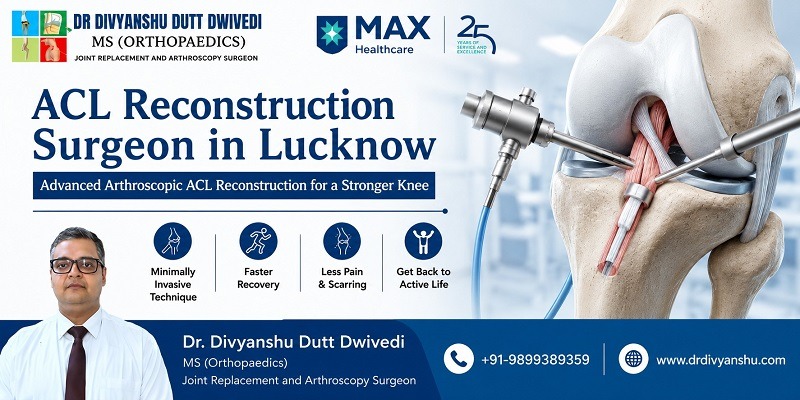

ACL-Reconstruction-Surgeon-in-Lucknow.jpg

An ACL (Anterior Cruciate Ligament) injury can affect your ability to walk, run, or perform daily activities comfortably. It commonly occurs during sports, sudden twists, falls, or road accidents, causing pain, swelling, and knee instability. If left untreated, an ACL tear may lead to repeated injuries and long-term joint damage. Consulting an experienced ACL Reconstruction Surgeon in Lucknow at the right time can help restore knee stability and prevent further complications.

Dr. Divyanshu Dutt Dwivedi, an experienced ACL Reconstruction Surgeon in Lucknow, provides advanced ACL Reconstruction Surgery in Lucknow using modern arthroscopic techniques and personalized treatment plans. From accurate diagnosis to post-operative rehabilitation, every stage of care is focused on achieving the best possible recovery. If you are experiencing knee pain or instability after an ACL injury, call +91-9899389359 today to book your consultation and receive expert orthopedic care.

What is an ACL Injury?

The Anterior Cruciate Ligament (ACL) is one of the four major ligaments of the knee that connects the thigh bone (femur) to the shin bone (tibia). It plays a crucial role in maintaining knee stability, controlling rotational movements, and preventing the shin bone from sliding forward during walking, running, jumping, and sudden directional changes.

An ACL injury usually occurs when the ligament is stretched or torn due to a sudden twist, awkward landing, direct impact, or rapid change in direction. These injuries are common among athletes participating in football, cricket, badminton, basketball, volleyball, kabaddi, and other sports that involve pivoting or jumping. However, ACL tears can also occur during everyday activities, falls, or road traffic accidents.

A complete ACL tear often requires consultation with an experienced ACL Reconstruction Surgeon in Lucknow, especially when knee instability affects routine activities or sports participation. Early diagnosis and timely treatment help prevent further damage to the cartilage, meniscus, and surrounding knee structures.

Ignoring an ACL injury may lead to chronic knee instability, repeated episodes of the knee giving way, and an increased risk of developing early arthritis. Therefore, prompt medical evaluation is essential for preserving long-term knee health.

What is ACL Reconstruction Surgery?

ACL Reconstruction Surgery is an advanced arthroscopic procedure performed to replace a torn anterior cruciate ligament with a healthy tendon graft. Instead of repairing the damaged ligament directly, the surgeon reconstructs a new ligament using tissue obtained from the patient’s own body or, in selected cases, from a donor graft.

Today, Arthroscopic ACL Reconstruction Surgery in Lucknow is considered the gold standard for treating complete ACL tears in active individuals. The procedure is performed through small keyhole incisions using a high-definition arthroscope, resulting in less pain, minimal scarring, reduced blood loss, and faster recovery compared to traditional open surgery.

The primary goals of ACL Reconstruction Surgery are to:

  • Restore knee stability.
  • Reduce pain and instability.
  • Prevent further damage to the meniscus and cartilage.
  • Improve knee function.
  • Enable a safe return to sports and physical activities.
  • Lower the risk of long-term joint degeneration.

With advancements in orthopedic technology and rehabilitation protocols, most patients achieve excellent functional outcomes when surgery is performed by an experienced ACL Reconstruction Surgeon in Lucknow and followed by a structured physiotherapy program.

Meet Dr. Divyanshu Dutt Dwivedi

Dr. Divyanshu Dutt Dwivedi Banner
Dr. Divyanshu Dutt Dwivedi

Dr. Divyanshu Dutt Dwivedi is a trusted ACL Reconstruction Surgeon in Lucknow, dedicated to providing advanced orthopedic care for patients with ligament injuries, sports injuries, and complex knee conditions. With expertise in minimally invasive arthroscopic techniques, he focuses on restoring knee stability, reducing pain, and helping patients return to their daily activities and sports safely. Every patient receives a personalized treatment plan based on their clinical condition, activity level, and recovery goals, ensuring high-quality, evidence-based care from diagnosis through rehabilitation.

Clinical Expertise

  • ACL Reconstruction Surgery
  • Arthroscopic Knee Surgery
  • Sports Injury Treatment
  • Meniscus Repair Surgery
  • Knee Ligament Reconstruction
  • Complex Knee Injury Management
  • Minimally Invasive Orthopedic Procedures
  • Post-operative Rehabilitation Planning

With a patient-first approach, ethical medical practice, and modern surgical techniques, Dr. Divyanshu Dutt Dwivedi is committed to delivering safe, effective, and personalized ACL Tear Treatment in Lucknow. To schedule a consultation, call +91-9899389359 today.

Signs and Symptoms of an ACL Tear

Recognizing the symptoms of an ACL injury early can significantly improve treatment outcomes. Some patients experience immediate instability after the injury, while others notice persistent discomfort during daily activities.

Common signs and symptoms include:

  • Sudden popping sensation at the time of injury.
  • Severe knee pain immediately after the incident.
  • Rapid swelling within the first few hours.
  • Difficulty walking or bearing weight.
  • Feeling that the knee may “give way.”
  • Reduced range of motion.
  • Difficulty climbing stairs.
  • Pain while turning or twisting the knee.
  • Instability during sports or physical activity.
  • Recurrent episodes of knee buckling.

If you experience any of these symptoms, consult an experienced ACL Reconstruction Surgeon in Lucknow as early diagnosis can prevent additional damage to the knee joint.

Common Causes of ACL Injury

An injury to the Anterior Cruciate Ligament (ACL) can happen to anyone, but it is more common among athletes and physically active individuals. The ligament is responsible for maintaining knee stability during movements such as running, jumping, pivoting, and sudden changes in direction. When excessive force is applied to the knee, the ACL may stretch or tear, leading to pain, swelling, and instability. Consulting an experienced ACL Reconstruction Surgeon in Lucknow at the earliest stage can help prevent further joint damage and improve recovery outcomes.

Some of the most common causes of an ACL injury include:

  • Sudden twisting or pivoting of the knee while the foot remains planted.
  • Incorrect landing after a jump during sports activities.
  • Direct impact on the knee during contact sports or accidents.
  • Rapid changes in direction while running.
  • Sudden stopping while sprinting.
  • Road traffic accidents causing knee trauma.
  • Falls from height or slipping on uneven surfaces.
  • Weak thigh or hamstring muscles that fail to support the knee adequately.
  • Previous knee injuries that increase the risk of ligament damage.

Sports such as football, cricket, basketball, badminton, volleyball, kabaddi, and athletics involve frequent jumping, cutting, and pivoting movements, making players more susceptible to ACL injuries. Early diagnosis and timely ACL Tear Treatment in Lucknow can reduce the risk of meniscus tears, cartilage damage, and long-term knee instability.

Who Needs ACL Reconstruction Surgery?

Not every ACL injury requires surgery. Minor ligament sprains or partial tears may respond well to physiotherapy, activity modification, and structured rehabilitation. However, patients with complete ACL tears or persistent knee instability often benefit from ACL Reconstruction Surgery in Lucknow.

You may be a suitable candidate for surgery if you:

  • Have a complete ACL tear confirmed by MRI.
  • Experience repeated episodes of your knee giving way.
  • Participate in sports that involve jumping, pivoting, or sudden direction changes.
  • Have associated injuries such as a meniscus tear or cartilage damage.
  • Want to return to an active lifestyle without knee instability.
  • Continue to experience pain despite conservative treatment.
  • Have difficulty performing routine activities such as climbing stairs or walking on uneven surfaces.
  • Are a young or middle-aged active individual with high functional demands.

An experienced ACL Reconstruction Surgeon in Lucknow will carefully evaluate your symptoms, clinical findings, MRI reports, lifestyle, occupation, and activity level before recommending surgery. The goal is to restore knee stability while preserving long-term joint health.

When is ACL Reconstruction Surgery Recommended?

While physiotherapy can improve muscle strength and reduce symptoms in some patients, surgery becomes the preferred treatment when the ligament cannot provide adequate stability to the knee.

ACL Reconstruction Surgery is generally recommended when:

  • The ACL is completely torn.
  • The knee remains unstable despite rehabilitation.
  • There is a combined ACL and meniscus injury.
  • The patient wishes to return to sports or physically demanding work.
  • Recurrent knee buckling interferes with daily life.
  • Conservative treatment has failed to provide lasting relief.
  • There is a risk of additional cartilage or ligament damage.

Delaying treatment in patients with significant instability may increase the likelihood of further knee injuries and early degenerative arthritis. Seeking advice from Dr. Divyanshu Dutt Dwivedi, an experienced ACL Reconstruction Surgeon in Lucknow, ensures that every patient receives a treatment plan based on their individual needs rather than a one-size-fits-all approach.

How is an ACL Injury Diagnosed?

An accurate diagnosis is the foundation of successful treatment. Since many knee injuries produce similar symptoms, a detailed assessment is essential to identify the exact cause of pain and instability.

During your consultation, Dr. Divyanshu Dutt Dwivedi will review your medical history, understand how the injury occurred, and assess your symptoms before performing a thorough clinical examination.

The diagnostic process typically includes:

Detailed Medical History

The doctor will ask questions about:

  • How the injury happened.
  • Whether you heard a popping sound.
  • When the swelling started.
  • Episodes of knee instability.
  • Previous knee injuries.
  • Current activity level and sports participation.

Physical Examination

A comprehensive knee examination helps evaluate:

  • Joint stability.
  • Swelling and tenderness.
  • Range of motion.
  • Muscle strength.
  • Walking pattern.
  • Ligament integrity through specialized clinical tests.

These findings provide valuable information about the severity of the injury and whether other knee structures may also be involved.

MRI and Imaging for ACL Tears

Although a physical examination often provides strong clinical evidence, imaging studies help confirm the diagnosis and identify associated injuries.

Common investigations include:

MRI Scan

MRI is considered the gold standard for evaluating ACL ligament injuries because it provides detailed images of:

  • ACL tears.
  • Meniscus injuries.
  • Cartilage damage.
  • Bone bruises.
  • Other ligament injuries.

X-rays

While X-rays do not show ligaments directly, they help rule out fractures, joint deformities, or other bone-related conditions.

Additional Imaging (When Required)

In selected cases, further imaging or specialized investigations may be recommended to assist with surgical planning.

Accurate diagnosis allows the ACL Reconstruction Surgeon in Lucknow to recommend the most appropriate treatment plan and avoid unnecessary procedures.

ACL Reconstruction Surgery Procedure: Step-by-Step

Modern Arthroscopic ACL Reconstruction Surgery in Lucknow is performed using minimally invasive techniques that allow faster recovery, smaller incisions, and reduced post-operative discomfort.

The procedure generally involves the following steps:

1. Pre-operative Evaluation

Before surgery, the patient undergoes:

  • Clinical assessment.
  • MRI review.
  • Routine blood investigations.
  • Fitness evaluation for anesthesia.
  • Discussion regarding graft options and expected recovery.

2. Anesthesia

The surgery is usually performed under spinal or general anesthesia, ensuring that the patient remains comfortable throughout the procedure.

3. Arthroscopic Examination

A small camera called an arthroscope is inserted through tiny incisions around the knee. This allows the surgeon to examine the ACL, meniscus, cartilage, and other internal structures with high precision.

4. Removal of the Torn ACL

The damaged ligament is carefully removed while preserving healthy surrounding tissues.

5. Graft Preparation

A healthy tendon graft is prepared to replace the torn ACL. The graft may be taken from the patient’s own body or selected from a donor, depending on the individual case.

6. Bone Tunnel Creation

Small tunnels are created in the femur and tibia to position the new ligament accurately. Proper tunnel placement is essential for restoring natural knee movement and stability.

7. Graft Placement

The prepared graft is inserted through the tunnels and positioned anatomically to function like the original ACL.

8. Graft Fixation

Specialized medical implants are used to secure the graft firmly until it heals naturally with the surrounding bone.

9. Final Assessment

Before completing the procedure, the surgeon checks the stability and range of motion of the knee to ensure optimal graft placement.

10. Recovery Room

After surgery, patients are monitored closely before beginning the initial phase of rehabilitation. Most individuals are encouraged to start gentle knee movements under medical supervision soon after surgery.

With expert surgical care and a structured rehabilitation program, ACL Reconstruction Surgery in Lucknow offers excellent outcomes, helping patients regain confidence, stability, and an active lifestyle.

Why Early ACL Treatment Matters

Ignoring an ACL tear can lead to repeated episodes of knee instability, increasing the risk of additional injuries to the meniscus and joint cartilage. Over time, untreated instability may contribute to early osteoarthritis and chronic knee pain. Early consultation with Dr. Divyanshu Dutt Dwivedi, an experienced ACL Reconstruction Surgeon in Lucknow, allows for timely diagnosis and personalized treatment, helping preserve knee function and support a faster, safer recovery.

Types of ACL Grafts Used in ACL Reconstruction Surgery

One of the most important decisions during ACL Reconstruction Surgery in Lucknow is selecting the right graft. A graft is the tendon used to create a new anterior cruciate ligament. The choice depends on several factors, including the patient’s age, activity level, occupation, sports participation, overall health, and the surgeon’s clinical assessment.

As an experienced ACL Reconstruction Surgeon in Lucknow, Dr. Divyanshu Dutt Dwivedi carefully evaluates each patient before recommending the most suitable graft option to achieve long-term knee stability and optimal recovery.

Hamstring Tendon Graft

The hamstring tendon graft is one of the most commonly used options for ACL Reconstruction Surgery. It is obtained from the patient’s hamstring muscles and offers excellent strength with minimal surgical discomfort.

Advantages include:

  • Smaller incision
  • Reduced pain at the donor site
  • Strong and reliable graft
  • Faster rehabilitation
  • Suitable for many active individuals

This graft is widely preferred for patients seeking a balance between strength, recovery, and long-term knee function.

Patellar Tendon Graft

The patellar tendon graft uses the middle portion of the tendon located below the kneecap. It has long been considered an excellent option, particularly for athletes involved in high-impact sports.

Benefits include:

  • Excellent initial fixation
  • High long-term success rate
  • Strong knee stability
  • Suitable for competitive athletes
  • Proven clinical outcomes

Although some patients may experience temporary discomfort while kneeling, this graft remains an effective choice for selected individuals.

Quadriceps Tendon Graft

The quadriceps tendon graft has become increasingly popular due to its strength and versatility. It is often recommended for patients with specific anatomical considerations or for revision ACL surgeries.

Key advantages include:

  • Thick and strong tendon
  • Lower donor-site discomfort
  • Suitable for larger patients
  • Reliable healing potential
  • Excellent knee stability

Allograft

An allograft uses donor tissue obtained from a certified tissue bank. It may be considered in selected cases, such as revision surgeries or patients who prefer to avoid tendon harvesting from their own body.

Advantages include:

  • Shorter surgical time
  • Smaller surgical incision
  • Less post-operative pain at the donor site
  • Faster early recovery

The most appropriate graft is determined after a thorough evaluation by Dr. Divyanshu Dutt Dwivedi, ensuring that every patient receives a personalized treatment plan.

Benefits of ACL Reconstruction Surgery

A successful ACL Reconstruction Surgery in Lucknow can significantly improve knee function and quality of life. The procedure is designed not only to replace the damaged ligament but also to restore confidence in daily movement and physical activity.

Some of the major benefits include:

Restores Knee Stability

The reconstructed ligament helps stabilize the knee during walking, climbing stairs, running, and sporting activities.

Reduces Knee Pain

Many patients experience significant relief from pain caused by recurrent knee instability and ligament damage.

Prevents Further Joint Damage

Persistent instability can lead to meniscus tears and cartilage wear. Timely surgery helps protect these important structures.

Improves Mobility

Patients can gradually regain normal knee movement through proper rehabilitation and physiotherapy.

Supports Return to Sports

Athletes and physically active individuals often return to sports after completing rehabilitation under medical guidance.

Minimally Invasive Procedure

Modern arthroscopic techniques involve small incisions, resulting in less pain, minimal blood loss, and quicker recovery.

Better Long-Term Knee Health

Restoring ligament stability reduces the risk of chronic instability and helps maintain overall knee function over time.

Risks and Possible Complications of ACL Reconstruction Surgery

Like any surgical procedure, ACL Reconstruction Surgery carries certain risks. However, these complications are uncommon when the procedure is performed by an experienced ACL Reconstruction Surgeon in Lucknow and followed by appropriate rehabilitation.

Potential risks include:

  • Infection
  • Bleeding
  • Blood clot formation
  • Knee stiffness
  • Swelling
  • Delayed graft healing
  • Persistent pain
  • Re-injury of the reconstructed ligament
  • Temporary numbness around the incision
  • Rare complications related to anesthesia

Careful surgical planning, advanced arthroscopic techniques, and adherence to post-operative instructions significantly reduce these risks.

Recovery Timeline After ACL Reconstruction Surgery

Recovery after ACL Reconstruction Surgery in Lucknow is a gradual process. Every patient’s healing journey is unique, depending on age, fitness level, associated injuries, and commitment to rehabilitation.

First Week

During the initial days after surgery, the focus is on controlling pain and swelling while protecting the new ligament.

Patients are encouraged to:

  • Rest the knee
  • Apply ice packs as advised
  • Use prescribed medications
  • Walk with support if recommended
  • Begin gentle physiotherapy exercises

Weeks 2 to 6

As healing progresses, rehabilitation becomes more active.

During this period, patients typically work on:

  • Improving knee movement
  • Regaining muscle strength
  • Reducing swelling
  • Gradually increasing weight-bearing
  • Improving walking pattern

Regular follow-up with Dr. Divyanshu Dutt Dwivedi helps monitor progress and adjust the rehabilitation plan when necessary.

Months 2 to 4

At this stage, patients focus on rebuilding strength and improving knee function.

Physiotherapy may include:

  • Balance training
  • Muscle strengthening
  • Stationary cycling
  • Controlled functional exercises
  • Core strengthening

Most patients notice significant improvement in daily activities during this phase.

Months 4 to 6

Advanced rehabilitation aims to prepare the knee for higher levels of physical activity.

Exercises may include:

  • Jogging progression
  • Agility drills
  • Sport-specific training
  • Functional movement assessment
  • Endurance exercises

Six to Nine Months

Many patients can gradually return to recreational sports after meeting strength and functional recovery goals. Competitive athletes may require a longer rehabilitation period depending on the nature of their sport.

A safe return to sports should always be guided by the treating ACL Reconstruction Surgeon in Lucknow and an experienced physiotherapy team.

Physiotherapy and Rehabilitation After ACL Reconstruction

Rehabilitation is one of the most important components of successful ACL Tear Treatment in Lucknow. Surgery restores the ligament, but physiotherapy helps restore strength, flexibility, balance, and confidence.

A structured rehabilitation program generally focuses on:

  • Pain management
  • Swelling reduction
  • Restoring knee movement
  • Strengthening quadriceps and hamstring muscles
  • Improving balance and coordination
  • Gait correction
  • Functional training
  • Sports-specific rehabilitation
  • Injury prevention strategies

Patients who actively participate in physiotherapy often achieve better functional outcomes and return to normal activities more safely.

Success Rate of ACL Reconstruction Surgery

Modern ACL Reconstruction Surgery has a high success rate when performed using advanced arthroscopic techniques and followed by a dedicated rehabilitation program.

Most patients experience:

  • Improved knee stability
  • Reduced pain
  • Better mobility
  • Enhanced confidence during movement
  • Return to work and routine activities
  • Safe return to recreational or competitive sports after appropriate rehabilitation

Long-term success depends on several factors, including the severity of the injury, the surgical technique, adherence to physiotherapy, and maintaining muscle strength after recovery.

With personalized care from Dr. Divyanshu Dutt Dwivedi, patients receive comprehensive treatment designed to maximize recovery and support long-term knee health.

ACL Reconstruction Surgery Cost in Lucknow

One of the most common questions patients ask is about the cost of ACL Reconstruction Surgery in Lucknow. The overall expense can vary because every ACL injury is unique, and the treatment plan is tailored to the patient’s condition.

The final cost generally depends on several factors, including:

  • Severity of the ACL injury
  • Type of graft used for reconstruction
  • Whether there is an associated meniscus or cartilage injury
  • Hospital facilities and operation theatre charges
  • Diagnostic investigations such as MRI and blood tests
  • Type of implants required
  • Anaesthesia charges
  • Duration of hospital stay
  • Post-operative medications
  • Physiotherapy and rehabilitation program

During your consultation, Dr. Divyanshu Dutt Dwivedi will perform a detailed clinical examination, review your MRI findings, and explain the most suitable treatment plan along with a transparent estimate of the expected cost.

If you are looking for reliable ACL Tear Treatment in Lucknow, our priority is to provide advanced treatment, ethical medical care, and complete guidance throughout your recovery journey.

Why Choose Dr. Divyanshu Dutt Dwivedi for ACL Reconstruction Surgery in Lucknow?

Choosing the right ACL Reconstruction Surgeon in Lucknow is essential for a successful recovery and long-term knee health. Dr. Divyanshu Dutt Dwivedi is committed to providing advanced, patient-focused orthopedic care using modern arthroscopic techniques and evidence-based treatment.

Why patients choose Dr. Divyanshu Dutt Dwivedi:

  • Experienced in ACL Reconstruction Surgery and sports injury management.
  • Expertise in minimally invasive arthroscopic knee procedures.
  • Comprehensive evaluation with accurate diagnosis and personalized treatment plans.
  • Focus on restoring knee stability, mobility, and function.
  • Advanced surgical techniques for faster recovery and minimal discomfort.
  • Transparent communication and ethical medical care at every stage.
  • Individualized rehabilitation guidance for safe return to daily activities and sports.
  • Dedicated follow-up care to monitor healing and optimize long-term outcomes.

If you are looking for an experienced ACL Reconstruction Surgeon in Lucknow, consult Dr. Divyanshu Dutt Dwivedi for expert care tailored to your condition. Call +91-9899389359 today to schedule your appointment and begin your journey toward a stronger, more stable, and pain-free knee.

Why Choose Our Orthopedic Center for ACL Reconstruction Surgery?

Our orthopedic center is dedicated to providing high-quality care for patients with ligament injuries, sports injuries, and other complex knee conditions. From diagnosis to rehabilitation, every aspect of treatment is designed to deliver safe, effective, and patient-focused care.

Advanced Arthroscopic Technology

We use modern arthroscopic equipment that enables accurate diagnosis and minimally invasive ligament reconstruction with greater precision.

Comprehensive Orthopedic Care

Our services cover every stage of treatment, including consultation, diagnostic evaluation, surgery, rehabilitation, and long-term follow-up.

Individualized Patient Care

Every patient receives a customized treatment plan based on their injury pattern, functional goals, and lifestyle requirements.

Patient Education

We believe informed patients make better healthcare decisions. Before surgery, we explain the procedure, recovery process, rehabilitation milestones, and expected outcomes in simple language.

Rehabilitation Support

A structured physiotherapy program is an essential part of successful ACL Reconstruction Surgery. We guide patients through every stage of rehabilitation to maximize recovery and restore knee function.

Patient-Centered Experience

Our team is committed to providing compassionate care, clear communication, and continuous support throughout the treatment journey.

Book Your Consultation with Dr. Divyanshu Dutt Dwivedi

A torn ACL can limit your mobility, cause knee instability, and affect your daily activities. Early diagnosis and timely treatment are essential for restoring knee function and preventing further joint damage. Dr. Divyanshu Dutt Dwivedi, an experienced ACL Reconstruction Surgeon in Lucknow, offers comprehensive evaluation, advanced arthroscopic ACL Reconstruction Surgery in Lucknow, and personalized rehabilitation plans to help patients achieve optimal recovery. Whether your injury is sports-related or caused by an accident, expert care is available to support your return to an active lifestyle. Call +91-9899389359 today to schedule your consultation and take the first step toward a stronger, healthier, and pain-free knee.

FAQs About ACL Reconstruction Surgery in Lucknow

  1. What is ACL Reconstruction Surgery?

ACL Reconstruction Surgery is a minimally invasive arthroscopic procedure that replaces a torn anterior cruciate ligament with a tendon graft to restore knee stability and function.

  1. Who needs ACL Reconstruction Surgery?

Patients with complete ACL tears, persistent knee instability, recurrent knee buckling, or those wishing to return to sports often benefit from surgery.

  1. Is every ACL tear treated with surgery?

No. Partial ACL tears and certain low-demand patients may recover with physiotherapy and rehabilitation. Surgery is recommended based on the severity of the injury and the patient’s lifestyle.

  1. How long does ACL Reconstruction Surgery take?

The procedure usually takes between one and two hours, depending on the complexity of the injury and whether additional procedures such as meniscus repair are required.

  1. Is ACL Reconstruction Surgery painful?

The surgery is performed under anesthesia, so patients do not feel pain during the procedure. Mild to moderate discomfort after surgery is managed with medications and rehabilitation.

  1. How soon can I walk after ACL surgery?

Most patients begin walking with support within a short period after surgery, following the advice of their orthopedic surgeon and physiotherapist.

  1. When can I return to sports?

Return to sports depends on muscle strength, knee stability, and rehabilitation progress. Many patients return to sporting activities after completing a structured rehabilitation program under medical supervision.

  1. What is the success rate of ACL Reconstruction Surgery?

When performed by an experienced ACL Reconstruction Surgeon in Lucknow and followed by proper rehabilitation, ACL reconstruction has a high success rate and provides excellent long-term knee stability.

  1. How long does recovery take?

Recovery varies from patient to patient. Most individuals gradually resume normal daily activities over several months, while return to high-impact sports requires a longer rehabilitation period.

  1. Can an ACL tear heal without surgery?

Complete ACL tears generally do not heal on their own. Your orthopedic surgeon will determine whether non-surgical treatment or reconstruction is the most appropriate option.

  1. What happens if an ACL tear is left untreated?

Untreated ACL injuries may lead to repeated knee instability, meniscus damage, cartilage wear, chronic pain, and an increased risk of developing early osteoarthritis.

  1. Which doctor should I consult for an ACL injury?

You should consult an experienced ACL Reconstruction Surgeon in Lucknow or an orthopedic specialist with expertise in sports injuries and arthroscopic knee surgery.


Logo

Dr. Divyanshu Dutt Dwivedi is a well-known orthopedic surgeon in Lucknow, recognized for his expertise in treating a variety of musculoskeletal conditions. He is known as one of the Best Orthopedic Doctors in Lucknow.

© 2025 Dr. Divyanshu. All rights reserved.| Developed By Websofy Software