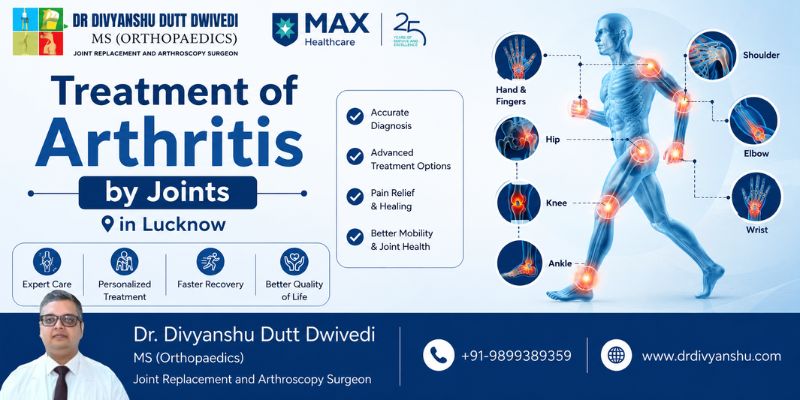
Treatment-of-Arthritis-by-Joints-in-Lucknow.jpg

Arthritis can affect almost any joint in the body, causing pain, stiffness, swelling, and reduced movement that may interfere with daily life. Whether it involves the hands, fingers, wrists, elbows, feet, spine, or neck, timely diagnosis and the right treatment can help relieve symptoms and protect the joints from further damage. If you are looking for treatment of Arthritis by Joints in Lucknow  it is important to consult an experienced arthritis specialist in Lucknow who can identify the exact cause and recommend the most suitable treatment. This guide explains the symptoms, causes, diagnosis, and available treatment options for arthritis affecting different joints.

Common Symptoms of Arthritis by Joints

The symptoms of arthritis vary depending on the affected joint and the type of arthritis, but most patients experience discomfort that gradually worsens over time. Early recognition allows faster treatment and helps prevent permanent joint damage. Visit an arthritis Specialist in Lucknow if you notice persistent symptoms such as:

  • Joint pain during movement or at rest
  • Morning stiffness lasting more than 30 minutes
  • Swelling and tenderness around the joint
  • Reduced range of motion
  • Warmth or redness over the affected area
  • Difficulty gripping, walking, or lifting objects
  • Clicking or grinding sensation in the joints
  • Weakness and reduced joint stability

What Causes Arthritis in Different Joints?

Arthritis can affect different joints for different reasons, depending on a person’s age, lifestyle, medical history, and overall joint health. The most common cause is the gradual breakdown of cartilage, which cushions the ends of bones and allows smooth joint movement. However, arthritis may also develop due to autoimmune diseases, previous injuries, infections, repetitive joint stress, obesity, or genetic factors. Identifying the exact cause is essential for choosing the most effective treatment for arthritis by joints in Lucknow. An experienced Arthritis Specialist in Lucknow performs a detailed evaluation to determine the underlying cause and create a personalized treatment plan for long-term pain relief and improved joint function.


Common Causes of Arthritis by Joint

Joint Common Causes
Hand Osteoarthritis, rheumatoid arthritis, repetitive hand movements, previous fractures
Finger Age-related cartilage wear, rheumatoid arthritis, repetitive gripping activities
Wrist Previous wrist injuries, osteoarthritis, rheumatoid arthritis, ligament damage
Elbow Joint injuries, rheumatoid arthritis, repetitive arm movements, cartilage degeneration
Foot Osteoarthritis, gout, rheumatoid arthritis, obesity, previous foot injuries
Spine Age-related degeneration, poor posture, spinal disc wear, inflammatory arthritis
Neck Cervical osteoarthritis, ageing, repetitive neck strain, previous neck injuries

Early diagnosis of the underlying cause helps prevent further joint damage and allows timely treatment to relieve pain, improve mobility, and maintain an active lifestyle.

Hand Arthritis Treatment in Lucknow

The hands are among the most frequently affected areas by arthritis because they contain multiple small joints that perform continuous daily activities. Hand Arthritis Treatment in Lucknow focuses on relieving pain, reducing stiffness, improving grip strength, and preserving hand function. Osteoarthritis and rheumatoid arthritis are the most common causes of hand arthritis and may make simple tasks such as writing, buttoning clothes, or opening jars difficult. Treatment usually includes medications, splints, physiotherapy, hand exercises, lifestyle modifications, and image-guided injections when appropriate. In advanced cases where joint damage becomes severe, surgical intervention may be recommended to restore function and improve the patient’s quality of life.

Symptoms of Hand Arthritis

Recognizing early symptoms helps prevent permanent joint damage and improves long-term outcomes. Patients with hand arthritis treatment in Lucknow commonly seek care after noticing persistent discomfort that affects daily activities.

Common symptoms include:

  • Pain while gripping or lifting objects
  • Swollen finger and hand joints
  • Morning stiffness
  • Reduced hand strength
  • Difficulty opening bottles or turning keys
  • Joint deformity in advanced arthritis
  • Clicking or grinding sensation during movement
  • Reduced flexibility in fingers and thumb

Prompt evaluation by an arthritist specialist in Lucknow helps identify the condition early and allows timely treatment before significant joint damage occurs.

Treatment Options for Hand Arthritis

Treatment depends on the severity of symptoms, the type of arthritis, and the extent of joint damage. The primary goal is to reduce pain while maintaining normal hand function.

Treatment options include:

  • Activity modification
  • Anti-inflammatory medications
  • Hand physiotherapy
  • Custom splints and braces
  • Joint protection techniques
  • Range-of-motion exercises
  • Image-guided injections when indicated
  • Surgical treatment for severe joint damage

A personalized treatment plan helps patients regain hand strength, improve flexibility, and continue their daily activities with less pain.

Finger Arthritis Treatment in Lucknow

The finger joints are constantly used for writing, typing, gripping, and other fine motor activities, making them highly susceptible to arthritis. Finger Arthritis Treatment in Lucknow aims to relieve pain, improve finger movement, and prevent progressive joint deformity. Osteoarthritis commonly affects the finger joints due to cartilage wear, while rheumatoid arthritis can cause inflammation in multiple joints simultaneously. Patients often experience difficulty performing everyday tasks because of stiffness and reduced dexterity. Early diagnosis enables the initiation of conservative treatment before irreversible damage occurs, preserving normal hand function and enhancing overall quality of life.

Symptoms of Finger Arthritis

The symptoms of finger arthritis often begin gradually and may become more noticeable during repetitive activities. Seeking early finger arthritis treatment in Lucknow can reduce pain and slow disease progression.

Common symptoms include:

  • Pain in finger joints
  • Morning stiffness
  • Swollen knuckles
  • Difficulty bending fingers
  • Weak grip strength
  • Tenderness around affected joints
  • Reduced finger flexibility
  • Visible joint enlargement or deformity in advanced cases

An experienced arthritis doctor in Lucknow can determine whether the symptoms are due to osteoarthritis, rheumatoid arthritis, or another inflammatory condition.

Treatment Options for Finger Arthritis

Most patients respond well to non-surgical management when arthritis is diagnosed early. The treatment plan is customized according to disease severity and functional limitations.

Common treatment options include:

  • Pain-relieving medications
  • Anti-inflammatory medicines
  • Finger strengthening exercises
  • Physiotherapy
  • Protective finger splints
  • Lifestyle modifications
  • Image-guided joint injections
  • Surgical reconstruction for advanced arthritis

Appropriate treatment helps reduce pain, restore finger mobility, improve hand function, and minimize the risk of permanent joint deformity.

Wrist Arthritis Treatment in Lucknow

The wrist is a complex joint made up of multiple small bones that work together to provide flexibility and strength. Arthritis in the wrist can cause persistent pain, stiffness, swelling, and reduced hand function, making everyday activities difficult. Wrist Arthritis Treatment in Lucknow focuses on relieving pain, improving joint mobility, and preserving wrist function. Osteoarthritis, rheumatoid arthritis, and previous wrist injuries are common causes of wrist arthritis. Early consultation with an arthritis specialist in Lucknow helps identify the condition before it progresses, allowing patients to benefit from personalized treatment plans that reduce symptoms and improve long-term joint health.

Symptoms of Wrist Arthritis

Patients with wrist arthritis often notice symptoms that gradually worsen over time. Early diagnosis helps prevent joint damage and improves treatment outcomes.

Common symptoms include:

  • Pain while lifting or gripping objects
  • Swelling around the wrist joint
  • Morning stiffness
  • Weak grip strength
  • Clicking or grinding sensation
  • Difficulty rotating the wrist
  • Reduced range of motion
  • Tenderness around the joint

If these symptoms persist, consult an arthrist doctor in Lucknow for a detailed evaluation and timely treatment.

Treatment Options for Wrist Arthritis

Treatment is selected based on the severity of arthritis, daily activity level, and overall joint condition. Most patients experience significant improvement with conservative management.

Treatment options include:

  • Activity modification
  • Anti-inflammatory medications
  • Wrist splints and braces
  • Physiotherapy
  • Wrist strengthening exercises
  • Image-guided joint injections
  • Occupational therapy
  • Surgical treatment for advanced arthritis

A personalized treatment plan helps restore wrist function, relieve pain, and improve the quality of daily life.

Elbow Arthritis Treatment in Lucknow

Although elbow arthritis is less common than knee or hand arthritis, it can significantly affect arm movement and strength. Elbow Arthritis Treatment in Lucknow aims to reduce pain, improve flexibility, and restore normal joint function. Osteoarthritis may develop due to aging or previous injuries, while rheumatoid arthritis commonly affects both elbows simultaneously. Patients often experience discomfort while lifting objects, bending the arm, or performing routine activities. Consulting an experienced arthritic specialist in Lucknow at an early stage allows appropriate treatment to slow disease progression and maintain comfortable joint movement.

Symptoms of Elbow Arthritis

The symptoms usually begin gradually and become more noticeable during arm movement or physical activity.

Common symptoms include:

  • Pain while bending or straightening the elbow
  • Swelling around the joint
  • Joint stiffness
  • Clicking or locking sensation
  • Reduced arm movement
  • Difficulty lifting objects
  • Tenderness over the elbow
  • Weakness during daily activities

Persistent symptoms should be evaluated by an arthritist doctor in Lucknow to prevent further joint deterioration.

Treatment Options for Elbow Arthritis

The treatment plan depends on the type of arthritis and the extent of joint damage. Most patients benefit from a combination of non-surgical therapies.

Treatment options include:

  • Pain management medications
  • Physiotherapy
  • Range-of-motion exercises
  • Lifestyle modifications
  • Activity modification
  • Image-guided injections
  • Joint preservation procedures
  • Elbow replacement surgery in severe cases

Early treatment helps improve elbow movement, reduce discomfort, and restore arm function.

Foot Arthritis Treatment in Lucknow

The foot contains more than 30 joints that support body weight and allow comfortable walking. Arthritis affecting these joints can cause pain, swelling, stiffness, and difficulty standing or walking for long periods. Foot Arthritis Treatment in Lucknow focuses on relieving symptoms, improving mobility, and preventing progressive joint damage. Osteoarthritis, rheumatoid arthritis, gout, and previous injuries are common causes of foot arthritis. An experienced arthro-arthrist in Lucknow performs a detailed assessment to identify the affected joints and recommend the most appropriate treatment for long-term relief.

Symptoms of Foot Arthritis

Foot arthritis often interferes with walking and everyday activities. Early treatment can help maintain mobility and reduce pain.

Common symptoms include:

  • Pain while walking
  • Swollen foot joints
  • Morning stiffness
  • Difficulty climbing stairs
  • Tenderness around affected joints
  • Reduced flexibility
  • Difficulty wearing shoes comfortably
  • Pain that worsens after prolonged standing

Consult an arthrist doctor in Lucknow if these symptoms continue or become more severe.

Treatment Options for Foot Arthritis

Treatment focuses on reducing pain while maintaining normal walking ability and preventing joint deformity.

Treatment options include:

  • Supportive footwear
  • Custom orthotic insoles
  • Physiotherapy
  • Anti-inflammatory medications
  • Weight management
  • Activity modification
  • Image-guided injections
  • Foot surgery for advanced arthritis

With early diagnosis and personalized care, many patients can remain active without significant limitations.

Spine Arthritis Treatment in Lucknow

Arthritis can affect the joints of the spine, leading to chronic back pain, stiffness, and reduced flexibility. Degenerative changes, aging, and inflammatory conditions commonly contribute to spinal arthritis. Spine Arthritis Treatment in Lucknow aims to relieve pain, improve spinal movement, and help patients return to their daily activities safely. Depending on the severity, treatment may include conservative therapies or advanced surgical procedures. Early evaluation by an arthritist specialist in Lucknow helps identify the exact cause and prevents long-term complications associated with untreated spinal arthritis.

Symptoms of Spine Arthritis

Spinal arthritis may affect the neck, upper back, or lower back and often develops gradually over several years.

Common symptoms include:

  • Persistent back pain
  • Morning stiffness
  • Pain while standing or walking
  • Reduced spinal flexibility
  • Muscle tightness
  • Numbness or tingling in severe cases
  • Difficulty bending
  • Pain that improves with gentle movement

An early diagnosis allows appropriate treatment before significant spinal degeneration develops.

Treatment Options for Spine Arthritis

Treatment depends on the severity of arthritis and whether nerves are affected by joint degeneration.

Treatment options include:

  • Pain-relieving medications
  • Physiotherapy
  • Posture correction
  • Core strengthening exercises
  • Lifestyle modifications
  • Weight management
  • Image-guided spinal injections
  • Spine surgery for severe joint degeneration

Individualized treatment helps improve spinal stability, reduce pain, and restore mobility.

Neck Arthritis Treatment in Lucknow

Neck arthritis, also known as cervical arthritis or cervical spondylosis, develops when the joints and cartilage in the cervical spine gradually wear down. It can cause neck pain, stiffness, headaches, and restricted movement that affects daily activities. Neck Arthritis Treatment in Lucknow focuses on relieving pain, improving flexibility, and protecting the cervical spine from further degeneration. Early diagnosis by an experienced  Arthritis Specialist in Lucknow  allows patients to benefit from conservative treatment before symptoms become severe or begin affecting nearby nerves.

Symptoms of Neck Arthritis

Neck arthritis symptoms often worsen with prolonged sitting, poor posture, or repetitive neck movements.

Common symptoms include:

  • Persistent neck pain
  • Neck stiffness
  • Difficulty turning the head
  • Headaches originating from the neck
  • Pain radiating to the shoulders
  • Muscle tightness
  • Tingling or numbness in the arms
  • Reduced neck mobility

Consult an arthrist doctor in Lucknow if these symptoms continue despite rest or home care.

Treatment Options for Neck Arthritis

Treatment aims to relieve pain, improve cervical movement, and reduce pressure on affected joints and nerves.

Treatment options include:

  • Anti-inflammatory medications
  • Cervical physiotherapy
  • Posture correction exercises
  • Lifestyle modifications
  • Heat and cold therapy
  • Image-guided injections when indicated
  • Cervical strengthening exercises
  • Surgery for severe nerve compression

Most patients achieve significant improvement through early diagnosis, personalized rehabilitation, and regular follow-up care.

Non-Surgical Arthritis Treatment in Lucknow

Many patients with arthritis can manage their symptoms effectively without surgery, especially when the condition is diagnosed early. Non-surgical arthritis treatment in Lucknow focuses on reducing pain, improving joint movement, and slowing the progression of arthritis. A personalized treatment plan is prepared after evaluating the affected joint, severity of symptoms, age, and lifestyle. The goal is to help patients remain active while protecting joint function. Early consultation with an arthrist specialist in Lucknow can significantly improve long-term outcomes and reduce the need for surgical intervention.

Common Non-Surgical Treatments

  • Pain-relieving and anti-inflammatory medications
  • Physiotherapy and rehabilitation
  • Joint strengthening and flexibility exercises
  • Weight management and nutritional guidance
  • Activity modification
  • Supportive braces and splints
  • Platelet-Rich Plasma (PRP) Therapy in Lucknow for selected patients
  • Lifestyle modifications to reduce joint stress

Advanced Surgical Treatment for Arthritis

When arthritis causes severe cartilage damage, persistent pain, or significant loss of joint function despite conservative treatment, surgery may become the most effective option. Joint Arthritis Treatment in Lucknow includes advanced surgical techniques designed to relieve pain, restore mobility, and improve quality of life. The choice of surgery depends on the affected joint, the extent of arthritis, and the patient’s overall health. Modern surgical approaches focus on precision, faster recovery, and long-term implant performance while preserving as much healthy bone and tissue as possible.


Surgical Procedures May Include

Procedure Recommended For
Total Knee Replacement Advanced knee arthritis
Partial Knee Replacement Arthritis affecting one part of the knee
Hip Replacement Surgery Severe hip arthritis
Shoulder Joint Replacement Advanced shoulder arthritis
Joint Preservation Surgery Early-stage joint damage
Revision Joint Replacement Failed or worn-out joint implants
Minimally Invasive Joint Surgery Faster recovery with smaller incisions


When Should You Visit an Arthritis Specialist?

Many people ignore early arthritis symptoms, assuming they are a normal part of aging. However, delaying treatment may lead to progressive joint damage and reduced mobility. Seeking timely arthritis treatment in Lucknow allows early diagnosis and appropriate management before complications develop.

Consult an arthrist doctor in Lucknow if you experience:

  • Joint pain lasting more than a few weeks
  • Morning stiffness lasting over 30 minutes
  • Swollen or tender joints
  • Difficulty walking or climbing stairs
  • Weak grip or reduced hand function
  • Neck or back stiffness affecting daily activities
  • Joint pain that interferes with sleep
  • Limited movement despite rest or medication

Early intervention often results in better pain relief and improved long-term joint health.

How to Prevent Arthritis Progression

Although some forms of arthritis While some forms of arthritis may be unavoidable, adopting healthy lifestyle habits can alleviate joint stress and slow disease progression. , adopting healthy lifestyle habits can reduce stress on the joints and slow disease progression. Preventive care also improves overall mobility and supports long-term joint function.

Simple preventive measures include:

  • Maintain a healthy body weight
  • Exercise regularly with low-impact activities
  • Strengthen muscles around the joints
  • Follow a balanced, anti-inflammatory diet.
  • Avoid repetitive joint strain
  • Correct poor posture
  • Wear supportive footwear.
  • Seek early treatment for joint injuries
  • Schedule regular orthopedic evaluations if symptoms persist.

Why Choose Dr. Divyanshu Dutt Dwivedi for Arthritis Treatment in Lucknow?

Choosing the right specialist is essential for effective arthritis management. Dr. Divyanshu Dutt Dwivedi is an internationally fellowship-trained orthopedic, joint replacement, and sports injury surgeon with extensive experience in diagnosing and treating various types of arthritis. His patient-centered approach combines accurate diagnosis, evidence-based treatment, advanced surgical expertise, and comprehensive rehabilitation to help patients regain mobility and improve their quality of life. Every treatment plan is personalized according to the patient’s condition, lifestyle, and long-term goals, ensuring the highest standards of orthopedic care.  

Book Your Consultation for Treatment of Arthritis by Joints in Lucknow.

If you are experiencing persistent joint pain, stiffness, swelling, or reduced mobility, do not ignore the symptoms. Early diagnosis can help prevent further joint damage and improve your long-term quality of life.

Consult Dr. Divyanshu Dutt Dwivedi, an internationally fellowship-trained orthopedic, joint replacement, and sports injury surgeon, for comprehensive treatment of arthritis by joints in Lucknow. From accurate diagnosis to advanced non-surgical and surgical treatment, every care plan is tailored to your individual needs.

Call: +919899389359

Conclusion

Arthritis can affect different joints, including the hands, fingers, wrists, elbows, feet, spine, and neck, significantly impacting mobility and quality of life. The good news is that early diagnosis and appropriate treatment can relieve pain, improve joint function, and slow disease progression. Whether you require conservative management or advanced surgical care, choosing the right arthritis specialist in Lucknow plays an important role in achieving the best possible outcome. Timely evaluation, personalized treatment, and regular follow-up help patients stay active, independent, and confident in their daily lives.

FAQs About Treatment of Arthritis by Joints in Lucknow

  1. What is the best treatment for arthritis?

The best treatment depends on the type and severity of arthritis. It may include medications, physiotherapy, lifestyle modifications, Platelet-Rich Plasma (PRP) Therapy in Lucknow, or surgery when conservative treatment no longer provides adequate relief.

  1. Which doctor should I consult for arthritis?

You should consult an arthrist specialist in Lucknow or an experienced orthopedic surgeon who specializes in diagnosing and treating joint disorders affecting the hands, wrists, elbows, spine, neck, feet, and other joints.

  1. Can arthritis be cured permanently?

Most types of arthritis cannot be cured permanently. However, early arthritis treatment in Lucknow can effectively control pain, reduce inflammation, improve mobility, and slow the progression of joint damage.

  1. What are the early signs of arthritis?

Common early signs include joint pain, morning stiffness, swelling, reduced flexibility, tenderness, and discomfort during movement. Early diagnosis helps preserve joint function and improves treatment outcomes.

  1. Is surgery necessary for every arthritis patient?

No. Most patients improve with non-surgical treatment. Surgery is generally recommended only when severe joint damage causes persistent pain, limited mobility, or reduced quality of life despite conservative care.

  1. Which joints are commonly affected by arthritis?

Arthritis commonly affects the knees, hips, shoulders, hands, fingers, wrists, elbows, spine, neck, feet, and ankles. Any joint in the body can be affected depending on the type of arthritis.

  1. How is arthritis diagnosed?

Diagnosis includes a clinical examination, medical history, X-rays, MRI scans, blood tests, and, in selected cases, joint fluid analysis to identify the exact type and severity of arthritis.

  1. Can arthritis be treated without surgery?

Yes. Many patients benefit from medications, physiotherapy, exercise programs, weight management, supportive braces, and Platelet-Rich Plasma (PRP) Therapy in Lucknow, depending on the affected joint and disease stage.

  1. How can I reduce arthritis pain at home?

Maintaining a healthy weight, performing low-impact exercises, applying heat or cold therapy, following prescribed medications, and avoiding excessive strain on painful joints can help reduce arthritis symptoms.

  1. When should I seek medical attention for arthritis?

You should consult an arthrist doctor in Lucknow if joint pain lasts for several weeks, stiffness worsens, swelling increases, or daily activities become difficult despite home treatment.
Wrist-Arthritis-Treatment-in-Lucknow.jpg

Living with persistent wrist pain can make everyday activities like writing, typing, cooking, or lifting objects difficult. If your wrist feels stiff, swollen, or painful for weeks, it may be a sign of arthritis. Getting an early diagnosis from an experienced orthopaedic specialist can help prevent joint damage and improve hand function. Dr Divyanshu Dutt Dwivedi, an internationally fellowship-trained orthopaedic and joint replacement surgeon, provides comprehensive wrist arthritis treatment in Lucknow using evidence-based, patient-centred care. From advanced diagnostics and non-surgical therapies to minimally invasive procedures and complex reconstructive surgery, every treatment plan is tailored to restore comfort, mobility, and quality of life.

Meet Dr Divyanshu Dutt Dwivedi – Trusted Wrist-Arthritis Specialist in Lucknow

Dr. Divyanshu Dutt Dwivedi Banner
Dr. Divyanshu Dutt Dwivedi

When looking for the best wrist arthritis doctor in Lucknow, choosing an experienced orthopaedic specialist is essential for accurate diagnosis and effective treatment. Dr Divyanshu Dutt Dwivedi is an internationally fellowship-trained orthopaedic, joint replacement, and sports injury surgeon with over 20 years of clinical experience. He has successfully treated thousands of patients with arthritis, sports injuries, fractures, and complex joint disorders. His patient-first approach focuses on preserving wrist function, relieving pain, and improving quality of life through personalised, evidence-based treatment plans tailored to each patient’s condition and lifestyle.

Clinical Expertise

  • Wrist Arthritis Treatment
  • Hand & Wrist Disorders
  • Sports Injury Management
  • Wrist Arthroscopy
  • Joint Preservation Surgery
  • Robotic Joint Replacement
  • Shoulder & Elbow Surgery
  • Hip & Knee Replacement
  • Trauma & Fracture Care
  • Revision Joint Replacement

What is Wrist Arthritis?

Wrist arthritis is a condition in which the cartilage covering the wrist joints gradually wears away or becomes damaged due to ageing, previous injuries, or inflammatory diseases. Healthy cartilage allows bones to move smoothly, but when it deteriorates, the bones begin rubbing against each other, leading to pain, stiffness, swelling, and reduced movement. Many people ignore these early symptoms until daily activities become difficult. Seeking timely wrist arthritis treatment in Lucknow can slow disease progression, relieve pain, and preserve joint function. Early evaluation by a wrist arthritis specialist in Lucknow also helps identify the exact cause and choose the most appropriate treatment.

Understanding the Wrist Joint

The wrist is one of the most complex joints in the human body, made up of multiple small bones, ligaments, tendons, cartilage, and supporting muscles that wrist arthritis treatment flexibility and strength. Damage to any of these structures can affect overall wrist function, but arthritis primarily targets the joint cartilage and surrounding tissues. As the cartilage wears down, movement becomes painful, and wrist arthritis specialist anatomy helps explain why early diagnosis is important. An experienced wrist arthritis doctor in Lucknow uses detailed clinical examination and imaging to determine which part of the joint is affected before recommending treatment.

The main structures of the wrist include the following:

  • Radius and ulna (forearm bones)
  • Eight carpal bones
  • Radiocarpal joint
  • Midcarpal joint
  • Articular cartilage
  • Ligaments and tendons
  • Synovial membrane

Types of Wrist Arthritis

Several forms of arthritis can affect the wrist, and each requires a different wrist arthritis doctor. Identifying the exact type is essential for long-term relief and joint preservation. During your consultation for wrist arthritis treatment in Lucknow, your doctor will evaluate your symptoms, medical history, and imaging findings to determine the underlying condition.


Type Description
Osteoarthritis Age-related cartilage wear causing pain and stiffness.
Rheumatoid Arthritis An autoimmune disease that attacks the wrist joints, often affecting both wrists.
Post-Traumatic Arthritis Develops after fractures, ligament injuries, or previous wrist trauma.
Psoriatic Arthritis Associated with psoriasis and can involve inflammation of the wrist and fingers.
Inflammatory Arthritis Includes several autoimmune conditions that cause chronic joint inflammation.

Symptoms of Wrist Arthritis

The symptoms of wrist arthritis often develop gradually and may initially appear only during movement. As the condition progresses, pain and stiffness may become constant, making everyday tasks increasingly difficult. Ignoring these warning signs can lead to permanent joint damage and reduced hand function. Consulting a top wrist arthritis doctor in Lucknow at the earliest stage allows timely treatment and better long-term outcomes. If your symptoms persist for several weeks or interfere with daily activities, a comprehensive medical evaluation is recommended.

Common symptoms include:

  • Persistent wrist pain
  • Morning stiffness
  • Swelling around the wrist joint
  • Reduced range of motion
  • Difficulty gripping objects
  • Clicking or grinding sensation
  • Weak hand strength
  • Tenderness over the joint
  • Pain while lifting or twisting
  • Visible joint deformity in advanced stages

What Causes Wrist Arthritis?

Wrist arthritis can develop due to several underlying factors that damage the cartilage or trigger long-term inflammation within the joint. While ageing is one of the most common causes, previous injuries, autoimmune disorders, repetitive wrist strain, and genetic factors also increase the risk. Understanding the exact cause helps create an effective treatment plan and prevents further joint deterioration. Patients seeking wrist joint arthritis treatment should undergo a detailed clinical assessment to identify the root cause before beginning any therapy.

Common causes include:

  • Natural ageing
  • Previous wrist fractures
  • Ligament injuries
  • Rheumatoid arthritis
  • Psoriatic arthritis
  • Repetitive manual work
  • Sports-related injuries
  • Family history of arthritis
  • Cartilage degeneration
  • Chronic joint inflammation

Risk Factors for Developing Wrist Arthritis

Although anyone can develop wrist arthritis, certain factors significantly increase the likelihood of joint degeneration. Recognising these risk factors allows individuals to take preventive measures and seek medical advice before symptoms become severe. Early consultation with a wrist arthritis specialist in Lucknow can help detect the condition in its initial stages and reduce the risk of permanent joint damage through timely treatment and lifestyle modifications.

People at higher risk include:

  • Adults over 50 years of age
  • Individuals with previous wrist injuries
  • Patients with autoimmune disorders
  • Manual labourers and factory workers
  • Athletes involved in contact sports
  • People with obesity
  • Individuals with a family history of arthritis
  • Smokers
  • Patients with chronic inflammatory diseases
  • People performing repetitive wrist movements

When Should You See a Wrist Arthritis Specialist in Lucknow?

Many people delay treatment, believing wrist pain will resolve on its own. However, persistent pain lasting more than a few weeks should never be ignored. Early diagnosis not only relieves discomfort but also helps preserve joint function and prevent irreversible cartilage damage. If you experience swelling, stiffness, weakness, or difficulty using your hand for daily tasks, consult an experienced wrist arthritis specialist in Lucknow. Prompt evaluation allows access to advanced treatment options before the condition becomes severe, improving recovery and reducing the need for complex surgical procedures.

How is Wrist Arthritis Diagnosed?

An accurate diagnosis is the first step towards successful wrist arthritis treatment in Lucknow. Since wrist pain can result from arthritis, ligament injuries, tendon disorders, fractures, or nerve compression, identifying the exact cause is essential. During your consultation, Dr Divyanshu Dutt Dwivedi will review your medical history, examine your wrist, and assess your range of motion, grip strength, swelling, and areas of tenderness. Advanced imaging and laboratory investigations may also be recommended to confirm the diagnosis and determine the severity of joint damage before planning the most suitable treatment.

Diagnostic tests may include the following:

  • Physical examination
  • Digital X-rays
  • MRI scan
  • CT scan (when required)
  • Ultrasound evaluation
  • Blood tests for inflammatory arthritis
  • Joint function assessment

Stages of Wrist Arthritis

Understanding the stage of arthritis helps determine whether conservative treatment or surgery will provide the best results. Early stages usually respond well to medications, physiotherapy, and activity modification, while advanced arthritis may require reconstructive surgery to restore function. Seeking timely wrist arthritis treatment in Lucknow improves the chances of preserving the natural joint and delaying disease progression.

.

Stage Clinical Features
Stage 1 Mild cartilage wear with occasional pain during activity
Stage 2 Increased cartilage damage, stiffness, and swelling
Stage 3 Significant cartilage loss with persistent pain and reduced movement
Stage 4 Severe joint degeneration, deformity, and difficulty performing daily activities


Non-Surgical Wrist Arthritis Treatment in Lucknow

Most patients with early or moderate arthritis can achieve significant pain relief without surgery. The goal of conservative treatment is to reduce inflammation, relieve pain, improve wrist movement, and protect the remaining cartilage. Every treatment plan is customised according to the patient’s age, activity level, occupation, and the severity of arthritis. Early intervention often delays or even avoids the need for surgery while allowing patients to return to their daily routine with improved comfort and function.

Non-surgical treatment options include the following:

  • Activity modification
  • Wrist braces and splints
  • Anti-inflammatory medications
  • Pain management
  • Physiotherapy
  • Hand strengthening exercises
  • Lifestyle modifications
  • Weight management
  • Heat and cold therapy
  • Regular clinical follow-up

Physiotherapy for Wrist Arthritis

Physiotherapy plays a vital role in improving joint flexibility, muscle strength, and overall wrist function. A structured rehabilitation programme helps reduce stiffness, improve grip strength, and minimise pain during daily activities. The exercises are carefully selected according to the stage of arthritis and should always be performed under professional guidance. When combined with medical treatment, physiotherapy can significantly improve long-term outcomes for patients receiving wrist joint arthritis treatment.

Benefits of physiotherapy include:

  • Improved wrist mobility
  • Better grip strength
  • Reduced stiffness
  • Enhanced joint stability
  • Improved hand coordination
  • Faster functional recovery
  • Better quality of life

Injection Therapy for Wrist Arthritis

For patients who continue to experience pain despite medications and physiotherapy, injection therapy may provide temporary symptom relief. These treatments help reduce inflammation inside the joint, allowing patients to perform everyday activities more comfortably. However, injections are recommended only after a thorough clinical evaluation and are selected based on the underlying cause of arthritis. They are usually combined with rehabilitation and lifestyle modifications for better long-term results rather than being considered a permanent solution.

Common injection options include:

  • Corticosteroid injections
  • Local anaesthetic injections
  • Image-guided joint injections
  • Selected regenerative medicine options where clinically appropriate

Platelet-Rich Plasma (PRP) Therapy for Wrist Arthritis

For selected patients with early degenerative changes, Platelet-Rich Plasma (PRP) therapy may be considered as part of a comprehensive treatment plan. PRP uses concentrated platelets obtained from the patient’s own blood, containing natural growth factors that may support tissue healing and help reduce inflammation. Although PRP is not a cure for arthritis, it can benefit carefully selected individuals when combined with physiotherapy and lifestyle modifications. Dr Divyanshu Dutt Dwivedi evaluates each patient individually to determine whether PRP is an appropriate option based on current clinical evidence.

When is surgery needed for wrist arthritis?

Surgery is generally recommended when conservative treatment no longer controls pain or when arthritis significantly limits daily activities. Patients who experience persistent pain, severe stiffness, deformity, or progressive loss of wrist function despite appropriate non-surgical care may benefit from surgical intervention. The choice of procedure depends on the severity of arthritis, the specific joints involved, and the patient’s functional requirements. An experienced wrist arthritis specialist in Lucknow carefully discusses the benefits, risks, and expected recovery before recommending surgery.

Advanced Surgical Wrist Arthritis Treatment in Lucknow

Modern surgical techniques aim to relieve pain while preserving as much wrist movement as possible. Depending on the stage of arthritis and the patient’s needs, surgery may focus on repairing damaged structures, removing diseased tissue, or reconstructing the joint. Dr Divyanshu Dutt Dwivedi offers evidence-based surgical care using advanced techniques designed to improve function, reduce pain, and support faster recovery whenever appropriate.

Surgical procedures may include:

  • Wrist arthroscopy
  • Proximal row carpectomy
  • Partial wrist fusion
  • Total wrist fusion
  • Total wrist replacement (selected cases)
  • Tendon reconstruction
  • Corrective surgery for post-traumatic arthritis

Recovery After Wrist Arthritis Treatment

Recovery varies depending on the severity of arthritis and the type of treatment performed. Patients receiving conservative care often notice gradual improvement over several weeks with regular physiotherapy and lifestyle modifications. Surgical recovery usually requires a structured rehabilitation programme to restore movement, strength, and hand function safely. Following your surgeon’s advice and attending scheduled follow-up appointments are essential for achieving the best possible outcome and reducing the risk of future complications.

Recovery tips:

  • Follow prescribed exercises regularly
  • Wear splints if advised
  • Avoid excessive wrist strain
  • Maintain a healthy body weight
  • Attend follow-up consultations
  • Resume activities gradually
  • Report any unusual swelling or pain promptly

Can Wrist Arthritis Be Prevented?

Although not every case of arthritis can be prevented, adopting healthy lifestyle habits can significantly reduce the risk of joint damage and slow disease progression. Protecting your wrists from repeated injuries, maintaining good overall health, and seeking prompt treatment for persistent pain are important preventive measures. Individuals with inflammatory arthritis should continue regular medical follow-up to minimise joint damage and preserve long-term function.

Simple preventive measures include:

  • Maintain a healthy weight
  • Stay physically active
  • Perform wrist-strengthening exercises
  • Avoid repetitive overuse
  • Use proper lifting techniques
  • Wear protective sports equipment
  • Treat wrist injuries promptly
  • Control autoimmune diseases effectively

Why Choose Dr Divyanshu Dutt Dwivedi for Wrist Arthritis Treatment in Lucknow?

Choosing the right orthopaedic surgeon plays a significant role in achieving successful treatment outcomes. Dr Divyanshu Dutt Dwivedi combines international fellowship training with advanced diagnostic techniques and modern treatment protocols to deliver comprehensive orthopaedic care. Every patient receives a detailed evaluation, a customised treatment plan, and continuous support throughout recovery. Whether your condition requires conservative management or advanced surgery, the goal is always to restore mobility, reduce pain, and help you return to your normal lifestyle safely and confidently.

Why patients trust us

  • International fellowship-trained orthopaedic surgeon
  • Personalised treatment plans
  • Evidence-based medical care
  • Advanced imaging and diagnostics
  • Minimally invasive surgical techniques
  • Comprehensive rehabilitation support
  • Patient-centred approach
  • Treatment at Max Super Speciality Hospital, Lucknow

What Makes Our Approach Different?

Effective wrist joint arthritis treatment goes beyond relieving pain. We focus on identifying the underlying cause, protecting healthy cartilage, improving wrist function, and preventing future joint damage. Every patient undergoes a detailed assessment before treatment begins. Depending on the severity of arthritis, we recommend the most appropriate non-surgical or surgical option supported by current orthopaedic guidelines. This comprehensive approach helps improve long-term outcomes while reducing unnecessary procedures. Our emphasis on patient education also enables individuals to make informed decisions about their treatment and recovery. 

Book Your Consultation for Wrist Arthritis Treatment in Lucknow

Persistent wrist pain should never be ignored, especially when it affects your work, hobbies, or daily routine. Early diagnosis and timely treatment can help preserve joint function, reduce pain, and improve your quality of life. If you are experiencing symptoms of wrist arthritis, consult Dr Divyanshu Dutt Dwivedi for expert evaluation and personalised care. From advanced diagnostic assessment to comprehensive non-surgical and surgical treatment, every aspect of your care is focused on achieving the best possible outcome.

Book your appointment today.

Dr Divyanshu Dutt Dwivedi
Associate Director & Unit Head – Orthopaedics & Joint Replacement
Max Super Speciality Hospital, Lucknow

Call: +91-9899389359

Conclusion

Choosing the right wrist arthritis doctor in Lucknow is the first step towards relieving pain, restoring wrist function, and improving your quality of life. Whether you are experiencing early symptoms of osteoarthritis, rheumatoid arthritis, or post-traumatic wrist arthritis, timely diagnosis and personalised care can help prevent permanent joint damage. Dr Divyanshu Dutt Dwivedi offers comprehensive wrist arthritis treatment in Lucknow, combining advanced diagnostics, evidence-based non-surgical therapies, rehabilitation, and modern surgical techniques to achieve the best possible outcomes. As a trusted wrist arthritis specialist in Lucknow, he develops customised treatment plans based on each patient’s condition, lifestyle, and treatment goals. If you are looking for the best wrist arthritis doctor in Lucknow for expert, patient-centred orthopaedic care, schedule your consultation today and take the first step towards lasting pain relief and improved wrist mobility. 

FAQs About Wrist Arthritis Treatment in Lucknow

  1. What is the best treatment for wrist arthritis?

The best treatment depends on the severity of arthritis. Mild cases often improve with medication, splints, physiotherapy, and lifestyle changes, while advanced cases may require surgery. An early consultation helps determine the most suitable treatment plan.

  1. Which doctor should I consult for wrist arthritis treatment in Lucknow?

You should consult an experienced orthopaedic surgeon or hand specialist who routinely manages wrist arthritis. Early diagnosis improves treatment outcomes and helps prevent permanent joint damage.

  1. Can wrist arthritis be cured completely?

Arthritis cannot usually be cured, but it can be effectively managed. Early treatment helps reduce pain, improve movement, slow disease progression, and maintain hand function for many years.

  1. What are the early signs of wrist arthritis?

Common early symptoms include wrist pain, morning stiffness, mild swelling, reduced grip strength, discomfort during movement, and difficulty performing routine activities.

  1. Is surgery always necessary?

No. Most patients respond well to non-surgical treatment during the early stages. Surgery is considered only when conservative treatment no longer provides adequate pain relief or function.

  1. How is wrist arthritis diagnosed?

Diagnosis includes a physical examination, medical history, X-rays, MRI (if required), blood tests for inflammatory arthritis, and assessment of wrist movement and grip strength.

  1. Can rheumatoid arthritis affect the wrist?

Yes. Rheumatoid arthritis commonly affects both wrists and may lead to chronic inflammation, joint deformity, stiffness, and progressive cartilage damage if left untreated.

  1. How long does recovery take?

Recovery depends on the treatment provided. Conservative treatment may show improvement within a few weeks, while surgical recovery can take several months with proper rehabilitation.

  1. Can physiotherapy help wrist arthritis?

Yes. Physiotherapy improves flexibility, strengthens surrounding muscles, reduces stiffness, enhances grip strength, and supports long-term joint function.

  1. Is Platelet-Rich Plasma (PRP) Therapy suitable for everyone?

No. PRP may benefit selected patients with early degenerative changes but is not appropriate for every individual. A clinical assessment is necessary to determine suitability.

  1. Can previous wrist fractures cause arthritis?

Yes. Poorly healed fractures or ligament injuries may lead to post-traumatic arthritis years after the original injury.

  1. What activities should I avoid?

Avoid repetitive heavy lifting, prolonged gripping, forceful twisting movements, and activities that increase wrist pain without adequate support or medical guidance.

  1. Can wrist arthritis worsen without treatment?

Yes. Untreated arthritis may progress over time, causing increased pain, joint stiffness, reduced movement, deformity, and permanent cartilage damage.

  1. When should I see a wrist arthritis specialist in Lucknow?

Consult a specialist if wrist pain, swelling, or stiffness lasts for more than two weeks or interferes with your daily activities.

  1. How do I book an appointment?

You can schedule a consultation by calling +91-9899389359 to receive a comprehensive evaluation and a personalised treatment plan from Dr Divyanshu Dutt Dwivedi.


Finger-Arthritis-Treatment-in-Lucknow.jpg

Finger pain, stiffness, or swelling can make simple tasks like writing, typing, holding a cup, or buttoning clothes difficult. If you experience these symptoms regularly, they may be signs of arthritis affecting the small joints of your fingers. Getting an early diagnosis from an experienced orthopedic specialist can help reduce pain, improve hand function, and slow joint damage. If you are searching for the best finger arthritis treatment in Lucknow, finger arthritis doctor in Lucknow, best finger arthritis specialist in Lucknow, finger joint pain treatment in Lucknow, or hand arthritis treatment in Lucknow, Dr. Divyanshu Dutt Dwivedi offers comprehensive care using evidence-based treatment plans tailored to your condition. Whether your arthritis is mild or advanced, timely medical care can help you regain comfort and improve your quality of life.

Meet Dr. Divyanshu Dutt Dwivedi—Trusted Finger Arthritis Specialist in Lucknow

Finger Arthritis Treatment in Lucknow
Dr. Divyanshu Dutt Dwivedi

When it comes to finger arthritis treatment in Lucknow, choosing an experienced orthopedic specialist is essential for achieving the best possible outcomes. Dr. Divyanshu Dutt Dwivedi is a highly regarded orthopedic surgeon dedicated to diagnosing and treating conditions affecting the hand, wrist, and finger joints. He follows an evidence-based approach, combining detailed clinical evaluation with modern diagnostic techniques to identify the exact cause of finger pain and joint stiffness. Every treatment plan is personalized according to the patient’s condition, lifestyle, and recovery goals. Whether managing osteoarthritis, rheumatoid arthritis, post-traumatic arthritis, or other joint disorders, Dr. Dwivedi focuses on relieving pain, restoring hand function, and improving long-term joint health through ethical, patient-centered orthopedic care.

Clinical Expertise

  • Expert evaluation and management of finger arthritis and hand arthritis
  • Diagnosis and treatment of osteoarthritis, rheumatoid arthritis, and psoriatic arthritis
  • Comprehensive care for finger joints Pain, stiffness, and swelling
  • Personalized non-surgical treatment plans, including medications and physiotherapy
  • Advanced management of sports injuries and traumatic hand conditions
  • Image-guided joint injection therapies, when clinically appropriate
  • Surgical treatment for advanced arthritis and complex hand joint disorders, when indicated
  • Rehabilitation programs focused on restoring grip strength and hand mobility
  • Evidence-based orthopedic care with individualized treatment planning
  • Patient-focused approach emphasizing early diagnosis, long-term joint preservation, and functional recovery

Expert Finger Arthritis Treatment in Lucknow

Living with finger arthritis can affect every aspect of your daily routine, from working on a computer to enjoying hobbies or household activities. Dr. Divyanshu Dutt Dwivedi provides personalized finger arthritis treatment in Lucknow for patients experiencing persistent finger pain, swelling, joint stiffness, or reduced grip strength. Every patient undergoes a detailed clinical assessment to identify the underlying cause before treatment begins. Depending on the diagnosis, treatment may include medications, activity modification, splinting, physiotherapy, image-guided injections, or surgery when necessary. The focus is always on relieving pain, restoring hand movement, and helping patients return to their normal activities with confidence through safe and effective orthopedic care.

What is finger arthritis?

Finger arthritis is a condition in which the cartilage covering the small joints of the fingers gradually wears down or becomes inflamed, leading to pain, stiffness, swelling, and difficulty moving the fingers. Healthy cartilage allows joints to move smoothly, but when it deteriorates, the bones begin to rub against each other, causing discomfort and joint damage. The condition commonly affects the joints near the fingertips, the middle finger joints, and the base of the thumb. Osteoarthritis, rheumatoid arthritis, and psoriatic arthritis are among the most common causes. Early diagnosis by an experienced finger arthritis doctor in Lucknow helps control symptoms and prevents further joint deterioration while preserving hand function.

Types of Finger Arthritis

Different forms of arthritis affect finger joints in different ways, making an accurate diagnosis essential for selecting the most effective treatment.

Type Description
Osteoarthritis The most common type caused by age-related cartilage wear and tear.
Rheumatoid Arthritis An autoimmune disease that attacks the joint lining and often affects both hands symmetrically.
Psoriatic Arthritis Associated with psoriasis and can cause swelling, stiffness, and deformity of the fingers.
Post-Traumatic Arthritis Develops after a previous finger fracture, ligament injury, or joint trauma.

Identifying the exact type of arthritis enables Dr. Divyanshu Dutt Dwivedi to recommend the most appropriate hand arthritis treatment in Lucknow based on the patient’s symptoms, medical history, and imaging findings.

Common Causes of Finger Arthritis

Several factors can contribute to the development of arthritis in the finger joints. While aging remains one of the leading causes, many people develop arthritis due to autoimmune diseases, previous injuries, or repetitive hand movements. Individuals who frequently use their hands for typing, manual labor, sewing, construction work, or sports may experience increased stress on the finger joints over time. Family history, obesity, metabolic disorders, and chronic inflammation also increase the risk. Conditions such as osteoarthritis, rheumatoid arthritis, and psoriatic arthritis gradually damage cartilage and surrounding tissues, making timely finger joint pain treatment in Lucknow essential for preventing permanent joint stiffness and deformity.

Major Risk Factors

  • Increasing age
  • Previous hand or finger injuries
  • Autoimmune disorders
  • Family history of arthritis
  • Repetitive hand movements
  • Obesity
  • Joint inflammation
  • Cartilage degeneration
  • Occupations involving continuous hand use

Signs and Symptoms of Finger Arthritis

The symptoms of finger arthritis often develop gradually and may worsen without proper treatment. Many patients initially notice discomfort while gripping objects, followed by stiffness after waking up or resting for long periods. As the condition progresses, swelling, reduced finger flexibility, and joint deformities may occur. Some individuals also experience a grinding sensation when moving the fingers due to cartilage damage. If these symptoms persist, consulting a best finger arthritis specialist in Lucknow can help prevent further joint deterioration. Early diagnosis allows treatment to focus on reducing inflammation, relieving pain, improving grip strength, and preserving normal hand function.

Common Symptoms

  • Persistent finger joint pain
  • Morning stiffness lasting several minutes
  • Swollen finger joints
  • Difficulty gripping objects
  • Reduced range of motion
  • Tenderness around joints
  • Finger deformity in advanced cases
  • Clicking or grinding sensation
  • Weak grip strength
  • Pain during daily activities

When Should You Visit a Finger Arthritis Doctor in Lucknow?

Many people ignore finger pain until it begins affecting their daily activities, but delaying treatment may allow arthritis to progress and cause irreversible joint damage. You should seek medical evaluation if finger pain lasts for more than a few weeks, stiffness occurs every morning, swelling keeps returning, or you find it difficult to perform routine tasks such as writing, cooking, typing, or holding objects. A consultation with Dr. Divyanshu Dutt Dwivedi, an experienced orthopedic specialist, can help determine the exact cause through a thorough examination and appropriate investigations. Early finger arthritis treatment in Lucknow offers the best opportunity to control symptoms, protect joint health, and avoid more invasive procedures in the future.

Why Early Treatment Matters

Receiving timely finger arthritis treatment in Lucknow can

  • Reduce pain and inflammation
  • Improve finger movement and flexibility
  • Prevent permanent joint deformity
  • Enhance grip strength and hand function
  • Slow cartilage degeneration
  • Reduce the need for surgery
  • Improve overall quality of life

Diagnosis of Finger Arthritis

An accurate diagnosis is the first step toward effective finger arthritis treatment in Lucknow. Since several conditions can cause finger pain, a detailed evaluation helps identify the exact type and severity of arthritis. Dr. Divyanshu Dutt Dwivedi performs a comprehensive clinical examination, reviews your medical history, and recommends appropriate investigations to assess joint damage and inflammation. Early diagnosis not only confirms whether the condition is osteoarthritis, rheumatoid arthritis, or another type of arthritis but also helps develop a personalized treatment plan. Timely intervention can reduce pain, preserve joint function, and prevent permanent deformities that may affect everyday activities.

Diagnostic Methods

Investigation Purpose
Physical Examination Evaluates joint movement, swelling, tenderness, and deformity
X-ray Detects cartilage loss, bone spurs, and joint narrowing
MRI Scan Assesses soft tissues, cartilage, ligaments, and early joint damage
Ultrasound Identifies inflammation and fluid around finger joints
Blood Tests Helps diagnose Rheumatoid Arthritis and autoimmune disorders

Advanced Finger Arthritis Treatment in Lucknow

Every patient experiences arthritis differently, which is why treatment should always be individualized. Dr. Divyanshu Dutt Dwivedi offers comprehensive finger arthritis treatment in Lucknow using evidence-based orthopedic techniques designed to relieve pain, restore mobility, and improve hand function. Treatment is selected according to the type of arthritis, severity of symptoms, age, activity level, and overall health. Many patients respond well to conservative therapies, while advanced cases may require minimally invasive procedures or surgery. The primary objective is to reduce inflammation, slow disease progression, protect joint integrity, and help patients return to their daily routine with greater comfort and confidence.

Non-Surgical Hand Arthritis Treatment in Lucknow

Most patients with early or moderate arthritis achieve significant improvement without surgery. Conservative management focuses on reducing pain, controlling inflammation, and maintaining finger movement. Dr. Divyanshu Dutt Dwivedi develops customized treatment plans that combine medications, therapeutic exercises, lifestyle guidance, and supportive devices based on individual needs. Early non-operative care can slow cartilage deterioration and improve long-term joint health. Patients are also educated about protecting their finger joints during routine activities to minimize stress and prevent symptom progression. Regular follow-up ensures treatment remains effective as the condition changes over time.

Non-Surgical Treatment Options

  • Anti-inflammatory medications (NSAIDs)
  • Activity modification
  • Finger splints and braces
  • Heat and cold therapy
  • Hand strengthening exercises
  • Physiotherapy
  • Occupational therapy
  • Lifestyle modifications
  • Weight management where appropriate

Physiotherapy and Hand Rehabilitation

Physiotherapy plays an essential role in improving hand function and reducing pain caused by arthritis. Carefully designed rehabilitation programs help increase flexibility, strengthen supporting muscles, and improve overall hand coordination. Finger Joint Pain Treatment Lucknow often includes stretching exercises, grip-strengthening activities, mobility training, and manual therapy performed under professional supervision. Patients also learn ergonomic techniques that reduce strain on finger joints during work and household tasks. When performed consistently, rehabilitation enhances grip strength, improves range of motion, reduces stiffness, and supports long-term joint health while lowering the risk of future disability.

Benefits of Physiotherapy

  • Improves finger flexibility
  • Reduces stiffness
  • Enhances grip strength
  • Supports joint stability
  • Increases hand mobility
  • Promotes faster recovery
  • Improves daily functional activities

Injection-Based Treatments for Finger Arthritis

For patients whose symptoms persist despite medication and physiotherapy, injection therapies may provide additional relief. Depending on the underlying condition, Dr. Divyanshu Dutt Dwivedi may recommend corticosteroid injections to reduce inflammation or regenerative treatment options when clinically appropriate. These procedures are performed after careful evaluation and are intended to relieve pain, improve finger movement, and delay surgical intervention whenever possible. Injection therapy is typically combined with rehabilitation exercises and lifestyle modifications to maximize long-term benefits. Each treatment recommendation is based on clinical findings and current orthopedic best practices.

Surgical Finger Arthritis Treatment in Lucknow

Although many patients improve with conservative care, surgery may be recommended when severe joint damage significantly affects hand function and quality of life. Surgical treatment aims to relieve chronic pain, restore stability, and improve finger movement after non-surgical treatments have failed. Depending on the affected joint and degree of arthritis, procedures may include joint fusion, joint replacement, or reconstruction. Dr. Divyanshu Dutt Dwivedi carefully evaluates each patient’s condition before recommending surgery and explains the expected outcomes, recovery timeline, and rehabilitation process. Modern orthopedic techniques help minimize discomfort while promoting better functional recovery.

Surgery May Be Recommended When

  • Severe cartilage loss is present
  • Persistent pain limits daily activities
  • Finger deformity continues to worsen.
  • Joint instability develops
  • Conservative treatment no longer provides relief.
  • Grip strength becomes significantly reduced.

Benefits of Early Finger Arthritis Treatment

Seeking medical attention during the early stages of arthritis offers the best opportunity to preserve healthy joints and avoid long-term complications. Prompt treatment helps control inflammation before irreversible cartilage damage occurs and improves the effectiveness of conservative therapies. Patients who receive timely hand arthritis treatment in Lucknow often experience faster pain relief, improved hand function, and better long-term outcomes. Early management also reduces the likelihood of deformities, improves independence in daily activities, and may delay or eliminate the need for surgery. Regular monitoring allows treatment to be adjusted as symptoms evolve, ensuring continued joint protection and improved quality of life.

Advantages of Early Treatment

  • Faster pain control
  • Better joint mobility
  • Reduced inflammation
  • Prevention of joint deformity
  • Improved hand function
  • Lower risk of surgery
  • Better long-term outcomes

Why Choose Dr. Divyanshu Dutt Dwivedi for Finger Arthritis Treatment in Lucknow?

Choosing the right orthopedic specialist is essential for successful arthritis management. Dr. Divyanshu Dutt Dwivedi provides patient-centered care focused on accurate diagnosis, evidence-based treatment, and long-term recovery. Every treatment plan is customized according to the patient’s symptoms, lifestyle, occupation, and medical condition. From early-stage arthritis management to advanced surgical care, patients receive comprehensive orthopedic support under one roof. The goal is to relieve pain, restore normal hand function, and improve overall quality of life using modern treatment techniques and compassionate clinical care.

Why Patients Trust Dr. Divyanshu Dutt Dwivedi

  • Personalized treatment plans
  • Comprehensive orthopedic evaluation
  • Advanced diagnostic approach
  • Evidence-based treatment protocols
  • Conservative and surgical expertise
  • Focus on faster functional recovery
  • Patient education and long-term follow-up
  • Compassionate and transparent care

Book Your Consultation Today

Dr. Divyanshu Dutt Dwivedi
📞 Contact: +919899389359

Comparison of Treatment Options

Treatment Option Best For Primary Benefit
Medications Mild to moderate arthritis Reduces pain and inflammation
Physiotherapy Joint stiffness and weakness Improves flexibility and grip strength
Splinting Joint support Minimizes stress during daily activities
Corticosteroid Injection Persistent inflammation Temporary pain relief and reduced swelling
Surgical Treatment Advanced arthritis Restores function and relieves chronic pain

Recovery and Rehabilitation After Finger Arthritis Treatment

Recovery from finger arthritis treatment in Lucknow depends on the type of arthritis, the severity of joint damage, and the treatment received. Most patients who undergo non-surgical treatment experience gradual improvement with medications, physiotherapy, and lifestyle modifications. Those who require surgery benefit from a structured rehabilitation program designed to restore finger movement, grip strength, and overall hand function. Dr. Divyanshu Dutt Dwivedi closely monitors every patient’s progress and adjusts the rehabilitation plan according to individual recovery goals. Following medical advice, attending follow-up appointments, and performing prescribed exercises consistently can significantly improve long-term outcomes while reducing the risk of stiffness or recurrence.

Recovery Tips

  • Follow your prescribed treatment plan.
  • Perform hand exercises regularly.
  • Avoid excessive strain on finger joints.
  • Attend scheduled follow-up appointments.
  • Use splints only as advised.
  • Maintain a healthy body weight.
  • Eat a balanced, anti-inflammatory diet.
  • Report persistent pain or swelling promptly.

Tips to Prevent Finger Arthritis from Progressing

Although some forms of arthritis cannot be completely prevented, adopting healthy lifestyle habits can reduce stress on finger joints and slow disease progression. Protecting your hands during daily activities, maintaining flexibility, and treating symptoms early are essential for preserving joint function. Individuals with a family history of arthritis or previous finger injuries should be especially proactive about joint health. Early consultation with a finger arthritis doctor in Lucknow helps identify problems before permanent damage occurs. Combining regular exercise, proper nutrition, and ergonomic practices supports healthier joints and improves overall hand mobility.

Prevention Tips

  • Exercise your fingers daily.
  • Maintain a healthy weight.
  • Protect joints during repetitive work.
  • Avoid smoking.
  • Manage diabetes and other chronic conditions.
  • Eat calcium and vitamin D-rich foods.
  • Include omega-3 fatty acids in your diet.
  • Seek early treatment for persistent finger pain.

Book an appointment with Dr. Divyanshu Dutt Dwivedi.

If finger pain or stiffness is affecting your quality of life, seeking timely medical care can make a significant difference. Dr. Divyanshu Dutt Dwivedi provides comprehensive finger arthritis treatment in Lucknow with a focus on accurate diagnosis, personalized care, and long-term joint health. Whether you have osteoarthritis, rheumatoid arthritis, or another form of arthritis, you will receive a treatment plan tailored to your specific needs. Early intervention helps relieve pain, preserve hand function, and improve your ability to perform everyday tasks comfortably. Schedule your consultation today to begin your journey toward healthier, pain-free hands.

Contact: +919899389359

Conclusion

Finger arthritis should never be ignored, as delayed treatment can lead to chronic pain, joint stiffness, reduced grip strength, and permanent deformity. Early diagnosis and evidence-based orthopedic care play a crucial role in preserving hand function and improving long-term quality of life. If you are searching for the best finger arthritis specialist in Lucknow, finger arthritis doctor in Lucknow, or reliable finger joint pain treatment in Lucknow, Dr. Divyanshu Dutt Dwivedi offers comprehensive care using modern diagnostic methods and personalized treatment strategies. From conservative management to advanced surgical options, every treatment plan is designed to reduce pain, restore mobility, and help patients return to their normal daily activities with confidence.

FAQs About Finger Arthritis Treatment in Lucknow

  1. What are the early signs of finger arthritis?

Early symptoms include persistent finger pain, morning stiffness, swelling, reduced flexibility, tenderness, and difficulty gripping everyday objects. Early diagnosis improves treatment outcomes.

  1. Which doctor should I consult for finger arthritis?

An experienced orthopedic surgeon or finger arthritis specialist in Lucknow, such as Dr. Divyanshu Dutt Dwivedi, can accurately diagnose and treat finger arthritis.

  1. Can finger arthritis be cured completely?

While arthritis cannot always be completely cured, early treatment can effectively manage symptoms, slow joint damage, improve mobility, and maintain hand function.

  1. Is surgery necessary for finger arthritis?

No. Most patients improve with medications, physiotherapy, splints, lifestyle modifications, and other conservative treatments. Surgery is considered only for advanced joint damage.

  1. How is finger arthritis diagnosed?

Diagnosis usually involves a physical examination, X-ray, MRI, ultrasound, and blood tests when autoimmune arthritis is suspected.

  1. What causes finger arthritis?

Common causes include osteoarthritis, rheumatoid arthritis, previous injuries, aging, autoimmune diseases, repetitive hand movements, and cartilage degeneration.

  1. Can physiotherapy help finger arthritis?

Yes. Physiotherapy improves joint flexibility, strengthens surrounding muscles, reduces stiffness, and enhances grip strength, making daily activities easier.

  1. How long does treatment take?

Recovery varies depending on the severity of arthritis and the chosen treatment. Mild cases may improve within weeks, while advanced conditions require long-term management.

  1. What foods are beneficial for arthritis?

Foods rich in omega-3 fatty acids, leafy green vegetables, fruits, nuts, whole grains, and lean proteins may help support joint health as part of an overall healthy diet.

  1. When should I seek medical attention?

Consult a doctor if finger pain, swelling, stiffness, or reduced hand function persists for more than a few weeks or interferes with daily activities.


Hand-Arthritis-Treatment-in-Lucknow-1.jpg

Your hands play a vital role in everyday activities such as writing, cooking, working, and holding objects. When arthritis affects the joints of the fingers, thumb, or wrist, it can cause persistent pain, stiffness, swelling, and reduced grip strength, making even simple tasks difficult. Seeking Hand Arthritis Treatment in Lucknow at an early stage can help prevent permanent joint damage and improve hand function. With timely diagnosis and personalised care, patients can benefit from medications, physiotherapy, injection therapies, or advanced surgical treatment when required. Dr. Divyanshu Dutt Dwivedi provides comprehensive, evidence-based treatment to relieve pain, restore mobility, and help patients regain an active, pain-free lifestyle. 

Meet Dr. Divyanshu Dutt Dwivedi—Trusted Hand Arthritis Treatment Specialist in Lucknow

Dr. Divyanshu Dutt Dwivedi Banner
Dr. Divyanshu Dutt Dwivedi

If you are looking for a trusted expert for hand arthritis treatment in Lucknow, Dr. Divyanshu Dutt Dwivedi offers comprehensive, patient-focused orthopedic care for all types of hand arthritis. As an internationally fellowship-trained orthopedic, joint replacement, arthroscopy, and sports injury surgeon, he specializes in diagnosing and treating hand arthritis, finger arthritis, thumb arthritis, and hand joint pain using evidence-based, personalized treatment plans. His goal is to relieve pain, improve hand function, and help patients regain an active lifestyle with the most appropriate treatment approach.

Clinical Expertise

What is hand arthritis?

Hand arthritis is a condition in which one or more joints of the hand become inflamed, leading to pain, stiffness, swelling, and reduced movement. The disease commonly affects the fingers, thumb, wrist, and knuckles. Over time, the protective cartilage covering the joints gradually wears away or becomes damaged, causing the bones to rub against each other. This friction results in discomfort and difficulty performing routine activities. Early diagnosis and hand arthritis treatment in Lucknow can help slow disease progression, preserve joint function, and minimize long-term complications through personalized treatment plans designed for each patient’s condition.

Understanding Different Types of Hand Arthritis

Osteoarthritis (Wear-and-Tear Arthritis)

Osteoarthritis develops when joint cartilage gradually wears away due to aging or repetitive use. It causes pain, stiffness, reduced grip strength, and swelling. Early hand arthritis treatment in Lucknow helps manage symptoms effectively.

Rheumatoid Arthritis (Autoimmune Arthritis)

Rheumatoid arthritis is an autoimmune disease that attacks healthy joints, causing pain, swelling, prolonged morning stiffness, and deformity. Early treatment by a hand arthritis doctor in Lucknow helps protect joint function.

Psoriatic Arthritis

Psoriatic arthritis affects people with psoriasis and causes swollen fingers, joint pain, stiffness, and reduced movement. Prompt diagnosis and personalized hand arthritis treatment in Lucknow help prevent permanent joint damage and disability.

Common Causes of Hand Arthritis

Several factors can increase the risk of developing hand arthritis. Identifying the underlying cause helps ensure early diagnosis and effective hand arthritis treatment in Lucknow, reducing pain and preventing long-term joint damage.

Age-Related Cartilage Wear

As people age, the protective cartilage in hand joints gradually wears down, causing bones to rub together. This leads to pain, stiffness, swelling, and reduced hand mobility.

Previous Hand Injuries

Fractures, ligament injuries, or untreated hand trauma can damage joint surfaces, increasing the likelihood of developing arthritis years after the original injury has healed.

Autoimmune Disorders

Conditions such as rheumatoid arthritis cause the immune system to attack healthy hand joints, resulting in chronic inflammation, pain, swelling, and progressive joint damage without timely treatment.

Repetitive Hand Movements

Frequent gripping, typing, lifting, or repetitive manual work places continuous stress on hand joints, accelerating cartilage wear and increasing the risk of developing arthritis over time.

Who is More Likely to Develop Hand Arthritis?

Although hand arthritis can affect anyone, some individuals have a higher risk. People above 50 years of age, women after menopause, individuals with a family history of arthritis, athletes with previous hand injuries, and those with autoimmune diseases are more susceptible. Occupations involving continuous typing, manual labor, construction work, tailoring, or repetitive machinery use may also increase joint stress. Consulting a best hand arthritis doctor in Lucknow when early symptoms appear can significantly improve treatment outcomes and reduce the chances of permanent joint deformity or disability.

Early Signs and Symptoms of Hand Arthritis

Recognizing symptoms at an early stage allows faster treatment and better recovery. Common warning signs include:

  • Persistent pain in fingers or thumb
  • Morning stiffness lasting more than 30 minutes
  • Swollen finger joints
  • Reduced grip strength
  • Clicking or grinding sensation during movement
  • Difficulty opening jars or holding objects
  • Tenderness around knuckles
  • Limited finger movement
  • Joint warmth
  • Visible deformity in advanced cases

Ignoring these symptoms may lead to worsening joint damage. Seeking finger arthritis treatment in Lucknow early improves pain control and preserves normal hand function.

How Hand Arthritis Affects Daily Life

Hand arthritis impacts much more than physical health. Patients often struggle with routine activities such as buttoning clothes, cooking, writing, carrying shopping bags, using smartphones, driving, or opening bottles. Chronic pain may also reduce productivity at work and affect emotional well-being due to frustration and limited independence. As the condition progresses, hand deformities and weakened grip strength may develop, making everyday tasks increasingly difficult. Receiving timely arthritis treatment for hands in Lucknow helps restore mobility, reduce pain, and improve overall quality of life through comprehensive orthopedic care and rehabilitation.

When Should You Visit a Hand Arthritis Specialist in Lucknow?

Many people ignore hand pain, assuming it will improve naturally. However, persistent symptoms should never be overlooked. Consult an orthopedic specialist if pain continues for more than two weeks, swelling increases, finger movement becomes restricted, or daily activities become difficult. Early medical evaluation helps identify the underlying cause before permanent joint damage occurs. An experienced hand arthritis specialist in Lucknow can diagnose the condition accurately and recommend personalized treatment based on the severity of arthritis. Early intervention often reduces the need for surgery and supports faster recovery.

How is hand arthritis diagnosed?

Accurate diagnosis is the foundation of effective treatment. During your consultation, the orthopedic specialist reviews your medical history, symptoms, previous injuries, and daily activities before performing a detailed physical examination. Additional investigations help confirm the diagnosis and determine the severity of arthritis.


Diagnostic Test Purpose
Physical Examination Assess pain, stiffness, swelling, and joint movement
X-ray Detect cartilage loss and bone changes
MRI Scan Evaluate soft tissue and ligament damage
Ultrasound Identify inflammation in joints
Blood Tests Diagnose Rheumatoid Arthritis and autoimmune disorders


Proper diagnosis ensures that hand arthritis treatment in Lucknow is tailored to the patient’s specific condition.

Why Early Treatment is Important

Many patients delay treatment until pain becomes severe, allowing arthritis to progress. Early intervention helps reduce inflammation, protect healthy cartilage, preserve joint movement, and improve long-term outcomes. Conservative treatment methods are usually more effective during the initial stages of arthritis and may delay or even prevent surgery. Regular monitoring by a qualified orthopedic specialist also helps adjust treatment according to disease progression. Seeking hand joint pain treatment in Lucknow at the earliest signs of discomfort offers the best opportunity to maintain normal hand function and continue daily activities without significant limitations.

Non-Surgical Hand Arthritis Treatment in Lucknow

Most patients with hand arthritis can achieve significant relief without surgery, especially when the condition is diagnosed early. The primary goal of non-surgical treatment is to reduce pain, control inflammation, improve joint mobility, and prevent further cartilage damage. A personalized treatment plan depends on the type of arthritis, severity of symptoms, age, activity level, and overall health. An experienced hand arthritis specialist in Lucknow carefully evaluates each patient before recommending the most effective combination of therapies. Early conservative management often delays disease progression and helps patients maintain an active, independent lifestyle with minimal discomfort.

Medications for Hand Arthritis

Medications play an important role in managing arthritis symptoms and improving daily comfort. Depending on the diagnosis, your orthopedic specialist may prescribe pain relievers, anti-inflammatory medicines (NSAIDs), topical gels, or disease-modifying medications for autoimmune arthritis. These medicines help reduce swelling, relieve pain, and improve joint movement. However, long-term medication should always be taken under medical supervision to avoid unwanted side effects. Patients should avoid self-medication, as incorrect treatment may worsen symptoms or delay proper diagnosis. Regular follow-up ensures that medicines remain safe, effective, and suitable for your condition.

Physiotherapy for Better Hand Function

Physiotherapy is one of the most effective components of hand arthritis treatment in Lucknow. A structured rehabilitation program improves flexibility, strengthens hand muscles, and reduces stiffness without putting excessive stress on the joints. Physiotherapists also teach patients safe movement techniques that protect damaged joints during everyday activities. Consistent therapy enhances grip strength, improves coordination, and restores confidence in performing routine tasks. Combined with medical treatment, physiotherapy can significantly reduce pain while improving long-term joint function and helping patients remain active in both personal and professional life.

Hand Exercises That Help Improve Mobility

Simple hand exercises performed regularly can improve flexibility and reduce stiffness. These exercises should always be recommended by an orthopedic specialist or physiotherapist to ensure they are safe for your condition.

Common exercises include:

  • Gentle fist-making exercises
  • Finger stretching
  • Thumb-to-finger touch exercise
  • Grip strengthening using a soft therapy ball
  • Wrist range-of-motion exercises
  • Finger-lifting exercises
  • Tendon gliding exercises

Performing these exercises consistently improves circulation, maintains joint flexibility, and supports the overall effectiveness of finger arthritis treatment in Lucknow.

Lifestyle Changes That Support Arthritis Management

Healthy lifestyle habits play a significant role in controlling arthritis symptoms. Maintaining a healthy body weight reduces stress on multiple joints and lowers inflammation throughout the body. Eating a balanced diet rich in fruits, vegetables, lean proteins, whole grains, and omega-3 fatty acids supports joint health. Patients should also avoid smoking, limit alcohol consumption, stay physically active, and take regular breaks during repetitive hand activities. Using ergonomic tools at home and work can reduce strain on painful joints. These practical changes complement medical care and contribute to better long-term outcomes.

Assistive Devices and Joint Protection Techniques

Many patients benefit from assistive devices that reduce pressure on painful hand joints. Splints, braces, adaptive kitchen tools, jar openers, ergonomic keyboards, and specially designed pens help minimize discomfort during daily activities. Joint protection techniques, such as lifting objects with both hands, avoiding prolonged gripping, and distributing weight evenly, can also reduce joint stress. Occupational therapists often provide personalized advice based on a patient’s lifestyle and occupation. These supportive measures improve comfort while helping individuals continue their normal routine with greater independence and confidence.

Corticosteroid Injections for Pain Relief

When medications and physiotherapy do not provide sufficient relief, corticosteroid injections may be recommended. These injections deliver powerful anti-inflammatory medicine directly into the affected joint, reducing swelling and pain. Many patients experience noticeable improvement within a few days, although the duration of relief varies from person to person. Corticosteroid injections are particularly useful during painful flare-ups but should not be repeated excessively, as frequent use may affect joint tissues. An experienced best hand arthritis doctor in Lucknow carefully evaluates whether this treatment is appropriate for each patient.

PRP Therapy for Selected Patients

Platelet-Rich Plasma (PRP) therapy is an emerging regenerative treatment that may benefit selected patients with early-stage arthritis. During the procedure, a small sample of the patient’s blood is processed to concentrate growth factors, which are then injected into the affected joint. These growth factors may help reduce inflammation and support natural tissue healing. Although PRP is not suitable for every patient, it can be considered as part of a personalized treatment plan after a detailed clinical assessment. Your orthopedic specialist will explain the potential benefits and current evidence before recommending this option.

When is surgery needed for hand arthritis?

Surgery is usually considered only when conservative treatments fail to provide adequate relief or when arthritis severely limits daily activities. Persistent pain, significant joint deformity, advanced cartilage loss, or reduced hand function may indicate the need for surgical intervention. The choice of procedure depends on the affected joint, the type of arthritis, and the patient’s overall health. Modern surgical techniques focus on relieving pain while preserving as much movement and hand function as possible. A thorough evaluation helps determine whether surgery is the most appropriate treatment option.

Surgical Options for Advanced Hand Arthritis

Several surgical procedures are available depending on the severity of arthritis and the affected joints.


Surgical Procedure Purpose
Joint Fusion (Arthrodesis) Eliminates pain by permanently joining the bones
Joint Replacement (Arthroplasty) Replaces the damaged joint while preserving movement
Tendon Reconstruction Restores stability and improves hand function
Bone Realignment (Osteotomy) Corrects deformity and redistributes joint pressure
Synovectomy Removes inflamed joint lining in selected cases


An experienced orthopedic surgeon recommends the most suitable procedure after careful evaluation of clinical findings and imaging results.

Recovery After Hand Arthritis Treatment

Recovery varies according to the type of treatment received. Patients undergoing conservative treatment often notice gradual improvement over several weeks with regular medication, physiotherapy, and lifestyle modifications. Surgical recovery usually requires a structured rehabilitation program that includes wound care, pain management, hand exercises, and physiotherapy. Following your doctor’s advice is essential for achieving the best possible outcome. Most patients regain improved hand function through consistent rehabilitation, although recovery time differs based on the procedure performed and individual healing capacity.

Can Hand Arthritis Be Prevented?

Although arthritis cannot always be prevented, several healthy habits can reduce the risk of developing severe joint damage. Protecting your hands from repetitive strain, maintaining good posture during work, exercising regularly, eating a nutritious diet, and managing underlying medical conditions all contribute to better joint health. Early treatment of hand injuries also helps minimize the risk of arthritis later in life. Regular health check-ups and prompt medical attention for persistent joint pain allow problems to be identified before irreversible damage occurs.

Hand Arthritis: Myths vs. Facts


Myth Fact
Arthritis only affects elderly people. Arthritis can develop at any age depending on the cause.
Hand pain is always due to ageing. Pain may result from arthritis, injury, tendon disorders, or autoimmune diseases.
Surgery is always necessary. Most patients improve with non-surgical treatment.
Exercise worsens arthritis. Proper exercises improve flexibility and joint function.
Arthritis cannot be treated. Early diagnosis and appropriate treatment effectively control symptoms and improve quality of life.


Why Choose Dr. Divyanshu Dutt Dwivedi for Hand Arthritis Treatment in Lucknow?

If you’re looking for expert hand arthritis treatment in Lucknow, trust Dr. Divyanshu Dutt Dwivedi, an internationally fellowship-trained orthopedic surgeon specializing in advanced joint care. He provides personalized treatment for hand arthritis, finger arthritis, thumb arthritis, and chronic hand joint pain using evidence-based techniques. From accurate diagnosis and non-surgical therapies to advanced surgical procedures, every treatment plan is tailored to restore hand function and relieve pain. Book your consultation today for expert care, faster recovery, and long-term joint health. 

Book Your Consultation with a Trusted Hand Arthritis Doctor in Lucknow.

If you are experiencing persistent hand pain, finger stiffness, swollen joints, or difficulty performing everyday tasks, don’t delay seeking expert care. Early diagnosis by an experienced hand arthritis doctor in Lucknow can help relieve pain, improve hand function, and prevent further joint damage. Whether you need non-surgical treatment, physiotherapy, injection therapy, or advanced surgical care, Dr. Divyanshu Dutt Dwivedi provides personalized, evidence-based treatment for all types of hand arthritis. Schedule your consultation today and receive a customized treatment plan designed to restore mobility and improve your quality of life.

Call Now: +919899389359 to book an appointment with Dr. Divyanshu Dutt Dwivedi, a trusted hand arthritis doctor in Lucknow.

Our Commitment to Quality Care

Effective orthopedic care extends beyond treating symptoms. It requires accurate diagnosis, transparent communication, personalized treatment planning, and continuous follow-up. Every recommendation is based on current orthopedic guidelines and clinical evidence. The objective is to help patients understand their condition, explore suitable treatment options, and participate actively in their recovery. This patient-focused approach supports better outcomes, improved hand function, and enhanced quality of life while maintaining the highest standards of medical ethics and professional care.

Conclusion

Ignoring persistent hand pain can lead to reduced mobility and permanent joint damage. Seeking hand arthritis treatment in Lucknow at the right time helps relieve pain, improve grip strength, and restore normal hand function. Whether you need medications, physiotherapy, injection therapy, or advanced surgery, early diagnosis is the key to successful outcomes. Dr. Divyanshu Dutt Dwivedi, a trusted hand arthritis specialist in Lucknow, offers personalized, evidence-based treatment for hand arthritis, finger arthritis, and hand joint pain. Book your consultation today to receive expert orthopedic care tailored to your condition and begin your journey towards lasting pain relief and better hand health.


FAQs About Hand Arthritis Treatment in Lucknow

1. What is the best treatment for hand arthritis in Lucknow?

The best hand arthritis treatment in Lucknow depends on the severity and type of arthritis. Treatment may include medications, physiotherapy, injections, or surgery after evaluation by an orthopedic specialist.

2. Who is the best doctor for hand arthritis treatment in Lucknow?

An experienced orthopedic surgeon specializing in joint disorders can diagnose personalized arthritis effectively. Dr. Divyanshu Dutt Dwivedi provides personalized treatment for improved hand function and pain relief.

3. What are the early symptoms of hand arthritis?

Early symptoms include finger pain, morning stiffness, swollen joints, weak grip, thumb pain, and difficulty performing daily activities. Early diagnosis helps prevent permanent joint damage.

4. Can hand arthritis be treated without surgery?

Yes. Most patients respond well to non-surgical treatments, including medications, physiotherapy, splints, lifestyle changes, and injections, especially when arthritis is diagnosed in its early stages.

5. When should I consult a hand arthritis specialist in Lucknow?

Consult a hand arthritis specialist in Lucknow if hand pain, swelling, stiffness, or reduced finger movement persists for more than two weeks or affects daily activities.

6. How is hand arthritis diagnosed?

Hand arthritis is diagnosed through a physical examination, medical history, X-rays, blood tests, and MRI or ultrasound when required to determine the type and severity.

7. What causes arthritis in the hands?

Hand arthritis commonly develops due to aging, cartilage wear, autoimmune diseases, previous injuries, genetics, repetitive hand movements, or long-term joint stress from daily activities.

8. Is physiotherapy effective for hand arthritis?

Yes. Physiotherapy improves flexibility, strengthens hand muscles, reduces stiffness, enhances grip strength, and supports faster recovery as part of comprehensive hand arthritis treatment in Lucknow.

9. Can thumb arthritis cause severe hand pain?

Yes. Thumb arthritis often causes pain during gripping, pinching, writing, or opening containers. Early treatment helps reduce discomfort and preserves normal thumb movement.

10. Is surgery necessary for severe hand arthritis?

Surgery is recommended only when conservative treatments fail or joint damage becomes severe. Modern surgical techniques help relieve pain and restore hand function effectively.

11. How can I prevent hand arthritis from getting worse?

Maintain a healthy weight, perform hand exercises, avoid repetitive strain, use ergonomic tools, eat a balanced diet, and seek early medical treatment for persistent joint pain.

12. Where can I get expert hand arthritis treatment in Lucknow?

For expert hand arthritis treatment in Lucknow, consult Dr. Divyanshu Dutt Dwivedi for personalized diagnosis, advanced treatment options, and comprehensive orthopedic care. Call +919899389359 to book an appointment.


Rheumatoid-Arthritis-Specialist-in-Lucknow.jpg

Living with persistent joint pain, swelling, and morning stiffness can make everyday activities difficult. If these symptoms continue for several weeks, they may indicate Rheumatoid Arthritis (RA), a chronic autoimmune disease that requires timely medical attention. Consulting an experienced rheumatoid arthritis specialist in Lucknow helps control inflammation, reduce pain, and prevent permanent joint damage. Dr. Divyanshu Dutt Dwivedi offers comprehensive evaluation and personalized treatment plans using evidence-based medical practices. Whether you have recently developed symptoms or have been living with RA for years, early diagnosis and appropriate treatment can significantly improve your quality of life, mobility, and long-term joint health while helping you maintain an active lifestyle.

Meet Dr. Divyanshu Dutt Dwivedi—Trusted Rheumatoid Arthritis Specialist in Lucknow

Rheumatoid Arthritis Specialist in Lucknow
Dr. Divyanshu Dutt Dwivedi

Choosing the right specialist plays an important role in successfully managing rheumatoid arthritis. Dr. Divyanshu Dutt Dwivedi is committed to delivering evidence-based orthopedic care with a patient-first approach. Every treatment plan is designed after a detailed assessment of the patient’s symptoms, functional limitations, imaging findings, and long-term health goals. By combining advanced diagnostic techniques, modern treatment protocols, rehabilitation strategies, and continuous follow-up care, he focuses on relieving pain, preserving joint function, and improving overall quality of life. Patients receive personalized guidance at every stage, ensuring informed decisions and comprehensive support throughout their treatment journey.

Why Patients Choose Dr. Divyanshu Dutt Dwivedi

Patients seeking the best reliable rheumatoid arthritis specialist in Lucknow value expertise, compassionate care, and transparent communication. Dr. Divyanshu Dutt Dwivedi provides comprehensive orthopedic management focused on long-term joint health and improved functional recovery.

Key reasons patients trust his care include the following:

  • Personalized treatment plans
  • Comprehensive orthopedic evaluation
  • Evidence-based treatment protocols
  • Advanced diagnostic assessment
  • Focus on preserving joint function
  • Patient-centered consultation approach
  • Emphasis on rehabilitation and recovery
  • Continuous follow-up and disease monitoring

This integrated approach helps patients manage symptoms effectively while maintaining an active and independent lifestyle.

What is rheumatoid arthritis?

Rheumatoid arthritis (RA) is a long-term autoimmune disorder in which the body’s immune system mistakenly attacks the protective lining of the joints, known as the synovium. This ongoing inflammation causes pain, swelling, stiffness, and gradual damage to cartilage and bone. Unlike osteoarthritis, which develops because of wear and tear, RA affects multiple joints symmetrically, commonly involving the hands, wrists, knees, feet, and ankles. Seeking treatment from a trusted rheumatoid arthritis doctor in Lucknow at the earliest stage helps slow disease progression, preserve joint function, and reduce the risk of long-term disability through a structured treatment approach tailored to each patient’s condition.

Early Signs and Symptoms of Rheumatoid Arthritis

The symptoms of rheumatoid arthritis usually begin gradually and may vary from person to person. Many individuals ignore the early warning signs, allowing inflammation to damage the joints over time. Identifying these symptoms early and consulting the best rheumatoid arthritis specialist in Lucknow can make treatment more effective.

Common symptoms include:

  • Persistent pain in multiple joints
  • Morning stiffness lasting more than 30 minutes
  • Swelling in fingers, wrists, or feet
  • Warm and tender joints
  • Fatigue and reduced energy levels
  • Low-grade fever in some patients
  • Difficulty gripping objects
  • Reduced range of joint movement

Prompt evaluation can help prevent irreversible joint deformity and improve long-term outcomes.

Why Does Rheumatoid Arthritis Develop?

Although the exact cause of rheumatoid arthritis remains unknown, researchers believe it develops because of a combination of genetic susceptibility, immune system dysfunction, and environmental triggers. Instead of protecting the body, the immune system attacks healthy joint tissues, resulting in chronic inflammation known as synovitis. If left untreated, this inflammation may lead to cartilage destruction, bone erosion, and permanent joint deformities. Consulting an experienced rheumatoid arthritis specialist in Lucknow ensures early identification of disease activity and appropriate treatment before significant joint damage occurs. Understanding the contributing factors also helps patients adopt healthier habits that may reduce disease progression and improve treatment outcomes.

Common Causes and Risk Factors

Several factors increase the likelihood of developing rheumatoid arthritis. While not everyone with these risk factors develops the disease, they contribute to a higher probability of autoimmune joint inflammation.

Risk Factor How It Influences Rheumatoid Arthritis
Family history Increases genetic susceptibility
Autoimmune disorders Raises immune system dysfunction
Smoking Significantly increases disease risk and severity
Obesity Promotes chronic inflammation
Hormonal changes May influence immune responses
Age Commonly develops between 30–60 years
Female gender Women are affected more frequently than men

Understanding these factors encourages early screening and helps individuals seek rheumatoid arthritis treatment in Lucknow before complications arise.

Which Joints Are Commonly Affected?

Rheumatoid arthritis usually affects several joints at the same time and often involves the same joints on both sides of the body. This symmetrical pattern distinguishes it from many other forms of arthritis. As inflammation progresses, everyday activities such as writing, walking, climbing stairs, or holding objects may become increasingly difficult. A qualified rheumatoid arthritis doctor in Lucknow performs a detailed clinical examination to determine the severity of joint involvement and recommend the most appropriate treatment plan.

Frequently affected joints include:

  • Fingers
  • Wrists
  • Knees
  • Ankles
  • Feet
  • Elbows
  • Shoulders
  • Hips
  • Cervical spine (in advanced cases)

Early intervention helps preserve joint function and prevent deformity.

Types of Rheumatoid Arthritis

Although rheumatoid arthritis is commonly recognized as a single disease, doctors classify it into different forms based on laboratory findings and disease characteristics. Accurate classification enables a rheumatoid arthritis specialist in Lucknow to choose the most effective treatment strategy and monitor disease progression more efficiently. Some patients experience milder symptoms, while others develop aggressive inflammation that requires advanced medications such as DMARDs or biologic therapy.

The common types include:

  • Seropositive Rheumatoid Arthritis (Positive Rheumatoid Factor or Anti-CCP Antibodies)
  • Seronegative Rheumatoid Arthritis
  • Juvenile Idiopathic Arthritis (in children)
  • Early Rheumatoid Arthritis
  • Established Rheumatoid Arthritis

Correct diagnosis supports better long-term disease control and improves patient outcomes.

How Rheumatoid Arthritis Affects the Body

Many people believe rheumatoid arthritis affects only the joints, but it is a systemic autoimmune disease that can involve multiple organs. Persistent inflammation may affect the heart, lungs, blood vessels, eyes, skin, and other body systems if not treated effectively. Continuous inflammation also increases the risk of osteoporosis, cardiovascular disease, and reduced physical function. Seeking care from a trusted autoimmune arthritis specialist in Lucknow helps manage both joint symptoms and associated health risks. Regular monitoring, appropriate medications, and lifestyle modifications play an essential role in controlling inflammation and maintaining overall health.

When Should You Consult a Rheumatoid Arthritis Specialist?

Persistent joint pain should never be ignored, especially when accompanied by swelling or prolonged morning stiffness. Early consultation with a top rheumatoid arthritis specialist in Lucknow allows timely diagnosis before irreversible joint damage develops. Modern treatments can effectively control inflammation, preserve mobility, and help patients continue their daily activities with greater comfort.

You should seek medical attention if you experience:

  • Joint pain lasting longer than six weeks
  • Swelling in multiple joints
  • Morning stiffness exceeding 30 minutes
  • Difficulty performing routine activities
  • Recurrent joint inflammation
  • Fatigue with unexplained joint discomfort
  • Reduced grip strength
  • Family history of autoimmune arthritis

Timely treatment offers the best chance of slowing disease progression and protecting long-term joint health.

How is rheumatoid arthritis diagnosed?

Diagnosing rheumatoid arthritis at an early stage is essential to prevent permanent joint damage and maintain long-term mobility. Since its symptoms often resemble other joint disorders, an accurate diagnosis requires a detailed medical history, physical examination, laboratory investigations, and imaging studies. An experienced rheumatoid arthritis specialist in Lucknow carefully evaluates the number of affected joints, duration of symptoms, family history, and overall health before confirming the diagnosis. Early identification allows treatment to begin before inflammation causes irreversible cartilage and bone damage. A personalized evaluation also helps determine disease severity and create an effective treatment plan based on the patient’s condition and lifestyle.

Clinical Evaluation and Diagnostic Tests

No single test can confirm rheumatoid arthritis, which is why specialists use a combination of clinical findings and diagnostic investigations. Blood tests help identify inflammation and autoimmune activity, while imaging detects early joint damage that may not yet be visible during a physical examination. These investigations also help monitor disease progression and treatment response.

Diagnostic Test Purpose
Rheumatoid Factor (RF) Detects autoimmune antibodies associated with RA
Anti-CCP Antibody Test Highly specific for Rheumatoid Arthritis
ESR (Erythrocyte Sedimentation Rate) Measures inflammation levels
CRP (C-Reactive Protein) Indicates active inflammation
Complete Blood Count (CBC) Evaluates overall health and anemia
X-ray Detects bone erosion and joint damage
Ultrasound Identifies early synovitis and joint inflammation
MRI Scan Reveals soft tissue changes and early cartilage damage

Accurate diagnosis enables a rheumatoid arthritis doctor in Lucknow to begin targeted treatment before permanent joint destruction occurs.

Stages of Rheumatoid Arthritis

The progression of rheumatoid arthritis varies among individuals, but understanding its stages helps patients appreciate the importance of early intervention. Without appropriate treatment, inflammation gradually damages cartilage, ligaments, and bones, leading to reduced joint function. Seeking timely rheumatoid arthritis treatment in Lucknow can significantly slow disease progression and preserve mobility.

Stage 1 – Early Rheumatoid Arthritis

  • Mild inflammation of the synovium
  • Morning stiffness and occasional joint pain
  • No visible bone damage

Stage 2 – Moderate Rheumatoid Arthritis

  • Cartilage damage begins
  • Increased swelling and stiffness
  • Reduced joint movement

Stage 3 – Severe Rheumatoid Arthritis

  • Significant bone erosion
  • Joint instability and deformity
  • Persistent pain and disability

Stage 4 – End-Stage Rheumatoid Arthritis

  • Permanent joint destruction
  • Loss of normal joint function
  • Surgery may become necessary.

Early diagnosis remains the most effective strategy for preventing advanced joint damage.

Goals of Rheumatoid Arthritis Treatment

Modern rheumatoid arthritis treatment in Lucknow focuses on controlling inflammation, relieving pain, protecting joints, and helping patients maintain an active lifestyle. Every patient experiences RA differently, making personalized treatment plans essential for achieving the best possible outcomes. Treatment is designed not only to relieve current symptoms but also to reduce future complications and improve overall quality of life.

The primary goals include:

  • Reduce joint inflammation
  • Relieve pain and stiffness
  • Prevent cartilage and bone damage
  • Preserve joint function
  • Improve mobility
  • Reduce disease flare-ups
  • Minimize long-term disability
  • Enhance overall quality of life

With timely intervention and regular follow-up, many patients achieve sustained disease control and continue their daily activities with confidence.

Medications Used for Rheumatoid Arthritis

Medication forms the foundation of rheumatoid arthritis management. The choice of medicine depends on disease severity, symptom duration, laboratory findings, and the patient’s overall health. An experienced rheumatoid arthritis specialist in Lucknow regularly reviews treatment effectiveness and adjusts medications when required to achieve optimal disease control.

Common medications include:

  • Disease-Modifying Anti-Rheumatic Drugs (DMARDs) such as methotrexate, sulfasalazine, and hydroxychloroquine
  • Biologic Therapies for moderate to severe RA
  • JAK inhibitors for patients requiring advanced targeted therapy
  • Non-Steroidal Anti-Inflammatory Drugs (NSAIDs) for temporary pain relief
  • Corticosteroids to control severe inflammation during disease flare-ups

Regular monitoring ensures medications remain both effective and safe while minimizing potential side effects.

Advanced Biologic Therapy and Targeted Treatment

Medical advancements have transformed the treatment of rheumatoid arthritis, offering highly targeted therapies for patients who do not respond adequately to conventional medications. Biologic therapy and JAK inhibitors work by blocking specific inflammatory pathways responsible for joint damage. These treatments help reduce disease activity, improve physical function, and slow structural joint destruction. A skilled autoimmune arthritis specialist in Lucknow carefully evaluates each patient’s medical history before recommending advanced therapy. Regular follow-up and monitoring help maximize treatment effectiveness while ensuring patient safety. Personalized treatment decisions play a vital role in achieving long-term disease remission.

Role of Physiotherapy and Rehabilitation

Medication alone is not sufficient for managing rheumatoid arthritis. A structured rehabilitation program helps maintain flexibility, strengthen muscles, and improve joint function. Physiotherapy also reduces stiffness and enhances mobility, allowing patients to perform everyday activities more comfortably. When combined with medical treatment, rehabilitation significantly improves long-term outcomes.

Key benefits of physiotherapy include:

  • Improves joint flexibility
  • Increases muscle strength
  • Reduces stiffness
  • Enhances balance and coordination
  • Improves posture
  • Supports pain management
  • Prevents muscle weakness
  • Promotes functional independence

A customized rehabilitation program helps patients regain confidence while protecting affected joints from further stress.

Lifestyle Changes That Support Rheumatoid Arthritis Treatment

Healthy lifestyle habits complement medical treatment and contribute to better disease control. Although lifestyle modifications cannot cure rheumatoid arthritis, they can reduce inflammation, improve energy levels, and support joint health. A rheumatoid arthritis specialist in Lucknow often recommends sustainable daily habits that work alongside prescribed medications.

Helpful lifestyle practices include:

  • Maintain a healthy body weight
  • Stay physically active with low-impact exercises
  • Avoid smoking and tobacco products
  • Get adequate sleep each night
  • Manage stress through relaxation techniques
  • Follow medications as prescribed
  • Attend regular follow-up appointments
  • Protect joints during daily activities

These changes help improve treatment outcomes and reduce the frequency of disease flare-ups.

Diet and Nutrition for Rheumatoid Arthritis

A balanced diet supports overall health and may help reduce inflammation associated with rheumatoid arthritis. While no specific diet can eliminate RA, consuming nutrient-rich foods can strengthen the immune system, maintain a healthy weight, and improve overall well-being. Patients should consult their healthcare provider before making major dietary changes, especially if they are taking long-term medications.

Foods that support joint health include:

  • Fresh fruits and vegetables
  • Whole grains
  • Fatty fish rich in omega-3 fatty acids
  • Nuts and seeds
  • Low-fat dairy products
  • Lean protein sources
  • Olive oil
  • Adequate water intake

Limiting processed foods, sugary beverages, excessive salt, and trans fats may also help reduce inflammation and support overall health.

Can Rheumatoid Arthritis Be Prevented?

Although there is no guaranteed way to prevent rheumatoid arthritis, early recognition of symptoms and timely medical care can significantly reduce its long-term impact. Individuals with a family history of autoimmune diseases or persistent joint symptoms should seek evaluation without delay. Early diagnosis, regular monitoring, healthy lifestyle habits, and evidence-based treatment can slow disease progression and preserve joint function. Consulting an experienced best rheumatoid arthritis specialist in Lucknow at the first sign of persistent joint pain offers the best opportunity to maintain mobility, reduce complications, and enjoy a better quality of life through comprehensive, patient-centered care.

When is surgery recommended for rheumatoid arthritis?

Most patients with rheumatoid arthritis achieve good symptom control through medications, physiotherapy, and lifestyle modifications. However, surgery may become necessary when severe joint damage causes persistent pain, deformity, or significant loss of function despite comprehensive medical treatment. An experienced rheumatoid arthritis specialist in Lucknow carefully evaluates clinical symptoms, imaging findings, and overall joint health before recommending any surgical procedure. The primary objective is to relieve pain, restore movement, improve stability, and help patients regain independence. Early intervention with appropriate treatment often delays or prevents the need for surgery, making regular follow-up essential for long-term joint preservation.

Surgical Treatment Options for Rheumatoid Arthritis

When conservative treatments no longer provide adequate relief, surgical intervention may improve mobility and quality of life. The procedure is selected according to the affected joint, the severity of damage, and the patient’s functional requirements. Dr. Divyanshu Dutt Dwivedi recommends surgery only after a thorough evaluation and discussion of the expected outcomes.

Common surgical procedures include:

  • Total Knee Replacement for advanced knee damage
  • Hip replacement surgery for severely affected hip joints
  • Shoulder replacement for painful shoulder arthritis
  • Synovectomy to remove inflamed synovial tissue
  • Tendon repair for damaged tendons
  • Joint fusion for selected small joints
  • Corrective surgery for joint deformities

Modern surgical techniques combined with structured rehabilitation help restore movement and reduce pain.

What Happens During Your Treatment Journey?

Managing rheumatoid arthritis requires continuous care rather than a one-time treatment. Every patient receives an individualized management plan based on disease severity, symptoms, and lifestyle goals. A personalized approach allows better disease control while minimizing complications and improving long-term outcomes.

Your treatment journey generally includes:

  1. Detailed medical consultation and physical examination
  2. Blood investigations and imaging studies
  3. Accurate diagnosis and disease staging
  4. Personalized medication planning
  5. Physiotherapy and rehabilitation guidance
  6. Lifestyle and nutritional counseling
  7. Regular monitoring of disease activity
  8. Long-term follow-up to optimize treatment

This comprehensive approach ensures that every aspect of joint health is addressed throughout the treatment process.

Benefits of Early Rheumatoid Arthritis Treatment

Early diagnosis and appropriate treatment significantly improve the long-term outlook for individuals with rheumatoid arthritis. Beginning treatment before permanent joint damage occurs increases the chances of maintaining normal function and reducing disease progression. Patients who receive timely care often experience fewer complications and better overall health outcomes.

Benefits include:

  • Reduced joint pain and inflammation
  • Improved mobility and flexibility
  • Prevention of irreversible joint damage
  • Better response to medications
  • Lower risk of disability
  • Improved quality of life
  • Greater independence in daily activities
  • Long-term preservation of joint function

Early intervention remains one of the most effective strategies for successful disease management.

Take the First Step Toward Better Joint Health

Persistent joint pain, swelling, and stiffness should never be ignored. Early evaluation by an experienced rheumatoid arthritis specialist in Lucknow can help prevent irreversible joint damage and improve your quality of life. Dr. Divyanshu Dutt Dwivedi provides comprehensive diagnosis, personalized treatment plans, advanced orthopedic care, and long-term support for patients living with rheumatoid arthritis. Whether your symptoms are recent or long-standing, timely intervention can make a significant difference in preserving mobility and maintaining independence. To receive expert guidance and compassionate care, call +91-9899389359 today and schedule your consultation to begin your journey toward healthier, pain-free joints.

FAQs About Rheumtoid Arthritis Doctor in Lucknow

  1. What is rheumatoid arthritis?

Rheumatoid arthritis is a chronic autoimmune disease in which the immune system attacks healthy joint tissues, causing inflammation, pain, stiffness, and gradual joint damage.

  1. Who should consult a rheumatoid arthritis specialist in Lucknow?

Anyone experiencing persistent joint pain, swelling, morning stiffness lasting more than 30 minutes, or difficulty performing daily activities should consult a rheumatoid arthritis specialist in Lucknow.

  1. Is rheumatoid arthritis curable?

There is currently no permanent cure, but early diagnosis and appropriate treatment can effectively control inflammation, reduce symptoms, and slow disease progression.

  1. Which blood tests help diagnose rheumatoid arthritis?

Common investigations include rheumatoid factor (RF), anti-CCP antibody, ESR, CRP, and other laboratory tests recommended by your specialist.

  1. Can rheumatoid arthritis affect organs other than joints?

Yes. In some patients, it may affect the lungs, heart, eyes, skin, and blood vessels, making timely treatment especially important.

  1. What medications are commonly used?

Treatment may include DMARDs, biologic therapy, JAK inhibitors, NSAIDs, and corticosteroids, depending on disease severity.

  1. Is surgery always required?

No. Most patients respond well to medical management, physiotherapy, and lifestyle changes. Surgery is considered only when severe joint damage significantly affects daily life.

  1. Can exercise help rheumatoid arthritis?

Yes. Low-impact exercises and physiotherapy improve flexibility, strengthen muscles, and support joint function when performed under professional guidance.

  1. What foods are beneficial for rheumatoid arthritis?

A balanced diet rich in fruits, vegetables, whole grains, lean proteins, healthy fats, and omega-3 fatty acids supports overall health and complements medical treatment.

  1. How can I book an appointment?

To schedule a consultation with Dr. Divyanshu Dutt Dwivedi, call +91-9899389359 for expert evaluation and personalized treatment planning.


Shoulder-Arthritis-Specialist-in-Lucknow.jpg

Persistent shoulder pain can make everyday activities like lifting your arm, getting dressed, driving, or sleeping uncomfortable. If these problems continue for weeks or months, you may be suffering from shoulder arthritis. Consulting an experienced shoulder arthritis specialist in Lucknow helps identify the exact cause of your pain and ensures timely treatment before the condition worsens. Dr. Divyanshu Dutt Dwivedi offers comprehensive diagnosis and advanced treatment for all types of shoulder arthritis, from early-stage joint degeneration to complex cases requiring surgery. Every treatment plan is tailored to your symptoms, lifestyle, age, and activity level, helping you regain shoulder function with long-lasting relief while minimizing pain and improving your quality of life.

Meet Dr. Divyanshu Dutt Dwivedi – Trusted Shoulder Arthritis Specialist in Lucknow

Shoulder Arthritis Specialist in Lucknow
Dr. Divyanshu Dutt Dwivedi

Dr. Divyanshu Dutt Dwivedi is a highly experienced orthopedic surgeon dedicated to diagnosing and treating complex shoulder disorders with precision and compassion. As a trusted shoulder arthritis specialist in Lucknow, he manages conditions ranging from early shoulder osteoarthritis to advanced joint degeneration requiring shoulder replacement surgery. His patient-centered approach combines accurate diagnosis, evidence-based treatment, modern surgical techniques, and structured rehabilitation to achieve the best possible outcomes. Whether you require non-surgical care or advanced orthopedic intervention, Dr. Divyanshu focuses on restoring shoulder function, relieving pain, and helping you return to an active, independent lifestyle with confidence.

Clinical Expertise

  • Shoulder Arthritis Diagnosis & Treatment
  • Shoulder Replacement Surgery (Total & Reverse)
  • Shoulder Arthroscopy (Minimally Invasive Shoulder Surgery)
  • Rotator Cuff Tear Repair
  • Frozen Shoulder (Adhesive Capsulitis) Treatment
  • Sports Injury & Shoulder Ligament Injury Management
  • Complex Shoulder Trauma & Fracture Management
  • Comprehensive Shoulder Rehabilitation & Non-Surgical Joint Preservation

What is shoulder arthritis?

Shoulder arthritis is a condition in which the protective cartilage inside the shoulder joint gradually wears away, causing the bones to rub against each other. This leads to pain, stiffness, swelling, reduced mobility, and difficulty performing daily activities. The condition may develop naturally with age or result from previous injuries, inflammatory diseases, or repetitive stress on the joint. Seeking treatment from an experienced shoulder arthritis specialist in Lucknow allows early diagnosis and appropriate management before permanent joint damage occurs. Depending on the severity, treatment may include medications, physiotherapy, injections, minimally invasive procedures, or shoulder replacement surgery to restore comfortable movement and improve overall shoulder function.

Why Choose Dr. Divyanshu Dutt Dwivedi for Shoulder Arthritis Treatment?

Finding the right specialist plays an important role in achieving successful treatment outcomes. Dr. Divyanshu Dutt Dwivedi is known for providing patient-focused orthopedic care supported by evidence-based treatment protocols and advanced surgical expertise. As a trusted best shoulder-arthritis doctor in Lucknow, he carefully evaluates every patient using a detailed clinical examination and modern diagnostic techniques before recommending treatment. His goal is always to preserve the natural joint whenever possible while ensuring long-term pain relief. Patients receive personalized care, transparent guidance, and continuous follow-up throughout their recovery, making it a preferred choice for shoulder arthritis treatment in Lucknow.

Key Advantages

  • Comprehensive shoulder evaluation
  • Advanced diagnostic approach
  • Personalized treatment plans
  • Non-surgical and surgical expertise
  • Minimally invasive orthopedic procedures
  • Shoulder arthroscopy when appropriate
  • Advanced Shoulder Replacement Surgery
  • Rehabilitation-focused recovery
  • Long-term patient follow-up

Understanding the Anatomy of the Shoulder Joint

The shoulder is one of the most mobile joints in the human body, allowing movement in multiple directions. It consists primarily of the glenohumeral joint, where the humeral head fits into the glenoid socket, and the acromioclavicular (AC) joint, where the collarbone meets the shoulder blade. These joints are covered with smooth cartilage that enables pain-free movement. Supporting structures such as the rotator cuff, labrum, ligaments, tendons, and surrounding muscles maintain stability and flexibility. When cartilage gradually deteriorates due to arthritis, these structures become stressed, resulting in pain, stiffness, inflammation, and restricted shoulder movement that affects daily life.

Types of Shoulder Arthritis

Different forms of arthritis can affect the shoulder, and identifying the exact type helps determine the most effective treatment. An experienced orthopedic shoulder specialist in Lucknow performs detailed clinical evaluation and imaging studies before recommending a personalized treatment plan.

Type Description
Osteoarthritis The most common form caused by age-related cartilage wear.
Rheumatoid Arthritis An autoimmune disease that attacks the joint lining and causes inflammation.
Post-Traumatic Arthritis Develops after fractures, shoulder dislocations, or sports injuries.
Rotator Cuff Tear Arthropathy Occurs after long-standing rotator cuff damage leading to joint degeneration.
Avascular Necrosis Bone tissue dies because of reduced blood supply, resulting in joint collapse and arthritis.

Proper diagnosis ensures the most suitable treatment while preventing unnecessary joint damage and improving long-term shoulder function.

Early Signs and Symptoms of Shoulder Arthritis

Many people ignore early shoulder discomfort until daily activities become difficult. Recognizing the warning signs early allows timely treatment and may help delay disease progression. If you experience these symptoms regularly, consult a shoulder arthritis specialist in Lucknow for a detailed evaluation. Early diagnosis often improves treatment outcomes and reduces the likelihood of requiring major surgery. Paying attention to persistent pain rather than temporary discomfort can protect your shoulder joint and maintain its natural movement for many years.

Common Symptoms

  • Persistent shoulder joint pain
  • Pain while lifting the arm
  • Morning stiffness
  • Shoulder swelling
  • Grinding or clicking sensation
  • Reduced range of motion
  • Difficulty sleeping on the affected side
  • Weakness during overhead activities
  • Shoulder locking
  • Pain that gradually worsens over time

What Causes Shoulder Arthritis?

Several factors contribute to the gradual breakdown of shoulder cartilage. Understanding these causes helps patients adopt preventive measures while seeking timely medical care. Although aging remains the most common reason, many younger individuals also develop arthritis due to injuries or inflammatory diseases. An experienced shoulder joint specialist in Lucknow evaluates all possible risk factors before recommending treatment. Early intervention can slow joint deterioration and preserve shoulder function, reducing the chances of severe cartilage damage and complex surgical procedures in the future.

Common Causes

  • Natural aging
  • Previous shoulder fractures
  • Shoulder dislocation
  • Sports injuries
  • Rotator cuff tears
  • Rheumatoid arthritis
  • Repetitive overhead activities
  • Obesity
  • Family history
  • Poor shoulder biomechanics

Risk Factors That Increase the Chances of Shoulder Arthritis

Not everyone develops arthritis, but certain risk factors significantly increase the likelihood of joint degeneration. People involved in physically demanding occupations, athletes performing repetitive overhead movements, and older adults are more vulnerable. Chronic inflammatory conditions and untreated shoulder injuries further accelerate cartilage damage. Maintaining a healthy lifestyle, managing body weight, strengthening shoulder muscles, and seeking prompt orthopedic care after injuries can reduce future complications. Consulting Dr. Divyanshu Dutt Dwivedi, a trusted shoulder arthritis specialist in Lucknow, allows early identification of these risks and helps patients adopt preventive strategies that protect long-term joint health.

Major Risk Factors

  • Age above 50 years
  • Previous shoulder trauma
  • Heavy manual work
  • Repetitive sports activities
  • Diabetes
  • Obesity
  • Autoimmune disorders
  • Family history of arthritis
  • Untreated rotator cuff injuries
  • Chronic shoulder instability

How Shoulder Arthritis Affects Daily Life

As shoulder arthritis progresses, routine activities become increasingly difficult. Tasks such as combing your hair, wearing clothes, reaching overhead shelves, lifting objects, driving, or even sleeping comfortably may become painful. Reduced shoulder mobility often impacts work performance, sports participation, and overall independence. Many patients also experience disturbed sleep because pain intensifies at night. Seeking timely shoulder arthritis treatment in Lucknow helps relieve pain, restore movement, and prevent further joint damage. Early medical intervention allows patients to continue their daily activities with greater comfort while avoiding advanced complications that may require complex reconstructive procedures.

Why Early Diagnosis Matters

Delaying treatment for shoulder arthritis can result in progressive cartilage loss, increasing pain, reduced mobility, and permanent joint damage. Early diagnosis enables your orthopedic specialist to recommend effective non-surgical treatments before surgery becomes necessary. With appropriate medications, physiotherapy, activity modification, and advanced orthopedic care, many patients experience significant improvement in shoulder function. If symptoms persist despite conservative treatment, timely surgical intervention can provide lasting relief. Consulting Dr. Divyanshu Dutt Dwivedi, an experienced, top shoulder arthritis doctor in Lucknow, ensures an accurate diagnosis and a personalized treatment plan designed to restore shoulder mobility, reduce pain, and improve your quality of life.

Diagnosis of Shoulder Arthritis

Accurate diagnosis is the first step toward effective treatment. An experienced shoulder arthritis specialist in Lucknow begins with a detailed discussion of your symptoms, medical history, previous injuries, and daily activities. This is followed by a physical examination to assess pain, swelling, shoulder strength, stability, and range of motion. Depending on the findings, imaging tests may be recommended to confirm the diagnosis and determine the severity of cartilage damage. Dr. Divyanshu Dutt Dwivedi uses an evidence-based approach to identify the exact cause of shoulder pain, ensuring every patient receives the most suitable and personalized shoulder arthritis treatment in Lucknow.

Diagnostic Methods

  • Detailed medical history
  • Physical examination
  • Range of motion assessment
  • Shoulder strength evaluation
  • X-ray
  • MRI Scan
  • CT Scan (when required)
  • Blood tests for inflammatory arthritis
  • Ultrasound in selected cases

Stages of Shoulder Arthritis

Shoulder arthritis usually develops gradually, progressing through different stages over time. Understanding the stage of the disease helps determine the most appropriate treatment plan. Patients in the early stages often respond well to conservative management, while advanced arthritis may require surgical intervention. Timely consultation with a top shoulder arthritis doctor in Lucknow can slow disease progression and preserve joint function. Early diagnosis also reduces the risk of permanent cartilage damage and improves long-term treatment outcomes, allowing patients to maintain an active lifestyle with minimal discomfort.

Stage Joint Condition Common Symptoms
Stage 1 Mild cartilage wear Occasional pain after activity
Stage 2 Moderate cartilage thinning Pain, stiffness, limited movement
Stage 3 Significant cartilage loss Persistent pain and joint grinding
Stage 4 Bone-on-bone arthritis Severe pain, deformity, major movement restriction

When Should You Visit a Shoulder Arthritis Specialist in Lucknow?

Many people ignore shoulder pain, assuming it will improve with rest. However, persistent discomfort lasting several weeks should never be overlooked. Early consultation with a shoulder arthritis specialist in Lucknow can prevent further joint damage and improve treatment success. If daily activities become difficult or pain affects your sleep, it is time to seek expert orthopedic care. Dr. Divyanshu Dutt Dwivedi evaluates each patient thoroughly and recommends the most appropriate treatment based on the severity of the condition rather than simply treating the symptoms.

Consult a Specialist If You Experience

  • Shoulder pain lasting more than three weeks
  • Difficulty lifting the arm
  • Pain during sleep
  • Shoulder stiffness every morning
  • Reduced shoulder movement
  • Grinding or clicking sensation
  • Swelling around the shoulder
  • Weakness during routine activities
  • Previous shoulder injury with ongoing pain
  • Limited response to pain medications

How is shoulder arthritis treated?

Treatment for shoulder arthritis depends on the stage of the disease, the level of pain, and the patient’s lifestyle. The primary goal is to relieve pain, improve shoulder movement, and protect the joint from further damage. Most patients benefit from conservative treatment during the early stages, while advanced arthritis may require surgery. A personalized treatment plan prepared by Dr. Divyanshu Dutt Dwivedi, a trusted orthopedic shoulder specialist in Lucknow, ensures that every patient receives the most effective care with the least invasive approach whenever possible.

Non-Surgical Shoulder Arthritis Treatment in Lucknow

Many patients achieve significant pain relief without surgery, especially when arthritis is diagnosed early. Conservative treatment focuses on reducing inflammation, improving shoulder mobility, strengthening surrounding muscles, and preventing further cartilage deterioration. Regular follow-up helps monitor progress and adjust treatment according to the patient’s recovery. Choosing a skilled shoulder arthritis specialist in Lucknow ensures that non-surgical treatments are combined effectively for the best possible outcome. These approaches often help patients delay or even avoid shoulder replacement surgery while maintaining an active lifestyle.

Common Non-Surgical Treatments

  • Anti-inflammatory medications
  • Activity modification
  • Physiotherapy
  • Shoulder strengthening exercises
  • Heat and cold therapy
  • Corticosteroid injections
  • Hyaluronic acid injections (selected cases)
  • PRP therapy (selected patients)
  • Lifestyle modification
  • Weight management

Role of Physiotherapy in Shoulder Arthritis

Physiotherapy plays a vital role in improving shoulder function and reducing pain. A structured rehabilitation program strengthens the rotator cuff, improves flexibility, and restores shoulder stability without placing unnecessary stress on the damaged joint. Individualized exercises also help increase the range of motion and reduce stiffness over time. Under the guidance of a shoulder joint specialist in Lucknow, physiotherapy becomes an important part of long-term arthritis management. Patients who follow their rehabilitation program consistently often experience better mobility, improved strength, and greater independence in daily activities.

Benefits of Physiotherapy

  • Improved flexibility
  • Better shoulder strength
  • Reduced pain
  • Increased joint stability
  • Improved posture
  • Enhanced mobility
  • Faster functional recovery
  • Reduced stiffness

Injection Therapy for Shoulder Arthritis

When medications and physiotherapy do not provide sufficient relief, injection therapy may be recommended. These treatments target inflammation inside the joint, helping reduce pain and improve movement for selected patients. Corticosteroid injections are commonly used to control inflammation, while regenerative options such as PRP therapy may be considered in carefully selected cases. The decision depends on the stage of arthritis, age, activity level, and overall joint condition. Dr. Divyanshu Dutt Dwivedi carefully evaluates whether injection therapy is appropriate as part of a personalized shoulder arthritis treatment plan in Lucknow.

When is shoulder arthroscopy recommended?

Although shoulder arthroscopy is not a cure for advanced arthritis, it can be beneficial for selected patients with early arthritis or associated shoulder problems. This minimally invasive procedure uses a small camera and specialized instruments to examine and treat structures inside the shoulder joint. It may help remove loose bodies, clean damaged tissue, or treat associated rotator cuff injuries. An experienced shoulder arthritis specialist in Lucknow determines whether arthroscopy is suitable after clinical evaluation and imaging studies, ensuring patients receive the most appropriate treatment for their condition.

Shoulder Arthroscopy May Help In

  • Early-stage arthritis
  • Loose cartilage fragments
  • Bone spur removal
  • Rotator cuff tears
  • Shoulder impingement
  • Labral injuries
  • Synovitis management
  • Joint cleaning procedures

When is shoulder replacement surgery necessary?

If non-surgical treatments no longer relieve pain and shoulder function continues to decline, shoulder replacement surgery may be the most effective option. This procedure replaces damaged joint surfaces with specially designed implants, reducing pain and restoring movement. Patients with severe cartilage loss, persistent pain, and significant limitations in daily activities often benefit from surgery. Consulting an experienced shoulder replacement surgeon in Lucknow ensures careful assessment before recommending surgery. The decision is based on symptoms, imaging findings, functional limitations, and the patient’s overall health and expectations.

Surgery May Be Recommended When

  • Severe bone-on-bone arthritis
  • Persistent pain despite treatment
  • Significant loss of shoulder movement
  • Difficulty performing daily activities
  • Night pain affecting sleep
  • Advanced cartilage damage
  • Failure of conservative management
  • Progressive joint deformity

Total Shoulder Replacement vs. Reverse Shoulder Replacement

The choice between total shoulder replacement and reverse shoulder replacement depends on the condition of the joint and surrounding muscles. Patients with healthy rotator cuff tendons generally benefit from total shoulder replacement, while those with severe rotator cuff damage may require reverse shoulder replacement for better stability and function. Dr. Divyanshu Dutt Dwivedi performs a comprehensive evaluation using clinical findings and imaging before recommending the most suitable procedure. Selecting the correct surgical technique improves pain relief, enhances mobility, and supports long-term success after shoulder arthritis treatment in Lucknow.

Procedure Recommended For Primary Benefit
Total Shoulder Replacement Advanced arthritis with an intact rotator cuff Natural shoulder movement and pain relief
Reverse Shoulder Replacement Severe arthritis with irreparable rotator cuff tears Improved shoulder stability and overhead function

Benefits of Early and Expert Treatment

Receiving timely care from an experienced shoulder arthritis specialist in Lucknow significantly improves the chances of preserving the natural shoulder joint. Early treatment helps control pain, slow cartilage deterioration, restore mobility, and reduce the need for major surgery. Whether treatment involves medications, physiotherapy, minimally invasive procedures, or joint replacement, a personalized plan leads to better long-term outcomes. Dr. Divyanshu Dutt Dwivedi focuses on evidence-based orthopedic care that addresses the root cause of shoulder pain while helping patients return to their normal lifestyle with confidence and improved shoulder function.

Key Benefits

  • Accurate diagnosis
  • Personalized treatment
  • Improved shoulder mobility
  • Long-term pain relief
  • Better quality of life
  • Reduced risk of complications
  • Faster recovery
  • Comprehensive rehabilitation
  • Advanced surgical expertise
  • Patient-centered orthopedic care

Recovery After Shoulder Arthritis Treatment

Recovery depends on the severity of arthritis, the type of treatment received, and the patient’s overall health. Most patients treated conservatively notice gradual improvement over several weeks with medications, physiotherapy, and lifestyle modifications. Patients undergoing shoulder replacement surgery follow a structured rehabilitation program to restore strength, flexibility, and shoulder function. Following your orthopedic specialist’s instructions is essential for achieving the best outcome. Dr. Divyanshu Dutt Dwivedi, a trusted shoulder arthritis specialist in Lucknow, closely monitors every stage of recovery to ensure safe healing, improved mobility, and long-term pain relief while helping patients return confidently to their daily activities.

Rehabilitation After Shoulder Arthritis Treatment

Rehabilitation is an essential part of successful shoulder arthritis treatment in Lucknow. It helps restore joint movement, strengthen muscles, improve flexibility, and reduce the risk of stiffness after treatment or surgery. Each rehabilitation plan is tailored according to the patient’s age, activity level, and type of treatment. A gradual increase in exercises under professional supervision ensures safe recovery without placing excessive stress on the healing joint. Consistent rehabilitation improves shoulder function and allows patients to regain confidence while performing routine tasks, work-related activities, and recreational pursuits.

Rehabilitation Goals

  • Restore shoulder mobility
  • Improve joint flexibility
  • Strengthen the rotator cuff
  • Reduce pain and stiffness
  • Improve posture
  • Restore overhead movement
  • Increase endurance
  • Prevent future joint problems

Recovery Timeline Following Shoulder Arthritis Treatment

Every patient’s recovery journey is unique. Individuals receiving conservative treatment often recover faster than those undergoing surgery. Following medical advice, attending physiotherapy sessions, and maintaining regular follow-up appointments significantly improve long-term outcomes. Patients should avoid lifting heavy objects or performing strenuous shoulder movements until their orthopedic specialist approves. Early commitment to rehabilitation helps restore shoulder function while minimizing complications. Consulting an experienced best shoulder arthritis doctor in Lucknow ensures recovery is monitored carefully and adjusted according to your progress.

Recovery Phase Expected Progress
Week 1–2 Pain control and gentle assisted movements
Week 3–6 Improved flexibility and gradual strengthening
Week 6–12 Better shoulder mobility and daily activities
3–6 Months Functional recovery and increased strength
6–12 Months Maximum improvement in shoulder function

Best Exercises for Shoulder Arthritis

Regular exercise helps maintain shoulder mobility, strengthen supporting muscles, and reduce stiffness. However, exercises should always be performed under professional guidance to prevent unnecessary strain on the joint. Patients should avoid sudden or painful movements and gradually increase exercise intensity as advised by their specialist. A customized exercise program designed by a shoulder joint specialist in Lucknow improves flexibility and supports long-term joint health while reducing the risk of worsening arthritis symptoms.

Recommended Exercises

  • Pendulum exercise
  • Wall climbing exercise
  • Passive shoulder stretch
  • Cross-body stretch
  • Shoulder blade squeeze
  • Isometric shoulder strengthening
  • Resistance band exercises
  • Range of motion exercises

Lifestyle Tips to Manage Shoulder Arthritis

Healthy lifestyle habits play an important role in managing shoulder arthritis and slowing disease progression. Maintaining a healthy weight reduces stress on joints, while regular low-impact exercise helps preserve flexibility and muscle strength. Avoid repetitive overhead activities that increase shoulder strain, and use proper posture during work and daily tasks. Eating a balanced diet rich in calcium, vitamin D, lean protein, fruits, and vegetables supports bone and joint health. Following these simple measures along with guidance from Dr. Divyanshu Dutt Dwivedi can improve long-term shoulder function and overall quality of life.

Healthy Lifestyle Tips

  • Maintain healthy body weight
  • Stay physically active
  • Follow prescribed exercises
  • Avoid smoking
  • Eat a balanced diet
  • Improve workplace ergonomics
  • Take regular movement breaks
  • Manage chronic medical conditions

Can Shoulder Arthritis Be Prevented?

Although aging cannot be prevented, many risk factors associated with shoulder arthritis can be controlled. Protecting the shoulder from injuries, maintaining muscle strength, correcting posture, and seeking early treatment for shoulder pain reduce the likelihood of long-term joint damage. Athletes and individuals performing repetitive overhead activities should use proper techniques and follow injury-prevention strategies. Early consultation with a shoulder arthritis specialist in Lucknow when symptoms first appear often prevents progression to advanced arthritis and reduces the need for surgical intervention in the future.

Book an appointment with a shoulder arthritis specialist in Lucknow.

If persistent shoulder pain, stiffness, or limited movement is affecting your daily life, early treatment can help prevent further joint damage and improve recovery outcomes. Dr. Divyanshu Dutt Dwivedi provides comprehensive evaluation and personalized shoulder arthritis treatment in Lucknow, using the latest evidence-based orthopedic techniques. From conservative care to advanced shoulder replacement surgery, every treatment plan is designed to restore comfort, mobility, and quality of life. Schedule your consultation today and receive expert guidance tailored to your condition.

Call Now: +91-9899389359

Conclusion

Living with shoulder arthritis does not mean accepting lifelong pain or restricted movement. With timely diagnosis, appropriate treatment, and expert orthopedic care, most patients can regain shoulder function and enjoy an active lifestyle. Whether you require medications, physiotherapy, minimally invasive procedures, or shoulder replacement surgery, choosing an experienced shoulder arthritis specialist in Lucknow ensures the best possible care at every stage of treatment. Dr. Divyanshu Dutt Dwivedi is committed to delivering compassionate, evidence-based orthopedic care that prioritizes long-term pain relief, improved mobility, and lasting patient satisfaction through personalized treatment and comprehensive rehabilitation.

Frequently Asked Questions (FAQs)

  1. What are the first signs of shoulder arthritis?

Early symptoms include persistent shoulder pain, morning stiffness, reduced range of motion, difficulty lifting the arm, and discomfort while sleeping on the affected shoulder.

  1. Which doctor should I consult for shoulder arthritis?

You should consult an experienced shoulder arthritis specialist in Lucknow or an orthopedic surgeon specializing in shoulder conditions.

  1. Can shoulder arthritis be treated without surgery?

Yes. Many patients improve with medications, physiotherapy, activity modification, injections, and lifestyle changes when diagnosed early.

  1. Is shoulder replacement surgery always necessary?

No. Surgery is usually recommended only when conservative treatment no longer controls pain or restores shoulder function.

  1. What causes shoulder arthritis?

Common causes include aging, previous injuries, rheumatoid arthritis, rotator cuff tears, repetitive shoulder use, and cartilage degeneration.

  1. How is shoulder arthritis diagnosed?

Diagnosis includes medical history, physical examination, X-rays, MRI scans, CT scans when necessary, and laboratory tests for inflammatory arthritis.

  1. Can physiotherapy help shoulder arthritis?

Yes. Physiotherapy strengthens shoulder muscles, improves flexibility, reduces stiffness, and supports long-term joint function.

  1. How long does recovery take after shoulder replacement surgery?

Most patients recover functional movement within three to six months, while complete recovery may continue for up to one year.

  1. Is shoulder pain always caused by arthritis?

No. Shoulder pain may also result from rotator cuff injuries, frozen shoulder, tendonitis, bursitis, fractures, or sports injuries.

  1. Can arthritis affect both shoulders?

Yes. Certain conditions such as rheumatoid arthritis may involve both shoulder joints simultaneously.


Knee-Arthritis-Treatment-in-Lucknow.png

Knee arthritis is one of the most common causes of chronic knee pain, stiffness, and reduced mobility, especially among older adults and people with previous knee injuries. If left untreated, it can gradually damage the knee joint, making daily activities such as walking, climbing stairs, or sitting for long periods increasingly difficult. Seeking knee arthritis treatment in Lucknow at the right time can help control pain, improve joint function, and delay or even prevent the need for surgery. Early diagnosis and a personalized treatment plan are essential for preserving knee health and maintaining an active lifestyle.

Whether your condition is in its early stage or has progressed to advanced arthritis, consulting a knee arthritis specialist in Lucknow ensures you receive the most suitable treatment based on your symptoms, age, lifestyle, and joint condition. From medications and physiotherapy to advanced injections and robotic knee replacement surgery, modern treatment options offer excellent outcomes. Under the expert care of Dr. Divyanshu Dutt Dwivedi, patients receive evidence-based, patient-centered care designed to reduce pain, restore mobility, and improve their overall quality of life.

Meet Dr. Divyanshu Dutt Dwivedi—Trusted Knee Arthritis Treatment Doctor in Lucknow

Dr. Divyanshu Dutt Dwivedi - Knee Arthritis Treatment
Dr. Divyanshu Dutt Dwivedi

Dr. Divyanshu Dutt Dwivedi is a highly experienced orthopedic and joint replacement surgeon dedicated to delivering advanced knee arthritis treatment in Lucknow. With expertise in diagnosing and managing all stages of knee arthritis, he focuses on providing personalized treatment that helps patients regain mobility and live pain-free. His treatment philosophy combines accurate diagnosis, evidence-based medicine, advanced surgical techniques, and compassionate patient care. Whether patients require non-surgical management or robotic-assisted knee replacement, every treatment plan is tailored to achieve the best possible functional outcome while ensuring safety, comfort, and faster recovery.

Clinic Expertise

  • Advanced Knee Arthritis Treatment
  • Non-Surgical Knee Arthritis Management
  • PRP Therapy for Knee Arthritis
  • Hyaluronic Acid Injection Therapy
  • Robotic Knee Replacement Surgery
  • Total Knee Replacement
  • Partial Knee Replacement
  • Revision Knee Replacement Surgery
  • Sports Injury & Arthroscopy
  • Personalized Rehabilitation and Physiotherapy Guidance

What is Knee Arthritis?

Knee arthritis is a degenerative joint condition in which the protective cartilage covering the ends of the bones gradually wears away. As the cartilage becomes thinner, the bones begin to rub against each other, leading to pain, swelling, stiffness, reduced flexibility, and difficulty in movement. The condition can affect one or both knees and often progresses over time if not managed properly. Seeking timely knee arthritis treatment in Lucknow helps slow disease progression and protects the joint from further damage. A qualified knee arthritis doctor in Lucknow performs a detailed clinical evaluation and recommends personalized treatment based on the severity of cartilage loss, joint inflammation, and the patient’s daily activity level.

Types of Knee Arthritis

Different forms of arthritis can affect the knee joint, and identifying the correct type is essential for selecting the most effective treatment. A skilled knee arthritis specialist in Lucknow evaluates symptoms, medical history, and diagnostic imaging to determine the underlying cause before creating a personalized treatment plan.

Type Description
Osteoarthritis The most common form is caused by gradual cartilage degeneration due to ageing or joint wear.
Rheumatoid Arthritis An autoimmune disease where the immune system attacks the joint lining, causing inflammation and damage.
Post-Traumatic Arthritis Develops after fractures, ligament injuries, or meniscus tears affecting the knee joint.
Inflammatory Arthritis Includes conditions such as psoriatic arthritis and other inflammatory disorders affecting the knee.

Proper diagnosis helps ensure the most appropriate knee joint arthritis treatment and improves long-term outcomes.

Causes of Knee Arthritis

Several factors contribute to the development of knee arthritis, and understanding these causes helps in early prevention and treatment. While aging is a common reason, many younger individuals also develop arthritis due to injuries or lifestyle-related factors. Choosing the right orthopedic doctor for knee arthritis allows early identification of risk factors and appropriate management before irreversible joint damage occurs.

Common causes include:

  • Age-related cartilage degeneration
  • Previous knee injuries or fractures
  • ACL or meniscus injuries
  • Obesity and excessive body weight
  • Family history of arthritis
  • Rheumatoid arthritis and autoimmune disorders
  • Repetitive stress from sports or physically demanding jobs
  • Poor joint alignment or congenital deformities

Early evaluation significantly improves the success of non-surgical knee arthritis treatment and reduces the likelihood of advanced joint degeneration.

Symptoms of Knee Arthritis

The symptoms of knee arthritis usually develop gradually and worsen over time. Initially, patients may notice mild discomfort after physical activity, but as cartilage continues to deteriorate, pain and stiffness become more persistent. Consulting a best knee arthritis doctor in Lucknow at the first sign of symptoms allows timely intervention and better long-term joint preservation.

Common symptoms include:

  • Persistent knee pain
  • Morning stiffness lasting several minutes
  • Swelling around the knee joint
  • Difficulty climbing stairs
  • Clicking or grinding sensation during movement
  • Reduced range of motion
  • Knee instability or weakness
  • Difficulty walking long distances
  • Pain after prolonged sitting
  • Bow-legged appearance in advanced arthritis

Prompt diagnosis and knee arthritis treatment in Lucknow can effectively relieve symptoms and improve mobility before permanent joint damage develops.

When Should You Visit a Knee Arthritis Specialist?

Many people ignore persistent knee pain, assuming it is a normal part of aging. However, delaying medical care can allow arthritis to progress, making treatment more complex. You should consult a knee arthritis specialist in Lucknow if your knee pain lasts for several weeks, interferes with daily activities, or does not improve with rest and medication. Additional warning signs include repeated swelling, stiffness after waking up, difficulty bending or straightening the knee, instability while walking, or pain that disturbs your sleep. Early assessment by an experienced knee arthritis doctor in Lucknow enables accurate diagnosis, timely intervention, and personalized treatment that can preserve the joint, relieve pain, and significantly improve your quality of life before surgery becomes necessary.

Diagnosis of Knee Arthritis

Accurate diagnosis is the first step towards successful knee arthritis treatment in Lucknow. A detailed evaluation helps determine the severity of joint damage and guides the most effective treatment plan. An experienced knee arthritis specialist in Lucknow begins with a thorough discussion of your symptoms, medical history, previous injuries, and daily activity levels. This is followed by a physical examination to assess pain, swelling, joint alignment, range of motion, and walking pattern. Imaging tests such as X-rays help identify cartilage loss, bone spurs, and joint space narrowing, while an MRI may be recommended to evaluate cartilage, ligaments, meniscus, and surrounding soft tissues. In selected cases, blood tests are performed to rule out rheumatoid arthritis or other inflammatory joint disorders.

Stages of Knee Arthritis

The progression of knee arthritis is generally classified into four stages based on cartilage damage and symptom severity. Understanding the stage of arthritis helps determine whether non-surgical knee arthritis treatment, advanced injections, or surgical intervention is the most suitable option. Early-stage arthritis can often be managed conservatively, while advanced degeneration may require joint replacement surgery. An experienced orthopedic doctor for knee arthritis uses clinical findings and imaging studies to grade the condition accurately and recommend personalized treatment. Early diagnosis not only reduces pain and stiffness but also helps preserve joint function, delay cartilage deterioration, and improve long-term mobility through timely medical intervention.

Stage Joint Condition Recommended Treatment
Stage 1 (Mild) Minimal cartilage wear with occasional pain Lifestyle modification, exercise, weight management
Stage 2 (Early) Mild cartilage damage with noticeable discomfort Medicines, physiotherapy, knee brace, activity modification
Stage 3 (Moderate) Significant cartilage loss with frequent pain and stiffness PRP therapy, Hyaluronic Acid injections, structured rehabilitation
Stage 4 (Severe) Bone-on-bone arthritis with severe pain and limited movement Partial or Total Knee Replacement, including robotic-assisted surgery when appropriate

Non-Surgical Knee Arthritis Treatment

Many patients achieve excellent pain relief without surgery when arthritis is diagnosed early. Non-surgical knee arthritis treatment in Lucknow focuses on reducing inflammation, preserving cartilage, improving joint function, and delaying disease progression. The treatment plan is customized according to the patient’s age, activity level, severity of arthritis, and overall health. Depending on the condition, treatment may include medications, supervised physiotherapy, weight management, knee braces, regenerative therapies, and joint injections. Regular follow-up ensures that treatment remains effective as symptoms change over time. Choosing an experienced knee arthritis doctor in Lucknow helps patients receive comprehensive care that minimizes pain, improves mobility, and supports an active, independent lifestyle while postponing or avoiding surgery whenever possible.

Physiotherapy and Exercise for Knee Arthritis

Physiotherapy is an essential part of knee joint arthritis treatment because strong muscles provide better support to the knee and reduce pressure on damaged cartilage. A personalized rehabilitation program focuses on improving flexibility, strengthening the quadriceps and hamstring muscles, enhancing balance, and restoring normal walking patterns. Low-impact exercises such as cycling, swimming, and guided stretching help reduce stiffness without placing excessive stress on the joint. Patients are also educated about posture correction and activity modification to prevent further damage. Under professional supervision, physiotherapy significantly improves knee function, reduces pain, and enhances overall mobility, making it one of the most effective conservative treatments for individuals with mild to moderate knee arthritis.

PRP Therapy for Knee Arthritis

Platelet-Rich Plasma (PRP) therapy is an advanced regenerative treatment used for selected patients with early to moderate knee arthritis. The procedure involves drawing a small amount of the patient’s blood, processing it to concentrate the platelets, and injecting the platelet-rich plasma directly into the affected knee joint. These platelets contain natural growth factors that may help reduce inflammation, promote tissue healing, and improve joint function. PRP is particularly beneficial for patients who continue to experience pain despite medication and physiotherapy but are not yet candidates for surgery. When performed by an experienced knee arthritis specialist in Lucknow, PRP therapy can provide long-lasting symptom relief and improve daily function in carefully selected cases.

Hyaluronic Acid Injection Therapy

Hyaluronic acid injection, also known as viscosupplementation, is another effective option for patients with mild to moderate knee arthritis. Hyaluronic acid is a naturally occurring substance found within healthy joint fluid that acts as a lubricant and shock absorber. In arthritic knees, its concentration decreases, leading to increased friction and pain. Injecting hyaluronic acid into the knee can improve lubrication, reduce stiffness, and enhance joint movement. The procedure is performed on an outpatient basis and usually requires minimal recovery time. Combined with physiotherapy and lifestyle modifications, this treatment may delay surgery and improve quality of life for patients seeking non-surgical knee arthritis treatment.

Lifestyle Changes for Long-Term Knee Health

Healthy lifestyle habits play a vital role in slowing the progression of knee arthritis and improving treatment outcomes. Maintaining an ideal body weight reduces pressure on the knee joints, while regular low-impact physical activity keeps the muscles strong and joints flexible. Patients should avoid prolonged squatting, excessive stair climbing, and high-impact activities that increase joint stress. A balanced diet rich in calcium, vitamin D, lean protein, fruits, and vegetables supports bone and joint health. Wearing supportive footwear and following ergonomic practices during daily activities further protects the knees. When combined with professional knee arthritis treatment in Lucknow, these simple lifestyle modifications significantly reduce pain, improve mobility, and enhance long-term joint function.

When is Knee Replacement Surgery required?

Although many patients respond well to conservative treatment, surgery may become necessary when knee arthritis reaches an advanced stage. Knee replacement surgery is generally recommended for individuals with severe cartilage loss, persistent pain, marked deformity, or significant limitations in daily activities despite comprehensive non-surgical management. Candidates often experience difficulty walking, climbing stairs, standing for extended periods, or sleeping due to constant knee pain. During the consultation, a knee arthritis specialist in Lucknow carefully evaluates clinical findings, imaging studies, and overall health before recommending surgery. Modern knee replacement techniques are designed to relieve pain, restore joint function, correct deformity, and help patients return to an active and comfortable lifestyle.

Robotic Knee Replacement for Advanced Knee Arthritis

For patients with severe bone-on-bone arthritis, robotic knee replacement surgery offers greater precision and improved implant positioning compared to conventional techniques. Robotic-assisted technology allows the surgeon to create a personalized surgical plan based on the patient’s unique knee anatomy, helping preserve healthy bone and soft tissues wherever possible. This advanced approach can improve implant alignment, joint balance, and overall surgical accuracy. Many patients experience reduced post-operative pain, faster functional recovery, improved mobility, and better long-term implant performance. Under the guidance of an experienced knee arthritis doctor in Lucknow, robotic knee replacement provides a safe, effective, and reliable solution for advanced arthritis when conservative treatments no longer provide adequate relief.

Benefits of Early Knee Arthritis Treatment in Lucknow

Early knee arthritis treatment in Lucknow helps reduce pain, preserve the knee joint, and prevent further cartilage damage before the condition becomes severe. Timely diagnosis by an experienced knee arthritis specialist in Lucknow allows patients to receive the most effective treatment based on their condition, improving mobility and overall quality of life while reducing the need for complex surgical procedures.

Benefits:

  • Reduces knee pain and inflammation
  • Slows cartilage degeneration
  • Improves joint mobility and flexibility
  • Delays or prevents knee replacement surgery
  • Enhances walking and daily activities
  • Supports faster recovery with personalized treatment
  • Improves long-term knee function and quality of life

Why Choose Dr. Divyanshu Dutt Dwivedi for Knee Arthritis Treatment in Lucknow?

Choosing the right orthopedic specialist plays a crucial role in achieving successful treatment outcomes. Dr. Divyanshu Dutt Dwivedi is committed to providing evidence-based, patient-focused care for individuals suffering from knee arthritis. Every patient receives a detailed clinical evaluation followed by a customized treatment plan based on the severity of arthritis, lifestyle, age, and functional needs. From conservative treatments such as physiotherapy, medications, PRP, and injection therapies to advanced robotic-assisted knee replacement surgery, every treatment is delivered with precision and compassion. Patients benefit from transparent communication, modern treatment techniques, and comprehensive rehabilitation designed to reduce pain, improve mobility, and support long-term joint health.

Knee Arthritis Treatment Cost in Lucknow

The cost of knee arthritis treatment in Lucknow varies depending on the stage of arthritis, diagnostic investigations, and the treatment approach recommended. Patients with early arthritis may only require consultation, medications, physiotherapy, and lifestyle modifications, whereas advanced cases may benefit from regenerative injections or knee replacement surgery. Factors such as imaging investigations, hospital facilities, implant selection, rehabilitation requirements, and overall health can also influence the final treatment cost. During your consultation, Dr. Divyanshu Dutt Dwivedi provides a detailed clinical assessment and explains all suitable treatment options along with an estimated cost, ensuring complete transparency before beginning your treatment journey.

Book Your Consultation for Knee Arthritis Treatment in Lucknow

Persistent knee pain should never be ignored, as early diagnosis can make a significant difference in preserving your joint health and preventing disease progression. Whether you are experiencing mild discomfort, stiffness, swelling, or advanced arthritis, receiving timely care from an experienced knee arthritis doctor in Lucknow can help restore your mobility and improve your quality of life. Dr. Divyanshu Dutt Dwivedi provides comprehensive evaluation and personalized treatment using evidence-based techniques, ranging from conservative therapies to advanced robotic knee replacement surgery. If you are looking for trusted knee arthritis treatment in Lucknow, schedule your consultation today and take the first step towards a more active, pain-free life.

Call Now: +91-9899389359

FAQs About Knee Arthritis Doctor in Lucknow

  1. What is the best treatment for knee arthritis?

The best treatment depends on the severity of arthritis. Early stages are often managed with medications, physiotherapy, weight management, and injections, while advanced arthritis may require knee replacement surgery for long-term pain relief and improved mobility.

  1. Which doctor should I consult for knee arthritis?

You should consult an experienced knee arthritis specialist in Lucknow or an orthopedic surgeon who specializes in joint preservation and knee replacement procedures for an accurate diagnosis and personalized treatment.

  1. Can knee arthritis be treated without surgery?

Yes. Many patients benefit from non-surgical knee arthritis treatment, including physiotherapy, medications, PRP therapy, hyaluronic acid injections, weight management, and activity modification when diagnosed in the early stages.

  1. What are the early symptoms of knee arthritis?

Common symptoms include persistent knee pain, morning stiffness, swelling, difficulty climbing stairs, reduced flexibility, and discomfort after prolonged walking or standing.

  1. How is knee arthritis diagnosed?

Diagnosis involves a physical examination, medical history review, X-rays, MRI (if required), and sometimes blood tests to identify inflammatory arthritis or rule out other joint conditions.

  1. Is walking good for knee arthritis?

Yes. Moderate walking on even surfaces helps maintain joint mobility and muscle strength. However, excessive walking during severe pain should be avoided until evaluated by an orthopedic specialist.

  1. When is knee replacement surgery recommended?

Knee replacement is recommended when severe cartilage damage causes persistent pain, deformity, stiffness, and difficulty performing daily activities despite comprehensive non-surgical treatment.

  1. What is robotic knee replacement?

Robotic knee replacement is an advanced surgical technique that assists the surgeon in accurately positioning the implant, improving alignment, preserving healthy bone, and enhancing long-term outcomes.

  1. How long does recovery take after knee replacement?

Most patients begin walking within a day after surgery. Functional recovery usually takes several weeks, while complete rehabilitation and strength improvement continue over the following few months.

  1. Can obesity increase the risk of knee arthritis?

Yes. Excess body weight places additional stress on the knee joints, accelerates cartilage wear, and increases the likelihood of developing osteoarthritis and chronic knee pain.

  1. Does PRP therapy cure knee arthritis?

PRP therapy does not cure arthritis, but it may reduce pain, decrease inflammation, and improve joint function in carefully selected patients with mild to moderate knee arthritis.

  1. How can I book a consultation for knee arthritis treatment?

You can schedule an appointment with Dr. Divyanshu Dutt Dwivedi for a detailed evaluation and personalized treatment plan by calling +91-9899389359.


Osteoarthritis-Treatment-in-Lucknow.jpg

Living with constant joint pain can make everyday activities like walking, climbing stairs, or even standing for a few minutes difficult. If you are looking for the best osteoarthritis treatment in Lucknow, early diagnosis and the right treatment can help reduce pain, improve mobility, and slow the progression of joint damage. Osteoarthritis is one of the most common joint disorders that affects the cartilage between bones, causing stiffness, swelling, and reduced joint function. With timely orthopedic care, many patients can manage symptoms effectively without immediate surgery.

At Dr. Divyanshu Dutt Dwivedi’s orthopedic clinic, patients receive personalized care using advanced diagnostic techniques and evidence-based treatment plans. Whether you need physiotherapy, medication, joint preservation procedures, or surgical intervention, our goal is to restore mobility and improve your quality of life. For expert consultation regarding osteoarthritis treatment in Lucknow, call +91-9899389359 today.

Meet Dr. Divyanshu Dutt Dwivedi—Trusted Osteoarthritis Treatment Specialist in Lucknow

Dr. Divyanshu Dutt Dwivedi

If you are looking for a trusted osteoarthritis treatment specialist in Lucknow, Dr. Divyanshu Dutt Dwivedi provides comprehensive, patient-focused orthopedic care with an emphasis on preserving joint function and improving long-term mobility. He carefully evaluates every patient using detailed clinical examinations and advanced diagnostic imaging before recommending a personalized treatment plan. Depending on the stage of osteoarthritis, treatment may include medication, physiotherapy, lifestyle modification, joint preservation procedures, or advanced joint replacement surgery. His evidence-based approach focuses on relieving pain, restoring movement, and helping patients return to an active lifestyle with confidence.

Clinical Expertise

What is osteoarthritis?

Osteoarthritis is a progressive joint condition that occurs when the protective articular cartilage covering the ends of bones gradually wears away. As the cartilage becomes thinner, the bones begin to rub against each other, leading to pain, stiffness, swelling, and difficulty in movement. This condition commonly affects the knee, hip, shoulder, hands, and spine, especially in adults over the age of 45. Factors such as aging, obesity, previous injuries, repetitive stress, and genetics can increase the risk of developing osteoarthritis. Seeking timely osteoarthritis treatment in Lucknow helps preserve joint function, reduce pain, and delay disease progression through personalized care, physiotherapy, medication, and advanced orthopedic treatment whenever required.

Why Does Osteoarthritis Occur?

Osteoarthritis develops due to the gradual breakdown of cartilage, but several risk factors can accelerate this process. Increasing age naturally reduces cartilage strength, while excess body weight places additional pressure on weight-bearing joints like the knees and hips. Previous ligament injuries, fractures, sports-related trauma, and repetitive occupational movements may also contribute to early joint degeneration. Certain individuals have a genetic tendency to develop arthritis, while poor posture, muscle weakness, and limited physical activity further increase joint stress. Medical conditions such as diabetes and vitamin D deficiency may also influence joint health. Choosing the right osteoarthritis specialist in Lucknow ensures early identification of these risk factors and allows treatment plans that protect joints before severe damage develops.

Common Risk Factors

  • Increasing age
  • Obesity and excess body weight
  • Previous knee or hip injuries
  • Sports injuries
  • Repetitive physical work
  • Poor posture
  • Weak muscles around joints
  • Family history of osteoarthritis
  • Vitamin D deficiency
  • Sedentary lifestyle

Types of Osteoarthritis

Osteoarthritis can affect different joints throughout the body. Each type has unique symptoms and treatment needs, making early diagnosis and personalized care essential for better pain relief, improved mobility, and long-term joint health.

  1. Knee Osteoarthritis

The most common type of osteoarthritis affects the knee joint. It causes pain, stiffness, swelling, and difficulty walking, climbing stairs, or standing for long periods.

  1. Hip Osteoarthritis

This type affects the hip joint, leading to groin pain, reduced hip movement, stiffness, and discomfort while walking, bending, or sitting for extended periods.

  1. Shoulder Osteoarthritis

Shoulder osteoarthritis causes pain, stiffness, and limited arm movement. Patients often experience discomfort during overhead activities, lifting objects, or performing routine daily tasks.

  1. Hand Osteoarthritis

Hand osteoarthritis commonly affects the fingers and thumb joints, causing pain, swelling, reduced grip strength, stiffness, and difficulty performing fine motor activities.

  1. Spine Osteoarthritis

Also known as spinal arthritis, it affects the neck or lower back, causing stiffness, chronic pain, reduced flexibility, and sometimes nerve compression-related symptoms.

  1. Ankle Osteoarthritis

Usually develops after previous injuries or fractures. It causes ankle pain, swelling, stiffness, instability, and difficulty walking or participating in physical activities.

Why Choose Dr. Divyanshu Dutt Dwivedi for Osteoarthritis Treatment in Lucknow?

Choosing the right orthopedic specialist is essential for successful osteoarthritis treatment in Lucknow. Dr. Divyanshu Dutt Dwivedi focuses on identifying the root cause of joint pain before recommending any treatment. Every patient undergoes a detailed clinical evaluation supported by modern diagnostic imaging to determine the severity of cartilage damage and overall joint health. Treatment plans are personalized and may include medication, physiotherapy, lifestyle modification, joint preservation techniques, minimally invasive procedures, or advanced joint replacement surgery when necessary.

The primary goal is to relieve pain, restore movement, preserve the natural joint whenever possible, and help patients safely return to their daily activities with improved confidence and long-term joint function.

Book Your Consultation Today

Dr. Divyanshu Dutt Dwivedi
Call: +91-9899389359

Symptoms of Osteoarthritis

The symptoms of osteoarthritis usually develop gradually and become more noticeable as the condition progresses. Initially, patients may experience mild discomfort after physical activity, but over time, the pain can persist even during routine tasks. The severity of symptoms depends on the amount of cartilage degeneration, the affected joint, and the patient’s lifestyle.

Seeking timely osteoarthritis treatment in Lucknow can help control symptoms, improve mobility, and prevent further joint damage. An experienced osteoarthritis specialist in Lucknow evaluates both clinical symptoms and imaging findings to create a personalized treatment plan that restores comfort and helps patients maintain an active, independent lifestyle.

Common Symptoms

  • Persistent joint pain during or after movement
  • Morning stiffness lasting for a short duration
  • Swelling around the affected joint
  • Reduced range of motion
  • Grinding or clicking sensation (Crepitus)
  • Difficulty climbing stairs
  • Pain after prolonged sitting or standing
  • Weakness around the joint
  • Bone spurs causing discomfort
  • Joint tenderness when touched
  • Difficulty walking long distances
  • Reduced flexibility during daily activities

Early Warning Signs You Should Never Ignore

Many people ignore the early signs of osteoarthritis, assuming that occasional joint pain is a normal part of aging. However, delaying medical evaluation may allow the condition to progress, leading to permanent cartilage damage and reduced joint function. If you notice recurring pain after walking, stiffness when getting out of bed, swelling around the knee or hip, or difficulty bending the joint, it is advisable to consult an osteoarthritis doctor in Lucknow.

Early diagnosis allows conservative treatments such as physiotherapy, medication, and lifestyle modifications to reduce pain, improve movement, and potentially delay the need for surgical intervention.

Consult an Orthopedic Specialist If You Experience the Following:

  • Joint pain lasting for several weeks
  • Difficulty standing after prolonged sitting
  • Swelling that repeatedly returns
  • Knee pain while climbing stairs
  • Reduced walking distance
  • Joint stiffness every morning
  • Frequent cracking or grinding sounds
  • Difficulty performing daily household activities

Which Joints Are Commonly Affected by Osteoarthritis?

Although osteoarthritis can affect almost any joint, it most commonly develops in weight-bearing joints that experience repeated stress throughout life. The knee and hip are the most frequently affected because they support body weight during walking, standing, and climbing stairs. The shoulder, hands, spine, and ankle may also develop degenerative changes due to aging, previous injuries, or repetitive movements.

Identifying the exact joint involved is essential because every joint requires a different treatment strategy. An experienced osteoarthritis specialist in Lucknow performs a thorough assessment to recommend the most suitable treatment based on the affected joint and the severity of degeneration.

Joint Common Symptoms
Knee Pain while walking, climbing stairs, stiffness, swelling
Hip Groin pain, limping, reduced hip movement
Shoulder Difficulty lifting the arm, shoulder stiffness
Hands Finger pain, weak grip, enlarged finger joints
Spine Neck or lower back pain with stiffness
Ankle Pain while walking, swelling, instability after previous injuries


Stages of Osteoarthritis

Osteoarthritis develops gradually over several years, progressing from minor cartilage wear to severe joint degeneration. Understanding the stage of the disease helps determine the most appropriate treatment approach. Patients with early-stage arthritis often respond well to physiotherapy, exercise, and medication, while advanced stages may require joint preservation procedures or knee replacement surgery. Accurate staging through clinical examination and imaging allows an osteoarthritis doctor in Lucknow to recommend personalized treatment that aims to reduce pain, preserve natural joint movement, and improve long-term quality of life while delaying surgery whenever possible.

Stage Joint Condition Recommended Treatment
Stage 1 Minor cartilage wear with minimal symptoms Lifestyle changes, strengthening exercises
Stage 2 Mild cartilage damage with occasional pain Physiotherapy, medication, weight management
Stage 3 Moderate cartilage loss causing frequent pain Injections, advanced physiotherapy, joint preservation
Stage 4 Severe bone-on-bone arthritis with significant disability Knee Replacement or Hip Replacement Surgery

Diagnosis of Osteoarthritis

An accurate diagnosis is the first step toward successful osteoarthritis treatment in Lucknow. During the consultation, the orthopedic specialist evaluates the patient’s symptoms, medical history, previous injuries, walking pattern, and overall joint function. A detailed physical examination helps assess swelling, tenderness, joint alignment, and range of motion.

Diagnostic imaging such as digital X-ray is commonly used to identify joint space narrowing, bone spurs, and cartilage loss, while MRI may be recommended to evaluate soft tissues and early cartilage damage. In selected cases, blood tests help rule out inflammatory conditions such as rheumatoid arthritis. A precise diagnosis enables Dr. Divyanshu Dutt Dwivedi to design a personalized treatment plan that focuses on relieving pain, improving mobility, and preserving joint health for the long term.

Diagnostic Methods

  • Detailed medical history
  • Physical examination
  • Gait and posture assessment
  • Digital X-ray
  • MRI Scan (when indicated)
  • Blood investigations to exclude other forms of arthritis
  • Joint alignment assessment
  • Functional mobility evaluation

Why Early Diagnosis Makes a Difference

Early diagnosis of osteoarthritis allows treatment to begin before extensive cartilage degeneration occurs. Prompt medical care can reduce pain, improve joint flexibility, strengthen surrounding muscles, and slow disease progression through non-surgical methods. Patients who seek early osteoarthritis treatment in Lucknow are often able to maintain an active lifestyle, avoid unnecessary complications, and delay or even prevent the need for joint replacement surgery. Regular follow-up with an experienced orthopedic specialist ensures that treatment is adjusted according to disease progression, helping patients achieve better long-term outcomes and improved quality of life.

Best Osteoarthritis Treatment in Lucknow

Choosing the right osteoarthritis treatment in Lucknow depends on several factors, including the affected joint, the stage of cartilage damage, age, activity level, and overall health. There is no single treatment that works for every patient, which is why a personalized approach is essential. At Dr. Divyanshu Dutt Dwivedi’s clinic, every patient undergoes a comprehensive evaluation before a treatment plan is prepared.

The primary objective is to relieve pain, improve joint function, preserve the natural joint whenever possible, and help patients return to their daily activities. Treatment may include medication, physiotherapy, weight management, injection therapy, minimally invasive procedures, or advanced joint replacement surgery for severe degenerative joint disease.

Non-Surgical Osteoarthritis Treatment Options

Most patients with mild to moderate osteoarthritis can achieve significant relief without surgery when treatment begins at the right time. Non-surgical management focuses on reducing pain, improving flexibility, strengthening the muscles around the joint, and slowing cartilage deterioration. An experienced osteoarthritis specialist in Lucknow carefully selects the most appropriate combination of treatments based on the patient’s symptoms, lifestyle, and imaging findings. Consistent follow-up and patient participation play an important role in achieving long-term improvement and maintaining healthy joint function.

Common Non-Surgical Treatments

  • Pain-relieving medications to reduce discomfort and inflammation.
  • Physiotherapy to improve strength, balance, and range of motion.
  • Weight management to reduce pressure on the knee and hip joints.
  • Activity modification to avoid excessive stress on damaged joints.
  • Knee braces and walking aids for additional support.
  • Lifestyle counseling to improve long-term joint health.

Physiotherapy – A Key Part of Recovery

Physiotherapy plays a vital role in the treatment of osteoarthritis, especially during the early and moderate stages. A structured rehabilitation program strengthens the muscles supporting the affected joint, improves flexibility, and reduces stiffness. Regular exercises also enhance balance, improve walking ability, and decrease stress on damaged articular cartilage. Patients who consistently follow a physiotherapy program often experience better mobility and reduced dependence on pain medication. Under the guidance of an experienced osteoarthritis doctor in Lucknow, physiotherapy programs are tailored according to the patient’s age, activity level, and severity of arthritis to achieve safe and long-lasting results.

Injection Therapy for Osteoarthritis

For patients who continue to experience pain despite medication and physiotherapy, injection therapy may provide temporary symptom relief. Depending on the patient’s condition, the orthopedic specialist may recommend a hyaluronic acid injection, a corticosteroid injection, or other clinically appropriate options. These injections aim to reduce pain, improve joint lubrication, and support mobility for selected patients. However, injection therapy is not suitable for everyone and should only be recommended after a detailed clinical assessment. An experienced osteoarthritis specialist in Lucknow carefully evaluates the severity of cartilage damage, imaging findings, and overall joint condition before considering injection-based treatment as part of a comprehensive management plan.

Surgical Treatment for Advanced Osteoarthritis

When osteoarthritis progresses to an advanced stage and conservative treatments no longer provide adequate relief, surgery may become the most effective option. Surgical intervention is considered when patients experience persistent pain, severe stiffness, reduced mobility, and difficulty performing routine activities. The goal of surgery is to restore joint function, relieve pain, and improve quality of life. Dr. Divyanshu Dutt Dwivedi recommends surgery only after a thorough evaluation and when non-surgical treatments have been exhausted. Modern orthopedic techniques and minimally invasive procedures help improve recovery while delivering better functional outcomes.

Surgical Treatment Options

  • Arthroscopy (selected cases only)
  • Corrective Osteotomy
  • Partial Knee Replacement
  • Total Knee Replacement
  • Robotic Knee Replacement Surgery
  • Hip Replacement Surgery (for advanced hip osteoarthritis)

Robotic Knee Replacement for Severe Knee Osteoarthritis

Patients with advanced knee osteoarthritis and significant joint space narrowing may benefit from robotic knee replacement surgery. This advanced technology assists the orthopedic surgeon in planning and performing the procedure with greater precision, helping achieve accurate implant positioning while preserving healthy bone and soft tissues. Robotic-assisted surgery is designed to improve joint alignment, stability, and functional recovery in appropriately selected patients. Although not every patient requires robotic surgery, it can be an excellent option for individuals with severe bone-on-bone arthritis. A detailed evaluation by Dr. Divyanshu Dutt Dwivedi helps determine the most appropriate surgical approach based on individual clinical needs.

Which Osteoarthritis Treatment Is Right for You?

Selecting the right treatment depends on the severity of arthritis, lifestyle requirements, age, medical history, and the patient’s expectations. Early-stage disease often responds well to conservative care, while advanced arthritis may require surgical intervention. A personalized treatment strategy ensures better pain relief, improved mobility, and long-term joint preservation whenever possible.

Osteoarthritis Condition Recommended Treatment
Mild Joint Pain Lifestyle modification and physiotherapy
Early Cartilage Damage Medication, strengthening exercises, weight management
Moderate Osteoarthritis Physiotherapy with selective injection therapy
Advanced Osteoarthritis Joint preservation procedures or corrective surgery
Severe Bone-on-Bone Arthritis Partial or Total Knee Replacement Surgery
Advanced Hip Osteoarthritis Hip Replacement Surgery


Why Early Osteoarthritis Treatment in Lucknow Matters

Delaying treatment may allow osteoarthritis to progress, resulting in increased pain, reduced mobility, muscle weakness, and permanent cartilage degeneration. Early intervention helps preserve natural joint function and enables patients to remain active for longer. Timely medical care also improves the effectiveness of non-surgical treatments, reducing the likelihood of extensive surgery in many cases. Consulting an experienced osteoarthritis doctor in Lucknow at the first sign of persistent joint pain allows a comprehensive treatment plan to be implemented before irreversible damage occurs. With appropriate care, patients can experience improved mobility, better quality of life, and greater independence in performing everyday activities.

Benefits of Early Treatment

  • Better pain management
  • Improved joint flexibility
  • Delayed progression of arthritis
  • Stronger muscles around the joint
  • Reduced dependence on pain medication
  • Lower risk of permanent joint damage
  • Improved walking ability
  • Better quality of life
  • Delayed or avoided joint replacement surgery in suitable patients

Book an appointment with Dr. Divyanshu Dutt Dwivedi.

If you are experiencing persistent knee pain, hip stiffness, or difficulty performing daily activities, do not ignore the symptoms. Early consultation can make a significant difference in preserving your joint health. Dr. Divyanshu Dutt Dwivedi provides comprehensive evaluation and personalized osteoarthritis treatment in Lucknow, combining evidence-based care with advanced orthopedic expertise. From conservative management to modern joint replacement procedures, every treatment plan is tailored to help you regain mobility, reduce pain, and return to an active lifestyle.

Call Now: +91-9899389359

FAQs About Osteoarthritis Treatment in Lucknow

  1. What is the best treatment for osteoarthritis?

The best osteoarthritis treatment in Lucknow depends on the severity of joint damage. Mild cases often improve with physiotherapy, medication, and weight management, while advanced arthritis may require joint replacement surgery for long-term pain relief and improved mobility.

  1. Which doctor should I consult for osteoarthritis treatment in Lucknow?

You should consult an experienced osteoarthritis specialist in Lucknow or an orthopedic surgeon who can diagnose the condition accurately and recommend personalized treatment, including non-surgical care, joint preservation techniques, or surgery if necessary.

  1. Can osteoarthritis be cured permanently?

Osteoarthritis cannot be completely cured because cartilage does not naturally regenerate. However, early diagnosis, appropriate treatment, physiotherapy, lifestyle changes, and advanced orthopedic procedures can effectively control symptoms and improve joint function.

  1. What are the early symptoms of osteoarthritis?

Common early symptoms include persistent joint pain, morning stiffness, swelling, reduced flexibility, clicking sounds, and discomfort during walking or climbing stairs. Early consultation helps prevent further cartilage damage and improves treatment outcomes.

  1. Is surgery always required for osteoarthritis?

No. Most patients with mild or moderate osteoarthritis respond well to medication, physiotherapy, exercise, and lifestyle modifications. Surgery is usually recommended only when severe joint damage causes persistent pain and limits daily activities.

  1. When is knee replacement surgery recommended for osteoarthritis?

Knee replacement surgery is generally advised when severe cartilage loss causes continuous pain, stiffness, deformity, and reduced mobility despite conservative treatments. Your orthopedic surgeon will evaluate your condition before recommending surgery.

  1. Can physiotherapy help in osteoarthritis treatment?

Yes. Physiotherapy strengthens muscles surrounding the affected joint, improves flexibility, reduces stiffness, enhances balance, and decreases pain. Regular supervised exercises can significantly improve mobility and delay disease progression in many patients.

  1. What is the cost of osteoarthritis treatment in Lucknow?

The cost varies depending on the severity of arthritis, diagnostic investigations, physiotherapy sessions, medications, injection therapy, or surgery. A detailed consultation helps determine the most appropriate and cost-effective treatment plan.

  1. Which joints are commonly affected by osteoarthritis?

Osteoarthritis most commonly affects the knees, hips, shoulders, hands, spine, and ankles. Weight-bearing joints such as the knees and hips are particularly vulnerable because they experience continuous mechanical stress.

  1. Is walking good for people with osteoarthritis?

Yes. Walking is generally beneficial for patients with osteoarthritis because it helps maintain joint mobility, strengthens surrounding muscles, and improves circulation. However, excessive walking should be avoided if it significantly increases pain.

  1. Can obesity increase the risk of osteoarthritis?

Yes. Excess body weight places additional pressure on weight-bearing joints, particularly the knees and hips. Maintaining a healthy weight helps reduce joint stress, relieve pain, and slow the progression of osteoarthritis.

  1. Are injections effective for osteoarthritis?

Certain injections, such as corticosteroid or hyaluronic acid injections, may provide temporary pain relief for selected patients. An orthopedic specialist will determine whether injection therapy is appropriate based on your clinical condition and imaging findings.

  1. How is osteoarthritis diagnosed?

Diagnosis involves reviewing your medical history, performing a physical examination, assessing joint movement, and using imaging tests such as digital X-rays or MRI scans. Blood tests may also be advised to rule out other types of arthritis.

  1. Can osteoarthritis be prevented?

Although aging cannot be prevented, maintaining a healthy weight, exercising regularly, strengthening muscles, avoiding joint injuries, eating a balanced diet, and seeking early orthopedic care can reduce the risk and slow disease progression.

  1. Why choose Dr. Divyanshu Dutt Dwivedi for osteoarthritis treatment in Lucknow?

Dr. Divyanshu Dutt Dwivedi offers personalized osteoarthritis treatment in Lucknow using evidence-based care, advanced diagnostics, physiotherapy guidance, joint preservation techniques, and modern joint replacement surgery to help patients regain mobility and improve their quality of life.


Arthritis-Treatment-in-Lucknow-1-1200x600.jpg

Arthritis can make everyday activities like walking, climbing stairs, or even holding objects painful and difficult. If you are experiencing persistent joint pain, stiffness, or swelling, seeking timely medical care can help prevent further joint damage and improve your quality of life. At Dr. Divyanshu Dutt Dwivedi’s clinic, we provide comprehensive arthritis treatment in Lucknow using evidence-based diagnostic methods and personalized treatment plans. Whether you have osteoarthritis, rheumatoid arthritis, or another joint condition, our goal is to reduce pain, restore mobility, and improve long-term joint health. As a trusted arthritis specialist in Lucknow, Dr. Divyanshu offers both non-surgical and advanced surgical treatment options tailored to every patient’s condition.

Meet Dr. Divyanshu Dutt Dwivedi—Trusted Arthritis Specialist in Lucknow

Dr. Divyanshu Dutt Dwivedi

Dr. Divyanshu Dutt Dwivedi is a highly experienced orthopedic surgeon known for providing advanced and patient-focused care for various joint conditions, including osteoarthritis, knee arthritis, hip arthritis, and rheumatoid arthritis-related joint problems. With a strong focus on accurate diagnosis and personalized treatment planning, he helps patients manage chronic joint pain, improve mobility, and achieve better quality of life. As a trusted arthritis specialist in Lucknow, Dr. Divyanshu combines modern orthopedic techniques with evidence-based treatment approaches to deliver effective solutions ranging from non-surgical arthritis management to advanced joint replacement procedures.

Clinical Expertise of Dr. Divyanshu Dutt Dwivedi

  • Expertise in arthritis treatment in Lucknow with personalized care plans based on the patient’s condition and lifestyle needs
  • Specialized in diagnosing and treating osteoarthritis, knee arthritis, and degenerative joint diseases
  • Experienced in knee replacement surgery for patients with advanced arthritis and severe joint damage
  • Expertise in Partial Knee Replacement and Total Knee Replacement procedures
  • Skilled in minimally invasive orthopedic techniques for faster recovery and improved outcomes
  • Provides advanced non-surgical treatments, including physiotherapy guidance, PRP therapy, and joint preservation treatments
  • Focuses on early diagnosis and conservative treatment to delay arthritis progression whenever possible
  • Special interest in managing chronic joint pain, stiffness, swelling, and mobility limitations
  • Provides comprehensive rehabilitation guidance to help patients regain strength and return to daily activities
  • Uses a patient-centered approach to create safe and effective treatment strategies for long-term joint health

For expert consultation regarding arthritis treatment in Lucknow, contact Dr. Divyanshu Dutt Dwivedi at +919899385354.

What is arthritis?

Arthritis is a common condition that causes inflammation, pain, stiffness, and reduced movement in one or more joints. It develops when the protective cartilage that cushions the joints begins to wear down or when the body’s immune system mistakenly attacks healthy joint tissues. Although arthritis is more common in older adults, it can also affect younger individuals due to injuries, autoimmune diseases, or genetic factors. Commonly affected areas include the knees, hips, shoulders, hands, and spine. Early diagnosis and appropriate arthritis treatment in Lucknow can slow disease progression, relieve pain, and help patients maintain an active and independent lifestyle.

Signs and Symptoms of Arthritis

The symptoms of arthritis can appear gradually or develop suddenly, depending on the type and severity of the condition. Early recognition is important because timely arthritis treatment in Lucknow can help relieve pain, protect the joints, and slow disease progression. If you experience any of the following symptoms for several weeks, consult the best arthritis doctor in Lucknow for a proper evaluation.

  • Persistent joint pain during movement or at rest
  • Morning stiffness lasting more than 30 minutes
  • Swelling, warmth, or tenderness around the affected joint
  • Reduced range of motion and joint flexibility
  • Difficulty walking, climbing stairs, or performing daily activities
  • Grinding or clicking sounds while moving the joint
  • Muscle weakness around the affected joint
  • Visible joint deformity in advanced stages of arthritis

Types of Arthritis We Treat

Arthritis includes several conditions that affect the joints in different ways, making an accurate diagnosis essential for choosing the right treatment. At our clinic, we provide personalized arthritis treatment in Lucknow for various forms of arthritis using advanced diagnostic techniques and evidence-based care. Whether your symptoms are caused by age-related cartilage wear, an autoimmune disorder, or a previous injury, our goal is to relieve pain, improve joint function, and enhance your quality of life. As a trusted arthritis specialist in Lucknow, Dr. Divyanshu Dutt Dwivedi develops customized treatment plans based on the type, severity, and overall health of each patient.

Types of Arthritis We Treat


Type of Arthritis Description
Osteoarthritis (OA) The most common form of arthritis caused by the gradual wear and tear of joint cartilage. It commonly affects the knees, hips, hands, and spine, leading to pain, stiffness, and reduced mobility.
Rheumatoid Arthritis (RA) An autoimmune condition in which the immune system attacks the lining of the joints, causing chronic inflammation, pain, swelling, and possible joint deformity if left untreated.
Psoriatic Arthritis A form of inflammatory arthritis associated with psoriasis. It can affect both the skin and joints, resulting in pain, swelling, and stiffness.
Gout A type of arthritis caused by the buildup of uric acid crystals in the joints, leading to sudden episodes of severe pain, redness, swelling, and tenderness, most commonly in the big toe.
Ankylosing Spondylitis A chronic inflammatory condition that mainly affects the spine and sacroiliac joints, causing persistent back pain, stiffness, and reduced spinal flexibility.
Post-Traumatic Arthritis Arthritis that develops after a joint injury, fracture, ligament tear, or sports injury. Symptoms may appear months or even years after the original injury.
Juvenile Idiopathic Arthritis (JIA) A type of arthritis that affects children under the age of 16, causing joint pain, swelling, stiffness, and potential growth-related complications if not managed properly.


What Causes Arthritis?

Arthritis can develop due to a combination of age-related changes, lifestyle factors, genetics, and underlying medical conditions. In osteoarthritis, the protective cartilage gradually wears away over time, while rheumatoid arthritis occurs when the immune system mistakenly attacks healthy joint tissues. Other contributing factors include previous joint injuries, obesity, repetitive stress on the joints, infections, and inherited genetic traits. Smoking, a sedentary lifestyle, and poor bone health may also increase the risk of developing arthritis. Identifying the underlying cause allows the best arthritis doctor in Lucknow to recommend the most effective treatment plan, helping relieve symptoms and preserve long-term joint function.

Who is at higher risk of developing arthritis?

Although arthritis can affect people of all ages, certain factors significantly increase the likelihood of developing joint problems. Understanding these risk factors helps in the early diagnosis and timely treatment of arthritis in Lucknow, reducing the chances of permanent joint damage. If you have one or more of the following risk factors, regular orthopedic evaluation can help detect arthritis at an early stage and improve treatment outcomes.

Common Risk Factors for Arthritis

  • Increasing age, especially after 50 years
  • Family history of arthritis or autoimmune disorders
  • Being overweight or obese, which increases stress on weight-bearing joints
  • Previous joint injuries, fractures, or sports-related trauma
  • Repetitive movements due to work or daily activities
  • Autoimmune diseases such as rheumatoid arthritis or lupus
  • Smoking and excessive alcohol consumption
  • Physically inactive lifestyle and weak muscles around the joints
  • Diabetes, osteoporosis, and other chronic health conditions

How is arthritis diagnosed?

An accurate diagnosis is the first step toward successful arthritis treatment in Lucknow. Dr. Divyanshu Dutt Dwivedi performs a detailed clinical assessment to determine the type, severity, and cause of arthritis before recommending a personalized treatment plan. The evaluation includes a thorough review of symptoms, medical history, physical examination, and advanced diagnostic tests to assess joint health and identify any underlying inflammation or cartilage damage.


Diagnostic Method Purpose
Physical Examination Evaluates joint pain, swelling, tenderness, and range of motion.
Medical History Reviews symptoms, previous injuries, family history, and overall health.
X-ray Detects cartilage loss, bone spurs, and joint space narrowing.
MRI Scan Provides detailed images of cartilage, ligaments, tendons, and soft tissues.
Blood Tests Helps diagnose inflammatory arthritis by checking ESR, CRP, Rheumatoid Factor (RF), and Anti-CCP antibodies.
Ultrasound Identifies joint inflammation, fluid collection, and soft tissue abnormalities.


Stages of Arthritis

Arthritis usually progresses gradually, and identifying its stage helps determine the most appropriate treatment approach. Early diagnosis can slow disease progression, relieve symptoms, and delay or even prevent the need for surgery. As a leading arthritis specialist in Lucknow, Dr. Divyanshu Dutt Dwivedi recommends treatment based on the severity of joint damage and the patient’s lifestyle needs.


Stage Joint Condition Common Symptoms
Stage 1 – Early Minor cartilage changes Mild pain after activity with little or no limitation in movement.
Stage 2 – Mild Cartilage begins to wear Noticeable stiffness, occasional swelling, and discomfort during daily activities.
Stage 3 – Moderate Significant cartilage damage Frequent pain, reduced mobility, grinding sensation, and difficulty walking or climbing stairs.
Stage 4 – Severe Advanced joint degeneration Severe pain, marked stiffness, joint deformity, and significant loss of function, often requiring joint replacement surgery.


When Should You Consult an Arthritis Specialist?

Many people ignore joint pain, assuming it is a normal part of aging. However, persistent discomfort may indicate an underlying joint condition that requires medical attention. Consulting an arthritis specialist in Lucknow at the right time can help prevent irreversible joint damage and improve long-term mobility. Early diagnosis also increases the chances of successful non-surgical treatment and reduces the risk of complications.

You should consult a doctor if you experience:

  • Joint pain lasting more than 2–4 weeks
  • Morning stiffness that persists for over 30 minutes
  • Swelling, warmth, or redness around a joint
  • Difficulty walking, climbing stairs, or standing for long periods
  • Pain that interrupts your sleep or daily routine
  • Reduced joint movement or flexibility
  • Recurrent episodes of joint swelling or inflammation
  • Joint pain following an injury that does not improve

If you notice any of these symptoms, schedule an appointment with Dr. Divyanshu Dutt Dwivedi for a comprehensive evaluation and personalized arthritis treatment in Lucknow.

Non-Surgical Arthritis Treatment in Lucknow

Not every patient with arthritis requires surgery. In the early and moderate stages, many individuals experience significant relief through conservative treatment methods. The goal of non-surgical arthritis treatment in Lucknow is to reduce pain, improve joint function, slow disease progression, and help patients return to their daily activities without unnecessary procedures. Treatment is tailored according to the type of arthritis, severity of symptoms, age, and lifestyle.

Non-surgical treatment options include the following:

  • Pain-relieving and anti-inflammatory medications
  • Personalized physiotherapy and rehabilitation programs
  • Weight management to reduce stress on the joints
  • Activity modification and joint protection techniques
  • Assistive devices such as knee braces or walking aids
  • Heat and cold therapy for pain and swelling relief
  • Lifestyle modifications and regular low-impact exercise
  • Nutritional guidance to support joint health

Physiotherapy for Arthritis

Physiotherapy plays a vital role in managing arthritis by improving joint flexibility, strengthening surrounding muscles, and reducing pain without surgery. A structured rehabilitation program helps patients regain mobility, improve balance, and perform daily activities with greater ease. When combined with appropriate medical treatment, physiotherapy can slow the progression of arthritis and enhance overall joint function.

Benefits of Physiotherapy for Arthritis

  • Improves joint flexibility and range of motion
  • Strengthens muscles supporting the affected joints
  • Reduces pain and joint stiffness
  • Enhances balance and walking ability
  • Improves posture and body mechanics
  • Helps prevent further joint damage
  • Supports faster recovery after joint procedures
  • Encourages long-term joint health through guided exercises

PRP Therapy for Arthritis

Platelet-Rich Plasma (PRP) Therapy is an advanced regenerative treatment that uses the patient’s own platelets to promote natural healing and reduce joint inflammation. It is commonly recommended for patients with early to moderate osteoarthritis who wish to delay surgery and improve joint function. PRP contains a high concentration of growth factors that support tissue repair, reduce pain, and may help slow cartilage degeneration. As part of personalized arthritis treatment in Lucknow, PRP therapy is carefully recommended after a detailed clinical evaluation to ensure it is the most suitable option for the patient’s condition and treatment goals.

Benefits of PRP Therapy

  • Uses the patient’s own blood, reducing the risk of allergic reactions
  • Helps reduce joint pain and inflammation
  • Supports natural tissue healing and regeneration
  • May improve joint mobility and daily function
  • Minimally invasive procedure with a short recovery period
  • Can delay the need for joint replacement surgery in selected patients

Hyaluronic Acid Injection for Arthritis

Hyaluronic acid injection, also known as viscosupplementation, is a non-surgical treatment primarily used for arthritis treatment. Hyaluronic acid is a naturally occurring substance found in healthy joints that acts as a lubricant and shock absorber. In arthritis, its level decreases, leading to pain and stiffness. Injecting hyaluronic acid into the affected joint can improve lubrication, reduce friction, and enhance joint movement. As part of comprehensive arthritis treatment in Lucknow, this treatment may be recommended for suitable patients who continue to experience symptoms despite medications, physiotherapy, and lifestyle modifications.

Benefits of Hyaluronic Acid Injection

  • Improves joint lubrication and cushioning
  • Reduces pain during walking and movement
  • Enhances joint flexibility and mobility
  • Delays the progression of symptoms in selected patients
  • Minimally invasive with no hospital stay required
  • May postpone the need for joint replacement surgery

Advanced Surgical Treatment for Arthritis

When arthritis reaches an advanced stage and non-surgical treatments no longer provide adequate relief, surgery may be the most effective option. The primary goal of surgical arthritis treatment in Lucknow is to relieve chronic pain, restore joint function, and improve overall quality of life. Dr. Divyanshu Dutt Dwivedi recommends surgery only after a thorough evaluation, considering factors such as the extent of joint damage, age, activity level, and overall health. Modern surgical techniques focus on precision, faster recovery, and long-term outcomes.

Surgical Treatment Options

  • Total knee replacement for severe knee osteoarthritis
  • Partial Knee Replacement when only one compartment of the knee is affected.
  • Hip Replacement Surgery for advanced hip arthritis
  • Revision joint replacement for failed or worn-out implants
  • Minimally invasive joint replacement for reduced pain, smaller incisions, and quicker rehabilitation

Which Arthritis Treatment is Suitable for Different Types of Arthritis?

The right treatment for arthritis depends on the type of arthritis, severity of joint damage, symptoms, age, and lifestyle requirements of the patient. There is no single treatment approach that works for everyone. A detailed evaluation by an experienced arthritis specialist in Lucknow helps identify the most effective solution, whether it involves medication, physiotherapy, injections, or surgery. Dr. Divyanshu Dutt Dwivedi focuses on personalized care plans designed to reduce pain, improve mobility, and protect joint health.


Type of Arthritis Common Treatment Options
Osteoarthritis Lifestyle changes, physiotherapy, pain management, PRP Therapy, Hyaluronic Acid Injection, and joint replacement in advanced stages
Rheumatoid Arthritis Anti-inflammatory medicines, disease-modifying medications, rehabilitation, and coordinated care with specialists
Gout Arthritis Medication to control uric acid levels, dietary modifications, and management of inflammation
Psoriatic Arthritis Joint care, inflammation control, medicines, and customized rehabilitation plans
Ankylosing Spondylitis Exercise therapy, posture correction, medications, and mobility improvement programs


Arthritis Treatment Cost in Lucknow

The cost of arthritis treatment in Lucknow varies depending on several factors, including the type of arthritis, stage of disease, diagnostic tests required, treatment method, and whether surgical intervention is needed. Early-stage arthritis usually requires conservative treatments such as medications, physiotherapy, and lifestyle modifications, while advanced arthritis may require procedures like injections or joint replacement surgery. During consultation, Dr. Divyanshu Dutt Dwivedi evaluates your condition and explains the available treatment options according to your health goals and budget.

Factors That Influence Treatment Cost

  • Type and severity of arthritis
  • Required diagnostic tests such as X-ray or MRI
  • Choice of non-surgical or surgical treatment
  • Number of physiotherapy sessions required
  • Type of implant used during joint replacement
  • Hospital facilities and post-treatment rehabilitation

A proper consultation helps patients understand their condition and choose the most suitable treatment plan without unnecessary expenses.

Recovery After Arthritis Treatment

Recovery after arthritis treatment depends on the type of treatment, severity of joint damage, overall health, and commitment to rehabilitation. Patients receiving non-surgical treatments may experience gradual improvement through medication, exercise, and lifestyle changes. Those undergoing procedures like knee replacement surgery or hip replacement surgery usually require structured rehabilitation to regain strength and mobility. Following the recommended recovery plan can significantly improve long-term outcomes.

Important Recovery Tips

  • Follow your doctor’s medication and exercise instructions.
  • Maintain a healthy body weight to reduce joint stress
  • Perform recommended physiotherapy exercises regularly
  • Avoid excessive strain on healing joints
  • Attend follow-up appointments for progress monitoring
  • Maintain proper nutrition with adequate protein, calcium, and vitamin D

With expert guidance from the best arthritis doctor in Lucknow, patients can achieve better mobility and return to an active lifestyle.

Diet and Lifestyle Tips for Arthritis Patients

A healthy lifestyle plays an important role in managing arthritis symptoms and supporting long-term joint health. While diet cannot completely cure arthritis, making the right food and lifestyle choices can help reduce inflammation, maintain a healthy weight, and improve mobility. Along with medical care from an experienced arthritis specialist in Lucknow, following healthy daily habits can enhance the effectiveness of your treatment plan.

Foods That May Support Joint Health

  • Omega-3 rich foods such as fish, flaxseeds, and walnuts to help manage inflammation
  • Fresh fruits and vegetables containing antioxidants
  • Calcium- and Vitamin D-rich foods for stronger bones
  • Whole grains that support healthy weight management
  • Adequate protein intake to maintain muscle strength

Lifestyle Changes Recommended for Arthritis Patients

  • Maintain a healthy body weight to reduce pressure on weight-bearing joints
  • Perform low-impact exercises such as walking, swimming, and stretching
  • Avoid prolonged sitting and maintain proper posture.
  • Get adequate sleep to support recovery and healing
  • Avoid smoking and excessive alcohol consumption

A balanced diet combined with regular physical activity can support better outcomes during arthritis treatment in Lucknow.

Can Arthritis Be Prevented?

Although some forms of arthritis, such as autoimmune arthritis or genetically influenced conditions, cannot always be prevented, adopting healthy habits can reduce the risk and delay joint-related problems. Protecting your joints through regular exercise, injury prevention, and maintaining a healthy lifestyle can help preserve mobility for years. Early awareness of symptoms also allows timely consultation with the best arthritis doctor in Lucknow and reduces the chances of severe joint damage.

Ways to Protect Your Joints

  • Maintain a healthy weight to reduce stress on knees and hips
  • Exercise regularly to strengthen muscles around joints.
  • Warm up properly before sports or physical activities
  • Treat joint injuries promptly to prevent future complications.
  • Maintain good posture during work and daily activities
  • Include bone-strengthening nutrients like calcium and vitamin D in your diet.
  • Avoid repetitive stress on joints whenever possible.

Taking preventive steps and seeking early medical advice can help maintain better joint health and improve overall quality of life.

Why Choose Dr. Divyanshu Dutt Dwivedi for Arthritis Treatment in Lucknow?

Choosing the right orthopedic specialist is important for effective arthritis management and long-term joint care. Dr. Divyanshu Dutt Dwivedi provides comprehensive evaluation and personalized treatment plans for patients suffering from different types of arthritis, including osteoarthritis, knee arthritis, and joint degeneration. With a patient-focused approach, he combines accurate diagnosis, advanced treatment techniques, and rehabilitation guidance to achieve better outcomes.

As a trusted arthritis specialist in Lucknow, Dr. Divyanshu focuses on understanding each patient’s symptoms, lifestyle needs, and treatment expectations before recommending any procedure.

Why Patients Choose Dr. Divyanshu Dutt Dwivedi

  • Personalized arthritis diagnosis and treatment planning
  • Advanced approach for joint pain management
  • Expertise in non-surgical and surgical arthritis care
  • Focus on preserving natural joint function whenever possible
  • Guidance throughout the treatment and recovery journey

For consultation regarding arthritis treatment in Lucknow, contact +91-9899389359.

Book Your Consultation for Arthritis Treatment in Lucknow

Living with continuous joint pain, stiffness, or reduced mobility can affect your personal and professional life. Timely consultation with an experienced orthopedic specialist can help identify the cause of your symptoms and provide the right treatment approach. Dr. Divyanshu Dutt Dwivedi offers advanced and personalized arthritis treatment in Lucknow focused on pain relief, improved mobility, and better long-term joint health.

Whether you need non-surgical management, rehabilitation support, or advanced joint procedures, every treatment plan is designed according to your specific condition and lifestyle requirements.

For expert guidance from a trusted arthritis specialist in Lucknow, schedule your consultation today.

Call Now: +919899389359

Conclusion 

Arthritis is a progressive condition, but with the right diagnosis and timely treatment, it can be effectively managed. Whether you are experiencing early joint discomfort or advanced arthritis that limits your daily activities, seeking expert medical care can make a significant difference. Dr. Divyanshu Dutt Dwivedi offers comprehensive arthritis treatment in Lucknow, combining modern diagnostics, personalized treatment plans, rehabilitation, and advanced surgical expertise to achieve the best possible outcomes. Taking action early not only helps relieve pain but also protects long-term joint health, allowing you to remain active and independent and enjoy a better quality of life.

FAQs About Arthritis Treatment in Lucknow

  1. What is the best treatment for arthritis?

The best treatment for arthritis depends on the type, severity, and condition of the affected joint. Early-stage arthritis can often be managed with physiotherapy, medications, lifestyle changes, PRP therapy, and injections, while advanced arthritis may require joint replacement surgery. A detailed evaluation by an experienced arthritis specialist in Lucknow helps determine the most suitable treatment approach according to individual needs.

  1. Can arthritis be cured permanently?

Arthritis is a long-term condition, and most types cannot be completely reversed. However, with proper arthritis treatment in Lucknow, patients can effectively control pain, improve mobility, and slow disease progression. Early diagnosis, regular exercise, weight management, and appropriate medical treatment can help patients maintain an active lifestyle and better joint function.

  1. Which doctor treats arthritis?

An orthopedic surgeon or rheumatologist can treat different types of arthritis. An orthopedic specialist focuses on joint structure, injuries, degeneration, and surgical solutions, while a rheumatologist mainly manages autoimmune arthritis conditions. For joint-related arthritis problems, consulting an experienced arthritis specialist in Lucknow helps ensure accurate diagnosis and personalized treatment.

  1. What are the early signs of arthritis?

Common early signs of arthritis include joint pain, stiffness, swelling, tenderness, and reduced movement. Many patients experience increased stiffness in the morning or discomfort after prolonged activity. If these symptoms continue for several weeks, consulting the best arthritis doctor in Lucknow can help identify the cause and start timely treatment.

  1. Can arthritis be treated without surgery?

Yes, many arthritis patients can achieve significant improvement without surgery, especially during the early and moderate stages. Non-surgical treatments may include physiotherapy, medications, weight management, PRP therapy, hyaluronic acid injections, and lifestyle modifications. Surgery is usually considered when severe joint damage causes persistent pain and limits daily activities.

  1. Is walking good for arthritis patients?

Walking is generally beneficial for many arthritis patients because it helps maintain joint flexibility, strengthens supporting muscles, and improves overall mobility. However, the intensity should depend on the severity of arthritis and pain level. Patients with advanced arthritis should consult an arthritis specialist in Lucknow before starting any exercise routine.

  1. What is the difference between osteoarthritis and rheumatoid arthritis?

Osteoarthritis occurs due to gradual cartilage wear and tear, commonly affecting weight-bearing joints such as the knees and hips. Rheumatoid arthritis is an autoimmune condition where the immune system attacks joint tissues, causing inflammation and swelling. Both conditions require different treatment approaches based on their underlying causes.

  1. When is knee replacement required for arthritis?

Knee replacement surgery may be recommended when arthritis reaches an advanced stage and causes severe pain, difficulty walking, reduced mobility, or affects daily activities despite non-surgical treatments. A detailed evaluation helps determine whether joint replacement is the right option for improving pain relief and restoring function.

  1. How is arthritis diagnosed?

Arthritis diagnosis involves a combination of medical history, physical examination, and diagnostic tests. Doctors may recommend X-rays, MRI scans, blood tests, ESR, CRP, Rheumatoid Factor (RF), and anti-CCP tests depending on the suspected type of arthritis. Accurate diagnosis helps create an effective treatment plan.

  1. How much does arthritis treatment cost in Lucknow?

The cost of arthritis treatment in Lucknow depends on various factors, including the type of arthritis, severity, diagnostic tests, treatment method, and whether surgery is required. A consultation with Dr. Divyanshu Dutt Dwivedi helps patients understand their condition, available treatment options, and expected expenses.


Logo

Dr. Divyanshu Dutt Dwivedi is a well-known orthopedic surgeon in Lucknow, recognized for his expertise in treating a variety of musculoskeletal conditions. He is known as one of the Best Orthopedic Doctors in Lucknow.

© 2025 Dr. Divyanshu. All rights reserved.| Developed By Websofy Software