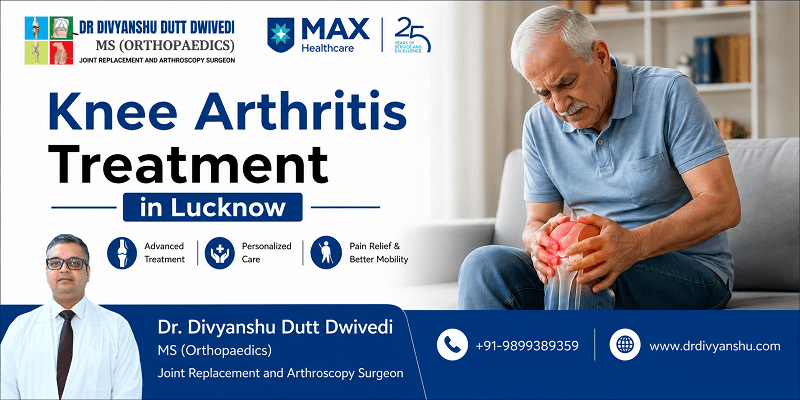
Knee-Arthritis-Treatment-in-Lucknow.png

Knee arthritis is one of the most common causes of chronic knee pain, stiffness, and reduced mobility, especially among older adults and people with previous knee injuries. If left untreated, it can gradually damage the knee joint, making daily activities such as walking, climbing stairs, or sitting for long periods increasingly difficult. Seeking knee arthritis treatment in Lucknow at the right time can help control pain, improve joint function, and delay or even prevent the need for surgery. Early diagnosis and a personalized treatment plan are essential for preserving knee health and maintaining an active lifestyle.

Whether your condition is in its early stage or has progressed to advanced arthritis, consulting a knee arthritis specialist in Lucknow ensures you receive the most suitable treatment based on your symptoms, age, lifestyle, and joint condition. From medications and physiotherapy to advanced injections and robotic knee replacement surgery, modern treatment options offer excellent outcomes. Under the expert care of Dr. Divyanshu Dutt Dwivedi, patients receive evidence-based, patient-centered care designed to reduce pain, restore mobility, and improve their overall quality of life.

Meet Dr. Divyanshu Dutt Dwivedi—Trusted Knee Arthritis Treatment Doctor in Lucknow
Dr. Divyanshu Dutt Dwivedi - Knee Arthritis Treatment
Dr. Divyanshu Dutt Dwivedi

Dr. Divyanshu Dutt Dwivedi is a highly experienced orthopedic and joint replacement surgeon dedicated to delivering advanced knee arthritis treatment in Lucknow. With expertise in diagnosing and managing all stages of knee arthritis, he focuses on providing personalized treatment that helps patients regain mobility and live pain-free. His treatment philosophy combines accurate diagnosis, evidence-based medicine, advanced surgical techniques, and compassionate patient care. Whether patients require non-surgical management or robotic-assisted knee replacement, every treatment plan is tailored to achieve the best possible functional outcome while ensuring safety, comfort, and faster recovery.

Clinic Expertise

  • Advanced Knee Arthritis Treatment
  • Non-Surgical Knee Arthritis Management
  • PRP Therapy for Knee Arthritis
  • Hyaluronic Acid Injection Therapy
  • Robotic Knee Replacement Surgery
  • Total Knee Replacement
  • Partial Knee Replacement
  • Revision Knee Replacement Surgery
  • Sports Injury & Arthroscopy
  • Personalized Rehabilitation and Physiotherapy Guidance

What is Knee Arthritis?

Knee arthritis is a degenerative joint condition in which the protective cartilage covering the ends of the bones gradually wears away. As the cartilage becomes thinner, the bones begin to rub against each other, leading to pain, swelling, stiffness, reduced flexibility, and difficulty in movement. The condition can affect one or both knees and often progresses over time if not managed properly. Seeking timely knee arthritis treatment in Lucknow helps slow disease progression and protects the joint from further damage. A qualified knee arthritis doctor in Lucknow performs a detailed clinical evaluation and recommends personalized treatment based on the severity of cartilage loss, joint inflammation, and the patient’s daily activity level.

Types of Knee Arthritis

Different forms of arthritis can affect the knee joint, and identifying the correct type is essential for selecting the most effective treatment. A skilled knee arthritis specialist in Lucknow evaluates symptoms, medical history, and diagnostic imaging to determine the underlying cause before creating a personalized treatment plan.

Type Description
Osteoarthritis The most common form is caused by gradual cartilage degeneration due to ageing or joint wear.
Rheumatoid Arthritis An autoimmune disease where the immune system attacks the joint lining, causing inflammation and damage.
Post-Traumatic Arthritis Develops after fractures, ligament injuries, or meniscus tears affecting the knee joint.
Inflammatory Arthritis Includes conditions such as psoriatic arthritis and other inflammatory disorders affecting the knee.

Proper diagnosis helps ensure the most appropriate knee joint arthritis treatment and improves long-term outcomes.

Causes of Knee Arthritis

Several factors contribute to the development of knee arthritis, and understanding these causes helps in early prevention and treatment. While aging is a common reason, many younger individuals also develop arthritis due to injuries or lifestyle-related factors. Choosing the right orthopedic doctor for knee arthritis allows early identification of risk factors and appropriate management before irreversible joint damage occurs.

Common causes include:

  • Age-related cartilage degeneration
  • Previous knee injuries or fractures
  • ACL or meniscus injuries
  • Obesity and excessive body weight
  • Family history of arthritis
  • Rheumatoid arthritis and autoimmune disorders
  • Repetitive stress from sports or physically demanding jobs
  • Poor joint alignment or congenital deformities

Early evaluation significantly improves the success of non-surgical knee arthritis treatment and reduces the likelihood of advanced joint degeneration.

Symptoms of Knee Arthritis

The symptoms of knee arthritis usually develop gradually and worsen over time. Initially, patients may notice mild discomfort after physical activity, but as cartilage continues to deteriorate, pain and stiffness become more persistent. Consulting a best knee arthritis doctor in Lucknow at the first sign of symptoms allows timely intervention and better long-term joint preservation.

Common symptoms include:

  • Persistent knee pain
  • Morning stiffness lasting several minutes
  • Swelling around the knee joint
  • Difficulty climbing stairs
  • Clicking or grinding sensation during movement
  • Reduced range of motion
  • Knee instability or weakness
  • Difficulty walking long distances
  • Pain after prolonged sitting
  • Bow-legged appearance in advanced arthritis

Prompt diagnosis and knee arthritis treatment in Lucknow can effectively relieve symptoms and improve mobility before permanent joint damage develops.

When Should You Visit a Knee Arthritis Specialist?

Many people ignore persistent knee pain, assuming it is a normal part of aging. However, delaying medical care can allow arthritis to progress, making treatment more complex. You should consult a knee arthritis specialist in Lucknow if your knee pain lasts for several weeks, interferes with daily activities, or does not improve with rest and medication. Additional warning signs include repeated swelling, stiffness after waking up, difficulty bending or straightening the knee, instability while walking, or pain that disturbs your sleep. Early assessment by an experienced knee arthritis doctor in Lucknow enables accurate diagnosis, timely intervention, and personalized treatment that can preserve the joint, relieve pain, and significantly improve your quality of life before surgery becomes necessary.

Diagnosis of Knee Arthritis

Accurate diagnosis is the first step towards successful knee arthritis treatment in Lucknow. A detailed evaluation helps determine the severity of joint damage and guides the most effective treatment plan. An experienced knee arthritis specialist in Lucknow begins with a thorough discussion of your symptoms, medical history, previous injuries, and daily activity levels. This is followed by a physical examination to assess pain, swelling, joint alignment, range of motion, and walking pattern. Imaging tests such as X-rays help identify cartilage loss, bone spurs, and joint space narrowing, while an MRI may be recommended to evaluate cartilage, ligaments, meniscus, and surrounding soft tissues. In selected cases, blood tests are performed to rule out rheumatoid arthritis or other inflammatory joint disorders.

Stages of Knee Arthritis

The progression of knee arthritis is generally classified into four stages based on cartilage damage and symptom severity. Understanding the stage of arthritis helps determine whether non-surgical knee arthritis treatment, advanced injections, or surgical intervention is the most suitable option. Early-stage arthritis can often be managed conservatively, while advanced degeneration may require joint replacement surgery. An experienced orthopedic doctor for knee arthritis uses clinical findings and imaging studies to grade the condition accurately and recommend personalized treatment. Early diagnosis not only reduces pain and stiffness but also helps preserve joint function, delay cartilage deterioration, and improve long-term mobility through timely medical intervention.

Stage Joint Condition Recommended Treatment
Stage 1 (Mild) Minimal cartilage wear with occasional pain Lifestyle modification, exercise, weight management
Stage 2 (Early) Mild cartilage damage with noticeable discomfort Medicines, physiotherapy, knee brace, activity modification
Stage 3 (Moderate) Significant cartilage loss with frequent pain and stiffness PRP therapy, Hyaluronic Acid injections, structured rehabilitation
Stage 4 (Severe) Bone-on-bone arthritis with severe pain and limited movement Partial or Total Knee Replacement, including robotic-assisted surgery when appropriate

Non-Surgical Knee Arthritis Treatment

Many patients achieve excellent pain relief without surgery when arthritis is diagnosed early. Non-surgical knee arthritis treatment in Lucknow focuses on reducing inflammation, preserving cartilage, improving joint function, and delaying disease progression. The treatment plan is customized according to the patient’s age, activity level, severity of arthritis, and overall health. Depending on the condition, treatment may include medications, supervised physiotherapy, weight management, knee braces, regenerative therapies, and joint injections. Regular follow-up ensures that treatment remains effective as symptoms change over time. Choosing an experienced knee arthritis doctor in Lucknow helps patients receive comprehensive care that minimizes pain, improves mobility, and supports an active, independent lifestyle while postponing or avoiding surgery whenever possible.

Physiotherapy and Exercise for Knee Arthritis

Physiotherapy is an essential part of knee joint arthritis treatment because strong muscles provide better support to the knee and reduce pressure on damaged cartilage. A personalized rehabilitation program focuses on improving flexibility, strengthening the quadriceps and hamstring muscles, enhancing balance, and restoring normal walking patterns. Low-impact exercises such as cycling, swimming, and guided stretching help reduce stiffness without placing excessive stress on the joint. Patients are also educated about posture correction and activity modification to prevent further damage. Under professional supervision, physiotherapy significantly improves knee function, reduces pain, and enhances overall mobility, making it one of the most effective conservative treatments for individuals with mild to moderate knee arthritis.

PRP Therapy for Knee Arthritis

Platelet-Rich Plasma (PRP) therapy is an advanced regenerative treatment used for selected patients with early to moderate knee arthritis. The procedure involves drawing a small amount of the patient’s blood, processing it to concentrate the platelets, and injecting the platelet-rich plasma directly into the affected knee joint. These platelets contain natural growth factors that may help reduce inflammation, promote tissue healing, and improve joint function. PRP is particularly beneficial for patients who continue to experience pain despite medication and physiotherapy but are not yet candidates for surgery. When performed by an experienced knee arthritis specialist in Lucknow, PRP therapy can provide long-lasting symptom relief and improve daily function in carefully selected cases.

Hyaluronic Acid Injection Therapy

Hyaluronic acid injection, also known as viscosupplementation, is another effective option for patients with mild to moderate knee arthritis. Hyaluronic acid is a naturally occurring substance found within healthy joint fluid that acts as a lubricant and shock absorber. In arthritic knees, its concentration decreases, leading to increased friction and pain. Injecting hyaluronic acid into the knee can improve lubrication, reduce stiffness, and enhance joint movement. The procedure is performed on an outpatient basis and usually requires minimal recovery time. Combined with physiotherapy and lifestyle modifications, this treatment may delay surgery and improve quality of life for patients seeking non-surgical knee arthritis treatment.

Lifestyle Changes for Long-Term Knee Health

Healthy lifestyle habits play a vital role in slowing the progression of knee arthritis and improving treatment outcomes. Maintaining an ideal body weight reduces pressure on the knee joints, while regular low-impact physical activity keeps the muscles strong and joints flexible. Patients should avoid prolonged squatting, excessive stair climbing, and high-impact activities that increase joint stress. A balanced diet rich in calcium, vitamin D, lean protein, fruits, and vegetables supports bone and joint health. Wearing supportive footwear and following ergonomic practices during daily activities further protects the knees. When combined with professional knee arthritis treatment in Lucknow, these simple lifestyle modifications significantly reduce pain, improve mobility, and enhance long-term joint function.

When is Knee Replacement Surgery required?

Although many patients respond well to conservative treatment, surgery may become necessary when knee arthritis reaches an advanced stage. Knee replacement surgery is generally recommended for individuals with severe cartilage loss, persistent pain, marked deformity, or significant limitations in daily activities despite comprehensive non-surgical management. Candidates often experience difficulty walking, climbing stairs, standing for extended periods, or sleeping due to constant knee pain. During the consultation, a knee arthritis specialist in Lucknow carefully evaluates clinical findings, imaging studies, and overall health before recommending surgery. Modern knee replacement techniques are designed to relieve pain, restore joint function, correct deformity, and help patients return to an active and comfortable lifestyle.

Robotic Knee Replacement for Advanced Knee Arthritis

For patients with severe bone-on-bone arthritis, robotic knee replacement surgery offers greater precision and improved implant positioning compared to conventional techniques. Robotic-assisted technology allows the surgeon to create a personalized surgical plan based on the patient’s unique knee anatomy, helping preserve healthy bone and soft tissues wherever possible. This advanced approach can improve implant alignment, joint balance, and overall surgical accuracy. Many patients experience reduced post-operative pain, faster functional recovery, improved mobility, and better long-term implant performance. Under the guidance of an experienced knee arthritis doctor in Lucknow, robotic knee replacement provides a safe, effective, and reliable solution for advanced arthritis when conservative treatments no longer provide adequate relief.

Benefits of Early Knee Arthritis Treatment in Lucknow

Early knee arthritis treatment in Lucknow helps reduce pain, preserve the knee joint, and prevent further cartilage damage before the condition becomes severe. Timely diagnosis by an experienced knee arthritis specialist in Lucknow allows patients to receive the most effective treatment based on their condition, improving mobility and overall quality of life while reducing the need for complex surgical procedures.

Benefits:

  • Reduces knee pain and inflammation
  • Slows cartilage degeneration
  • Improves joint mobility and flexibility
  • Delays or prevents knee replacement surgery
  • Enhances walking and daily activities
  • Supports faster recovery with personalized treatment
  • Improves long-term knee function and quality of life

Why Choose Dr. Divyanshu Dutt Dwivedi for Knee Arthritis Treatment in Lucknow?

Choosing the right orthopedic specialist plays a crucial role in achieving successful treatment outcomes. Dr. Divyanshu Dutt Dwivedi is committed to providing evidence-based, patient-focused care for individuals suffering from knee arthritis. Every patient receives a detailed clinical evaluation followed by a customized treatment plan based on the severity of arthritis, lifestyle, age, and functional needs. From conservative treatments such as physiotherapy, medications, PRP, and injection therapies to advanced robotic-assisted knee replacement surgery, every treatment is delivered with precision and compassion. Patients benefit from transparent communication, modern treatment techniques, and comprehensive rehabilitation designed to reduce pain, improve mobility, and support long-term joint health.

Knee Arthritis Treatment Cost in Lucknow

The cost of knee arthritis treatment in Lucknow varies depending on the stage of arthritis, diagnostic investigations, and the treatment approach recommended. Patients with early arthritis may only require consultation, medications, physiotherapy, and lifestyle modifications, whereas advanced cases may benefit from regenerative injections or knee replacement surgery. Factors such as imaging investigations, hospital facilities, implant selection, rehabilitation requirements, and overall health can also influence the final treatment cost. During your consultation, Dr. Divyanshu Dutt Dwivedi provides a detailed clinical assessment and explains all suitable treatment options along with an estimated cost, ensuring complete transparency before beginning your treatment journey.

Book Your Consultation for Knee Arthritis Treatment in Lucknow

Persistent knee pain should never be ignored, as early diagnosis can make a significant difference in preserving your joint health and preventing disease progression. Whether you are experiencing mild discomfort, stiffness, swelling, or advanced arthritis, receiving timely care from an experienced knee arthritis doctor in Lucknow can help restore your mobility and improve your quality of life. Dr. Divyanshu Dutt Dwivedi provides comprehensive evaluation and personalized treatment using evidence-based techniques, ranging from conservative therapies to advanced robotic knee replacement surgery. If you are looking for trusted knee arthritis treatment in Lucknow, schedule your consultation today and take the first step towards a more active, pain-free life.

Call Now: +91-9899389359

FAQs About Knee Arthritis Doctor in Lucknow

  1. What is the best treatment for knee arthritis?

The best treatment depends on the severity of arthritis. Early stages are often managed with medications, physiotherapy, weight management, and injections, while advanced arthritis may require knee replacement surgery for long-term pain relief and improved mobility.

  1. Which doctor should I consult for knee arthritis?

You should consult an experienced knee arthritis specialist in Lucknow or an orthopedic surgeon who specializes in joint preservation and knee replacement procedures for an accurate diagnosis and personalized treatment.

  1. Can knee arthritis be treated without surgery?

Yes. Many patients benefit from non-surgical knee arthritis treatment, including physiotherapy, medications, PRP therapy, hyaluronic acid injections, weight management, and activity modification when diagnosed in the early stages.

  1. What are the early symptoms of knee arthritis?

Common symptoms include persistent knee pain, morning stiffness, swelling, difficulty climbing stairs, reduced flexibility, and discomfort after prolonged walking or standing.

  1. How is knee arthritis diagnosed?

Diagnosis involves a physical examination, medical history review, X-rays, MRI (if required), and sometimes blood tests to identify inflammatory arthritis or rule out other joint conditions.

  1. Is walking good for knee arthritis?

Yes. Moderate walking on even surfaces helps maintain joint mobility and muscle strength. However, excessive walking during severe pain should be avoided until evaluated by an orthopedic specialist.

  1. When is knee replacement surgery recommended?

Knee replacement is recommended when severe cartilage damage causes persistent pain, deformity, stiffness, and difficulty performing daily activities despite comprehensive non-surgical treatment.

  1. What is robotic knee replacement?

Robotic knee replacement is an advanced surgical technique that assists the surgeon in accurately positioning the implant, improving alignment, preserving healthy bone, and enhancing long-term outcomes.

  1. How long does recovery take after knee replacement?

Most patients begin walking within a day after surgery. Functional recovery usually takes several weeks, while complete rehabilitation and strength improvement continue over the following few months.

  1. Can obesity increase the risk of knee arthritis?

Yes. Excess body weight places additional stress on the knee joints, accelerates cartilage wear, and increases the likelihood of developing osteoarthritis and chronic knee pain.

  1. Does PRP therapy cure knee arthritis?

PRP therapy does not cure arthritis, but it may reduce pain, decrease inflammation, and improve joint function in carefully selected patients with mild to moderate knee arthritis.

  1. How can I book a consultation for knee arthritis treatment?

You can schedule an appointment with Dr. Divyanshu Dutt Dwivedi for a detailed evaluation and personalized treatment plan by calling +91-9899389359.
Osteoarthritis-Treatment-in-Lucknow.jpg

Living with constant joint pain can make everyday activities like walking, climbing stairs, or even standing for a few minutes difficult. If you are looking for the best osteoarthritis treatment in Lucknow, early diagnosis and the right treatment can help reduce pain, improve mobility, and slow the progression of joint damage. Osteoarthritis is one of the most common joint disorders that affects the cartilage between bones, causing stiffness, swelling, and reduced joint function. With timely orthopedic care, many patients can manage symptoms effectively without immediate surgery.

At Dr. Divyanshu Dutt Dwivedi’s orthopedic clinic, patients receive personalized care using advanced diagnostic techniques and evidence-based treatment plans. Whether you need physiotherapy, medication, joint preservation procedures, or surgical intervention, our goal is to restore mobility and improve your quality of life. For expert consultation regarding osteoarthritis treatment in Lucknow, call +91-9899389359 today.

Meet Dr. Divyanshu Dutt Dwivedi—Trusted Osteoarthritis Treatment Specialist in Lucknow

Dr. Divyanshu Dutt Dwivedi

If you are looking for a trusted osteoarthritis treatment specialist in Lucknow, Dr. Divyanshu Dutt Dwivedi provides comprehensive, patient-focused orthopedic care with an emphasis on preserving joint function and improving long-term mobility. He carefully evaluates every patient using detailed clinical examinations and advanced diagnostic imaging before recommending a personalized treatment plan. Depending on the stage of osteoarthritis, treatment may include medication, physiotherapy, lifestyle modification, joint preservation procedures, or advanced joint replacement surgery. His evidence-based approach focuses on relieving pain, restoring movement, and helping patients return to an active lifestyle with confidence.

Clinical Expertise

What is osteoarthritis?

Osteoarthritis is a progressive joint condition that occurs when the protective articular cartilage covering the ends of bones gradually wears away. As the cartilage becomes thinner, the bones begin to rub against each other, leading to pain, stiffness, swelling, and difficulty in movement. This condition commonly affects the knee, hip, shoulder, hands, and spine, especially in adults over the age of 45. Factors such as aging, obesity, previous injuries, repetitive stress, and genetics can increase the risk of developing osteoarthritis. Seeking timely osteoarthritis treatment in Lucknow helps preserve joint function, reduce pain, and delay disease progression through personalized care, physiotherapy, medication, and advanced orthopedic treatment whenever required.

Why Does Osteoarthritis Occur?

Osteoarthritis develops due to the gradual breakdown of cartilage, but several risk factors can accelerate this process. Increasing age naturally reduces cartilage strength, while excess body weight places additional pressure on weight-bearing joints like the knees and hips. Previous ligament injuries, fractures, sports-related trauma, and repetitive occupational movements may also contribute to early joint degeneration. Certain individuals have a genetic tendency to develop arthritis, while poor posture, muscle weakness, and limited physical activity further increase joint stress. Medical conditions such as diabetes and vitamin D deficiency may also influence joint health. Choosing the right osteoarthritis specialist in Lucknow ensures early identification of these risk factors and allows treatment plans that protect joints before severe damage develops.

Common Risk Factors

  • Increasing age
  • Obesity and excess body weight
  • Previous knee or hip injuries
  • Sports injuries
  • Repetitive physical work
  • Poor posture
  • Weak muscles around joints
  • Family history of osteoarthritis
  • Vitamin D deficiency
  • Sedentary lifestyle

Types of Osteoarthritis

Osteoarthritis can affect different joints throughout the body. Each type has unique symptoms and treatment needs, making early diagnosis and personalized care essential for better pain relief, improved mobility, and long-term joint health.

  1. Knee Osteoarthritis

The most common type of osteoarthritis affects the knee joint. It causes pain, stiffness, swelling, and difficulty walking, climbing stairs, or standing for long periods.

  1. Hip Osteoarthritis

This type affects the hip joint, leading to groin pain, reduced hip movement, stiffness, and discomfort while walking, bending, or sitting for extended periods.

  1. Shoulder Osteoarthritis

Shoulder osteoarthritis causes pain, stiffness, and limited arm movement. Patients often experience discomfort during overhead activities, lifting objects, or performing routine daily tasks.

  1. Hand Osteoarthritis

Hand osteoarthritis commonly affects the fingers and thumb joints, causing pain, swelling, reduced grip strength, stiffness, and difficulty performing fine motor activities.

  1. Spine Osteoarthritis

Also known as spinal arthritis, it affects the neck or lower back, causing stiffness, chronic pain, reduced flexibility, and sometimes nerve compression-related symptoms.

  1. Ankle Osteoarthritis

Usually develops after previous injuries or fractures. It causes ankle pain, swelling, stiffness, instability, and difficulty walking or participating in physical activities.

Why Choose Dr. Divyanshu Dutt Dwivedi for Osteoarthritis Treatment in Lucknow?

Choosing the right orthopedic specialist is essential for successful osteoarthritis treatment in Lucknow. Dr. Divyanshu Dutt Dwivedi focuses on identifying the root cause of joint pain before recommending any treatment. Every patient undergoes a detailed clinical evaluation supported by modern diagnostic imaging to determine the severity of cartilage damage and overall joint health. Treatment plans are personalized and may include medication, physiotherapy, lifestyle modification, joint preservation techniques, minimally invasive procedures, or advanced joint replacement surgery when necessary.

The primary goal is to relieve pain, restore movement, preserve the natural joint whenever possible, and help patients safely return to their daily activities with improved confidence and long-term joint function.

Book Your Consultation Today

Dr. Divyanshu Dutt Dwivedi
Call: +91-9899389359

Symptoms of Osteoarthritis

The symptoms of osteoarthritis usually develop gradually and become more noticeable as the condition progresses. Initially, patients may experience mild discomfort after physical activity, but over time, the pain can persist even during routine tasks. The severity of symptoms depends on the amount of cartilage degeneration, the affected joint, and the patient’s lifestyle.

Seeking timely osteoarthritis treatment in Lucknow can help control symptoms, improve mobility, and prevent further joint damage. An experienced osteoarthritis specialist in Lucknow evaluates both clinical symptoms and imaging findings to create a personalized treatment plan that restores comfort and helps patients maintain an active, independent lifestyle.

Common Symptoms

  • Persistent joint pain during or after movement
  • Morning stiffness lasting for a short duration
  • Swelling around the affected joint
  • Reduced range of motion
  • Grinding or clicking sensation (Crepitus)
  • Difficulty climbing stairs
  • Pain after prolonged sitting or standing
  • Weakness around the joint
  • Bone spurs causing discomfort
  • Joint tenderness when touched
  • Difficulty walking long distances
  • Reduced flexibility during daily activities

Early Warning Signs You Should Never Ignore

Many people ignore the early signs of osteoarthritis, assuming that occasional joint pain is a normal part of aging. However, delaying medical evaluation may allow the condition to progress, leading to permanent cartilage damage and reduced joint function. If you notice recurring pain after walking, stiffness when getting out of bed, swelling around the knee or hip, or difficulty bending the joint, it is advisable to consult an osteoarthritis doctor in Lucknow.

Early diagnosis allows conservative treatments such as physiotherapy, medication, and lifestyle modifications to reduce pain, improve movement, and potentially delay the need for surgical intervention.

Consult an Orthopedic Specialist If You Experience the Following:

  • Joint pain lasting for several weeks
  • Difficulty standing after prolonged sitting
  • Swelling that repeatedly returns
  • Knee pain while climbing stairs
  • Reduced walking distance
  • Joint stiffness every morning
  • Frequent cracking or grinding sounds
  • Difficulty performing daily household activities

Which Joints Are Commonly Affected by Osteoarthritis?

Although osteoarthritis can affect almost any joint, it most commonly develops in weight-bearing joints that experience repeated stress throughout life. The knee and hip are the most frequently affected because they support body weight during walking, standing, and climbing stairs. The shoulder, hands, spine, and ankle may also develop degenerative changes due to aging, previous injuries, or repetitive movements.

Identifying the exact joint involved is essential because every joint requires a different treatment strategy. An experienced osteoarthritis specialist in Lucknow performs a thorough assessment to recommend the most suitable treatment based on the affected joint and the severity of degeneration.

Joint Common Symptoms
Knee Pain while walking, climbing stairs, stiffness, swelling
Hip Groin pain, limping, reduced hip movement
Shoulder Difficulty lifting the arm, shoulder stiffness
Hands Finger pain, weak grip, enlarged finger joints
Spine Neck or lower back pain with stiffness
Ankle Pain while walking, swelling, instability after previous injuries


Stages of Osteoarthritis

Osteoarthritis develops gradually over several years, progressing from minor cartilage wear to severe joint degeneration. Understanding the stage of the disease helps determine the most appropriate treatment approach. Patients with early-stage arthritis often respond well to physiotherapy, exercise, and medication, while advanced stages may require joint preservation procedures or knee replacement surgery. Accurate staging through clinical examination and imaging allows an osteoarthritis doctor in Lucknow to recommend personalized treatment that aims to reduce pain, preserve natural joint movement, and improve long-term quality of life while delaying surgery whenever possible.

Stage Joint Condition Recommended Treatment
Stage 1 Minor cartilage wear with minimal symptoms Lifestyle changes, strengthening exercises
Stage 2 Mild cartilage damage with occasional pain Physiotherapy, medication, weight management
Stage 3 Moderate cartilage loss causing frequent pain Injections, advanced physiotherapy, joint preservation
Stage 4 Severe bone-on-bone arthritis with significant disability Knee Replacement or Hip Replacement Surgery

Diagnosis of Osteoarthritis

An accurate diagnosis is the first step toward successful osteoarthritis treatment in Lucknow. During the consultation, the orthopedic specialist evaluates the patient’s symptoms, medical history, previous injuries, walking pattern, and overall joint function. A detailed physical examination helps assess swelling, tenderness, joint alignment, and range of motion.

Diagnostic imaging such as digital X-ray is commonly used to identify joint space narrowing, bone spurs, and cartilage loss, while MRI may be recommended to evaluate soft tissues and early cartilage damage. In selected cases, blood tests help rule out inflammatory conditions such as rheumatoid arthritis. A precise diagnosis enables Dr. Divyanshu Dutt Dwivedi to design a personalized treatment plan that focuses on relieving pain, improving mobility, and preserving joint health for the long term.

Diagnostic Methods

  • Detailed medical history
  • Physical examination
  • Gait and posture assessment
  • Digital X-ray
  • MRI Scan (when indicated)
  • Blood investigations to exclude other forms of arthritis
  • Joint alignment assessment
  • Functional mobility evaluation

Why Early Diagnosis Makes a Difference

Early diagnosis of osteoarthritis allows treatment to begin before extensive cartilage degeneration occurs. Prompt medical care can reduce pain, improve joint flexibility, strengthen surrounding muscles, and slow disease progression through non-surgical methods. Patients who seek early osteoarthritis treatment in Lucknow are often able to maintain an active lifestyle, avoid unnecessary complications, and delay or even prevent the need for joint replacement surgery. Regular follow-up with an experienced orthopedic specialist ensures that treatment is adjusted according to disease progression, helping patients achieve better long-term outcomes and improved quality of life.

Best Osteoarthritis Treatment in Lucknow

Choosing the right osteoarthritis treatment in Lucknow depends on several factors, including the affected joint, the stage of cartilage damage, age, activity level, and overall health. There is no single treatment that works for every patient, which is why a personalized approach is essential. At Dr. Divyanshu Dutt Dwivedi’s clinic, every patient undergoes a comprehensive evaluation before a treatment plan is prepared.

The primary objective is to relieve pain, improve joint function, preserve the natural joint whenever possible, and help patients return to their daily activities. Treatment may include medication, physiotherapy, weight management, injection therapy, minimally invasive procedures, or advanced joint replacement surgery for severe degenerative joint disease.

Non-Surgical Osteoarthritis Treatment Options

Most patients with mild to moderate osteoarthritis can achieve significant relief without surgery when treatment begins at the right time. Non-surgical management focuses on reducing pain, improving flexibility, strengthening the muscles around the joint, and slowing cartilage deterioration. An experienced osteoarthritis specialist in Lucknow carefully selects the most appropriate combination of treatments based on the patient’s symptoms, lifestyle, and imaging findings. Consistent follow-up and patient participation play an important role in achieving long-term improvement and maintaining healthy joint function.

Common Non-Surgical Treatments

  • Pain-relieving medications to reduce discomfort and inflammation.
  • Physiotherapy to improve strength, balance, and range of motion.
  • Weight management to reduce pressure on the knee and hip joints.
  • Activity modification to avoid excessive stress on damaged joints.
  • Knee braces and walking aids for additional support.
  • Lifestyle counseling to improve long-term joint health.

Physiotherapy – A Key Part of Recovery

Physiotherapy plays a vital role in the treatment of osteoarthritis, especially during the early and moderate stages. A structured rehabilitation program strengthens the muscles supporting the affected joint, improves flexibility, and reduces stiffness. Regular exercises also enhance balance, improve walking ability, and decrease stress on damaged articular cartilage. Patients who consistently follow a physiotherapy program often experience better mobility and reduced dependence on pain medication. Under the guidance of an experienced osteoarthritis doctor in Lucknow, physiotherapy programs are tailored according to the patient’s age, activity level, and severity of arthritis to achieve safe and long-lasting results.

Injection Therapy for Osteoarthritis

For patients who continue to experience pain despite medication and physiotherapy, injection therapy may provide temporary symptom relief. Depending on the patient’s condition, the orthopedic specialist may recommend a hyaluronic acid injection, a corticosteroid injection, or other clinically appropriate options. These injections aim to reduce pain, improve joint lubrication, and support mobility for selected patients. However, injection therapy is not suitable for everyone and should only be recommended after a detailed clinical assessment. An experienced osteoarthritis specialist in Lucknow carefully evaluates the severity of cartilage damage, imaging findings, and overall joint condition before considering injection-based treatment as part of a comprehensive management plan.

Surgical Treatment for Advanced Osteoarthritis

When osteoarthritis progresses to an advanced stage and conservative treatments no longer provide adequate relief, surgery may become the most effective option. Surgical intervention is considered when patients experience persistent pain, severe stiffness, reduced mobility, and difficulty performing routine activities. The goal of surgery is to restore joint function, relieve pain, and improve quality of life. Dr. Divyanshu Dutt Dwivedi recommends surgery only after a thorough evaluation and when non-surgical treatments have been exhausted. Modern orthopedic techniques and minimally invasive procedures help improve recovery while delivering better functional outcomes.

Surgical Treatment Options

  • Arthroscopy (selected cases only)
  • Corrective Osteotomy
  • Partial Knee Replacement
  • Total Knee Replacement
  • Robotic Knee Replacement Surgery
  • Hip Replacement Surgery (for advanced hip osteoarthritis)

Robotic Knee Replacement for Severe Knee Osteoarthritis

Patients with advanced knee osteoarthritis and significant joint space narrowing may benefit from robotic knee replacement surgery. This advanced technology assists the orthopedic surgeon in planning and performing the procedure with greater precision, helping achieve accurate implant positioning while preserving healthy bone and soft tissues. Robotic-assisted surgery is designed to improve joint alignment, stability, and functional recovery in appropriately selected patients. Although not every patient requires robotic surgery, it can be an excellent option for individuals with severe bone-on-bone arthritis. A detailed evaluation by Dr. Divyanshu Dutt Dwivedi helps determine the most appropriate surgical approach based on individual clinical needs.

Which Osteoarthritis Treatment Is Right for You?

Selecting the right treatment depends on the severity of arthritis, lifestyle requirements, age, medical history, and the patient’s expectations. Early-stage disease often responds well to conservative care, while advanced arthritis may require surgical intervention. A personalized treatment strategy ensures better pain relief, improved mobility, and long-term joint preservation whenever possible.

Osteoarthritis Condition Recommended Treatment
Mild Joint Pain Lifestyle modification and physiotherapy
Early Cartilage Damage Medication, strengthening exercises, weight management
Moderate Osteoarthritis Physiotherapy with selective injection therapy
Advanced Osteoarthritis Joint preservation procedures or corrective surgery
Severe Bone-on-Bone Arthritis Partial or Total Knee Replacement Surgery
Advanced Hip Osteoarthritis Hip Replacement Surgery


Why Early Osteoarthritis Treatment in Lucknow Matters

Delaying treatment may allow osteoarthritis to progress, resulting in increased pain, reduced mobility, muscle weakness, and permanent cartilage degeneration. Early intervention helps preserve natural joint function and enables patients to remain active for longer. Timely medical care also improves the effectiveness of non-surgical treatments, reducing the likelihood of extensive surgery in many cases. Consulting an experienced osteoarthritis doctor in Lucknow at the first sign of persistent joint pain allows a comprehensive treatment plan to be implemented before irreversible damage occurs. With appropriate care, patients can experience improved mobility, better quality of life, and greater independence in performing everyday activities.

Benefits of Early Treatment

  • Better pain management
  • Improved joint flexibility
  • Delayed progression of arthritis
  • Stronger muscles around the joint
  • Reduced dependence on pain medication
  • Lower risk of permanent joint damage
  • Improved walking ability
  • Better quality of life
  • Delayed or avoided joint replacement surgery in suitable patients

Book an appointment with Dr. Divyanshu Dutt Dwivedi.

If you are experiencing persistent knee pain, hip stiffness, or difficulty performing daily activities, do not ignore the symptoms. Early consultation can make a significant difference in preserving your joint health. Dr. Divyanshu Dutt Dwivedi provides comprehensive evaluation and personalized osteoarthritis treatment in Lucknow, combining evidence-based care with advanced orthopedic expertise. From conservative management to modern joint replacement procedures, every treatment plan is tailored to help you regain mobility, reduce pain, and return to an active lifestyle.

Call Now: +91-9899389359

FAQs About Osteoarthritis Treatment in Lucknow

  1. What is the best treatment for osteoarthritis?

The best osteoarthritis treatment in Lucknow depends on the severity of joint damage. Mild cases often improve with physiotherapy, medication, and weight management, while advanced arthritis may require joint replacement surgery for long-term pain relief and improved mobility.

  1. Which doctor should I consult for osteoarthritis treatment in Lucknow?

You should consult an experienced osteoarthritis specialist in Lucknow or an orthopedic surgeon who can diagnose the condition accurately and recommend personalized treatment, including non-surgical care, joint preservation techniques, or surgery if necessary.

  1. Can osteoarthritis be cured permanently?

Osteoarthritis cannot be completely cured because cartilage does not naturally regenerate. However, early diagnosis, appropriate treatment, physiotherapy, lifestyle changes, and advanced orthopedic procedures can effectively control symptoms and improve joint function.

  1. What are the early symptoms of osteoarthritis?

Common early symptoms include persistent joint pain, morning stiffness, swelling, reduced flexibility, clicking sounds, and discomfort during walking or climbing stairs. Early consultation helps prevent further cartilage damage and improves treatment outcomes.

  1. Is surgery always required for osteoarthritis?

No. Most patients with mild or moderate osteoarthritis respond well to medication, physiotherapy, exercise, and lifestyle modifications. Surgery is usually recommended only when severe joint damage causes persistent pain and limits daily activities.

  1. When is knee replacement surgery recommended for osteoarthritis?

Knee replacement surgery is generally advised when severe cartilage loss causes continuous pain, stiffness, deformity, and reduced mobility despite conservative treatments. Your orthopedic surgeon will evaluate your condition before recommending surgery.

  1. Can physiotherapy help in osteoarthritis treatment?

Yes. Physiotherapy strengthens muscles surrounding the affected joint, improves flexibility, reduces stiffness, enhances balance, and decreases pain. Regular supervised exercises can significantly improve mobility and delay disease progression in many patients.

  1. What is the cost of osteoarthritis treatment in Lucknow?

The cost varies depending on the severity of arthritis, diagnostic investigations, physiotherapy sessions, medications, injection therapy, or surgery. A detailed consultation helps determine the most appropriate and cost-effective treatment plan.

  1. Which joints are commonly affected by osteoarthritis?

Osteoarthritis most commonly affects the knees, hips, shoulders, hands, spine, and ankles. Weight-bearing joints such as the knees and hips are particularly vulnerable because they experience continuous mechanical stress.

  1. Is walking good for people with osteoarthritis?

Yes. Walking is generally beneficial for patients with osteoarthritis because it helps maintain joint mobility, strengthens surrounding muscles, and improves circulation. However, excessive walking should be avoided if it significantly increases pain.

  1. Can obesity increase the risk of osteoarthritis?

Yes. Excess body weight places additional pressure on weight-bearing joints, particularly the knees and hips. Maintaining a healthy weight helps reduce joint stress, relieve pain, and slow the progression of osteoarthritis.

  1. Are injections effective for osteoarthritis?

Certain injections, such as corticosteroid or hyaluronic acid injections, may provide temporary pain relief for selected patients. An orthopedic specialist will determine whether injection therapy is appropriate based on your clinical condition and imaging findings.

  1. How is osteoarthritis diagnosed?

Diagnosis involves reviewing your medical history, performing a physical examination, assessing joint movement, and using imaging tests such as digital X-rays or MRI scans. Blood tests may also be advised to rule out other types of arthritis.

  1. Can osteoarthritis be prevented?

Although aging cannot be prevented, maintaining a healthy weight, exercising regularly, strengthening muscles, avoiding joint injuries, eating a balanced diet, and seeking early orthopedic care can reduce the risk and slow disease progression.

  1. Why choose Dr. Divyanshu Dutt Dwivedi for osteoarthritis treatment in Lucknow?

Dr. Divyanshu Dutt Dwivedi offers personalized osteoarthritis treatment in Lucknow using evidence-based care, advanced diagnostics, physiotherapy guidance, joint preservation techniques, and modern joint replacement surgery to help patients regain mobility and improve their quality of life.


Shoulder-Dislocation-Treatment-Specialist-in-Lucknow.jpg

A shoulder dislocation is a painful injury that occurs when the upper arm bone slips out of the shoulder socket, affecting movement, stability, and daily activities. Seeking timely shoulder dislocation treatment in Lucknow is essential to prevent repeated dislocations, ligament damage, cartilage injuries, and long-term shoulder instability. Dr. Divyanshu Dutt Dwivedi, an experienced orthopedic and arthroscopy specialist, provides comprehensive diagnosis and personalized treatment using advanced techniques for patients of all ages. 

Whether your injury is caused by a sports accident, fall, road traffic accident, or workplace trauma, early evaluation helps restore normal shoulder function and reduces complications. If you are looking for the best shoulder surgeon in Lucknow or an experienced shoulder dislocation specialist in Lucknow, expert care can significantly improve your recovery and quality of life.

Meet Dr. Divyanshu Dutt Dwivedi—Trusted Shoulder Dislocation Doctor in Lucknow

Shoulder Dislocation Treatment in Lucknow
Dr. Divyanshu Dutt Dwivedi

Choosing the right orthopedic specialist plays a crucial role in achieving the best outcome after a shoulder injury. Dr. Divyanshu Dutt Dwivedi is a highly experienced orthopedic surgeon specializing in arthroscopy, sports injuries, joint preservation, and joint replacement surgery. He is widely recognized for providing evidence-based, patient-centric care using advanced diagnostic techniques and minimally invasive procedures. 

Every patient receives a personalized treatment plan based on their age, activity level, severity of injury, and recovery goals. Whether you require conservative management for a first-time dislocation or advanced arthroscopic shoulder stabilization for recurrent instability, Dr. Divyanshu Dutt Dwivedi focuses on restoring shoulder strength, stability, and function while helping patients return safely to their daily routine, work, and sports activities.

Clinical Expertise

  • Advanced Shoulder Dislocation Treatment
  • Shoulder Arthroscopy and Minimally Invasive Surgery
  • Bankart Repair for Recurrent Shoulder Instability
  • Management of Hill-Sachs Lesions
  • Sports Injury and Athletic Shoulder Care
  • Rotator Cuff Tear Treatment
  • Shoulder Ligament and Labral Injury Management
  • Fracture and Trauma Care
  • Revision of Shoulder Stabilization Procedures
  • Personalized Rehabilitation and Recovery Planning

Patients seeking the best shoulder surgeon in Lucknow benefit from his commitment to clinical excellence, modern surgical techniques, transparent communication, and comprehensive post-treatment rehabilitation, ensuring the highest standards of orthopedic care.

What is a Shoulder Dislocation?

A shoulder dislocation occurs when the head of the humerus (upper arm bone) completely moves out of the glenoid socket, making it one of the most common orthopedic emergencies. The shoulder is the body’s most mobile joint, which also makes it more vulnerable to instability and injuries. Most dislocations occur after a sudden fall, sports injury, road accident, or direct impact on the shoulder. Depending on the severity, the injury may also damage the labrum, rotator cuff, ligaments, cartilage, or surrounding muscles.

Receiving immediate shoulder dislocation treatment in Lucknow helps reduce pain, restore joint alignment, and minimize the risk of recurrent shoulder instability. Early diagnosis also allows the orthopedic surgeon to determine whether conservative care or shoulder dislocation surgery is the most appropriate treatment.

Understanding the Anatomy of the Shoulder

The shoulder is a complex ball-and-socket joint that allows a wide range of motion for lifting, rotating, and reaching. It consists of the humerus, glenoid, scapula, clavicle, labrum, rotator cuff muscles, tendons, ligaments, and the joint capsule, all working together to maintain stability and flexibility. Because the socket is relatively shallow, the shoulder can move freely but is also more likely to dislocate than other joints. Injuries to structures such as the Bankart lesion, Hill-Sachs lesion, or torn ligaments can make the shoulder unstable and increase the chances of repeated dislocations. An experienced shoulder dislocation doctor in Lucknow carefully evaluates these structures using clinical examination and advanced imaging before planning the most suitable treatment.

Types of Shoulder Dislocation

Understanding the type of dislocation helps determine the most effective shoulder dislocation treatment in Lucknow. Based on the direction in which the humeral head moves out of the socket, shoulder dislocations are classified into different types. Anterior shoulder dislocation is the most common, accounting for nearly 95% of cases, and usually occurs after a fall on an outstretched hand or during contact sports.

Posterior shoulder dislocation is less common and may result from seizures, electric shock, or severe trauma. Inferior shoulder dislocation is a rare but serious injury often associated with fractures and nerve damage. An experienced shoulder dislocation specialist in Lucknow uses X-rays, MRI, and physical examination to identify the exact type and recommend the most appropriate treatment plan.

Type Common Cause Frequency
Anterior Dislocation Sports injury, fall, accident Most Common
Posterior Dislocation Seizures, electric shock, trauma Less Common
Inferior Dislocation High-impact trauma Rare

Causes of Shoulder Dislocation

A shoulder dislocation usually occurs when excessive force pushes the shoulder joint beyond its normal range of movement. High-impact injuries such as road traffic accidents, falls from height, and sports collisions are among the leading causes. Contact sports, including cricket, wrestling, football, kabaddi, volleyball, and gym-related injuries, significantly increase the risk of shoulder instability. Older adults may experience dislocations after simple falls due to weaker muscles and reduced bone strength, while younger athletes often suffer ligament and labral tears following repetitive overhead activities.

Individuals with previous shoulder injuries or naturally loose ligaments are also more prone to recurrent dislocations. Early consultation with a shoulder injury treatment specialist in Lucknow helps identify the underlying cause and prevents repeated shoulder instability through timely medical intervention.

Symptoms You Should Never Ignore

The symptoms of a shoulder dislocation usually appear immediately after the injury and should never be ignored. Patients often experience sudden, intense shoulder pain followed by an inability to move the affected arm. A visibly deformed shoulder, swelling, bruising, muscle spasms, and tenderness are common signs. Some individuals may notice numbness, tingling, or weakness in the arm if nearby nerves are affected. In recurrent cases, the shoulder may feel unstable or slip out of place during routine activities. Ignoring these symptoms can lead to further damage to the rotator cuff, labrum, cartilage, or surrounding ligaments. Seeking prompt shoulder dislocation treatment in Lucknow ensures accurate diagnosis, pain relief, and early restoration of shoulder stability before complications develop.

Common Symptoms Include the Following:

  • Severe shoulder pain after injury
  • Visible deformity of the shoulder
  • Swelling and bruising
  • Difficulty or inability to move the arm
  • Shoulder feeling loose or unstable
  • Numbness or tingling in the arm or fingers
  • Muscle spasms around the shoulder
  • Weakness while lifting or rotating the arm

When Should You Visit an Orthopedic Surgeon?

A shoulder dislocation should always be considered a medical emergency because delaying treatment can increase the risk of permanent joint damage. You should consult an orthopedic surgeon in Lucknow immediately if your shoulder appears out of position, you are unable to lift your arm, or the pain becomes severe after an injury. Even if the shoulder slips back into place on its own, hidden injuries such as Bankart lesions, Hill-Sachs lesions, ligament tears, or cartilage damage may still be present.

Individuals who experience repeated shoulder dislocations, persistent instability, or difficulty returning to sports should seek evaluation from a shoulder arthroscopy surgeon in Lucknow. Early diagnosis and expert management improve recovery, reduce recurrence, and help patients regain full shoulder function with confidence.

Diagnosis of Shoulder Dislocation

Accurate diagnosis is the foundation of successful shoulder dislocation treatment in Lucknow. An orthopedic specialist begins with a detailed medical history to understand how the injury occurred, followed by a comprehensive physical examination to assess pain, swelling, deformity, shoulder stability, and range of motion. Since a dislocation may also cause injuries to the labrum, rotator cuff, ligaments, cartilage, or nearby nerves, imaging tests play an essential role in confirming the diagnosis. X-rays help identify the direction of dislocation and any associated fractures, while an MRI provides detailed images of soft tissue injuries such as a Bankart lesion, Hill-Sachs lesion, or tendon tears. In complex trauma cases, a CT scan may be recommended for better evaluation and surgical planning.

Diagnostic Tests May Include:

Diagnostic Test Purpose
Physical Examination Assess deformity, instability, pain, and movement
X-ray Confirm dislocation and detect fractures
MRI Scan Evaluate labrum, ligaments, rotator cuff, and cartilage
CT Scan Assess complex fractures and bone defects
Neurovascular Assessment Check nerve and blood vessel function

Early diagnosis allows Dr. Divyanshu Dutt Dwivedi to recommend the most suitable treatment while minimizing the risk of recurrent instability and long-term shoulder damage.

Non-Surgical Shoulder Dislocation Treatment

Not every shoulder dislocation requires surgery. Patients experiencing a first-time dislocation without significant ligament, bone, or cartilage injury often recover well with conservative management. The primary objective is to safely reposition the shoulder joint, relieve pain, and restore normal function while preventing future instability. The initial treatment usually involves a closed reduction, a procedure in which the orthopedic surgeon gently guides the humeral head back into its correct position without making an incision. Once the shoulder is reduced, the arm is supported with a sling to allow healing. Pain-relieving medications, ice therapy, and a structured physiotherapy program help restore shoulder strength, flexibility, and stability. Early rehabilitation is essential for achieving the best possible outcome after shoulder injury treatment in Lucknow.

Non-Surgical Treatment Options

  • Closed Reduction (Manual Realignment)
  • Shoulder Immobilization with Sling
  • Pain and Anti-inflammatory Medications
  • Ice Therapy for Swelling
  • Activity Modification
  • Physiotherapy and Rehabilitation
  • Progressive Shoulder Strengthening Exercises
  • Regular Orthopedic Follow-up

Conservative treatment is often effective for older adults and individuals with stable first-time shoulder dislocations. However, athletes and patients with recurrent instability may require advanced surgical intervention.

When is shoulder dislocation surgery required?

Surgery is recommended when the shoulder remains unstable despite conservative treatment or when significant damage to the supporting structures is present. Recurrent shoulder dislocations, Bankart lesions, Hill-Sachs lesions, large ligament tears, glenoid bone loss, or associated fractures are common indications for surgical stabilization. Young athletes, individuals involved in contact sports, and patients with physically demanding occupations are at a higher risk of repeat dislocations and often benefit from early surgical management. Modern shoulder dislocation surgery in Lucknow focuses on restoring the normal anatomy of the joint while preserving movement and preventing future instability. After a detailed clinical assessment and imaging evaluation, Dr. Divyanshu Dutt Dwivedi recommends the most appropriate procedure based on the patient’s age, activity level, severity of injury, and long-term functional goals.

Surgery May Be Recommended If:

  • Shoulder dislocates repeatedly
  • Bankart lesion is present
  • • A Hill-Sachs lesion causes instability.
  • Significant ligament or labral tear
  • Glenoid bone loss
  • Shoulder remains unstable after physiotherapy
  • Fracture associated with dislocation
  • High-performance athletes requiring stable shoulder function

Early surgical treatment significantly reduces recurrence rates and allows patients to return safely to their daily activities and sports.

Shoulder Arthroscopy & Bankart Repair: Advanced Treatment Options

Shoulder arthroscopy has become the preferred minimally invasive procedure for treating recurrent shoulder instability. During this advanced technique, a small camera called an arthroscope is inserted through tiny incisions, allowing the surgeon to examine and repair damaged structures with exceptional precision. One of the most commonly performed procedures is Bankart repair, which restores the torn labrum and reattaches it securely to the glenoid using specialized anchors. In cases involving substantial bone loss or multiple recurrent dislocations, procedures such as the Latarjet procedure or other reconstructive surgeries may be recommended. Compared to traditional open surgery, arthroscopic treatment generally results in smaller incisions, less postoperative pain, faster recovery, reduced risk of infection, and improved cosmetic outcomes, making it an excellent option for eligible patients seeking shoulder dislocation treatment in Lucknow.

Benefits of Arthroscopic Shoulder Surgery

  • Minimally invasive procedure
  • Smaller incisions and minimal scarring
  • Less postoperative pain
  • Faster recovery and rehabilitation
  • Reduced risk of infection
  • Better visualization of joint injuries
  • Earlier return to work and sports
  • Improved long-term shoulder stability
  • Lower recurrence of shoulder dislocation

When performed by an experienced shoulder arthroscopy surgeon in Lucknow like Dr. Divyanshu Dutt Dwivedi, arthroscopic stabilization offers excellent functional outcomes and helps patients regain confidence in their shoulder movement.

Recovery After Shoulder Dislocation Surgery

Recovery after shoulder dislocation surgery is a gradual process that focuses on protecting the repaired tissues while restoring shoulder strength, flexibility, and stability. The recovery timeline varies depending on the severity of the injury, the type of surgical procedure performed, and the patient’s commitment to rehabilitation. Most patients wear a shoulder sling for the first few weeks to support healing and prevent unnecessary movement. As healing progresses, supervised physiotherapy begins with gentle range-of-motion exercises, followed by strengthening and functional training. Many individuals can resume desk work within a few weeks, while physically demanding activities and sports require additional recovery time. Following the rehabilitation plan advised by Dr. Divyanshu Dutt Dwivedi plays a crucial role in achieving a successful outcome and reducing the risk of another dislocation.

Typical Recovery Timeline

Recovery Stage Expected Progress
Week 1–3 Sling support, pain management, swelling reduction
Week 3–6 Gentle shoulder mobility exercises
Week 6–12 Progressive strengthening and improved range of motion
Month 3–4 Return to routine daily activities
Month 4–6 Gradual return to sports and physically demanding work

Recovery may vary from person to person, but adhering to medical advice and physiotherapy significantly improves long-term shoulder stability.

Physiotherapy and Rehabilitation After Shoulder Dislocation

Physiotherapy is one of the most important components of successful shoulder dislocation treatment in Lucknow. Whether the injury is treated conservatively or surgically, a structured rehabilitation program helps restore joint mobility, improve muscle strength, and reduce the chances of recurrent instability. Rehabilitation usually progresses in carefully planned phases, beginning with pain control and gentle mobility exercises before advancing to strengthening and functional training. Special attention is given to the rotator cuff muscles, scapular stabilizers, and shoulder capsule because these structures play a vital role in maintaining joint stability. Patients involved in sports may also undergo sport-specific rehabilitation before returning to competition. Regular physiotherapy sessions, combined with home exercises, contribute significantly to long-term recovery and improved shoulder function.

Goals of Rehabilitation

  • Reduce pain and inflammation
  • Restore normal shoulder movement
  • Strengthen the rotator cuff muscles
  • Improve shoulder stability
  • Increase flexibility and endurance
  • Enhance coordination and balance
  • Prevent recurrent shoulder dislocation
  • Enable a safe return to sports and work

A customized rehabilitation plan ensures that each patient regains shoulder function safely while minimizing the risk of future injuries.

Risks of Delaying Shoulder Dislocation Treatment

Ignoring a shoulder dislocation or delaying medical treatment can lead to serious complications that may affect shoulder function for years. Although the pain may decrease after the initial injury, underlying damage to the labrum, ligaments, cartilage, or rotator cuff can continue to worsen. Repeated dislocations often stretch the supporting tissues, making the shoulder increasingly unstable and more difficult to treat without surgery. Delayed treatment also increases the likelihood of developing Bankart lesions, Hill-Sachs lesions, chronic pain, muscle weakness, and early shoulder arthritis. Seeking timely shoulder dislocation treatment in Lucknow allows the orthopedic specialist to restore joint stability before irreversible damage occurs. Early intervention not only improves treatment outcomes but also shortens recovery time and helps patients return to their normal lifestyle with confidence.

Complications of Untreated Shoulder Dislocation

When a shoulder dislocation is left untreated, the injury may progress beyond the joint itself and affect surrounding bones, muscles, nerves, and soft tissues. Persistent instability can cause the shoulder to dislocate during simple daily activities such as lifting an object or reaching overhead. Repeated episodes may result in permanent damage to the glenoid, labrum, rotator cuff, and cartilage, making future treatment more complex. In some patients, nerve compression or blood vessel injury may lead to weakness, numbness, or reduced arm function. Over time, chronic instability can also contribute to degenerative changes and early osteoarthritis of the shoulder joint. Receiving prompt evaluation from a shoulder dislocation specialist in Lucknow significantly reduces these risks and improves long-term joint health.

Possible complications include the following:

  • Recurrent shoulder dislocation
  • Chronic shoulder instability
  • Bankart lesion
  • Hill-Sachs lesion
  • Rotator cuff tear
  • Cartilage damage
  • Shoulder stiffness
  • Nerve injury
  • Blood vessel injury
  • Reduced shoulder strength
  • Limited range of motion
  • Early shoulder osteoarthritis

Prevention Tips to Reduce the Risk of Shoulder Dislocation

While not every shoulder injury can be prevented, adopting healthy habits and strengthening the shoulder muscles can significantly reduce the risk of dislocation. Individuals involved in sports, gym workouts, or physically demanding occupations should focus on proper conditioning and safe movement techniques. Regular strengthening exercises for the rotator cuff and scapular muscles improve shoulder stability and help protect the joint during daily activities. Warming up before exercise, using appropriate protective equipment during contact sports, and avoiding sudden overhead movements can further minimize injury risk. Patients who have experienced a previous shoulder dislocation should complete their rehabilitation program before returning to sports or heavy work. Regular follow-up with Dr. Divyanshu Dutt Dwivedi also helps monitor shoulder stability and prevent recurrent injuries.

Tips for a Healthy and Stable Shoulder

  • Perform regular shoulder-strengthening exercises.
  • Warm up before sports and workouts.
  • Use proper lifting techniques.
  • Wear protective gear during contact sports.
  • Avoid sudden overhead movements without preparation.
  • Complete the full physiotherapy program after an injury.
  • Do not ignore shoulder pain or instability.
  • Seek early orthopedic evaluation after any shoulder trauma.

Following these preventive measures can help maintain shoulder stability, improve performance in daily activities, and reduce the likelihood of future dislocations.

Why Choose Dr. Divyanshu Dutt Dwivedi for Shoulder Dislocation Treatment in Lucknow?

Choosing the right orthopedic specialist is essential for a successful recovery from a shoulder injury. Dr. Divyanshu Dutt Dwivedi is a trusted shoulder dislocation doctor in Lucknow, known for providing personalized, evidence-based care for both first-time and recurrent shoulder dislocations. With expertise in shoulder arthroscopy, Bankart repair, sports injury management, and minimally invasive orthopedic procedures, he focuses on restoring shoulder stability, relieving pain, and helping patients return to their normal activities safely. Every treatment plan is tailored after a thorough clinical examination and advanced imaging to ensure the best possible outcome. His patient-centric approach, modern surgical techniques, comprehensive rehabilitation guidance, and commitment to long-term shoulder health have made him a preferred choice for patients seeking reliable shoulder dislocation treatment in Lucknow. From diagnosis to recovery, he ensures high-quality orthopedic care with a strong focus on patient satisfaction and functional recovery.

Why Patients Trust Dr. Divyanshu Dutt Dwivedi

  • Expertise in shoulder arthroscopy and sports injuries
  • Personalized treatment plans for every patient
  • Advanced minimally invasive surgical techniques
  • Comprehensive diagnosis and rehabilitation support
  • Evidence-based orthopedic care
  • Focus on faster recovery and long-term shoulder stability
  • Patient-centric approach with transparent communication
  • Experienced in managing complex and recurrent shoulder dislocations

Your Trusted Shoulder Dislocation Specialist in Lucknow

If you are searching for the best shoulder dislocation doctor in Lucknow, shoulder arthroscopy surgeon in Lucknow, or an experienced shoulder injury specialist in Lucknow, Dr. Divyanshu Dutt Dwivedi offers advanced orthopedic care focused on restoring shoulder function and improving quality of life. From accurate diagnosis to minimally invasive treatment and personalized rehabilitation, every step of your care is designed to help you recover safely and return to your normal activities with confidence. For appointments or expert consultation, call +91-9899389359.

FAQs About Shoulder Dislocation Specialist in Lucknow

  1. What is the best treatment for shoulder dislocation in Lucknow?

The best treatment depends on injury severity. First-time dislocations may need reduction, sling, and physiotherapy, while recurrent instability may require arthroscopic stabilization by a shoulder specialist in Lucknow.

  1. Do all shoulder dislocations require surgery?

No. Many first-time shoulder dislocations heal without surgery, but recurrent dislocations, ligament tears, Bankart lesions, or bone loss may require surgical stabilization.

  1. How long does shoulder dislocation recovery take?

Recovery usually takes 6–12 weeks after conservative treatment. After shoulder arthroscopy or Bankart repair, complete recovery may take 4–6 months.

  1. Can a shoulder dislocation heal without surgery?

Yes. A first-time dislocation without major ligament or bone injury can often heal with proper reduction, immobilization, physiotherapy, and orthopedic follow-up.

  1. What are the symptoms of a shoulder dislocation?

Common symptoms include severe shoulder pain, visible deformity, swelling, bruising, inability to move the arm, weakness, and numbness after injury.

  1. When should I see a shoulder specialist in Lucknow?

See a specialist immediately if your shoulder looks out of place, pain is severe, arm movement is difficult, or dislocations happen repeatedly.

  1. Is shoulder arthroscopy safe for recurrent dislocation?

Yes. Shoulder arthroscopy is a safe, minimally invasive procedure commonly used to repair instability and reduce the risk of repeated shoulder dislocations.

  1. What is Bankart repair surgery?

Bankart repair is an arthroscopic procedure that reattaches the torn labrum to the shoulder socket, restoring stability after recurrent dislocation.

  1. Can shoulder dislocation happen again?

Yes. Recurrent dislocation is common, especially in young athletes, if ligament damage is untreated or rehabilitation is incomplete.

  1. Which tests diagnose shoulder dislocation?

X-rays confirm the dislocation and fractures. MRI evaluates ligament, labrum, rotator cuff, and cartilage injuries.

  1. When can I return to sports after a shoulder dislocation?

Most patients return after rehabilitation and medical clearance. After surgery, return to sports usually takes several months.

  1. Who is the trusted doctor for shoulder dislocation treatment in Lucknow?

Dr. Divyanshu Dutt Dwivedi is trusted for shoulder dislocation treatment in Lucknow, offering advanced diagnosis, arthroscopic treatment, and personalized rehabilitation for shoulder instability.


Multiligamentous-Knee-Injury-Treatment-in-Lucknow.jpg

A multiligamentous knee injury is a complex condition where two or more major knee ligaments are damaged due to severe trauma, sports injuries, or accidents. These injuries can affect knee stability, movement, and overall quality of life if not treated properly. For patients looking for multiligamentous knee injury treatment in Lucknow, advanced diagnosis and personalized treatment planning are essential. Dr. Divyanshu Dutt Dwivedi provides specialized care for complex knee injuries, including ligament reconstruction and rehabilitation support. With modern techniques and patient-focused treatment, the goal is to restore knee stability, improve mobility, and help patients return to their daily activities safely.

Meet Dr. Divyanshu Dutt Dwivedi – Multiligamentous Knee Injury in Lucknow

Multiligamentous Knee Injury
Dr. Divyanshu Dutt Dwivedi

Dr. Divyanshu Dutt Dwivedi is a trusted orthopedic surgeon dedicated to providing advanced care for complex bone, joint, and sports injuries. With expertise in treating multiligamentous knee injuries, he focuses on accurate diagnosis, evidence-based treatment, and personalized rehabilitation to help patients regain mobility and return to an active lifestyle. Using modern surgical techniques, including arthroscopic and minimally invasive procedures, he aims to restore knee stability, reduce pain, and improve long-term joint function. Patients seeking multiligamentous knee injury treatment in Lucknow receive comprehensive care tailored to their condition, lifestyle, and recovery goals.

Clinical Expertise

What is a Multiligamentous Knee Injury?

A multiligamentous knee injury refers to damage involving two or more important stabilizing ligaments of the knee joint. Unlike a single ligament tear, this condition affects the overall stability and function of the knee. The injury commonly involves the Anterior Cruciate Ligament (ACL), Posterior Cruciate Ligament (PCL), Medial Collateral Ligament (MCL), Lateral Collateral Ligament (LCL), or the Posterolateral Corner (PLC) structures.

The knee depends on these ligaments to maintain proper alignment and control movement. When multiple ligaments are injured, patients may experience severe instability, difficulty walking, swelling, and a feeling that the knee may give way. A proper evaluation by an experienced multiligament knee injury surgeon in Lucknow is important for accurate diagnosis and effective treatment planning.

Causes of Multiligamentous Knee Injury

A multiligamentous knee injury usually occurs due to high-energy trauma that places excessive force on the knee joint. These injuries are more severe compared to isolated ligament tears because multiple supporting structures can be damaged at the same time.

Common causes include:

Cause How It Affects the Knee
Road accidents Sudden impact can cause knee dislocation and multiple ligament tears
Sports injuries Contact sports like football, cricket, and basketball may damage several ligaments
Falls from height High-force landing can disrupt knee stability
Severe twisting injuries Extreme rotation can injure ACL, PCL, MCL, and LCL together

A knee dislocation injury is one of the major causes associated with multiligament damage. In such cases, immediate medical evaluation is important because nearby nerves and blood vessels may also be affected. Early assessment helps prevent long-term complications and improves the chances of successful recovery.

Types of Multiligament Knee Injuries

The pattern of a multiple knee ligament tear can vary depending on the force, direction, and severity of the trauma. Doctors classify these injuries according to the number of ligaments involved and the structures affected.

Common injury patterns include:

Injury Pattern Description
ACL + PCL Injury Damage to the two major central stabilizing ligaments
ACL + MCL Injury Combined injury affecting front and inner knee stability
PCL + LCL Injury Can lead to significant rotational instability
ACL + PCL + PLC Injury A complex injury requiring specialized reconstruction
Complete Multiligament Injury Multiple ligament disruption with severe instability

Patients with combined ligament injuries often require advanced imaging and detailed treatment planning. An experienced knee ligament reconstruction surgeon in Lucknow evaluates the injury pattern before deciding whether ligament repair, reconstruction, or staged treatment is required.

Symptoms of Multiple Knee Ligament Injury

The symptoms of a multiligamentous knee injury can be more severe than a single ligament tear because several stabilizing structures are affected. Many patients experience immediate pain and difficulty using the affected leg after an accident or sports injury.

Common symptoms include:

  • Severe knee pain after trauma
  • Rapid swelling around the knee joint
  • Feeling of knee instability or giving way
  • Difficulty standing or walking
  • Limited range of knee movement
  • Bruising around the injured area
  • A feeling that the knee is loose or unstable
  • Reduced confidence while putting weight on the leg

In some cases, patients may ignore symptoms after the initial injury, especially if pain reduces over time. However, untreated ligament instability can lead to repeated knee problems, cartilage damage, and early joint degeneration. Consulting a sports injury specialist in Lucknow helps identify the severity of the injury and the most suitable treatment approach.

Diagnosis of Multiligamentous Knee Injury

Accurate diagnosis is the foundation of successful multiligamentous knee injury treatment in Lucknow. Since multiple structures may be involved, doctors perform a detailed assessment to understand the exact damage and create an effective treatment plan.

The diagnosis usually includes:

Physical Examination

A specialist checks knee stability, movement limitations, swelling, and ligament function through specific clinical tests. These examinations help identify which ligaments may be injured.

MRI Knee Scan

An MRI knee scan provides detailed images of soft tissues, including the ACL, PCL, MCL, LCL, and PLC. It helps determine the severity of ligament damage and whether additional structures like cartilage or meniscus are affected.

X-Ray and Other Imaging Tests

X-rays help evaluate bone injuries, fractures, or knee alignment issues associated with trauma. In suspected knee dislocation cases, additional assessments may be required to check blood circulation and nerve function.

A complete diagnosis allows an expert ACL/PCL reconstruction surgeon in Lucknow to select the most appropriate treatment strategy based on injury severity, patient goals, and overall knee condition.

Treatment Options for Multiligamentous Knee Injury

The treatment approach for a multiligamentous knee injury depends on several factors, including the number of damaged ligaments, injury severity, patient age, activity level, and overall knee condition. A detailed evaluation helps an orthopedic specialist decide whether conservative care or surgical intervention is more suitable.

For patients searching for multiligamentous knee injury treatment in Lucknow, the primary goal of treatment is to restore knee stability, improve movement, reduce pain, and prevent future joint problems. Treatment is customized according to the injury pattern because every multiligament injury is different.

The major treatment options include:

Treatment Approach Purpose
Non-surgical management Suitable for selected cases with partial tears or lower instability
Ligament repair Repairs damaged ligament tissues when healing potential exists
Ligament reconstruction Replaces severely damaged ligaments using grafts
Rehabilitation therapy Restores strength, flexibility, and knee function

Early treatment planning by an experienced multiligament knee injury surgeon in Lucknow can significantly improve recovery outcomes and help patients regain confidence in their knee function.

Non-Surgical Treatment for Multiligamentous Knee Injury

Not every multiple knee ligament tear requires immediate surgery. In selected cases where ligament damage is incomplete or knee stability is maintained, non-surgical treatment may be considered. This approach focuses on reducing symptoms and improving knee strength through structured rehabilitation.

Non-surgical treatment may include the following:

  • Activity modification to avoid stress on the knee
  • Knee braces for additional support
  • Pain management as advised by a specialist
  • Physiotherapy exercises to improve strength and mobility
  • Gradual return to normal activities

However, conservative treatment may not provide adequate stability for patients with complete ligament rupture, severe knee instability, or combined ACL, PCL, MCL, and LCL injury treatment requirements.

Patients involved in sports or physically demanding activities often require a more advanced approach to restore proper knee mechanics. A detailed consultation with a knee ligament reconstruction surgeon in Lucknow helps determine whether non-surgical care is appropriate or if surgical reconstruction is needed.

Surgical Treatment for Multiligamentous Knee Injury

Surgery is often recommended for patients with significant ligament damage, knee instability, or combined ligament tears affecting daily activities. The objective of complex knee reconstruction surgery is to restore the natural stability of the knee and allow controlled movement.

During surgery, damaged ligaments may be repaired or reconstructed depending on their condition. Reconstruction involves replacing the damaged ligament with a graft, which may be obtained from the patient’s own body or selected donor sources.

Common surgical procedures include:

  • ACL reconstruction for anterior knee instability
  • PCL reconstruction for posterior instability
  • MCL or LCL reconstruction for side-to-side stability problems
  • Posterolateral Corner (PLC) Reconstruction for rotational instability

The timing and sequence of surgery depend on injury complexity. Some patients may require single-stage reconstruction, while others may benefit from staged procedures to achieve better healing and functional outcomes.

An experienced PCL/ACL reconstruction surgeon in Lucknow carefully evaluates each case before recommending the most suitable surgical approach.

Advanced Multiligament Knee Reconstruction Surgery

Modern multiligament knee reconstruction focuses on restoring the original anatomy and function of the knee as much as possible. Advanced surgical techniques allow specialists to address complex injuries with better precision and improved rehabilitation planning.

During reconstruction, surgeons consider:

  • Number of ligaments injured
  • Degree of knee instability
  • Condition of surrounding tissues
  • Patient’s lifestyle and activity requirements
  • Associated injuries such as meniscus or cartilage damage

Advanced procedures may involve:

Arthroscopic Knee Surgery

Arthroscopic knee surgery uses small incisions and a camera-assisted technique to visualize and treat internal knee structures. This approach may help reduce tissue damage and support smoother recovery in appropriate cases.

Graft Selection

The choice of graft plays an important role in ligament reconstruction. Depending on the injury pattern, surgeons may use the following:

  • Hamstring tendon graft
  • Patellar tendon graft
  • Quadriceps tendon graft
  • Other suitable graft options

Single-Stage Reconstruction

In some cases, multiple injured ligaments can be reconstructed during one surgery. This approach may help restore stability earlier when the injury pattern allows it.

Staged Reconstruction

For highly complex injuries with significant swelling, stiffness, or additional complications, treatment may be performed in stages to improve outcomes.

Choosing an experienced specialist for knee ligament surgery in Lucknow ensures that treatment decisions are based on detailed assessment rather than a standard approach.

Recovery After Multiligament Knee Surgery

Recovery after multiligamentous knee injury treatment requires patience, commitment, and a structured rehabilitation program. Since multiple ligaments are involved, healing usually takes longer compared to isolated ACL or PCL injuries.

The recovery process generally includes:

Recovery Phase Focus Area
Early phase Pain control, swelling reduction, and protected knee movement
Intermediate phase Improving flexibility, muscle activation, and knee strength
Advanced rehabilitation Functional training and return to daily activities
Sports rehabilitation Gradual return to high-demand activities

During the initial weeks, patients may require braces, walking support, and controlled exercises. Physiotherapy plays an important role in restoring range of motion, muscle strength, and knee confidence.

A successful outcome depends on several factors, including:

  • Severity of ligament injury
  • Surgical technique
  • Patient cooperation
  • Rehabilitation consistency
  • Overall health condition

Following the recommended rehabilitation plan helps patients achieve better stability and reduces the risk of future knee problems.

Recovery Timeline After Multiligament Knee Reconstruction

The recovery period varies from patient to patient because every injury pattern is unique. Generally, recovery after complex knee reconstruction surgery follows a gradual progression.

First 6 Weeks

The focus is on:

  • Protecting reconstructed ligaments
  • Managing swelling and pain
  • Improving controlled knee movement
  • Maintaining muscle activity

6 to 12 Weeks

Patients usually begin with:

  • Strengthening exercises
  • Improved walking patterns
  • Increased knee mobility training

3 to 6 Months

The rehabilitation program focuses on:

  • Functional movements
  • Balance training
  • Strength improvement
  • Better knee coordination

9 to 12 Months and Beyond

A return to sports or high-impact activities depends on

  • Knee stability
  • Muscle strength
  • Functional assessment
  • Doctor’s recommendation

A gradual approach is important because returning too quickly may increase stress on healing ligaments.

Cost of Multiligamentous Knee Injury Surgery in Lucknow

The cost of multiligamentous knee injury treatment in Lucknow varies depending on multiple factors. Since these injuries involve different combinations of ligament damage, treatment expenses are customized according to the complexity of each case.

Factors affecting treatment cost include:

Factor Impact on Cost
Number of damaged ligaments More complex injuries may require advanced procedures
Type of reconstruction required Different surgical techniques influence overall expenses
Graft selection Graft source and requirement may affect cost
Hospital facilities Infrastructure and surgical support services contribute
Rehabilitation requirements Long-term physiotherapy affects overall recovery expenses

Patients should focus on receiving an appropriate diagnosis and quality treatment rather than choosing care only based on cost. A proper evaluation helps create a treatment plan that balances safety, effectiveness, and long-term knee function.

Why Choose Dr. Divyanshu for Multiligamentous Knee Injury Treatment in Lucknow?

Dr. Divyanshu Dutt Dwivedi provides specialized orthopedic care for patients dealing with complex knee ligament injuries, sports-related trauma, and instability problems. As an experienced orthopedic specialist, he focuses on accurate diagnosis, personalized treatment planning, and advanced surgical techniques when required. Patients looking for a multiligament knee injury surgeon in Lucknow can benefit from a comprehensive approach that includes evaluation, treatment guidance, and rehabilitation support. His expertise covers complex ligament conditions involving the ACL, PCL, MCL, LCL, and other supporting knee structures. The treatment philosophy focuses on restoring knee stability, improving mobility, and helping patients return to their normal lifestyle with confidence.

Advanced Multiligamentous Knee Injury Treatment in Lucknow

A multiligamentous knee injury requires specialized evaluation and advanced treatment to restore knee stability and function. If you are experiencing knee instability, pain, or difficulty walking after a major injury, consulting an experienced specialist is important. Dr. Divyanshu Dutt Dwivedi provides expert multiligamentous knee injury treatment in Lucknow, including advanced ligament reconstruction, arthroscopic procedures, and personalized rehabilitation plans. With proper diagnosis and timely care, patients can improve mobility and return to their daily activities with confidence. For expert consultation regarding ACL, PCL, MCL, and LCL ligament injuries, contact Dr. Divyanshu Dutt Dwivedi at +91-9899389359.

FAQs About Multiligamentous Knee Injury Treatment in Lucknow

  1. What is a multiligamentous knee injury?

A multiligamentous knee injury occurs when two or more knee ligaments, such as the ACL, PCL, MCL, or LCL, are torn. It requires prompt diagnosis and specialized treatment to restore knee stability.

  1. Who provides the best multiligamentous knee injury treatment in Lucknow?

Patients seeking multiligamentous knee injury treatment in Lucknow should consult an experienced orthopedic surgeon specializing in ligament reconstruction, sports injuries, and advanced arthroscopic knee surgery for comprehensive care.

  1. Does every multiligament knee injury require surgery?

No. Partial tears with stable knees may respond to non-surgical treatment, while complete ligament injuries, knee dislocations, or severe instability often require knee ligament reconstruction surgery.

  1. How is a multiligamentous knee injury diagnosed?

Diagnosis includes a physical examination, MRI scan, X-rays, and knee stability tests to identify injured ligaments and determine the most appropriate treatment for complex knee injuries.

  1. How long does recovery take after multiligament knee reconstruction?

Recovery usually takes 9 to 12 months, depending on injury severity, reconstructed ligaments, rehabilitation progress, and the patient’s overall health and commitment to physiotherapy.

  1. Can I walk after multiligament knee surgery?

Most patients gradually begin walking with support under medical supervision. Weight-bearing depends on the reconstructed ligaments, surgical technique, and rehabilitation protocol recommended by the orthopedic surgeon.

  1. What are the symptoms of a multiligamentous knee injury?

Common symptoms include severe knee pain, swelling, instability, limited movement, difficulty walking, and a feeling that the knee gives way after trauma or a sports-related injury.

  1. Can multiple knee ligament tears heal without surgery?

Some partial ligament injuries may heal with bracing and physiotherapy. However, complete tears causing instability generally require multiligament knee reconstruction for better long-term knee function.

  1. What causes a multiligamentous knee injury?

High-impact road accidents, sports injuries, falls from height, and knee dislocations are the most common causes of multiple knee ligament injuries, often affecting the ACL, PCL, MCL, and LCL.

  1. How much does multiligamentous knee injury treatment cost in Lucknow?

Treatment costs vary depending on the number of injured ligaments, surgical complexity, graft selection, hospital facilities, and rehabilitation requirements. A consultation provides an individualized treatment estimate.

  1. Can I return to sports after multiligament knee reconstruction?

Yes. Many patients return to sports after completing rehabilitation, restoring knee strength, stability, and flexibility. Clearance depends on functional recovery and the surgeon’s clinical assessment.


Cartilage-Injury-Treatment-in-Lucknow-Dr-.-Divyanshu-Dutt-Dwivedi.jpg

Healthy knee cartilage plays a vital role in allowing smooth and pain-free movement. When this protective tissue becomes damaged because of a sports injury, accident, aging, or repetitive stress, it can lead to persistent pain, swelling, stiffness, and difficulty performing daily activities. Seeking timely cartilage injury treatment in Lucknow can help preserve the knee joint, restore mobility, and prevent long-term complications such as osteoarthritis. Dr. Divyanshu Dutt Dwivedi, a trusted orthopedic surgeon in Lucknow, offers comprehensive evaluation and evidence-based treatment for cartilage injuries. From advanced diagnostic techniques to minimally invasive arthroscopic procedures and personalized rehabilitation, every treatment plan is designed to relieve pain, restore joint function, and support long-term knee health.

Meet Dr. Divyanshu Dutt Dwivedi for the Best Cartilage Injury Treatment in Lucknow

cartilage injury treatment in Lucknow
Dr. Divyanshu Dutt Dwivedi

Dr. Divyanshu Dutt Dwivedi is a trusted orthopedic and joint replacement surgeon specializing in the diagnosis and management of sports injuries, cartilage damage, ligament injuries, arthritis, and complex joint disorders. With extensive experience in arthroscopic surgery, knee preservation, and joint replacement procedures, he focuses on delivering evidence-based orthopedic care tailored to every patient’s condition. His treatment philosophy emphasizes preserving the natural joint whenever possible through timely diagnosis, minimally invasive procedures, and personalized rehabilitation programs. Every patient receives comprehensive evaluation, transparent medical guidance, and long-term follow-up to ensure optimal recovery and improved quality of life. Patients seeking cartilage injury treatment in Lucknow benefit from his commitment to clinical excellence, ethical practice, modern surgical techniques, and compassionate, patient-first orthopedic care.

Clinical Expertise

  • Cartilage Injury Treatment
  • Knee Arthroscopy
  • Sports Injury Management
  • ACL & PCL Reconstruction
  • Meniscus Repair Surgery
  • Shoulder Arthroscopy
  • Hip Arthroscopy
  • Robotic Knee Replacement
  • Total & Partial Knee Replacement
  • Hip Replacement Surgery
  • Complex Trauma Surgery
  • Arthritis Management
  • Joint Preservation Procedures
  • Minimally Invasive Orthopedic Surgery

What is a cartilage injury?

Cartilage is a smooth, flexible connective tissue that covers the ends of bones inside a joint, reducing friction and absorbing shock during movement. Damage to this tissue is known as a cartilage injury or chondral injury. It commonly affects the knee but may also occur in the hip, shoulder, or ankle. Because cartilage has a limited blood supply, it heals much more slowly than other tissues. Early diagnosis by a cartilage injury specialist in Lucknow is essential to protect the joint and reduce the risk of permanent damage. Timely treatment improves recovery and helps patients return to their normal lifestyle with better joint function.

Common Characteristics

Feature Description
Tissue Involved Articular Cartilage
Common Joint Knee Joint
Nature Smooth, Shock Absorbing Surface
Healing Capacity Limited Natural Healing
Common Patients Athletes, Active Adults, Elderly

What Causes Cartilage Injury?

A cartilage injury may develop suddenly after trauma or gradually due to continuous wear and tear. Athletes involved in football, cricket, badminton, basketball, and running are particularly vulnerable because repetitive twisting or direct impact places significant stress on the knee joint. Aging, obesity, previous ligament injuries, and untreated meniscus tears also increase the risk of cartilage damage. Ignoring persistent knee pain can worsen the injury over time, making treatment more complex. Choosing knee cartilage injury treatment in Lucknow at the right stage helps preserve healthy cartilage, maintain joint stability, and reduce the likelihood of developing degenerative arthritis in the future.

Major Causes

  • Sports injuries
  • Road traffic accidents
  • Knee twisting injuries
  • ACL or PCL injuries
  • Meniscus tears
  • Obesity
  • Osteoarthritis
  • Repetitive joint stress
  • High-impact physical activities
  • Age-related cartilage degeneration

Signs and Symptoms of Cartilage Injury

The symptoms of cartilage damage often develop gradually, although severe injuries may produce immediate pain after trauma. Many patients initially ignore mild discomfort until daily activities become difficult. Early recognition of symptoms and consultation for cartilage tear treatment in Lucknow can prevent worsening joint damage and improve treatment outcomes. If symptoms continue for several weeks, medical evaluation is strongly recommended to determine the severity of the injury and identify the most appropriate treatment approach. Accurate diagnosis allows timely intervention and reduces the risk of permanent cartilage deterioration.

Common Symptoms

Symptoms Why It Happens
Knee Pain Damaged cartilage exposes underlying bone
Swelling Joint inflammation develops
Stiffness Reduced joint mobility
Clicking Sounds Uneven cartilage surface
Locking of Knee Loose cartilage fragments
Difficulty Walking Pain and instability
Reduced Flexibility Joint movement becomes restricted

Different Types of Cartilage Injuries

Not every cartilage injury is the same. The extent of damage determines the treatment strategy and expected recovery. Orthopedic surgeons classify cartilage injuries based on their depth, size, and involvement of the underlying bone. A detailed clinical examination combined with MRI and arthroscopy helps identify the exact type of lesion. Understanding the grade of injury enables the surgeon to recommend conservative treatment, biologic therapies, or surgical cartilage restoration procedures. Choosing the right treatment at the appropriate stage improves healing and protects long-term knee function.

Types of Cartilage Damage

Type Description
Partial Thickness Injury Surface cartilage damage only
Full Thickness Injury Entire cartilage layer damaged
Chondral Defect Cartilage injury without bone involvement
Osteochondral Defect Cartilage and bone both affected
Degenerative Cartilage Loss Due to osteoarthritis
Traumatic Cartilage Tear Caused by sports or accidents

Who is at higher risk of cartilage injury?

Although anyone can experience cartilage damage, certain individuals have a significantly higher risk because of their lifestyle, occupation, or existing joint conditions. Athletes who frequently jump, pivot, or change direction rapidly place excessive stress on the knee cartilage. Similarly, overweight individuals experience increased pressure across the joint with every step they take. Previous ligament injuries, untreated meniscus tears, and repetitive occupational activities further increase the risk. Regular orthopedic evaluation and early cartilage injury treatment in Lucknow can help high-risk individuals protect their joints and maintain an active lifestyle without unnecessary complications.

High-Risk Individuals

  • Professional athletes
  • Marathon runners
  • Football players
  • Cricket players
  • Elderly individuals
  • Obese patients
  • Gym enthusiasts
  • Manual laborers
  • Previous ACL injury patients
  • Patients with osteoarthritis

Why Early Diagnosis Matters

Many patients continue to walk despite persistent knee pain, assuming it will improve with rest. Unfortunately, untreated cartilage injuries rarely heal completely because cartilage has poor blood circulation. Delaying treatment allows the damaged area to enlarge, increasing stress on surrounding cartilage and accelerating joint degeneration. Early diagnosis allows orthopedic specialists to begin targeted treatment before irreversible damage occurs. Whether through medication, physiotherapy, biological injections, or arthroscopic surgery, prompt intervention often leads to better outcomes, shorter recovery, and improved long-term joint health. Early care also reduces the possibility of requiring major joint replacement surgery later in life.

Benefits of Early Diagnosis

  • Better healing potential
  • Smaller surgical procedures
  • Faster recovery
  • Less joint degeneration
  • Reduced pain
  • Improved mobility
  • Better sports performance
  • Lower risk of arthritis

How is a cartilage injury diagnosed?

An accurate diagnosis is the foundation of successful cartilage injury treatment in Lucknow. Dr. Divyanshu Dutt Dwivedi begins with a detailed medical history, understanding how the injury occurred, the duration of symptoms, activity limitations, and previous knee problems. This is followed by a thorough physical examination to assess joint stability, range of motion, swelling, tenderness, and mechanical symptoms such as locking or clicking. Imaging studies help confirm the diagnosis and determine the severity of cartilage damage. In selected cases, diagnostic arthroscopy provides a direct view of the cartilage surface, allowing precise assessment and treatment planning.

Diagnostic Methods

Investigation Purpose
Physical Examination Assess joint function
X-ray Evaluate bone alignment
MRI Scan Detect cartilage and ligament injuries
CT Scan Assess complex bone involvement
Diagnostic Arthroscopy Direct visualization of cartilage
Functional Assessment Evaluate movement and stability

Non-Surgical Cartilage Injury Treatment

Not every cartilage injury requires surgery. Patients with mild to moderate cartilage damage often respond well to conservative treatment when the injury is diagnosed early. The primary goals are to reduce pain, control inflammation, improve joint stability, and slow further cartilage deterioration. At the initial stage of cartilage injury treatment in Lucknow, Dr. Divyanshu Dutt Dwivedi develops a personalized treatment plan based on the patient’s age, activity level, MRI findings, and severity of cartilage damage. Regular follow-up helps monitor recovery and determine whether surgical intervention is necessary. Early conservative management can often delay or even eliminate the need for surgery while restoring confidence in daily movement.

Common Non-Surgical Treatments

  • Activity modification
  • Knee bracing
  • Ice therapy
  • Weight management
  • Anti-inflammatory medications
  • Physiotherapy
  • PRP injections
  • Hyaluronic acid injections
  • Lifestyle modifications

Medications for Pain and Inflammation

Medication is often the first step in relieving symptoms while the injured cartilage begins its recovery process. Although medicines cannot regenerate damaged cartilage, they effectively reduce pain, swelling, and inflammation, making rehabilitation exercises more comfortable. During knee cartilage injury treatment in Lucknow, medications are always prescribed after careful evaluation to ensure patient safety and minimize side effects. Self-medication should be avoided, especially prolonged use of painkillers, as it may lead to stomach, kidney, or cardiovascular complications. Combining medication with physiotherapy, strengthening exercises, and weight control provides better long-term outcomes than relying solely on medicines.

Commonly Prescribed Medicines

Medication Type Purpose
NSAIDs Reduce pain and inflammation
Analgesics Pain relief
Muscle Relaxants Reduce muscle spasm
Topical Gels Local pain relief
Supplements Support joint health

Physiotherapy and Rehabilitation for Cartilage Injuries

Physiotherapy is one of the most important components of successful cartilage tear treatment in Lucknow. A structured rehabilitation program strengthens the muscles surrounding the knee, improves flexibility, restores balance, and reduces excessive pressure on the damaged cartilage. Rehabilitation also prevents muscle wasting that commonly develops after knee injuries. The exercises are introduced gradually under expert supervision, ensuring safe progression without worsening the injury. Patients who consistently follow their rehabilitation plan often recover faster and regain better joint function. Rehabilitation continues even after surgery to maximize healing and safely return patients to work, sports, and routine activities.

Benefits of Physiotherapy

  • Improves knee strength
  • Restores flexibility
  • Enhances balance
  • Improves walking pattern
  • Reduces stiffness
  • Prevents muscle weakness
  • Supports faster recovery
  • Lowers re-injury risk

PRP Therapy for Cartilage Injuries

Platelet-Rich Plasma (PRP) therapy is an advanced regenerative treatment that uses the patient’s own blood to promote tissue healing. After processing the blood, a concentrated solution of growth factors is injected into the injured area under sterile conditions. PRP may reduce pain and improve knee function in carefully selected patients with early cartilage damage. During cartilage injury treatment in Lucknow, Dr. Divyanshu Dutt Dwivedi recommends PRP only after a thorough clinical assessment because it is not suitable for every cartilage injury. When combined with physiotherapy and activity modification, PRP can improve recovery and delay disease progression in selected cases.

Advantages of PRP Therapy

Benefit Clinical Importance
Minimally Invasive No major surgery
Uses Patient’s Blood Lower allergy risk
Growth Factors Supports healing
Reduced Pain Better daily function
Quick Procedure Minimal hospital stay

Hyaluronic Acid Injections for Joint Protection

Hyaluronic acid is a naturally occurring substance found within healthy joints that acts as a lubricant and shock absorber. In patients with cartilage damage, its concentration may decrease, leading to increased friction and discomfort. Hyaluronic acid injections help improve joint lubrication, reduce pain, and support smoother movement. While these injections do not regenerate cartilage, they may provide symptomatic relief for selected patients with early cartilage degeneration. As part of knee cartilage damage treatment, they are often combined with physiotherapy, weight management, and strengthening exercises to achieve better long-term functional improvement and maintain joint mobility.

Benefits of Hyaluronic Acid

  • Better joint lubrication
  • Reduced knee pain
  • Improved movement
  • Less joint friction
  • Supports conservative treatment
  • Delays advanced surgery in selected patients

Arthroscopic Cartilage Repair Surgery

When conservative treatment fails or cartilage damage is more severe, arthroscopic surgery may be the most appropriate option. Arthroscopy is a minimally invasive procedure performed through small incisions using a high-definition camera and specialized instruments. This technique allows the surgeon to examine the joint in detail, remove loose cartilage fragments, repair damaged tissue, and treat associated ligament or meniscus injuries. Compared with traditional open surgery, arthroscopy generally causes less pain, smaller scars, and faster recovery. Dr. Divyanshu Dutt Dwivedi performs advanced arthroscopic procedures tailored to the patient’s specific cartilage injury, helping restore knee function while preserving the natural joint.

Advantages of Arthroscopy

Feature Benefit
Small Incisions Minimal scarring
High-Definition Camera Better visualization
Less Blood Loss Safer surgery
Faster Recovery Early rehabilitation
Short Hospital Stay Quick discharge

Microfracture Surgery for Cartilage Repair

Microfracture surgery is a well-established arthroscopic procedure used to treat small, full-thickness cartilage defects. During the procedure, tiny holes are created in the underlying bone, stimulating the release of bone marrow cells that form a protective fibrocartilage layer over the damaged area. Although fibrocartilage is different from the original cartilage, it can significantly reduce pain and improve joint function in carefully selected patients. Microfracture is particularly beneficial for younger individuals with localized cartilage injuries and healthy surrounding tissue. Appropriate patient selection and dedicated rehabilitation are essential for achieving long-term success after the procedure.

Candidates for Microfracture Surgery

  • Small cartilage defects
  • Young adults
  • Sports-related injuries
  • Stable knee joint
  • Healthy surrounding cartilage
  • Localized cartilage damage

OATS (Osteochondral Autograft Transfer System)

The Osteochondral Autograft Transfer System (OATS) is an advanced cartilage restoration procedure used for patients with localized cartilage defects. Healthy cartilage and a small piece of underlying bone are transferred from a non-weight-bearing area of the knee to the damaged region. This technique restores the joint surface using the patient’s own natural cartilage, making it an effective option for active individuals with focal cartilage injuries. As part of advanced cartilage repair surgery, OATS helps reduce pain, improve knee stability, and support a return to sports or physically demanding activities when performed by an experienced orthopedic surgeon.

Benefits of OATS Procedure

Advantage Clinical Benefit
Natural Cartilage Transfer Better joint surface
Durable Repair Long-term function
Reduced Pain Improved comfort
Restores Stability Better mobility
Suitable for Active Patients Return to sports

Mosaicplasty: Advanced Cartilage Restoration

Mosaicplasty is another cartilage restoration technique used for larger cartilage defects. Instead of a single graft, multiple small osteochondral plugs are transplanted into the damaged area, creating a mosaic-like pattern that restores the joint surface. This procedure provides durable biological repair using the patient’s own healthy cartilage. It is particularly useful for young, active individuals with isolated cartilage injuries and healthy surrounding tissue. Combined with a structured rehabilitation program, mosaicplasty can significantly improve knee function, reduce pain, and enhance long-term joint preservation, allowing patients to return to an active lifestyle with greater confidence.

Key Advantages

  • Biological cartilage restoration
  • Improved joint congruity
  • Long-lasting results
  • Better weight distribution
  • Enhanced athletic recovery
  • Reduced progression of arthritis

ACI and MACI – Modern Cartilage Regeneration Techniques

Autologous Chondrocyte Implantation (ACI) and Matrix-Induced Autologous Chondrocyte Implantation (MACI) are advanced regenerative procedures designed for larger cartilage defects in carefully selected patients. Healthy cartilage cells are harvested, cultured in a laboratory to increase their number, and then implanted into the damaged area. MACI uses a specialized collagen membrane to support even cell distribution and integration. These techniques aim to regenerate cartilage-like tissue, improve knee function, and relieve long-term pain. Although not required for every patient, ACI and MACI represent significant advances in cartilage restoration for suitable candidates after detailed clinical evaluation.

Comparison

Procedure Best For
ACI Larger isolated cartilage defects
MACI Larger defects requiring scaffold support
OATS Small to medium focal defects
Microfracture Small full-thickness cartilage lesions

Recovery After Cartilage Injury Treatment

Recovery from a cartilage injury depends on several factors, including the severity of the damage, the treatment performed, the patient’s age, overall health, and commitment to rehabilitation. While patients receiving conservative treatment often experience gradual improvement within a few weeks, surgical procedures such as arthroscopic cartilage repair require a structured rehabilitation program for optimal results. During cartilage injury treatment in Lucknow, Dr. Divyanshu Dutt Dwivedi closely monitors each stage of recovery to ensure proper healing and safe progression of activities. Following medical advice, attending physiotherapy sessions, maintaining a healthy body weight, and avoiding high-impact activities during recovery significantly improve long-term joint function and reduce the risk of reinjury.

Expected Recovery Timeline

Treatment Approximate Recovery
Conservative Treatment 4–8 Weeks
PRP Therapy 6–12 Weeks
Arthroscopic Cartilage Repair 3–6 Months
Microfracture Surgery 4–6 Months
OATS/Mosaicplasty 6–9 Months
ACI/MACI 9–12 Months

Rehabilitation After Cartilage Repair Surgery

Rehabilitation is one of the most important phases of successful knee cartilage injury treatment in Lucknow. Surgery repairs the damaged cartilage, but physiotherapy restores muscle strength, flexibility, balance, and joint function. A carefully designed rehabilitation program progresses through different stages based on the patient’s healing and recovery milestones. Returning to sports or heavy physical work too early may compromise the surgical outcome. Under the supervision of Dr. Divyanshu Dutt Dwivedi and an experienced physiotherapy team, rehabilitation is customized to help patients regain confidence, improve knee stability, and safely return to their normal activities with reduced pain and better mobility.

Rehabilitation Goals

  • Reduce pain and swelling
  • Restore range of motion
  • Improve quadriceps strength
  • Enhance balance and coordination
  • Correct walking pattern
  • Increase endurance
  • Prevent reinjury
  • Return to sports safely

What Happens if a Cartilage Injury is Left Untreated?

Ignoring persistent knee pain or delaying medical consultation can lead to progressive cartilage deterioration and irreversible joint damage. Since cartilage has limited healing potential, untreated injuries often enlarge over time, increasing friction within the joint and accelerating wear of the surrounding cartilage. This may eventually result in chronic pain, recurrent swelling, stiffness, reduced mobility, and early osteoarthritis. Seeking cartilage tear treatment in Lucknow at an early stage allows timely intervention before permanent damage occurs. Early diagnosis not only improves treatment outcomes but also helps preserve the natural knee joint and reduces the likelihood of requiring complex reconstructive surgery or total knee replacement in the future.

Possible Complications

Complication Impact
Chronic Knee Pain Persistent discomfort
Joint Stiffness Reduced flexibility
Recurrent Swelling Ongoing inflammation
Early Osteoarthritis Joint degeneration
Reduced Mobility Difficulty walking
Knee Replacement Advanced joint damage

Cartilage Injury vs. Meniscus Tear

Cartilage injuries and meniscus tears often produce similar symptoms, including pain, swelling, and difficulty walking, but they involve different structures of the knee. Articular cartilage covers the ends of bones and provides a smooth gliding surface, whereas the meniscus is a C-shaped fibrocartilage structure that absorbs shock and stabilizes the joint. Accurate diagnosis using clinical examination and MRI is essential because treatment varies depending on the injured tissue. Dr. Divyanshu Dutt Dwivedi carefully evaluates every patient to identify the exact cause of knee pain and recommend the most appropriate treatment for lasting relief and improved joint function.

Key Differences

Cartilage Injury Meniscus Tear
Damages joint surface Damages shock absorber
Common after impact Common after twisting injury
May progress to arthritis May cause knee locking
Treated with cartilage restoration Treated with meniscus repair or trimming

Cartilage Injury vs. Osteoarthritis

Although cartilage injury and osteoarthritis both affect the knee cartilage, they are different conditions requiring different treatment approaches. A cartilage injury usually develops after trauma, sports injuries, or localized damage, whereas osteoarthritis is a progressive degenerative disease caused by long-term wear and aging. Early cartilage injury treatment in Lucknow focuses on preserving healthy cartilage and restoring joint function before degeneration progresses. In contrast, advanced osteoarthritis may require joint replacement surgery when conservative treatments are no longer effective. Distinguishing between these conditions is essential for selecting the right treatment plan and improving long-term outcomes.

Comparison

  • Cartilage injury is often traumatic.
  • Osteoarthritis develops gradually.
  • Cartilage injury may affect one localized area.
  • Osteoarthritis usually affects larger joint surfaces.
  • Early cartilage treatment may prevent arthritis progression.
  • Both require expert orthopedic evaluation.

Can Cartilage Injuries Be Prevented?

Although every cartilage injury cannot be prevented, adopting healthy lifestyle habits can significantly reduce the risk of knee damage. Maintaining ideal body weight reduces stress on the knee joint, while regular strengthening exercises improve joint stability. Athletes should always perform proper warm-up exercises before sports and use appropriate protective equipment. Treating ligament injuries, meniscus tears, and knee instability promptly also lowers the likelihood of secondary cartilage damage. Regular orthopedic evaluations are particularly beneficial for individuals involved in high-impact activities. Preventive care supports long-term joint health and minimizes the risk of future cartilage-related complications.

Prevention Tips

  • Maintain healthy body weight
  • Exercise regularly
  • Strengthen thigh muscles
  • Warm up before sports
  • Wear proper footwear
  • Avoid sudden twisting movements
  • Treat knee injuries early
  • Follow safe sports techniques

Why Choose Dr. Divyanshu Dutt Dwivedi for Cartilage Injury Treatment in Lucknow?

Choosing the right orthopedic specialist plays a crucial role in achieving successful treatment outcomes. Dr. Divyanshu Dutt Dwivedi is recognized for his expertise in sports injuries, knee preservation procedures, arthroscopic surgery, and advanced joint care. Every patient undergoes a detailed evaluation, allowing treatment plans to be tailored according to the severity of cartilage damage, lifestyle, and recovery goals. From conservative management to advanced arthroscopic cartilage repair, patient care is guided by evidence-based orthopedic practices and modern surgical techniques. The focus remains on relieving pain, restoring mobility, preserving the natural joint, and helping patients safely return to their daily routine.

Why Patients Trust Dr. Divyanshu

  • Personalized treatment plans
  • Expertise in arthroscopic surgery
  • Advanced diagnostic evaluation
  • Comprehensive rehabilitation guidance
  • Patient-focused approach
  • Evidence-based orthopedic care
  • Emphasis on joint preservation
  • Long-term follow-up support

Book Consultation With Cartilage Injury Specialist in Lucknow

Persistent knee pain should never be ignored. Early diagnosis and timely cartilage injury treatment in Lucknow can prevent long-term joint damage and help you regain an active, pain-free lifestyle. Whether your symptoms result from a sports injury, accident, or age-related cartilage wear, receiving the right treatment at the right time makes a significant difference in recovery. Dr. Divyanshu Dutt Dwivedi offers comprehensive evaluation, advanced arthroscopic procedures, personalized rehabilitation, and evidence-based orthopedic care tailored to each patient’s needs. To schedule your consultation or learn more about your treatment options, call +91-9899389359 and take the first step toward healthier joints and improved mobility.

FAQs About Cartilage Injury Doctor in Lucknow

  1. What is the best treatment for a cartilage injury?

The best treatment depends on the severity of the injury. Mild cases may improve with physiotherapy and medications, while advanced injuries may require arthroscopic cartilage repair or restoration procedures.

  1. Can damaged cartilage heal naturally?

Articular cartilage has very limited healing ability because it lacks a direct blood supply. Early treatment helps preserve the joint and improves recovery.

  1. Is surgery necessary for every cartilage injury?

No. Many patients recover successfully with non-surgical treatment, including physiotherapy, PRP therapy, medications, and activity modification.

  1. How is a cartilage injury diagnosed?

Diagnosis involves a clinical examination, MRI scan, X-rays, and, in selected cases, diagnostic arthroscopy to evaluate the extent of cartilage damage.

  1. How long does recovery take after cartilage surgery?

Recovery generally ranges from three to twelve months, depending on the procedure performed and adherence to rehabilitation.

  1. Can athletes return to sports after cartilage treatment?

Yes. With proper rehabilitation and medical clearance, many athletes safely return to sports after successful cartilage treatment.

  1. Does PRP regenerate cartilage?

PRP supports the healing environment and may reduce pain in selected patients, but it does not fully regenerate damaged articular cartilage.

  1. What are the symptoms of cartilage damage?

Common symptoms include knee pain, swelling, stiffness, locking, clicking sounds, reduced flexibility, and difficulty walking.

  1. What happens if cartilage damage is ignored?

Untreated cartilage injuries may progress to chronic pain, reduced mobility, and early osteoarthritis.

  1. When should I consult an orthopedic surgeon?

You should seek medical evaluation if knee pain, swelling, locking, or instability persists for more than a few days or follows a sports injury.


Arthritis-Treatment-in-Lucknow-1-1200x600.jpg

Arthritis can make everyday activities like walking, climbing stairs, or even holding objects painful and difficult. If you are experiencing persistent joint pain, stiffness, or swelling, seeking timely medical care can help prevent further joint damage and improve your quality of life. At Dr. Divyanshu Dutt Dwivedi’s clinic, we provide comprehensive arthritis treatment in Lucknow using evidence-based diagnostic methods and personalized treatment plans. Whether you have osteoarthritis, rheumatoid arthritis, or another joint condition, our goal is to reduce pain, restore mobility, and improve long-term joint health. As a trusted arthritis specialist in Lucknow, Dr. Divyanshu offers both non-surgical and advanced surgical treatment options tailored to every patient’s condition.

Meet Dr. Divyanshu Dutt Dwivedi—Trusted Arthritis Specialist in Lucknow

Dr. Divyanshu Dutt Dwivedi

Dr. Divyanshu Dutt Dwivedi is a highly experienced orthopedic surgeon known for providing advanced and patient-focused care for various joint conditions, including osteoarthritis, knee arthritis, hip arthritis, and rheumatoid arthritis-related joint problems. With a strong focus on accurate diagnosis and personalized treatment planning, he helps patients manage chronic joint pain, improve mobility, and achieve better quality of life. As a trusted arthritis specialist in Lucknow, Dr. Divyanshu combines modern orthopedic techniques with evidence-based treatment approaches to deliver effective solutions ranging from non-surgical arthritis management to advanced joint replacement procedures.

Clinical Expertise of Dr. Divyanshu Dutt Dwivedi

  • Expertise in arthritis treatment in Lucknow with personalized care plans based on the patient’s condition and lifestyle needs
  • Specialized in diagnosing and treating osteoarthritis, knee arthritis, and degenerative joint diseases
  • Experienced in knee replacement surgery for patients with advanced arthritis and severe joint damage
  • Expertise in Partial Knee Replacement and Total Knee Replacement procedures
  • Skilled in minimally invasive orthopedic techniques for faster recovery and improved outcomes
  • Provides advanced non-surgical treatments, including physiotherapy guidance, PRP therapy, and joint preservation treatments
  • Focuses on early diagnosis and conservative treatment to delay arthritis progression whenever possible
  • Special interest in managing chronic joint pain, stiffness, swelling, and mobility limitations
  • Provides comprehensive rehabilitation guidance to help patients regain strength and return to daily activities
  • Uses a patient-centered approach to create safe and effective treatment strategies for long-term joint health

For expert consultation regarding arthritis treatment in Lucknow, contact Dr. Divyanshu Dutt Dwivedi at +919899385354.

What is arthritis?

Arthritis is a common condition that causes inflammation, pain, stiffness, and reduced movement in one or more joints. It develops when the protective cartilage that cushions the joints begins to wear down or when the body’s immune system mistakenly attacks healthy joint tissues. Although arthritis is more common in older adults, it can also affect younger individuals due to injuries, autoimmune diseases, or genetic factors. Commonly affected areas include the knees, hips, shoulders, hands, and spine. Early diagnosis and appropriate arthritis treatment in Lucknow can slow disease progression, relieve pain, and help patients maintain an active and independent lifestyle.

Signs and Symptoms of Arthritis

The symptoms of arthritis can appear gradually or develop suddenly, depending on the type and severity of the condition. Early recognition is important because timely arthritis treatment in Lucknow can help relieve pain, protect the joints, and slow disease progression. If you experience any of the following symptoms for several weeks, consult the best arthritis doctor in Lucknow for a proper evaluation.

  • Persistent joint pain during movement or at rest
  • Morning stiffness lasting more than 30 minutes
  • Swelling, warmth, or tenderness around the affected joint
  • Reduced range of motion and joint flexibility
  • Difficulty walking, climbing stairs, or performing daily activities
  • Grinding or clicking sounds while moving the joint
  • Muscle weakness around the affected joint
  • Visible joint deformity in advanced stages of arthritis

Types of Arthritis We Treat

Arthritis includes several conditions that affect the joints in different ways, making an accurate diagnosis essential for choosing the right treatment. At our clinic, we provide personalized arthritis treatment in Lucknow for various forms of arthritis using advanced diagnostic techniques and evidence-based care. Whether your symptoms are caused by age-related cartilage wear, an autoimmune disorder, or a previous injury, our goal is to relieve pain, improve joint function, and enhance your quality of life. As a trusted arthritis specialist in Lucknow, Dr. Divyanshu Dutt Dwivedi develops customized treatment plans based on the type, severity, and overall health of each patient.

Types of Arthritis We Treat


Type of Arthritis Description
Osteoarthritis (OA) The most common form of arthritis caused by the gradual wear and tear of joint cartilage. It commonly affects the knees, hips, hands, and spine, leading to pain, stiffness, and reduced mobility.
Rheumatoid Arthritis (RA) An autoimmune condition in which the immune system attacks the lining of the joints, causing chronic inflammation, pain, swelling, and possible joint deformity if left untreated.
Psoriatic Arthritis A form of inflammatory arthritis associated with psoriasis. It can affect both the skin and joints, resulting in pain, swelling, and stiffness.
Gout A type of arthritis caused by the buildup of uric acid crystals in the joints, leading to sudden episodes of severe pain, redness, swelling, and tenderness, most commonly in the big toe.
Ankylosing Spondylitis A chronic inflammatory condition that mainly affects the spine and sacroiliac joints, causing persistent back pain, stiffness, and reduced spinal flexibility.
Post-Traumatic Arthritis Arthritis that develops after a joint injury, fracture, ligament tear, or sports injury. Symptoms may appear months or even years after the original injury.
Juvenile Idiopathic Arthritis (JIA) A type of arthritis that affects children under the age of 16, causing joint pain, swelling, stiffness, and potential growth-related complications if not managed properly.


What Causes Arthritis?

Arthritis can develop due to a combination of age-related changes, lifestyle factors, genetics, and underlying medical conditions. In osteoarthritis, the protective cartilage gradually wears away over time, while rheumatoid arthritis occurs when the immune system mistakenly attacks healthy joint tissues. Other contributing factors include previous joint injuries, obesity, repetitive stress on the joints, infections, and inherited genetic traits. Smoking, a sedentary lifestyle, and poor bone health may also increase the risk of developing arthritis. Identifying the underlying cause allows the best arthritis doctor in Lucknow to recommend the most effective treatment plan, helping relieve symptoms and preserve long-term joint function.

Who is at higher risk of developing arthritis?

Although arthritis can affect people of all ages, certain factors significantly increase the likelihood of developing joint problems. Understanding these risk factors helps in the early diagnosis and timely treatment of arthritis in Lucknow, reducing the chances of permanent joint damage. If you have one or more of the following risk factors, regular orthopedic evaluation can help detect arthritis at an early stage and improve treatment outcomes.

Common Risk Factors for Arthritis

  • Increasing age, especially after 50 years
  • Family history of arthritis or autoimmune disorders
  • Being overweight or obese, which increases stress on weight-bearing joints
  • Previous joint injuries, fractures, or sports-related trauma
  • Repetitive movements due to work or daily activities
  • Autoimmune diseases such as rheumatoid arthritis or lupus
  • Smoking and excessive alcohol consumption
  • Physically inactive lifestyle and weak muscles around the joints
  • Diabetes, osteoporosis, and other chronic health conditions

How is arthritis diagnosed?

An accurate diagnosis is the first step toward successful arthritis treatment in Lucknow. Dr. Divyanshu Dutt Dwivedi performs a detailed clinical assessment to determine the type, severity, and cause of arthritis before recommending a personalized treatment plan. The evaluation includes a thorough review of symptoms, medical history, physical examination, and advanced diagnostic tests to assess joint health and identify any underlying inflammation or cartilage damage.


Diagnostic Method Purpose
Physical Examination Evaluates joint pain, swelling, tenderness, and range of motion.
Medical History Reviews symptoms, previous injuries, family history, and overall health.
X-ray Detects cartilage loss, bone spurs, and joint space narrowing.
MRI Scan Provides detailed images of cartilage, ligaments, tendons, and soft tissues.
Blood Tests Helps diagnose inflammatory arthritis by checking ESR, CRP, Rheumatoid Factor (RF), and Anti-CCP antibodies.
Ultrasound Identifies joint inflammation, fluid collection, and soft tissue abnormalities.


Stages of Arthritis

Arthritis usually progresses gradually, and identifying its stage helps determine the most appropriate treatment approach. Early diagnosis can slow disease progression, relieve symptoms, and delay or even prevent the need for surgery. As a leading arthritis specialist in Lucknow, Dr. Divyanshu Dutt Dwivedi recommends treatment based on the severity of joint damage and the patient’s lifestyle needs.


Stage Joint Condition Common Symptoms
Stage 1 – Early Minor cartilage changes Mild pain after activity with little or no limitation in movement.
Stage 2 – Mild Cartilage begins to wear Noticeable stiffness, occasional swelling, and discomfort during daily activities.
Stage 3 – Moderate Significant cartilage damage Frequent pain, reduced mobility, grinding sensation, and difficulty walking or climbing stairs.
Stage 4 – Severe Advanced joint degeneration Severe pain, marked stiffness, joint deformity, and significant loss of function, often requiring joint replacement surgery.


When Should You Consult an Arthritis Specialist?

Many people ignore joint pain, assuming it is a normal part of aging. However, persistent discomfort may indicate an underlying joint condition that requires medical attention. Consulting an arthritis specialist in Lucknow at the right time can help prevent irreversible joint damage and improve long-term mobility. Early diagnosis also increases the chances of successful non-surgical treatment and reduces the risk of complications.

You should consult a doctor if you experience:

  • Joint pain lasting more than 2–4 weeks
  • Morning stiffness that persists for over 30 minutes
  • Swelling, warmth, or redness around a joint
  • Difficulty walking, climbing stairs, or standing for long periods
  • Pain that interrupts your sleep or daily routine
  • Reduced joint movement or flexibility
  • Recurrent episodes of joint swelling or inflammation
  • Joint pain following an injury that does not improve

If you notice any of these symptoms, schedule an appointment with Dr. Divyanshu Dutt Dwivedi for a comprehensive evaluation and personalized arthritis treatment in Lucknow.

Non-Surgical Arthritis Treatment in Lucknow

Not every patient with arthritis requires surgery. In the early and moderate stages, many individuals experience significant relief through conservative treatment methods. The goal of non-surgical arthritis treatment in Lucknow is to reduce pain, improve joint function, slow disease progression, and help patients return to their daily activities without unnecessary procedures. Treatment is tailored according to the type of arthritis, severity of symptoms, age, and lifestyle.

Non-surgical treatment options include the following:

  • Pain-relieving and anti-inflammatory medications
  • Personalized physiotherapy and rehabilitation programs
  • Weight management to reduce stress on the joints
  • Activity modification and joint protection techniques
  • Assistive devices such as knee braces or walking aids
  • Heat and cold therapy for pain and swelling relief
  • Lifestyle modifications and regular low-impact exercise
  • Nutritional guidance to support joint health

Physiotherapy for Arthritis

Physiotherapy plays a vital role in managing arthritis by improving joint flexibility, strengthening surrounding muscles, and reducing pain without surgery. A structured rehabilitation program helps patients regain mobility, improve balance, and perform daily activities with greater ease. When combined with appropriate medical treatment, physiotherapy can slow the progression of arthritis and enhance overall joint function.

Benefits of Physiotherapy for Arthritis

  • Improves joint flexibility and range of motion
  • Strengthens muscles supporting the affected joints
  • Reduces pain and joint stiffness
  • Enhances balance and walking ability
  • Improves posture and body mechanics
  • Helps prevent further joint damage
  • Supports faster recovery after joint procedures
  • Encourages long-term joint health through guided exercises

PRP Therapy for Arthritis

Platelet-Rich Plasma (PRP) Therapy is an advanced regenerative treatment that uses the patient’s own platelets to promote natural healing and reduce joint inflammation. It is commonly recommended for patients with early to moderate osteoarthritis who wish to delay surgery and improve joint function. PRP contains a high concentration of growth factors that support tissue repair, reduce pain, and may help slow cartilage degeneration. As part of personalized arthritis treatment in Lucknow, PRP therapy is carefully recommended after a detailed clinical evaluation to ensure it is the most suitable option for the patient’s condition and treatment goals.

Benefits of PRP Therapy

  • Uses the patient’s own blood, reducing the risk of allergic reactions
  • Helps reduce joint pain and inflammation
  • Supports natural tissue healing and regeneration
  • May improve joint mobility and daily function
  • Minimally invasive procedure with a short recovery period
  • Can delay the need for joint replacement surgery in selected patients

Hyaluronic Acid Injection for Arthritis

Hyaluronic acid injection, also known as viscosupplementation, is a non-surgical treatment primarily used for arthritis treatment. Hyaluronic acid is a naturally occurring substance found in healthy joints that acts as a lubricant and shock absorber. In arthritis, its level decreases, leading to pain and stiffness. Injecting hyaluronic acid into the affected joint can improve lubrication, reduce friction, and enhance joint movement. As part of comprehensive arthritis treatment in Lucknow, this treatment may be recommended for suitable patients who continue to experience symptoms despite medications, physiotherapy, and lifestyle modifications.

Benefits of Hyaluronic Acid Injection

  • Improves joint lubrication and cushioning
  • Reduces pain during walking and movement
  • Enhances joint flexibility and mobility
  • Delays the progression of symptoms in selected patients
  • Minimally invasive with no hospital stay required
  • May postpone the need for joint replacement surgery

Advanced Surgical Treatment for Arthritis

When arthritis reaches an advanced stage and non-surgical treatments no longer provide adequate relief, surgery may be the most effective option. The primary goal of surgical arthritis treatment in Lucknow is to relieve chronic pain, restore joint function, and improve overall quality of life. Dr. Divyanshu Dutt Dwivedi recommends surgery only after a thorough evaluation, considering factors such as the extent of joint damage, age, activity level, and overall health. Modern surgical techniques focus on precision, faster recovery, and long-term outcomes.

Surgical Treatment Options

  • Total knee replacement for severe knee osteoarthritis
  • Partial Knee Replacement when only one compartment of the knee is affected.
  • Hip Replacement Surgery for advanced hip arthritis
  • Revision joint replacement for failed or worn-out implants
  • Minimally invasive joint replacement for reduced pain, smaller incisions, and quicker rehabilitation

Which Arthritis Treatment is Suitable for Different Types of Arthritis?

The right treatment for arthritis depends on the type of arthritis, severity of joint damage, symptoms, age, and lifestyle requirements of the patient. There is no single treatment approach that works for everyone. A detailed evaluation by an experienced arthritis specialist in Lucknow helps identify the most effective solution, whether it involves medication, physiotherapy, injections, or surgery. Dr. Divyanshu Dutt Dwivedi focuses on personalized care plans designed to reduce pain, improve mobility, and protect joint health.


Type of Arthritis Common Treatment Options
Osteoarthritis Lifestyle changes, physiotherapy, pain management, PRP Therapy, Hyaluronic Acid Injection, and joint replacement in advanced stages
Rheumatoid Arthritis Anti-inflammatory medicines, disease-modifying medications, rehabilitation, and coordinated care with specialists
Gout Arthritis Medication to control uric acid levels, dietary modifications, and management of inflammation
Psoriatic Arthritis Joint care, inflammation control, medicines, and customized rehabilitation plans
Ankylosing Spondylitis Exercise therapy, posture correction, medications, and mobility improvement programs


Arthritis Treatment Cost in Lucknow

The cost of arthritis treatment in Lucknow varies depending on several factors, including the type of arthritis, stage of disease, diagnostic tests required, treatment method, and whether surgical intervention is needed. Early-stage arthritis usually requires conservative treatments such as medications, physiotherapy, and lifestyle modifications, while advanced arthritis may require procedures like injections or joint replacement surgery. During consultation, Dr. Divyanshu Dutt Dwivedi evaluates your condition and explains the available treatment options according to your health goals and budget.

Factors That Influence Treatment Cost

  • Type and severity of arthritis
  • Required diagnostic tests such as X-ray or MRI
  • Choice of non-surgical or surgical treatment
  • Number of physiotherapy sessions required
  • Type of implant used during joint replacement
  • Hospital facilities and post-treatment rehabilitation

A proper consultation helps patients understand their condition and choose the most suitable treatment plan without unnecessary expenses.

Recovery After Arthritis Treatment

Recovery after arthritis treatment depends on the type of treatment, severity of joint damage, overall health, and commitment to rehabilitation. Patients receiving non-surgical treatments may experience gradual improvement through medication, exercise, and lifestyle changes. Those undergoing procedures like knee replacement surgery or hip replacement surgery usually require structured rehabilitation to regain strength and mobility. Following the recommended recovery plan can significantly improve long-term outcomes.

Important Recovery Tips

  • Follow your doctor’s medication and exercise instructions.
  • Maintain a healthy body weight to reduce joint stress
  • Perform recommended physiotherapy exercises regularly
  • Avoid excessive strain on healing joints
  • Attend follow-up appointments for progress monitoring
  • Maintain proper nutrition with adequate protein, calcium, and vitamin D

With expert guidance from the best arthritis doctor in Lucknow, patients can achieve better mobility and return to an active lifestyle.

Diet and Lifestyle Tips for Arthritis Patients

A healthy lifestyle plays an important role in managing arthritis symptoms and supporting long-term joint health. While diet cannot completely cure arthritis, making the right food and lifestyle choices can help reduce inflammation, maintain a healthy weight, and improve mobility. Along with medical care from an experienced arthritis specialist in Lucknow, following healthy daily habits can enhance the effectiveness of your treatment plan.

Foods That May Support Joint Health

  • Omega-3 rich foods such as fish, flaxseeds, and walnuts to help manage inflammation
  • Fresh fruits and vegetables containing antioxidants
  • Calcium- and Vitamin D-rich foods for stronger bones
  • Whole grains that support healthy weight management
  • Adequate protein intake to maintain muscle strength

Lifestyle Changes Recommended for Arthritis Patients

  • Maintain a healthy body weight to reduce pressure on weight-bearing joints
  • Perform low-impact exercises such as walking, swimming, and stretching
  • Avoid prolonged sitting and maintain proper posture.
  • Get adequate sleep to support recovery and healing
  • Avoid smoking and excessive alcohol consumption

A balanced diet combined with regular physical activity can support better outcomes during arthritis treatment in Lucknow.

Can Arthritis Be Prevented?

Although some forms of arthritis, such as autoimmune arthritis or genetically influenced conditions, cannot always be prevented, adopting healthy habits can reduce the risk and delay joint-related problems. Protecting your joints through regular exercise, injury prevention, and maintaining a healthy lifestyle can help preserve mobility for years. Early awareness of symptoms also allows timely consultation with the best arthritis doctor in Lucknow and reduces the chances of severe joint damage.

Ways to Protect Your Joints

  • Maintain a healthy weight to reduce stress on knees and hips
  • Exercise regularly to strengthen muscles around joints.
  • Warm up properly before sports or physical activities
  • Treat joint injuries promptly to prevent future complications.
  • Maintain good posture during work and daily activities
  • Include bone-strengthening nutrients like calcium and vitamin D in your diet.
  • Avoid repetitive stress on joints whenever possible.

Taking preventive steps and seeking early medical advice can help maintain better joint health and improve overall quality of life.

Why Choose Dr. Divyanshu Dutt Dwivedi for Arthritis Treatment in Lucknow?

Choosing the right orthopedic specialist is important for effective arthritis management and long-term joint care. Dr. Divyanshu Dutt Dwivedi provides comprehensive evaluation and personalized treatment plans for patients suffering from different types of arthritis, including osteoarthritis, knee arthritis, and joint degeneration. With a patient-focused approach, he combines accurate diagnosis, advanced treatment techniques, and rehabilitation guidance to achieve better outcomes.

As a trusted arthritis specialist in Lucknow, Dr. Divyanshu focuses on understanding each patient’s symptoms, lifestyle needs, and treatment expectations before recommending any procedure.

Why Patients Choose Dr. Divyanshu Dutt Dwivedi

  • Personalized arthritis diagnosis and treatment planning
  • Advanced approach for joint pain management
  • Expertise in non-surgical and surgical arthritis care
  • Focus on preserving natural joint function whenever possible
  • Guidance throughout the treatment and recovery journey

For consultation regarding arthritis treatment in Lucknow, contact +91-9899389359.

Book Your Consultation for Arthritis Treatment in Lucknow

Living with continuous joint pain, stiffness, or reduced mobility can affect your personal and professional life. Timely consultation with an experienced orthopedic specialist can help identify the cause of your symptoms and provide the right treatment approach. Dr. Divyanshu Dutt Dwivedi offers advanced and personalized arthritis treatment in Lucknow focused on pain relief, improved mobility, and better long-term joint health.

Whether you need non-surgical management, rehabilitation support, or advanced joint procedures, every treatment plan is designed according to your specific condition and lifestyle requirements.

For expert guidance from a trusted arthritis specialist in Lucknow, schedule your consultation today.

Call Now: +919899389359

Conclusion 

Arthritis is a progressive condition, but with the right diagnosis and timely treatment, it can be effectively managed. Whether you are experiencing early joint discomfort or advanced arthritis that limits your daily activities, seeking expert medical care can make a significant difference. Dr. Divyanshu Dutt Dwivedi offers comprehensive arthritis treatment in Lucknow, combining modern diagnostics, personalized treatment plans, rehabilitation, and advanced surgical expertise to achieve the best possible outcomes. Taking action early not only helps relieve pain but also protects long-term joint health, allowing you to remain active and independent and enjoy a better quality of life.

FAQs About Arthritis Treatment in Lucknow

  1. What is the best treatment for arthritis?

The best treatment for arthritis depends on the type, severity, and condition of the affected joint. Early-stage arthritis can often be managed with physiotherapy, medications, lifestyle changes, PRP therapy, and injections, while advanced arthritis may require joint replacement surgery. A detailed evaluation by an experienced arthritis specialist in Lucknow helps determine the most suitable treatment approach according to individual needs.

  1. Can arthritis be cured permanently?

Arthritis is a long-term condition, and most types cannot be completely reversed. However, with proper arthritis treatment in Lucknow, patients can effectively control pain, improve mobility, and slow disease progression. Early diagnosis, regular exercise, weight management, and appropriate medical treatment can help patients maintain an active lifestyle and better joint function.

  1. Which doctor treats arthritis?

An orthopedic surgeon or rheumatologist can treat different types of arthritis. An orthopedic specialist focuses on joint structure, injuries, degeneration, and surgical solutions, while a rheumatologist mainly manages autoimmune arthritis conditions. For joint-related arthritis problems, consulting an experienced arthritis specialist in Lucknow helps ensure accurate diagnosis and personalized treatment.

  1. What are the early signs of arthritis?

Common early signs of arthritis include joint pain, stiffness, swelling, tenderness, and reduced movement. Many patients experience increased stiffness in the morning or discomfort after prolonged activity. If these symptoms continue for several weeks, consulting the best arthritis doctor in Lucknow can help identify the cause and start timely treatment.

  1. Can arthritis be treated without surgery?

Yes, many arthritis patients can achieve significant improvement without surgery, especially during the early and moderate stages. Non-surgical treatments may include physiotherapy, medications, weight management, PRP therapy, hyaluronic acid injections, and lifestyle modifications. Surgery is usually considered when severe joint damage causes persistent pain and limits daily activities.

  1. Is walking good for arthritis patients?

Walking is generally beneficial for many arthritis patients because it helps maintain joint flexibility, strengthens supporting muscles, and improves overall mobility. However, the intensity should depend on the severity of arthritis and pain level. Patients with advanced arthritis should consult an arthritis specialist in Lucknow before starting any exercise routine.

  1. What is the difference between osteoarthritis and rheumatoid arthritis?

Osteoarthritis occurs due to gradual cartilage wear and tear, commonly affecting weight-bearing joints such as the knees and hips. Rheumatoid arthritis is an autoimmune condition where the immune system attacks joint tissues, causing inflammation and swelling. Both conditions require different treatment approaches based on their underlying causes.

  1. When is knee replacement required for arthritis?

Knee replacement surgery may be recommended when arthritis reaches an advanced stage and causes severe pain, difficulty walking, reduced mobility, or affects daily activities despite non-surgical treatments. A detailed evaluation helps determine whether joint replacement is the right option for improving pain relief and restoring function.

  1. How is arthritis diagnosed?

Arthritis diagnosis involves a combination of medical history, physical examination, and diagnostic tests. Doctors may recommend X-rays, MRI scans, blood tests, ESR, CRP, Rheumatoid Factor (RF), and anti-CCP tests depending on the suspected type of arthritis. Accurate diagnosis helps create an effective treatment plan.

  1. How much does arthritis treatment cost in Lucknow?

The cost of arthritis treatment in Lucknow depends on various factors, including the type of arthritis, severity, diagnostic tests, treatment method, and whether surgery is required. A consultation with Dr. Divyanshu Dutt Dwivedi helps patients understand their condition, available treatment options, and expected expenses.


Complex-Adult-Trauma-in-Lucknow.jpg

A serious accident or high-impact injury can cause multiple fractures, damaged joints, and severe soft tissue injuries that require immediate medical attention. If you are looking for expert complex adult trauma care in Lucknow, timely diagnosis and advanced treatment can improve recovery and reduce the risk of long-term complications. Dr. Divyanshu Dutt Dwivedi provides comprehensive complex trauma treatment in Lucknow using evidence-based surgical techniques and personalized rehabilitation plans. Whether the injury is caused by a road traffic accident, workplace trauma, sports injury, or a fall, every patient receives a customized treatment plan aimed at restoring mobility, relieving pain, and helping them return to daily life safely and confidently.

What is Complex Adult Trauma?

Complex adult trauma refers to severe musculoskeletal injuries involving one or more bones, joints, ligaments, muscles, nerves, or blood vessels. These injuries are commonly seen after road accidents, falls from height, industrial accidents, or other high-energy impacts. Unlike simple fractures, complex trauma often requires specialized assessment, emergency stabilization, and advanced surgical care. An experienced complex adult trauma surgeon in Lucknow evaluates the complete injury pattern before planning treatment. The primary objective is to preserve limb function, restore bone alignment, reduce complications, and help patients regain independence through timely surgery and structured rehabilitation.

Types of Complex Adult Trauma

Different trauma injuries require different treatment approaches depending on the affected body part and injury severity. Common types include:

  • Multiple fractures (polytrauma) involving several bones.
  • Open fractures, where the bone breaks through the skin.
  • Pelvic and acetabular fractures requiring specialized reconstruction.
  • Complex joint fractures affecting the knee, shoulder, elbow, or ankle.
  • Femur and tibia fractures caused by high-impact accidents.
  • Peri-articular fractures near major joints.
  • Crush injuries with extensive soft tissue damage.

Early evaluation by an experienced orthopedic trauma surgeon in Lucknow helps determine the most appropriate treatment strategy.

Common Causes of Complex Adult Trauma

Most cases of complex trauma treatment in Lucknow involve high-energy injuries that demand immediate medical attention. Common causes include:

  • Road traffic accidents
  • Motorcycle collisions
  • Falls from height
  • Industrial and workplace injuries
  • Sports-related trauma
  • Heavy object injuries
  • Crush accidents
  • Assault-related injuries

Older adults with osteoporosis may also develop complex fractures after relatively minor falls. Understanding the cause of injury helps doctors assess the extent of damage, identify associated complications, and select the most suitable treatment plan. Early intervention significantly improves healing, mobility, and long-term functional outcomes.

Symptoms That Should Never Be Ignored

The symptoms of complex adult trauma vary depending on the injury but often indicate a medical emergency. Common warning signs include severe pain, visible bone deformity, swelling, inability to bear weight, bleeding, numbness, loss of movement, or an open wound exposing the bone. Some patients may also experience joint instability or reduced blood flow to the affected limb. If these symptoms occur after an accident, immediate evaluation by an adult trauma specialist in Lucknow is essential. Delaying treatment can increase the risk of infection, permanent disability, poor bone healing, and long-term joint dysfunction.

When Should You Consult a Complex Adult Trauma Surgeon in Lucknow?

You should seek immediate medical care if an accident causes severe pain, multiple fractures, difficulty walking, limb deformity, excessive swelling, uncontrolled bleeding, or loss of sensation. Patients with suspected pelvic fractures, open fractures, or injuries involving blood vessels and nerves require urgent specialist evaluation. Consulting an experienced complex adult trauma surgeon in Lucknow ensures timely diagnosis and appropriate treatment before complications develop. Prompt intervention not only improves fracture healing but also reduces the chances of infection, chronic pain, stiffness, and permanent loss of function, allowing patients to recover more effectively.

How is Complex Adult Trauma Diagnosed?

Accurate diagnosis is the foundation of successful complex trauma treatment in Lucknow. The evaluation begins with a detailed medical history and physical examination to assess the injury and identify any life-threatening conditions. Imaging tests help determine the severity and location of fractures and associated soft tissue damage.

Common diagnostic investigations include:

Investigation Purpose
X-ray Detects bone fractures and alignment
CT Scan Provides detailed images of complex fractures
MRI Scan Evaluates ligament, tendon, muscle, and cartilage injuries
Blood Tests Assesses overall health before surgery

These investigations enable the surgeon to develop a personalized treatment plan for optimal recovery.

Emergency Management of Complex Adult Trauma

The first few hours after a serious injury are critical for preventing complications and preserving limb function. Emergency trauma management focuses on stabilizing the patient’s condition, controlling bleeding, relieving pain, and protecting injured bones and surrounding tissues. Temporary splints or external fixation devices may be used until definitive surgery can be safely performed. Patients with multiple injuries are carefully assessed to prioritize life-threatening conditions before addressing fractures. Early treatment by an experienced orthopedic trauma surgeon in Lucknow helps reduce complications, improves healing, and increases the likelihood of restoring normal movement and daily function.

Treatment Options for Complex Adult Trauma in Lucknow

The treatment of complex adult trauma in Lucknow depends on the type of injury, fracture pattern, soft tissue damage, age, overall health, and the patient’s activity level. While some stable fractures may heal with immobilisation and close monitoring, many complex injuries require surgical intervention to restore normal anatomy and function. The primary goals of complex trauma treatment in Lucknow are to relieve pain, stabilize fractures, prevent complications, and help patients return to their daily activities as early as possible. Dr. Divyanshu Dutt Dwivedi develops an individualized treatment plan after carefully evaluating each injury and discussing the most appropriate treatment options with the patient and family.

Surgical Treatment for Complex Adult Trauma

Many severe injuries require surgery to restore bone alignment and joint stability. Modern trauma surgery focuses on preserving healthy tissues while providing strong fracture fixation that supports early rehabilitation. Depending on the injury, different surgical techniques may be recommended.

Common surgical procedures include:

Surgical Procedure Purpose
ORIF (Open Reduction and Internal Fixation) Aligns and stabilises fractured bones using plates and screws
Intramedullary Nailing Stabilises long bone fractures such as the femur and tibia
External Fixation Provides temporary or definitive fracture stabilisation
Locking Plate Fixation Treats complex and osteoporotic fractures
Bone Grafting Promotes healing in bone loss or delayed union cases

Choosing the appropriate surgical method helps improve fracture healing, restore movement, and minimize long-term disability.

What is Damage Control Orthopaedics (DCO)?

Damage Control Orthopaedics (DCO) is a specialized treatment strategy used for patients with multiple severe injuries or polytrauma. Instead of performing lengthy surgeries immediately, the patient’s life-threatening conditions are stabilized first. Temporary fracture fixation helps control bleeding, reduce pain, and protect soft tissues until the patient is medically stable for definitive surgery. This staged approach lowers the risk of complications and improves overall survival. An experienced orthopedic trauma surgeon in Lucknow carefully determines the right time for final fracture reconstruction based on the patient’s clinical condition and recovery progress.

Definitive Fracture Fixation

After the patient’s condition becomes stable, definitive fracture fixation is performed to restore the normal structure and function of the injured bones. Modern implants provide excellent stability while allowing early joint movement and rehabilitation. The choice of implant depends on fracture complexity, bone quality, and the patient’s functional requirements. Complex adult trauma treatment in Lucknow focuses not only on fracture healing but also on preserving joint function and reducing the chances of stiffness, deformity, or chronic pain. Careful surgical planning ensures better long-term outcomes and supports a faster return to normal activities.

Management of Pelvic and Acetabular Fractures

Pelvic and acetabular fractures are among the most challenging injuries in complex adult trauma because they involve weight-bearing bones and major joints. These fractures often result from high-speed road accidents or falls from significant heights. Treatment requires detailed imaging, precise surgical planning, and advanced reconstruction techniques to restore joint alignment. Delayed or improper management can lead to chronic pain, arthritis, and walking difficulties. Dr. Divyanshu Dutt Dwivedi provides evidence-based treatment for complex pelvic injuries, aiming to preserve hip function, reduce complications, and improve the patient’s long-term quality of life.

Management of Polytrauma (Multiple Fractures)

Polytrauma refers to injuries involving multiple body regions or several fractures occurring simultaneously. These patients require coordinated care from trauma surgeons, anaesthesiologists, emergency physicians, radiologists, and rehabilitation specialists. Treatment priorities include stabilizing vital functions, preventing infection, controlling bleeding, and repairing fractures in a planned sequence. Early multidisciplinary care improves survival rates and functional recovery. Patients receiving expert polytrauma treatment in Lucknow benefit from personalized surgical planning, continuous monitoring, and structured rehabilitation programs designed to restore strength, mobility, and independence as safely as possible.

Advanced Technologies Used for Complex Trauma Treatment

Advances in orthopedic trauma surgery have significantly improved patient outcomes by making procedures safer, more accurate, and less invasive. Modern technology helps surgeons achieve better fracture alignment while reducing complications and recovery time.

Common technologies include:

  • Digital X-ray imaging
  • High-resolution CT Scan
  • MRI for soft tissue assessment
  • Locking compression plate systems
  • Titanium trauma implants
  • Intramedullary nailing systems
  • External fixation devices
  • Computer-assisted preoperative planning

The use of these advanced techniques enables more precise surgery and supports faster rehabilitation for patients with complex adult trauma in Lucknow.

Benefits of Early Complex Trauma Treatment

Seeking immediate treatment after a serious injury greatly improves the chances of successful recovery. Early diagnosis allows surgeons to manage fractures before complications develop and helps preserve joint function. Patients who receive prompt complex trauma treatment in Lucknow often experience shorter hospital stays, better bone healing, and improved mobility. Timely intervention also reduces the risk of infection, permanent deformity, delayed union, and chronic pain. With appropriate surgical care, rehabilitation, and regular follow-up, most patients can safely return to work, sports, and routine daily activities while maintaining long-term functional independence.

Rehabilitation After Complex Adult Trauma Surgery

Rehabilitation is an essential part of recovery following complex adult trauma treatment. Healing does not end after surgery; it continues through a structured rehabilitation program that restores movement, muscle strength, flexibility, and balance. Physiotherapists work closely with the surgeon to develop exercises that match the patient’s recovery stage. Regular rehabilitation also reduces joint stiffness, improves circulation, and helps patients regain confidence while performing daily activities. Following the prescribed rehabilitation plan plays a significant role in achieving the best possible outcome and reducing the likelihood of future complications or functional limitations.

Physiotherapy and Functional Recovery

Physiotherapy begins as soon as it is medically safe after surgery or fracture stabilization. The program is customized according to the type of injury, surgical procedure, and overall health of the patient. Treatment focuses on restoring joint mobility, improving muscle strength, reducing swelling, enhancing balance, and gradually increasing weight-bearing activities. Patients are also educated about posture, walking techniques, and home exercises to support long-term recovery. Consistent physiotherapy, combined with regular follow-up consultations, helps patients recover more efficiently and return to an active, independent lifestyle after complex adult trauma in Lucknow.

Recovery Timeline After Complex Adult Trauma Treatment

The recovery period after complex adult trauma treatment in Lucknow varies depending on the severity of the injury, the number of fractures, the patient’s overall health, and the treatment performed. While some patients recover within a few months, others with multiple injuries may require a longer rehabilitation period. Following the surgeon’s advice, attending regular follow-up appointments, and participating in physiotherapy play an important role in achieving the best possible outcome. Every patient’s recovery journey is unique, and consistent medical supervision helps ensure proper bone healing, improved mobility, and a safe return to daily activities.

Possible Complications if Treatment is Delayed

Ignoring a serious injury or delaying treatment can lead to long-term complications that may affect mobility and quality of life. Untreated fractures may heal incorrectly, resulting in deformity, chronic pain, stiffness, or reduced joint function. Open fractures also carry a higher risk of infection if not treated promptly. Damage to nerves or blood vessels can become permanent without timely intervention. Receiving expert complex trauma treatment in Lucknow at the right time significantly reduces these risks and improves the chances of complete recovery. Early diagnosis remains one of the most important factors in successful trauma management.

Tips to Prevent Serious Trauma Injuries

Although accidents cannot always be prevented, adopting safe practices can reduce the risk of severe injuries. Simple precautions can protect both bones and joints during everyday activities.

Prevention Tips:

  • Always wear a helmet and seat belt while travelling.
  • Follow traffic rules and avoid distracted driving.
  • Use protective equipment during sports activities.
  • Maintain good bone health with a balanced diet and regular exercise.
  • Prevent falls by ensuring safe home and workplace environments.
  • Avoid driving under the influence of alcohol or drugs.
  • Seek immediate medical attention after any high-impact injury, even if symptoms appear mild initially.

These preventive measures help lower the likelihood of fractures and other serious orthopedic injuries.

Why Choose Dr. Divyanshu Dutt Dwivedi for Complex Adult Trauma in Lucknow?

Choosing the right surgeon plays a vital role in the successful treatment of complex adult trauma in Lucknow. Dr. Divyanshu Dutt Dwivedi is committed to providing evidence-based orthopedic trauma care with a patient-first approach. Every treatment plan is carefully designed after evaluating the injury pattern, medical condition, and functional needs of the patient. From emergency fracture management to advanced reconstruction and rehabilitation, the focus remains on restoring mobility, reducing pain, and helping patients return to their normal lives. Patients receive transparent guidance, personalized care, and continuous follow-up throughout every stage of recovery.

Meet Dr. Divyanshu Dutt Dwivedi

Dr. Divyanshu Dutt Dwivedi

Dr. Divyanshu Dutt Dwivedi is a highly experienced orthopedic surgeon dedicated to the management of complex fractures, trauma surgery, joint preservation, arthroscopy, and joint replacement procedures. His approach combines clinical expertise with modern surgical techniques to deliver safe, effective, and patient-centered care. Every patient undergoes a detailed evaluation before treatment, ensuring that the selected approach aligns with the nature of the injury and long-term functional goals. Whether managing high-energy trauma, multiple fractures, or complex joint injuries, he focuses on achieving stable fixation, early mobilization, and faster recovery. His commitment to ethical medical practice, personalized attention, and evidence-based treatment has made him a trusted choice for patients seeking complex adult trauma treatment in Lucknow.

Advanced Facilities for Trauma Care

Successful trauma management requires more than surgical expertise. It also depends on accurate diagnosis, advanced technology, and coordinated post-operative care. Patients undergoing complex adult trauma treatment in Lucknow benefit from modern diagnostic imaging, well-equipped operation theaters, advanced fracture fixation systems, comprehensive rehabilitation services, and multidisciplinary support. These facilities enable accurate surgical planning, minimize complications, and improve functional outcomes. Continuous monitoring and structured follow-up further ensure that patients recover safely while returning to their everyday activities with confidence.

Conclusion

Serious fractures and high-impact injuries require prompt diagnosis, expert surgical care, and structured rehabilitation to achieve the best possible outcome. Whether the injury involves multiple fractures, complex joint damage, pelvic trauma, or polytrauma, receiving timely complex adult trauma treatment in Lucknow can significantly improve recovery and reduce long-term complications. Dr. Divyanshu Dutt Dwivedi is committed to delivering comprehensive orthopedic trauma care using evidence-based techniques and personalized treatment plans tailored to each patient’s needs. If you or a loved one has sustained a serious orthopedic injury, do not delay treatment. Call +91-9899389359 today to schedule a consultation and receive expert care focused on restoring mobility, relieving pain, and helping you return to an active and independent life.

FAQs About Complex Adult Trauma Surgeon in Lucknow

  1. What is Complex Adult Trauma?

Complex adult trauma refers to severe injuries involving multiple fractures, joints, ligaments, muscles, or surrounding soft tissues, usually caused by high-impact accidents.

  1. When should I consult a complex adult trauma surgeon in Lucknow?

You should seek immediate medical attention after a road accident, fall from height, sports injury, or any injury causing severe pain, deformity, swelling, or inability to move the affected limb.

  1. Is surgery necessary for every complex fracture?

No. Treatment depends on the fracture type, stability, and associated injuries. Some fractures heal without surgery, while others require advanced fixation for proper recovery.

  1. How long does recovery take after trauma surgery?

Recovery varies according to injury severity, age, overall health, and rehabilitation. Many patients gradually return to normal activities within a few months, while severe injuries may require a longer recovery period.

  1. What investigations are required before surgery?

Common investigations include X-rays, CT scans, MRI (when needed), blood tests, and a detailed clinical examination to evaluate the injury comprehensively.

  1. What is ORIF surgery?

Open Reduction and Internal Fixation (ORIF) is a surgical procedure that aligns fractured bones and stabilizes them using plates, screws, or other implants.

  1. Can multiple fractures heal completely?

Yes. With early diagnosis, appropriate surgery, physiotherapy, and regular follow-up, many patients achieve excellent functional recovery.

  1. What is Polytrauma?

Polytrauma refers to multiple serious injuries affecting different parts of the body, often requiring coordinated treatment from several medical specialists.

  1. Why is early treatment important?

Early treatment helps prevent infection, improper bone healing, joint stiffness, nerve damage, and long-term disability while improving recovery outcomes.

  1. Is physiotherapy necessary after surgery?

Yes. Physiotherapy plays an essential role in restoring movement, strengthening muscles, improving balance, and helping patients regain independence.

  1. Can elderly patients undergo trauma surgery?

Yes. Treatment decisions are based on the patient’s overall health, bone quality, and injury pattern. Many elderly patients benefit from timely surgical management.

  1. How do I book an appointment with Dr. Divyanshu Dutt Dwivedi?

You can schedule a consultation by calling +91-9899389359 to discuss your condition and receive personalized guidance for complex adult trauma treatment in Lucknow.


What-is-Minimally-Invasive-Orthopedic-Surgery.jpg

Minimally invasive orthopedic surgery is an advanced surgical technique that allows orthopedic surgeons to diagnose and treat bone, joint, muscle, tendon, and ligament conditions through small incisions instead of large surgical cuts. Unlike traditional open surgery, this modern approach uses specialized instruments, high-definition cameras, arthroscopes, and advanced imaging systems to perform precise procedures while causing minimal damage to healthy tissues. As a result, patients often experience less pain, reduced blood loss, smaller scars, shorter hospital stays, and a quicker recovery. Today, minimally invasive orthopedic surgery is widely used for treating sports injuries, arthritis, cartilage damage, ligament tears, and various joint disorders. It has become a preferred treatment option because it combines surgical precision with improved patient comfort and faster rehabilitation.

Understanding Minimally Invasive Orthopedic Surgery

Minimally invasive orthopedic surgery focuses on preserving healthy muscles, ligaments, and surrounding tissues while treating the affected area. Instead of exposing the entire joint or bone, the surgeon makes one or more small incisions through which specialized surgical instruments and a tiny camera are inserted. The live images displayed on a monitor help the surgeon perform the procedure with exceptional accuracy. This approach reduces unnecessary tissue disruption and lowers the chances of complications compared to conventional surgery. Whether treating knee injuries, shoulder disorders, hip problems, or fractures, minimally invasive orthopedic surgery has transformed orthopedic care by improving surgical outcomes and helping patients return to their daily activities more quickly.

How Does Minimally Invasive Orthopedic Surgery Work?

The procedure begins with a detailed clinical evaluation, physical examination, and advanced diagnostic imaging such as X-rays, MRI scans, or CT scans to identify the exact cause of the problem. During surgery, the orthopedic surgeon creates small incisions that allow an arthroscope or specialized surgical instruments to reach the affected joint or bone. The camera provides a magnified view of the internal structures, enabling precise treatment while protecting nearby healthy tissues. Depending on the condition, the surgeon may repair torn ligaments, remove damaged cartilage, stabilize fractures, or reconstruct injured joints. This precise approach makes minimally invasive orthopedic surgery a highly effective solution for many orthopedic conditions with improved recovery and long-term functional outcomes.

Why is Minimally Invasive Orthopedic Surgery Becoming More Popular?

The growing popularity of minimally invasive orthopedic surgery is driven by its ability to deliver excellent clinical outcomes with fewer complications than traditional techniques. Smaller incisions reduce tissue trauma, leading to less postoperative pain, minimal scarring, and a lower risk of infection. Patients can often begin gentle movement soon after surgery, which supports faster rehabilitation and improved joint function. Advances in arthroscopic technology, robotic-assisted systems, and surgical imaging have further enhanced the accuracy and safety of these procedures. As more patients seek treatments that minimize recovery time without compromising effectiveness, minimally Invasive orthopedic surgery continues to become the preferred choice for both orthopedic surgeons and individuals requiring advanced musculoskeletal care.

Conditions That Can Be Treated with Minimally Invasive Orthopedic Surgery

Many orthopedic conditions can now be managed successfully through minimally invasive orthopedic surgery. The suitability of the procedure depends on the patient’s diagnosis, overall health, and severity of the condition. Common conditions include:

  • ACL Tears and Ligament Injuries
  • Meniscus Tears
  • Rotator Cuff Tears
  • Shoulder Instability
  • Hip Labral Tears
  • Sports Injuries
  • Cartilage Damage
  • Early Osteoarthritis
  • Joint Impingement
  • Loose Bone or Cartilage Fragments
  • Certain Fractures
  • Selected Knee and Hip Replacement Procedures

Early consultation with an experienced orthopedic surgeon helps determine whether minimally invasive orthopedic surgery is the most appropriate treatment option for your condition.

Is Minimally Invasive Orthopedic Surgery the Same as Arthroscopy?

Many people assume that minimally invasive orthopedic surgery and arthroscopy are identical, but they are not exactly the same. Arthroscopy is one of the most commonly used minimally invasive techniques in orthopedics. It involves inserting a small camera, called an arthroscope, into the joint to diagnose and treat problems through tiny incisions. However, minimally invasive orthopedic surgery is a broader category that also includes minimally invasive joint replacement, fracture fixation, tendon repair, and other advanced procedures performed with specialized instruments. In simple terms, arthroscopy is a type of minimally invasive orthopedic surgery, but not every minimally invasive orthopedic procedure is arthroscopic.

Key Benefits of Minimally Invasive Orthopedic Surgery

Compared with conventional open surgery, minimally invasive orthopedic surgery offers several important advantages that improve both the surgical experience and recovery process.

Benefit How It Helps Patients
Smaller Incisions Reduced scarring and improved cosmetic appearance
Less Tissue Damage Preserves healthy muscles and ligaments
Reduced Blood Loss Lowers the need for blood transfusions
Less Postoperative Pain Improves patient comfort after surgery
Lower Infection Risk Smaller wounds heal more efficiently
Faster Recovery Enables earlier return to work and daily activities
Shorter Hospital Stay Many procedures are performed as day-care or short-stay surgeries
Better Joint Function Supports improved mobility and long-term outcomes

These benefits make minimally invasive orthopedic surgery an increasingly preferred option for eligible patients seeking effective treatment with a smoother recovery.

Traditional Open Surgery vs. Minimally Invasive Orthopedic Surgery

Choosing between traditional open surgery and minimally invasive orthopedic surgery depends on the patient’s condition, the complexity of the injury, and the surgeon’s clinical assessment. Traditional surgery usually requires a larger incision to expose the affected joint or bone, whereas minimally invasive orthopedic surgery uses small incisions with advanced cameras and specialized instruments to complete the procedure accurately. This modern approach causes less damage to surrounding muscles and soft tissues, resulting in reduced pain and quicker recovery. Although open surgery is still necessary for some complex orthopedic conditions, many patients with ligament injuries, cartilage damage, sports injuries, and early joint disorders can benefit from minimally invasive techniques that promote faster healing and improved mobility.

Difference Between Traditional Surgery and Minimally Invasive Orthopedic Surgery

The following comparison highlights why many orthopedic specialists recommend minimally invasive orthopedic surgery whenever it is clinically appropriate.

Feature Traditional Open Surgery Minimally Invasive Orthopedic Surgery
Incision Size Large Small
Tissue Damage Higher Minimal
Blood Loss More Less
Pain After Surgery More Less
Risk of Infection Higher Lower
Hospital Stay Longer Shorter
Recovery Time Slower Faster
Cosmetic Appearance Larger Scar Smaller Scar
Return to Daily Activities Delayed Earlier

While this comparison explains the general differences, the final treatment decision should always be based on a thorough evaluation by an experienced orthopedic surgeon.

Types of Minimally Invasive Orthopedic Surgery

Modern orthopedic care includes several procedures performed through minimally invasive techniques. Each procedure is designed to treat a specific condition while preserving healthy tissues and reducing recovery time. Advances in arthroscopic technology, image-guided surgery, and precision instruments have expanded the range of conditions that can be treated with minimally invasive orthopedic surgery. The most appropriate procedure depends on the affected joint, the severity of the injury, and the patient’s activity level. An orthopedic specialist will recommend the best option after reviewing medical history, imaging reports, and clinical findings.

Common minimally invasive orthopedic procedures include:

Each of these procedures aims to restore movement, relieve pain, and help patients return to their normal activities safely.

What Conditions Are Best Treated with Minimally Invasive Orthopedic Surgery?

Not every orthopedic condition requires open surgery. Many common bone and joint disorders can now be treated successfully using minimally invasive orthopedic surgery, particularly when diagnosed early. These techniques are especially effective for treating sports injuries, ligament tears, tendon damage, and joint problems without extensive surgical exposure. Early treatment not only improves outcomes but also reduces the risk of long-term joint damage. Consulting an orthopedic specialist at the first sign of persistent pain or limited movement allows patients to explore minimally invasive options before the condition becomes more advanced.

Common conditions include:

  • ACL Tears
  • PCL Injuries
  • Meniscus Tears
  • Shoulder Dislocation
  • Rotator Cuff Tears
  • Hip Labral Tears
  • Cartilage Injuries
  • Joint Impingement
  • Loose Cartilage Fragments
  • Sports Injuries
  • Early Knee Osteoarthritis
  • Early Hip Arthritis
  • Selected Fractures
  • Joint Instability

Candidate for Minimally Invasive Orthopedic Surgery

Although minimally invasive orthopedic surgery offers several advantages, it is not suitable for everyone. The ideal candidate is someone whose condition can be effectively treated through smaller incisions without compromising surgical safety or outcomes. Factors such as age, overall health, severity of joint damage, previous surgeries, and lifestyle all influence treatment planning. A detailed examination combined with imaging tests helps the orthopedic surgeon determine whether a minimally invasive approach is appropriate. Choosing the right candidate is essential for achieving the best possible recovery, restoring joint function, and minimizing the risk of complications after surgery.

You may be an ideal candidate if you:

  • Have persistent joint pain despite conservative treatment.
  • Have a sports injury affecting the knee, shoulder, or hip.
  • Have a torn ligament or meniscus.
  • Need cartilage repair or joint preservation surgery.
  • Have early-stage arthritis requiring surgical treatment.
  • Want a quicker recovery and earlier return to daily activities.
  • Are medically fit for surgery.
  • Have realistic expectations regarding rehabilitation and outcomes.

Who May Not Be Suitable for Minimally Invasive Orthopedic Surgery?

While many patients benefit from minimally invasive orthopedic surgery, certain conditions may require traditional open procedures to ensure complete treatment. Extensive joint destruction, severe deformities, complicated fractures, or multiple previous surgeries may limit the effectiveness of minimally invasive techniques. Some patients may also have underlying medical conditions that increase surgical risks. During the consultation, the orthopedic surgeon carefully evaluates all clinical factors before recommending the safest and most effective treatment plan. The goal is always to select the approach that provides the best long-term outcome rather than simply choosing the least invasive option.

Patients who may not be suitable include those with:

  • Severe joint deformities.
  • Advanced arthritis requiring complex reconstruction.
  • Extensive bone loss.
  • Highly complicated fractures.
  • Active joint infections.
  • Certain uncontrolled medical conditions.
  • Revision surgeries with significant scar tissue.
  • Conditions where open surgery offers better visibility and surgical control.

How to Prepare for Minimally Invasive Orthopedic Surgery

Proper preparation plays an important role in ensuring a safe procedure and smooth recovery after minimally invasive orthopedic surgery. Before surgery, your orthopedic surgeon will review your medical history, medications, allergies, and previous treatments. Blood investigations, ECG, X-rays, MRI scans, or other imaging studies may be recommended to assist with surgical planning. Patients are usually advised to stop certain medications, follow fasting instructions, and arrange transportation after discharge. Maintaining good nutrition, controlling diabetes or blood pressure, and performing recommended prehabilitation exercises can also improve recovery. Following your surgeon’s instructions carefully helps reduce complications and prepares your body for successful healing.

What Happens During Minimally Invasive Orthopedic Surgery?

The exact surgical steps depend on the condition being treated, but most minimally invasive orthopedic surgery procedures follow a similar process. After anesthesia is administered, the surgeon makes one or more small incisions near the affected joint. A miniature camera and specialized instruments are introduced through these openings to visualize and treat the damaged structures with precision. The surgeon repairs ligaments, removes damaged tissue, restores cartilage, or stabilizes bones while preserving healthy surrounding tissues. Once the procedure is complete, the incisions are closed with fine sutures or adhesive strips, and the patient is transferred to recovery. Many minimally invasive procedures allow patients to return home on the same day or after a short hospital stay.

Recovery Timeline After Minimally Invasive Orthopedic Surgery

Recovery after minimally invasive orthopedic surgery is generally faster than traditional surgery because smaller incisions cause less tissue damage. Healing varies depending on the procedure, age, overall health, and rehabilitation. Following your surgeon’s advice and physiotherapy plan helps restore mobility, reduce pain, and improve long-term outcomes. Most patients gradually resume normal activities within a few weeks, while complete recovery may take several months for complex procedures.

  • First 24–48 Hours: Pain and swelling are managed, and gentle movement begins under medical supervision to promote circulation and prevent stiffness.
  • Week 1–2: Walking with support improves, daily activities gradually resume, and wound healing continues while following prescribed medications and physiotherapy.
  • Week 3–6: Joint flexibility, muscle strength, and mobility improve significantly through structured rehabilitation and regular follow-up visits.
  • Month 2–3: Most patients return to work, driving, and moderate daily activities with improved confidence and joint function.

Rehabilitation After Minimally Invasive Orthopedic Surgery

Rehabilitation is a vital part of minimally invasive orthopedic surgery because it helps restore joint strength, flexibility, and normal movement. A personalized physiotherapy program reduces stiffness, improves balance, and lowers the risk of future injuries. Consistent rehabilitation allows patients to recover safely, regain independence, and achieve the best long-term surgical outcomes.

  • Pain Management: Medications, ice therapy, and guided exercises help reduce pain, swelling, and post-operative discomfort during the early recovery phase.
  • Range of Motion Exercises: Gentle stretching exercises gradually restore joint flexibility and improve comfortable movement without placing excessive stress on healing tissues.
  • Strengthening Exercises: Targeted muscle strengthening improves joint stability, supports healing, and helps patients return safely to normal physical activities.
  • Regular Follow-up: Scheduled orthopedic consultations monitor healing progress, assess recovery milestones, and modify rehabilitation plans whenever necessary.

Are There Any Risks Associated with Minimally Invasive Orthopedic Surgery?

Although minimally invasive orthopedic surgery is considered safe, every surgical procedure carries some potential risks. Most complications are uncommon and can be minimized through proper surgical planning, experienced orthopedic care, and following post-operative instructions. Understanding these risks helps patients make informed treatment decisions and prepares them for a smooth recovery.

  • Infection: Although uncommon, infections may occur and are usually prevented with sterile surgical techniques and prescribed antibiotics.
  • Bleeding or Swelling: Mild bleeding and temporary swelling are expected after surgery and usually improve with medication and proper post-operative care.
  • Joint Stiffness: Limited movement may occur temporarily but generally improves with early physiotherapy and regular rehabilitation exercises.
  • Nerve or Blood Vessel Injury: Rare complications involving nearby nerves or blood vessels are minimized through precise surgical techniques and experienced orthopedic expertise.

What Is the Success Rate of Minimally Invasive Orthopedic Surgery?

The success rate of minimally invasive orthopedic surgery is generally high when the procedure is performed for the right indication by an experienced orthopedic specialist. Outcomes depend on several factors, including the patient’s age, the severity of the condition, overall health, surgical technique, and adherence to rehabilitation. Many patients experience significant pain relief, improved joint stability, better mobility, and a faster return to daily activities. Early diagnosis and timely intervention also contribute to successful long-term results. Following the recommended rehabilitation program remains one of the most important factors in achieving the best possible outcome after surgery.

Common Myths About Minimally Invasive Orthopedic Surgery

Many misconceptions prevent patients from considering minimally invasive orthopedic surgery, even though it has become a well-established treatment option for various orthopedic conditions. Understanding the facts can help patients make confident healthcare decisions based on medical evidence rather than misinformation. While minimally invasive procedures offer many benefits, they are not a shortcut or a replacement for proper rehabilitation. Every treatment plan should be personalized according to the patient’s diagnosis and overall health.

Myth vs. Fact

  • Myth: Small incisions mean the surgery is less effective.
    Fact: The effectiveness depends on the surgical technique and the condition being treated, not the size of the incision.
  • Myth: Recovery is immediate after surgery.
    Fact: Although recovery is usually faster, proper rehabilitation is still necessary.
  • Myth: Every orthopedic problem can be treated with minimally invasive surgery.
    Fact: Some complex conditions still require traditional open surgery.
  • Myth: The procedure is only suitable for athletes.
    Fact: It can benefit people of different ages and activity levels when clinically appropriate.

When Should You Consult an Orthopedic Surgeon?

Persistent joint pain should never be ignored, especially when it begins to affect your daily routine, work, or physical activities. Early consultation allows orthopedic conditions to be diagnosed before they become more severe, increasing the possibility of treatment through minimally invasive orthopedic surgery. Delaying medical care may lead to further joint damage and longer recovery times. If non-surgical treatments such as medication, physiotherapy, or lifestyle modifications have not provided adequate relief, a specialist can determine whether advanced minimally invasive treatment is the right option for you.

You should consult an orthopedic surgeon if you experience:

  • Persistent joint pain lasting several weeks
  • Recurrent knee, shoulder, or hip injuries
  • Joint instability or repeated dislocations
  • Difficulty walking or climbing stairs
  • Swelling that does not improve
  • Limited joint movement
  • Sports injuries
  • Pain that interferes with sleep or daily activities

Meet Dr. Divyanshu Dutt Dwivedi—Minimally Invasive Orthopedic Surgery in Lucknow

If you are looking for expert care for joint pain, sports injuries, or advanced orthopedic treatment, Dr. Divyanshu Dutt Dwivedi offers comprehensive evaluation and personalized treatment using modern orthopedic techniques, including minimally invasive orthopedic surgery. He focuses on accurate diagnosis, evidence-based treatment planning, and patient-centered care to help individuals regain mobility with minimal disruption to healthy tissues. Whether you require arthroscopic surgery, ligament reconstruction, cartilage repair, or minimally invasive joint procedures, every treatment plan is tailored to your specific condition and lifestyle. For expert consultation and personalized orthopedic care, schedule an appointment with Dr. Divyanshu Dutt Dwivedi or call +91-9899389359 to discuss the most suitable treatment options for your orthopedic condition.

Conclusion

Minimally invasive orthopedic surgery has transformed the way many orthopedic conditions are treated by combining advanced surgical technology with precise techniques that protect healthy tissues. Compared with conventional surgery, it often offers smaller incisions, less pain, reduced blood loss, quicker recovery, and earlier return to daily life. However, the success of any orthopedic procedure depends on accurate diagnosis, selecting the right surgical approach, and following a structured rehabilitation program. If you are experiencing persistent joint pain, sports injuries, or reduced mobility, consulting an experienced orthopedic specialist can help you understand whether minimally invasive orthopedic surgery is the right treatment option. Early intervention often leads to better outcomes, improved joint function, and a higher quality of life.

FAQs About Minimally Invasive Orthopedic Surgery in Lucknow

  1. What is Minimally Invasive Orthopedic Surgery?

Minimally invasive orthopedic surgery uses small incisions, specialized instruments, and advanced imaging to treat bone and joint problems with less pain, faster recovery, and minimal tissue damage.

  1. Is minimally invasive orthopedic surgery better than traditional surgery?

For many orthopedic conditions, minimally invasive orthopedic surgery offers smaller scars, reduced pain, shorter hospital stays, and quicker recovery. However, complex cases may still require traditional open surgery.

  1. What conditions can be treated with minimally invasive orthopedic surgery?

It can treat ACL tears, meniscus injuries, rotator cuff tears, cartilage damage, shoulder instability, hip disorders, sports injuries, selected fractures, and certain joint replacement procedures.

  1. How long does recovery take after minimally invasive orthopedic surgery?

Most patients recover faster than with open surgery. Recovery may take a few weeks for minor procedures and several months for ligament reconstruction or joint replacement surgeries.

  1. Is arthroscopy the same as minimally invasive orthopedic surgery?

Arthroscopy is one type of minimally invasive orthopedic surgery that uses a tiny camera to diagnose and treat joint problems through small incisions with high surgical precision.

  1. Who is the ideal candidate for minimally invasive orthopedic surgery?

Patients with sports injuries, ligament tears, cartilage damage, early arthritis, or persistent joint pain may benefit after a complete orthopedic evaluation and imaging assessment.

  1. What are the benefits of minimally invasive orthopedic surgery?

Key benefits include less pain, smaller incisions, reduced blood loss, lower infection risk, minimal scarring, shorter hospital stay, and quicker return to normal daily activities.

  1. Is minimally invasive orthopedic surgery safe?

Yes. When performed by an experienced orthopedic surgeon, minimally invasive orthopedic surgery is considered safe and delivers excellent outcomes with fewer complications and faster rehabilitation.

  1. Does minimally invasive orthopedic surgery leave permanent scars?

Small incisions usually result in minimal, less noticeable scars. Proper wound care, healthy healing, and following your surgeon’s advice help achieve better cosmetic outcomes.

  1. Can knee replacement be performed using minimally invasive surgery?

Yes. Selected patients may undergo minimally invasive knee replacement using smaller incisions, reducing muscle damage and supporting quicker recovery compared with conventional surgical techniques.

  1. When should I consult an orthopedic surgeon for minimally invasive orthopedic surgery?

Consult an orthopedic surgeon if you have persistent joint pain, sports injuries, swelling, limited movement, or symptoms that do not improve with medication or physiotherapy.

  1. Where can I get expert minimally invasive orthopedic surgery in Lucknow?

If you are looking for minimally invasive orthopedic surgery in Lucknow, consult Dr. Divyanshu Dutt Dwivedi for a comprehensive evaluation, personalized treatment, and advanced orthopedic care. Call +91-9899389359 to book an appointment.


PCL-Injury-Treatment-in-Lucknow-1.jpg

A Posterior Cruciate Ligament (PCL) injury can make everyday activities such as walking, climbing stairs, driving, or playing sports painful and unstable. The PCL is one of the strongest ligaments in the knee, but a sudden impact, road accident, sports injury, or fall can cause it to stretch or tear. Without timely treatment, a PCL injury may lead to chronic knee instability, cartilage damage, and early arthritis. 

If you are looking for PCL Injury Treatment in Lucknow, Dr. Divyanshu Dutt Dwivedi provides comprehensive diagnosis, advanced non-surgical care, and minimally invasive arthroscopic reconstruction tailored to each patient’s condition. Recognized as one of the Best PCL Injury Specialists in Lucknow, he focuses on restoring knee stability, reducing pain, and helping patients safely return to their daily activities and sports with personalized rehabilitation and evidence-based orthopedic care.

Meet Dr. Divyanshu Dutt Dwivedi for PCL Injury Treatment in Lucknow

Dr. Divyanshu Dutt Dwivedi

When it comes to PCL Injury Treatment in Lucknow, choosing an experienced orthopedic surgeon is essential for achieving the best possible recovery. Dr. Divyanshu Dutt Dwivedi is a highly skilled Orthopedic, Joint Replacement, Arthroscopy, and Sports Injury Specialist dedicated to providing advanced, evidence-based care for patients with knee ligament injuries. Whether you have a partial PCL tear, complete ligament rupture, or a complex multi-ligament knee injury, he offers personalized treatment plans tailored to your condition, lifestyle, and recovery goals. 

From accurate diagnosis and non-surgical management to advanced arthroscopic PCL Reconstruction Surgery, every treatment is focused on restoring knee stability, relieving pain, and helping patients return to their daily activities and sports safely. His patient-centric approach, modern surgical techniques, and structured rehabilitation programs have made him a trusted choice for individuals seeking the Best PCL Injury Specialist in Lucknow.

Clinical Expertise

  • Advanced PCL Injury Treatment and Ligament Reconstruction
  • Arthroscopic Knee Ligament Surgery
  • Sports Injury Management
  • ACL, PCL & Multi-Ligament Reconstruction
  • Knee Arthroscopy and Minimally Invasive Procedures
  • Meniscus Injury Treatment
  • Knee Pain and Instability Management
  • Personalized Rehabilitation and Recovery Planning
  • Complex Knee Trauma Management
  • Comprehensive Orthopedic and Joint Care

Clinic Information

Doctor: Dr. Divyanshu Dutt Dwivedi
Specialization: Orthopedic Surgeon | Joint Replacement | Arthroscopy & Sports Injury Specialist

Address:
S9, 2nd floor, OPD wing, Max Superspeciality Hospital, Hahnemann Chauraha Rd, Viraj Khand – 1, Viraj Khand, Gomti Nagar, Lucknow, Uttar Pradesh 226010 

Phone: +91-9899389359

Website: www.drdivyanshu.com

Book an Appointment: Consult Dr. Divyanshu Dutt Dwivedi today for expert PCL Injury Treatment in Lucknow and receive personalized orthopedic care using advanced diagnostic and arthroscopic treatment techniques.

What is a PCL Injury?

The Posterior Cruciate Ligament (PCL) is one of the four major ligaments that stabilize the knee joint. It connects the thigh bone (femur) to the shin bone (tibia) and prevents the tibia from moving excessively backward. A PCL injury occurs when this ligament is stretched, partially torn, or completely ruptured due to a high-impact force. Common causes include road traffic accidents, sports injuries, and direct blows to the front of the knee. Patients with a damaged PCL often experience pain, swelling, stiffness, and knee instability. Seeking early PCL Tear Treatment in Lucknow helps prevent long-term joint damage and improves recovery through accurate diagnosis and timely medical intervention.

Understanding the Role of the Posterior Cruciate Ligament (PCL)

The Posterior Cruciate Ligament plays a vital role in maintaining knee stability during walking, running, jumping, and sudden directional movements. Working together with the ACL, meniscus, cartilage, and surrounding muscles, the PCL keeps the knee joint properly aligned while supporting body weight. It is particularly important for athletes and physically active individuals who perform rapid movements or high-impact activities. When the PCL is injured, even simple tasks may become uncomfortable because the knee loses its natural stability. Proper evaluation by the Best PCL Injury Specialist in Lucknow helps determine the severity of the injury and allows treatment to begin before complications develop.

Symptoms of a PCL Injury

The symptoms of a PCL injury may vary depending on the severity of the ligament damage. Mild injuries often cause discomfort during movement, while complete tears can significantly affect knee function. Early recognition of these symptoms allows patients to receive appropriate PCL Injury Treatment in Lucknow before the condition worsens.

Common symptoms include:

  • Pain behind or inside the knee
  • Swelling after the injury
  • Difficulty walking comfortably
  • Feeling that the knee may give way
  • Reduced range of knee movement
  • Stiffness during bending or straightening
  • Pain while climbing or descending stairs
  • Instability during sports or physical activities

If these symptoms persist after an injury, an orthopedic consultation should not be delayed.

Common Causes of PCL Injuries

A PCL injury usually occurs when a strong force pushes the shin bone backward while the knee is bent. Although less common than ACL injuries, PCL tears are frequently associated with high-impact trauma and sports accidents. Identifying the exact cause helps the orthopedic specialist recommend the most suitable treatment plan.

Cause Description
Road Traffic Accident Dashboard impact pushing the knee backward
Sports Injury Football, cricket, kabaddi, basketball, and other contact sports
Fall Landing on a bent knee with force
Direct Blow Impact to the front of the knee during an accident
Workplace Trauma Heavy objects striking the knee or accidental falls

Prompt evaluation reduces the risk of long-term knee instability and additional ligament damage.

Who is at Risk of Developing a PCL Injury?

Although anyone can suffer a PCL injury, certain individuals have a higher risk because of their profession, lifestyle, or sports participation. High-impact activities place additional stress on the knee ligaments, increasing the possibility of injury. Understanding these risk factors encourages early preventive measures and timely treatment.

People at greater risk include:

  • Professional and recreational athletes
  • Football and cricket players
  • Kabaddi and wrestling participants
  • Gym enthusiasts performing heavy lifting
  • Motorcyclists involved in road accidents
  • Individuals working in physically demanding occupations
  • People with previous ligament injuries
  • Those participating in adventure sports

Early assessment by Dr. Divyanshu Dutt Dwivedi helps minimize complications and supports a faster, safer recovery.

Types and Grades of PCL Injuries

The severity of a PCL injury is classified into different grades based on the extent of ligament damage. This grading helps determine whether conservative treatment or surgical reconstruction is the most appropriate option. Accurate diagnosis is essential for selecting the right treatment strategy.

Grade Description Recommended Treatment
Grade I Mild stretching of the ligament Rest, brace, physiotherapy
Grade II Partial ligament tear Conservative treatment with rehabilitation
Grade III Complete ligament tear May require PCL Reconstruction Surgery in Lucknow
Grade IV Multiple ligament injuries with severe instability Advanced arthroscopic ligament reconstruction

Correct grading through clinical examination and imaging ensures better long-term knee stability and function.

ACL vs PCL Injury: Understanding the Difference

Although both the Anterior Cruciate Ligament (ACL) and Posterior Cruciate Ligament (PCL) are essential for knee stability, they differ in their function, injury mechanism, and treatment approach. Many patients confuse these two injuries because the symptoms may appear similar. However, an accurate diagnosis is necessary to select the right treatment plan. Consulting the Best PCL Injury Specialist in Lucknow helps identify the injured ligament through a detailed physical examination and imaging tests. Early diagnosis ensures timely management, prevents additional knee damage, and supports a quicker return to normal daily activities and sports.

Feature ACL Injury PCL Injury
Ligament Function Prevents the tibia from moving forward Prevents the tibia from moving backward
Common Cause Sudden twisting, pivoting, or landing Dashboard injury, direct impact, fall on a bent knee
Frequency More common Less common
Symptoms Instability, popping sensation, swelling Knee pain, swelling, backward instability
Treatment Physiotherapy or ACL reconstruction Conservative care or PCL Reconstruction Surgery depending on severity

When Should You Consult a PCL Injury Specialist?

Ignoring knee pain after an accident or sports injury can lead to long-term complications. While some mild ligament injuries improve with conservative care, persistent symptoms should never be overlooked. If your knee feels unstable or painful even after a few days, it is advisable to consult an orthopedic specialist. Early diagnosis allows timely treatment, reduces recovery time, and lowers the risk of permanent joint damage. Seeking PCL Injury Treatment in Lucknow from an experienced orthopedic surgeon ensures a personalized treatment plan based on your injury grade, activity level, age, and overall health.

You should consult a specialist if you experience:

  • Persistent knee pain after trauma
  • Swelling that does not improve
  • Difficulty walking or climbing stairs
  • Feeling that the knee is unstable
  • Reduced knee movement
  • Recurrent knee injuries during sports
  • Pain lasting more than a few days despite rest

How is a PCL Injury Diagnosed?

Accurate diagnosis is the foundation of successful PCL Tear Treatment in Lucknow. An orthopedic specialist begins by reviewing your medical history, understanding how the injury occurred, and evaluating your symptoms. This is followed by a detailed physical examination to assess knee stability, swelling, tenderness, and range of motion. Specialized ligament stability tests help determine whether the PCL has been stretched or torn. If additional injuries to the ACL, meniscus, cartilage, or surrounding ligaments are suspected, advanced imaging studies are recommended. A comprehensive diagnosis allows Dr. Divyanshu Dutt Dwivedi to recommend the most effective treatment strategy while minimizing the risk of future complications.

Diagnostic Tests for PCL Injuries

Modern diagnostic imaging plays a crucial role in confirming the severity of a PCL injury and identifying associated damage within the knee joint. These investigations help create a customized treatment plan for every patient. Combining clinical assessment with imaging ensures a highly accurate diagnosis and better surgical planning whenever reconstruction is required.

Common diagnostic tests include:

  • Physical examination and ligament stability tests
  • Posterior Drawer Test
  • Sag Sign Test
  • MRI Scan to evaluate ligament tears
  • X-ray to detect fractures or bone injuries
  • CT Scan in selected complex trauma cases

These investigations provide valuable information before deciding between conservative management and PCL Reconstruction Surgery in Lucknow.

Non-Surgical PCL Injury Treatment

Not every PCL injury requires surgery. Patients with Grade I or Grade II injuries often recover successfully through a structured rehabilitation program. Conservative treatment focuses on reducing pain, controlling swelling, restoring knee stability, and strengthening the muscles supporting the joint. Following the rehabilitation plan carefully is essential for achieving the best outcomes and preventing recurrent instability. Under the supervision of Dr. Divyanshu Dutt Dwivedi, every patient receives a personalized recovery program based on the severity of the ligament injury and individual functional goals.

Non-surgical treatment options include:

  • Rest and activity modification
  • Ice application for pain and swelling
  • Compression and elevation
  • Knee brace for stability
  • Anti-inflammatory medications
  • Physiotherapy and muscle strengthening
  • Balance and coordination exercises
  • Gradual return to daily activities

Many patients regain excellent knee function without surgery when treatment begins early.

When is PCL Reconstruction Surgery Required?

Surgery is generally recommended for patients with complete ligament tears, severe knee instability, multiple ligament injuries, or those who wish to return to high-level sports. If conservative treatment fails to relieve symptoms, surgical reconstruction provides a reliable solution for restoring knee stability. PCL Reconstruction Surgery in Lucknow is performed using advanced arthroscopic techniques that require only small incisions, resulting in less pain, minimal blood loss, and faster rehabilitation. The primary objective is to reconstruct the damaged ligament using a suitable graft and restore the knee’s natural biomechanics for long-term function.

Surgery may be recommended if:

  • Complete Grade III or Grade IV PCL tear
  • Combined ACL and PCL injuries
  • Multiple ligament injuries
  • Persistent knee instability
  • Failure of physiotherapy
  • Active athletes returning to competitive sports
  • Chronic PCL injuries causing functional limitations

Advanced Arthroscopic PCL Reconstruction Procedure

Arthroscopic surgery has become the preferred technique for treating severe PCL injuries because it is minimally invasive and allows precise ligament reconstruction. During the procedure, a small camera called an arthroscope is inserted into the knee joint, enabling the surgeon to visualize damaged structures with exceptional clarity. The torn ligament is reconstructed using an appropriate graft, which is carefully fixed to restore knee stability. This advanced approach reduces surgical trauma, minimizes infection risk, shortens hospital stay, and supports faster rehabilitation. Under the expertise of Dr. Divyanshu Dutt Dwivedi, patients receive individualized surgical care aimed at achieving long-term knee function, improved mobility, and a safe return to active living.

Benefits of Arthroscopic PCL Reconstruction

Modern arthroscopic techniques have significantly improved the outcomes of PCL Injury Treatment in Lucknow. Compared to traditional open surgery, arthroscopy offers greater precision, quicker recovery, and fewer postoperative complications. Most patients experience better knee stability and can gradually return to normal activities with guided rehabilitation. Choosing an experienced arthroscopy specialist further enhances surgical success and long-term functional recovery.

Key benefits include:

  • Minimally invasive procedure
  • Smaller surgical incisions
  • Reduced postoperative pain
  • Lower risk of infection
  • Less blood loss
  • Faster rehabilitation
  • Improved knee stability
  • Better cosmetic results
  • Early return to routine activities
  • High long-term success rate with proper rehabilitation

Recovery Timeline After PCL Injury Treatment

Recovery after a PCL injury depends on several factors, including the severity of the ligament tear, the chosen treatment approach, the patient’s age, and commitment to rehabilitation. Patients undergoing conservative treatment often recover faster than those requiring ligament reconstruction, although every case is unique. Following your orthopedic surgeon’s advice and physiotherapy schedule is essential for restoring strength, flexibility, and knee stability. During your recovery, regular follow-up appointments help monitor healing and ensure a safe progression toward normal activities. Dr. Divyanshu Dutt Dwivedi creates personalized rehabilitation plans to help patients achieve the best possible long-term outcomes.

Recovery Stage Expected Progress
Week 1–2 Pain and swelling management, protected weight-bearing
Week 3–6 Improved knee movement and muscle strengthening
Week 6–12 Functional exercises and balance training
Month 3–6 Advanced strengthening and sports-specific rehabilitation
Month 6–9 Return to sports and high-impact activities (if medically advised)

Physiotherapy and Rehabilitation After PCL Injury

Physiotherapy plays a vital role in successful PCL Injury Treatment in Lucknow, whether the injury is managed conservatively or surgically. A structured rehabilitation program helps restore muscle strength, improve knee stability, increase flexibility, and reduce the risk of reinjury. Rehabilitation progresses gradually under professional supervision to ensure safe healing of the reconstructed or injured ligament. Patients who actively participate in physiotherapy usually regain better knee function and confidence during daily activities. At every stage of recovery, Dr. Divyanshu Dutt Dwivedi closely monitors progress and modifies rehabilitation goals according to the patient’s healing response and activity requirements.

A rehabilitation program may include:

  • Range-of-motion exercises
  • Quadriceps strengthening
  • Hamstring flexibility exercises
  • Balance and coordination training
  • Gait correction
  • Functional strengthening
  • Sports-specific rehabilitation
  • Gradual return-to-activity program

What Happens if a PCL Injury is Left Untreated?

Ignoring a Posterior Cruciate Ligament (PCL) injury can lead to progressive knee problems that affect mobility and overall quality of life. Although some mild injuries may heal with conservative care, untreated moderate or severe ligament tears can cause chronic instability and excessive stress on the knee joint. Over time, this may damage the meniscus, cartilage, and surrounding ligaments, increasing the risk of early osteoarthritis. Timely consultation with the Best PCL Injury Specialist in Lucknow helps prevent these long-term complications through appropriate diagnosis and treatment before permanent joint damage occurs.

Possible complications include:

  • Chronic knee instability
  • Recurrent ligament injuries
  • Meniscus tears
  • Cartilage damage
  • Early knee arthritis
  • Persistent pain and swelling
  • Reduced athletic performance
  • Difficulty performing daily activities

How Can You Prevent a PCL Injury?

While not every ligament injury can be prevented, adopting healthy habits and proper training techniques can significantly reduce the risk of a PCL tear. Athletes, fitness enthusiasts, and individuals involved in physically demanding occupations should focus on strengthening the muscles that support the knee joint. Wearing appropriate protective equipment, maintaining proper exercise techniques, and avoiding unnecessary trauma are equally important. Preventive strategies not only reduce the likelihood of injury but also improve overall knee function and long-term joint health.

Helpful prevention tips include:

  • Warm up before physical activities
  • Strengthen the thigh and core muscles
  • Practice proper sports techniques
  • Wear protective sports equipment
  • Maintain a healthy body weight
  • Avoid sudden twisting movements
  • Increase training intensity gradually
  • Seek medical advice after any significant knee injury

Why Choose Dr. Divyanshu Dutt Dwivedi for PCL Injury Treatment in Lucknow?

Choosing the right orthopedic surgeon is one of the most important decisions for achieving a successful recovery from a ligament injury. Dr. Divyanshu Dutt Dwivedi is dedicated to providing evidence-based orthopedic care with a patient-first approach. Every patient undergoes a comprehensive clinical assessment followed by an individualized treatment plan based on the severity of the injury, activity level, and recovery goals. Whether conservative management or advanced arthroscopic reconstruction is required, the focus remains on restoring knee stability, reducing pain, and helping patients return to an active lifestyle safely. Patients seeking the Best PCL Injury Specialist in Lucknow benefit from modern treatment techniques, transparent communication, and continuous rehabilitation support throughout their recovery journey.

Why Patients Trust Dr. Divyanshu Dutt Dwivedi

Patients choose Dr. Divyanshu Dutt Dwivedi because of his commitment to personalized orthopedic care, advanced surgical expertise, and compassionate patient management. Every treatment plan is designed to deliver long-term relief while preserving natural knee function. From initial consultation to rehabilitation, patients receive comprehensive support aimed at restoring mobility and improving quality of life.

Key reasons to choose our orthopedic care:

  • Comprehensive evaluation of every knee injury
  • Expertise in sports injury and ligament treatment
  • Advanced arthroscopic surgical techniques
  • Personalized rehabilitation programs
  • Patient-focused treatment planning
  • Evidence-based orthopedic care
  • Modern diagnostic approach
  • Long-term follow-up and recovery guidance

Conclusion

A Posterior Cruciate Ligament (PCL) injury should never be ignored, as delayed treatment can result in chronic knee instability, cartilage damage, and long-term joint problems. Whether your injury requires conservative management or advanced arthroscopic reconstruction, receiving timely care from an experienced orthopedic specialist greatly improves recovery and long-term knee function. If you are experiencing persistent knee pain, swelling, or instability after an accident or sports injury, consult Dr. Divyanshu Dutt Dwivedi for a detailed evaluation and individualized treatment plan. Early diagnosis, evidence-based care, and structured rehabilitation can help you regain confidence, restore mobility, and return safely to your daily routine and sporting activities.

Book Your Appointment Today

If you are searching for PCL Injury Treatment in Lucknow, PCL Tear Treatment in Lucknow, or the Best PCL Injury Specialist in Lucknow, schedule your consultation with Dr. Divyanshu Dutt Dwivedi. Every patient receives a comprehensive assessment, accurate diagnosis, and a personalized treatment plan using the latest orthopedic techniques. Whether your condition can be managed conservatively or requires arthroscopic ligament reconstruction, our goal is to restore knee stability, relieve pain, and help you return to an active and healthy lifestyle.

Call Now: +91-9899389359

Frequently Asked Questions (FAQs)

  1. What is a PCL injury?

A PCL injury occurs when the Posterior Cruciate Ligament is stretched or torn due to trauma, sports injuries, or road accidents, resulting in knee pain and instability.

  1. Can a PCL tear heal without surgery?

Yes. Mild and partial PCL tears often recover successfully with physiotherapy, bracing, and activity modification. Severe tears may require surgical reconstruction.

  1. When is PCL surgery necessary?

Surgery is usually recommended for complete ligament tears, persistent knee instability, multiple ligament injuries, or when conservative treatment fails.

  1. Is MRI necessary for diagnosing a PCL injury?

MRI is considered the most reliable imaging method for confirming the extent of ligament damage and identifying associated injuries.

  1. How long does recovery take after PCL reconstruction?

Most patients recover gradually over six to nine months, depending on rehabilitation, overall health, and adherence to physiotherapy.

  1. Can I walk with a torn PCL?

Many patients can still walk, but they may experience pain, instability, or discomfort, especially during weight-bearing activities.

  1. Is arthroscopic surgery safe?

Yes. Arthroscopic ligament reconstruction is a well-established minimally invasive procedure with excellent outcomes when performed by an experienced orthopedic surgeon.

  1. What sports commonly cause PCL injuries?

Football, cricket, kabaddi, basketball, wrestling, skiing, and other contact sports commonly contribute to PCL injuries.

  1. Can a PCL injury lead to arthritis?

Yes. Untreated ligament injuries may increase stress on the knee joint, contributing to cartilage damage and early osteoarthritis.

  1. Who is the Best PCL Injury Specialist in Lucknow?

Dr. Divyanshu Dutt Dwivedi provides comprehensive evaluation, advanced PCL Injury Treatment in Lucknow, and personalized rehabilitation for patients with sports injuries and ligament disorders.


ACL-Tear-Treatment-in-Lucknow.jpg

An ACL (anterior cruciate ligament) tear is one of the most common knee ligament injuries, especially among athletes, fitness enthusiasts, and individuals involved in physically demanding activities. The ACL plays a vital role in maintaining knee stability, balance, and smooth movement. A sudden twist, awkward landing, or direct impact can damage this ligament, making walking, running, or climbing stairs difficult. Seeking timely ACL tear treatment in Lucknow is essential to restore knee function, prevent further joint damage, and return to an active lifestyle.

If you are experiencing knee instability, persistent pain, swelling, or a popping sensation after an injury, consulting an experienced ACL tear specialist in Lucknow is the best step toward recovery. Dr. Divyanshu Dutt Dwivedi, a highly experienced orthopedic and arthroscopy surgeon, offers advanced ACL injury treatment in Lucknow using evidence-based techniques and modern arthroscopic procedures. Every treatment plan is personalized according to the patient’s age, activity level, severity of injury, and long-term functional goals. For expert consultation, call +91-9899389359 and receive comprehensive care focused on faster recovery, improved mobility, and long-lasting knee health.

Meet Dr. Divyanshu Dutt Dwivedi

Dr. Divyanshu Dutt Dwivedi

When searching for the best ACL surgeon in Lucknow, choosing an experienced orthopedic specialist is one of the most important decisions for achieving successful treatment outcomes. Dr. Divyanshu Dutt Dwivedi is a trusted orthopedic surgeon with extensive expertise in sports injuries, arthroscopic procedures, ligament reconstruction, knee preservation, and advanced joint care. His patient-first approach combines accurate diagnosis, modern surgical techniques, and structured rehabilitation to help individuals regain confidence and return to their normal lifestyle.

From partial ligament injuries to complete ACL reconstruction surgery in Lucknow, every patient receives individualized care based on clinical findings, MRI evaluation, lifestyle requirements, and recovery expectations. Dr. Dwivedi emphasizes minimally invasive arthroscopic techniques that reduce pain, minimize tissue damage, and promote faster healing. His commitment to ethical treatment, transparent communication, and comprehensive follow-up care has made him a preferred choice for patients seeking reliable ACL tear treatment in Lucknow. To schedule an appointment, contact +91-9899389359.

What is an ACL Tear?

The anterior cruciate ligament (ACL) is one of the four major ligaments that stabilize the knee joint. It connects the thigh bone (femur) to the shin bone (tibia) and prevents excessive forward movement and rotational instability of the knee. An ACL tear occurs when this ligament is stretched beyond its capacity or completely ruptures due to sudden twisting movements, sports injuries, falls, or road accidents.

A damaged ACL can significantly affect daily activities, making it difficult to walk, run, jump, or change direction comfortably. While minor ligament injuries may respond to conservative management, complete tears often require ACL reconstruction surgery in Lucknow to restore knee stability and prevent additional injuries to the cartilage or meniscus. Early diagnosis and appropriate ACL ligament tear treatment greatly improve recovery outcomes and reduce the risk of long-term complications such as chronic instability and early osteoarthritis.

Understanding the Anatomy of the ACL

The knee is a complex joint supported by bones, muscles, cartilage, tendons, and four primary ligaments. Among these, the Anterior Cruciate Ligament (ACL) serves as the primary stabilizer during walking, running, jumping, pivoting, and sports activities. It controls forward movement of the tibia and limits excessive rotation, ensuring proper knee mechanics during movement.

The ACL works together with the Posterior Cruciate Ligament (PCL), Medial Collateral Ligament (MCL), Lateral Collateral Ligament (LCL), menisci, and surrounding muscles to maintain joint stability. When the ACL is injured, the knee often becomes unstable, increasing the likelihood of cartilage damage, meniscus tears, and repeated injuries. Understanding the function of the ACL helps patients appreciate the importance of timely ACL injury treatment in Lucknow and adhering to rehabilitation protocols for complete recovery and long-term knee health.

Common Causes of ACL Tear

An ACL injury can affect individuals of all age groups, although it is more common among athletes and physically active people. Most injuries occur during sudden movements that place excessive stress on the knee joint rather than through direct contact alone.

Common causes of ACL tear treatment in Lucknow include the following:

  • Sudden twisting or pivoting while playing sports
  • Incorrect landing after a jump
  • Rapid changes in running direction
  • Direct impact during football, basketball, or cricket
  • Road traffic accidents
  • Falls from height
  • Knee hyperextension injuries
  • Weak leg muscles leading to poor knee support
  • Improper sports techniques
  • Previous knee ligament injuries

Recognizing these risk factors helps patients seek early medical attention before the injury worsens. Timely evaluation by an experienced sports injury specialist in Lucknow can prevent additional ligament, cartilage, or meniscus damage and improve overall treatment outcomes.

Symptoms of an ACL Tear

The symptoms of an ACL injury can vary depending on whether the ligament is partially or completely torn. Some patients experience immediate discomfort, while others notice increasing instability over the following days. Ignoring these warning signs may lead to further knee damage and prolonged recovery.

Common symptoms include:

Symptom Description
Sudden popping sound Often heard at the time of injury
Severe knee pain Difficulty standing or walking
Rapid swelling Usually develops within a few hours
Knee instability Feeling that the knee may give way
Reduced range of motion Difficulty bending or straightening the knee
Difficulty climbing stairs Pain during daily activities
Trouble running or jumping Loss of knee confidence during movement

If you experience these symptoms after a sports injury or accident, consult Dr. Divyanshu Dutt Dwivedi for an accurate diagnosis and personalized ACL injury treatment in Lucknow. Early intervention can significantly improve recovery and reduce the need for more extensive treatment later.

Grades of ACL Tear

Not every ACL injury is the same. The severity of the ligament damage determines the most suitable ACL tear treatment in Lucknow. Orthopedic specialists classify ACL injuries into three grades based on the extent of the tear and the stability of the knee joint. Understanding these grades helps patients make informed decisions about treatment and recovery.

  • Grade 1 (Mild Sprain): The ligament is stretched but remains intact. Patients usually experience mild pain, slight swelling, and minimal instability. Conservative treatment with rest, physiotherapy, and activity modification is often effective.
  • Grade 2 (Partial Tear): The ligament is partially torn, causing moderate pain, swelling, and noticeable knee instability. Treatment depends on the patient’s age, activity level, and functional requirements.
  • Grade 3 (Complete Tear): The ligament is completely ruptured, resulting in significant instability and difficulty performing daily or sports activities. In most active individuals, ACL reconstruction surgery in Lucknow is recommended to restore knee stability and prevent further joint damage.

Early evaluation by Dr. Divyanshu Dutt Dwivedi ensures accurate diagnosis and the most appropriate treatment plan for every stage of an ACL injury.

When Should You Visit an Orthopedic Surgeon?

Many patients ignore knee injuries, assuming they will heal with rest. However, delaying medical care can increase the risk of cartilage damage, meniscus tears, chronic instability, and early arthritis. Seeking expert ACL injury treatment in Lucknow at the right time improves recovery and helps preserve long-term knee function.

You should consult an orthopedic specialist if you experience:

  • Persistent knee pain lasting more than a few days
  • Swelling that does not improve with rest
  • A popping sound at the time of injury
  • Difficulty walking or bearing weight
  • Repeated episodes of the knee giving way
  • Limited knee movement
  • Pain while climbing stairs or squatting
  • Inability to return to sports or exercise
  • Recurrent knee injuries after minor twisting movements

Dr. Divyanshu Dutt Dwivedi, an experienced ACL tear specialist in Lucknow, performs a comprehensive clinical assessment and recommends evidence-based treatment based on the severity of the injury, patient expectations, and activity level.

How is an ACL tear diagnosed?

Accurate diagnosis is the foundation of successful ACL ligament tear treatment. A detailed evaluation helps determine whether the ligament is partially torn, completely ruptured, or associated with injuries to the meniscus, cartilage, or other knee ligaments. Early diagnosis also helps prevent unnecessary delays in treatment and improves long-term outcomes.

The diagnostic process generally includes:

  • Detailed discussion about the injury mechanism
  • Medical history and previous knee injuries
  • Physical examination of the knee joint
  • Stability assessment using specialized ligament tests
  • MRI scan to confirm ligament damage
  • Digital X-ray to rule out fractures
  • Evaluation of associated cartilage or meniscus injuries

Combining clinical findings with advanced imaging allows Dr. Divyanshu Dutt Dwivedi to prepare a personalized ACL tear treatment plan in Lucknow that focuses on restoring stability, reducing pain, and helping patients safely return to their daily routine or sports activities.

Clinical Examination for ACL Injury

A thorough clinical examination provides valuable information even before imaging studies are performed. During the consultation, the orthopedic surgeon evaluates knee stability, swelling, range of motion, tenderness, and overall joint function. These findings help determine whether the injury involves only the ACL or other supporting structures of the knee.

Common clinical tests include:

  • Lachman Test
  • Anterior Drawer Test
  • Pivot Shift Test
  • Range of Motion Assessment
  • Gait Analysis
  • Knee Stability Examination
  • Meniscus Evaluation

These examinations are painless in most cases and play an important role in identifying ligament injuries. They also help determine whether conservative care or ACL reconstruction surgery in Lucknow is the most appropriate treatment option. An experienced sports injury specialist in Lucknow uses these findings together with MRI results to provide an accurate diagnosis and treatment strategy.

Role of MRI and Imaging in ACL Diagnosis

Magnetic Resonance Imaging (MRI) is considered the gold standard for confirming an ACL tear. While physical examination provides important clinical clues, MRI offers detailed visualization of the ligaments, cartilage, meniscus, tendons, and surrounding soft tissues. It helps determine the severity of the injury and identify any associated damage that may influence treatment decisions.

MRI is recommended because it can:

  • Confirm partial or complete ACL tears
  • Detect meniscus injuries
  • Identify cartilage damage
  • Evaluate bone bruising
  • Assess associated ligament injuries
  • Support surgical planning
  • Monitor complex or recurrent injuries

X-rays may also be advised to exclude fractures or alignment issues, although they do not show ligament injuries directly. Accurate imaging allows Dr. Divyanshu Dutt Dwivedi to recommend the most effective ACL injury treatment in Lucknow, ensuring patients receive the right intervention at the right time.

Non-Surgical ACL Tear Treatment

Not every ACL injury requires surgery. Patients with mild sprains, partial tears, lower activity levels, or those without significant knee instability may benefit from conservative management. The primary goals of non-surgical ACL tear treatment in Lucknow are to reduce pain, improve strength, restore mobility, and prevent further injury.

A comprehensive non-surgical treatment plan may include the following:

  • Activity modification
  • Rest and ice therapy
  • Anti-inflammatory medications (when appropriate)
  • Knee bracing for additional support
  • Structured physiotherapy
  • Muscle strengthening exercises
  • Balance and coordination training
  • Weight management
  • Gradual return to daily activities

Regular follow-up is essential to monitor progress and ensure that the knee remains stable during recovery. If symptoms persist despite rehabilitation, ACL reconstruction surgery in Lucknow may be recommended to restore normal knee function and prevent long-term complications.

When is ACL reconstruction surgery required?

Surgery is not necessary for every patient, but it becomes the preferred treatment when the knee remains unstable or when the injury significantly affects daily life or sports participation. Active individuals, athletes, and patients with complete ligament tears often achieve better long-term outcomes through ACL reconstruction surgery in Lucknow.

Surgery may be recommended if:

  • The ACL is completely torn.
  • The knee repeatedly gives way during walking or sports.
  • There is associated meniscus or cartilage damage.
  • Conservative treatment has failed to improve stability.
  • The patient wishes to return to competitive sports.
  • Multiple knee ligaments are injured.
  • Persistent pain and instability interfere with daily activities.

Modern arthroscopic techniques allow ligament reconstruction through small incisions, resulting in less tissue damage, reduced postoperative discomfort, and faster rehabilitation. Under the expert care of Dr. Divyanshu Dutt Dwivedi, patients receive individualized surgical planning, comprehensive rehabilitation guidance, and continuous follow-up to achieve the best possible recovery and safely return to an active lifestyle.

ACL Reconstruction Surgery Procedure

Modern ACL reconstruction surgery in Lucknow is performed using advanced arthroscopic techniques that restore knee stability while minimizing damage to surrounding tissues. Instead of repairing the torn ligament, the damaged ACL is replaced with a healthy graft that functions like the original ligament. Arthroscopic surgery requires only small incisions, allowing faster recovery, less postoperative pain, and a lower risk of complications compared to traditional open procedures.

The procedure generally includes the following steps:

  1. Comprehensive preoperative assessment and investigations.
  2. Administration of spinal or general anesthesia.
  3. Arthroscopic examination of the knee joint.
  4. Removal of the damaged ACL tissue.
  5. Preparation of the selected graft.
  6. Precise placement of the graft within the knee.
  7. Fixation using specialized implants.
  8. Final stability assessment.
  9. Closure of small incisions.
  10. Postoperative rehabilitation planning.

Under the expertise of Dr. Divyanshu Dutt Dwivedi, every ACL reconstruction surgery in Lucknow is planned according to the patient’s age, lifestyle, occupation, and activity level to achieve optimal functional outcomes.

Types of Grafts Used for ACL Reconstruction

Selecting the appropriate graft is one of the most important decisions during ACL ligament tear treatment. The choice depends on several factors, including age, activity level, occupation, sports participation, and surgeon recommendation. Each graft has its own advantages and is selected after discussing the patient’s expectations and recovery goals.

Graft Type Commonly Recommended For
Hamstring Tendon Graft Active adults and recreational athletes
Patellar Tendon Graft Competitive athletes requiring strong knee stability
Quadriceps Tendon Graft Patients with previous graft failure or specific anatomical needs
Allograft (Donor Tissue) Selected cases where suitable and clinically indicated

Dr. Divyanshu Dutt Dwivedi carefully evaluates every patient before recommending the most suitable graft for ACL reconstruction surgery in Lucknow, ensuring the treatment aligns with both medical requirements and long-term functional goals.

Recovery After ACL Reconstruction Surgery

Recovery from ACL surgery in Lucknow is a gradual process that combines proper healing with structured rehabilitation. While most patients begin walking with support within a short period, returning to unrestricted sports requires patience and commitment to physiotherapy. Following the rehabilitation plan is essential for restoring strength, flexibility, and knee stability.

A typical recovery timeline includes:

  • First 2 Weeks: Pain control, swelling reduction, and gentle knee movement.
  • Weeks 3–6: Improved walking ability and gradual increase in range of motion.
  • Weeks 6–12: Strengthening exercises and improved balance.
  • 3–6 Months: Advanced rehabilitation with functional training.
  • 6–9 Months: Gradual return to sports after clinical evaluation.

Recovery may vary depending on the severity of the injury, associated meniscus damage, overall health, and adherence to physiotherapy. Regular follow-up with Dr. Divyanshu Dutt Dwivedi ensures safe and steady progress throughout the recovery journey.

Rehabilitation After ACL Surgery

Successful ACL tear treatment in Lucknow does not end with surgery. Rehabilitation is equally important and plays a crucial role in restoring knee function, preventing stiffness, and reducing the risk of reinjury. A structured physiotherapy program helps patients regain muscle strength, flexibility, coordination, and confidence in daily activities.

Rehabilitation commonly focuses on:

  • Controlling pain and swelling
  • Restoring full knee movement
  • Strengthening the quadriceps and hamstring muscles
  • Improving balance and coordination
  • Enhancing walking mechanics
  • Functional training for daily activities
  • Sport-specific exercises for athletes
  • Gradual return to recreational and competitive sports

Every rehabilitation program is tailored to the patient’s progress rather than following a fixed schedule. Under the guidance of Dr. Divyanshu Dutt Dwivedi, patients receive continuous monitoring and evidence-based rehabilitation to achieve a safe and successful recovery.

Benefits of Early ACL Tear Treatment

Delaying treatment for an ACL injury may lead to repeated episodes of knee instability, increasing the risk of damage to the meniscus, cartilage, and surrounding ligaments. Early diagnosis and timely ACL injury treatment in Lucknow significantly improve both short-term recovery and long-term joint health.

Key benefits of early treatment include the following:

  • Better knee stability
  • Reduced pain and swelling
  • Lower risk of meniscus injury
  • Protection against cartilage damage
  • Improved mobility
  • Faster return to work and sports
  • Reduced likelihood of chronic knee instability
  • Lower risk of developing early osteoarthritis
  • Improved quality of life
  • Better long-term functional outcomes

Consulting an experienced ACL tear specialist in Lucknow soon after injury helps preserve the natural function of the knee and supports a smoother recovery process.

Why Choose Dr. Divyanshu Dutt Dwivedi for ACL Tear Treatment in Lucknow?

Choosing the right orthopedic surgeon plays a significant role in achieving successful treatment outcomes. Dr. Divyanshu Dutt Dwivedi is recognized for providing comprehensive ACL tear treatment in Lucknow using advanced diagnostic methods, minimally invasive arthroscopic techniques, and personalized rehabilitation protocols. His patient-centered approach focuses on accurate diagnosis, evidence-based treatment, and long-term knee preservation.

Patients choose Dr. Divyanshu Dutt Dwivedi because of:

  • Extensive experience in sports injury management
  • Expertise in ACL Reconstruction Surgery in Lucknow
  • Advanced arthroscopic surgical techniques
  • Personalized treatment planning
  • Comprehensive rehabilitation guidance
  • Transparent communication and ethical medical practice
  • Modern diagnostic facilities
  • Focus on restoring mobility and knee function
  • Continuous postoperative follow-up
  • Commitment to patient education and long-term recovery

For expert consultation and personalized care, contact +91-9899389359 to schedule an appointment.

ACL Surgery Cost in Lucknow

The cost of ACL reconstruction surgery in Lucknow varies depending on several medical and hospital-related factors. Instead of focusing solely on price, patients should consider the surgeon’s expertise, hospital infrastructure, surgical technology, rehabilitation support, and overall quality of care to achieve the best long-term outcome.

Factors influencing the treatment cost include:

  • Severity of the ACL injury
  • Type of graft used
  • Associated meniscus or cartilage repair
  • Hospital facilities
  • Surgical implants
  • Diagnostic investigations
  • Duration of hospital stay
  • Physiotherapy and rehabilitation requirements
  • Individual medical condition

A detailed consultation with Dr. Divyanshu Dutt Dwivedi allows patients to understand the complete treatment plan, expected recovery, and estimated expenses before proceeding with surgery. For appointments or treatment-related information, call +91-9899389359.

Book Your Consultation for ACL Tear Treatment in Lucknow

Don’t let an ACL injury limit your daily activities or sports performance. Get expert ACL tear treatment in Lucknow from Dr. Divyanshu Dutt Dwivedi, an experienced orthopedic and arthroscopy surgeon specializing in advanced ACL reconstruction surgery in Lucknow. Whether you have a partial or complete ligament tear, you will receive a personalized treatment plan designed for faster recovery, improved knee stability, and long-term joint health. Schedule your consultation today to receive an accurate diagnosis, advanced treatment, and comprehensive rehabilitation support. Call +91-9899389359 and take the first step toward a pain-free, active, and confident lifestyle.

FAQs About ACL Tear Treatment in Lucknow

  1. Who is the best doctor for ACL tear treatment in Lucknow?

Dr. Divyanshu Dutt Dwivedi is an experienced orthopedic and arthroscopy surgeon offering advanced ACL tear treatment in Lucknow with personalized care, minimally invasive surgery, and comprehensive rehabilitation for faster recovery.

  1. Can an ACL tear heal without surgery?

A partial ACL tear may improve with physiotherapy and rehabilitation. However, complete tears usually require ACL reconstruction surgery in Lucknow to restore knee stability and prevent long-term joint damage.

  1. What are the early symptoms of an ACL tear?

Common symptoms include a popping sound, severe knee pain, swelling, instability, reduced movement, and difficulty walking. Early ACL injury treatment in Lucknow helps prevent complications and supports faster recovery.

  1. How do doctors diagnose an ACL tear?

Diagnosis includes a physical examination, ligament stability tests, and an MRI scan to confirm the injury. Accurate diagnosis ensures the most effective ACL tear treatment in Lucknow for each patient.

  1. When is ACL reconstruction surgery necessary?

ACL reconstruction surgery in Lucknow is recommended for complete ligament tears, persistent knee instability, sports injuries, or when non-surgical treatment fails to restore normal knee function.

  1. How long does it take to recover after ACL surgery?

Most patients resume daily activities within a few weeks, while full recovery for sports typically takes six to nine months with proper physiotherapy and postoperative rehabilitation under expert supervision.

  1. Is arthroscopic ACL surgery safe?

Yes. Arthroscopic ACL Surgery in Lucknow is a safe, minimally invasive procedure that uses small incisions, resulting in less pain, faster recovery, reduced scarring, and improved long-term knee stability.

  1. What is the success rate of ACL reconstruction surgery?

When performed by an experienced ACL tear specialist in Lucknow, ACL reconstruction has a high success rate, helping most patients regain knee stability and safely return to work, fitness, and sports.

  1. How much does ACL tear treatment cost in Lucknow?

The cost depends on the injury severity, graft selection, hospital facilities, and rehabilitation needs. A consultation with Dr. Divyanshu Dutt Dwivedi provides a personalized treatment plan and cost estimate.

  1. Can I return to sports after ACL reconstruction surgery?

Yes. Most patients return to sports after completing rehabilitation and receiving medical clearance. Proper physiotherapy and muscle strengthening are essential for a safe and successful return to activity.

  1. What happens if an ACL tear is left untreated?

An untreated ACL tear may cause chronic knee instability, recurrent injuries, meniscus damage, cartilage wear, and early osteoarthritis. Timely ACL tear treatment in Lucknow helps protect long-term knee health.

  1. Why choose Dr. Divyanshu Dutt Dwivedi for ACL tear treatment in Lucknow?

Dr. Divyanshu Dutt Dwivedi offers advanced ACL injury treatment in Lucknow, arthroscopic ligament reconstruction, personalized rehabilitation, and evidence-based orthopedic care to achieve faster recovery and lasting knee stability.


Logo

Dr. Divyanshu Dutt Dwivedi is a well-known orthopedic surgeon in Lucknow, recognized for his expertise in treating a variety of musculoskeletal conditions. He is known as one of the Best Orthopedic Doctors in Lucknow.

© 2025 Dr. Divyanshu. All rights reserved.| Developed By Websofy Software